

By Habila Ibrahim, Abuja | Last Updated on August 11, 2026.
Introduction
For years, there has been a growing belief that globalization, modernization and the influence of Western lifestyles are gradually pushing African cultures into extinction. When our cities are stretching out further all the time, when young people visit far-flung corners of the world for the first time, when the latest advancement in communication leaves the cell phone we’ve been looking for even in the dust in a blur, and when a scroll through Facebook connects you to someone in Singapore, someone in Sudan, and someone in Senegal… It’s safe to say that traditions they were familiar with have since died out and will not be a part of future generations at all.
But really is it that way.
The answer is no, Not all of them.
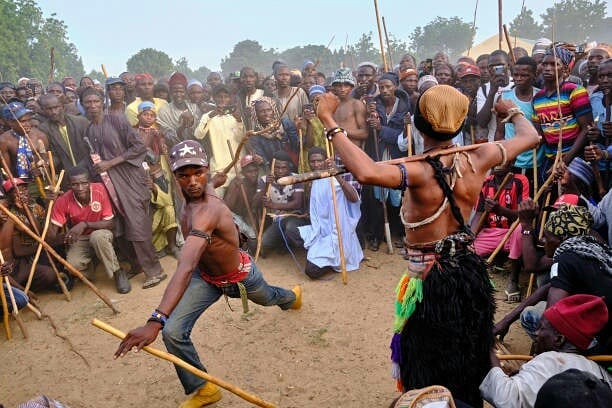
Across Africa, many cultural practices are still very much alive. Some may no longer be practiced exactly as they were generations ago, but they have adapted to modern life. Some have moved from village squares to city homes, wedding halls and social media platforms. Others are still practiced in communities in almost the same way they have been for generations.
Also Read: Tarok Language: Where Did Tarok In Nigeria Migrate From?
Culture and what is sometimes not understood through museums and forgotten old books is not always just sitting there. It can be a simple custom of a younger person greeting their elders, of families meeting during their weddings, of individuals going back to their native lands during various festivals and of neighbours taking care of each other.
In this article I look at seven African cultural practices that are still alive today. They may be changing with time, but they have not disappeared.
1. The Extended Family System
The extended family is one of the most significant African Cultural Practices or customs in use today and likely to last.
Unlike in many Western societies where the family is limited to parents and children, African families often include: Grandparents, Uncles and aunts, Cousins and Even close family friends.
Why it still exists:
There is a fantastic system to offer good assistance and so many lovely facilities to make things more than bearable. When any family member needed support-whether in terms of finance, emotion or social-other members helped out. And many are not ready to abandoned this practice any soon rather, they are doing more.
The children are cared collectively, and respect for elders is taught to young children at a very early stage.. Many Africans in cities keep close contact with extended families back home.
They do it, because it creates unity, responsibility and belonging.
2. Traditional Marriage Rites
Marriage in Africa is still deeply rooted in tradition. Although, it’s true modern way of getting married the word has gained widespread popularity and so there is a procedure in getting marriage in practice. And some cultures are making it compulsory to do the traditional rites as far as they will not cross the religious boundary.
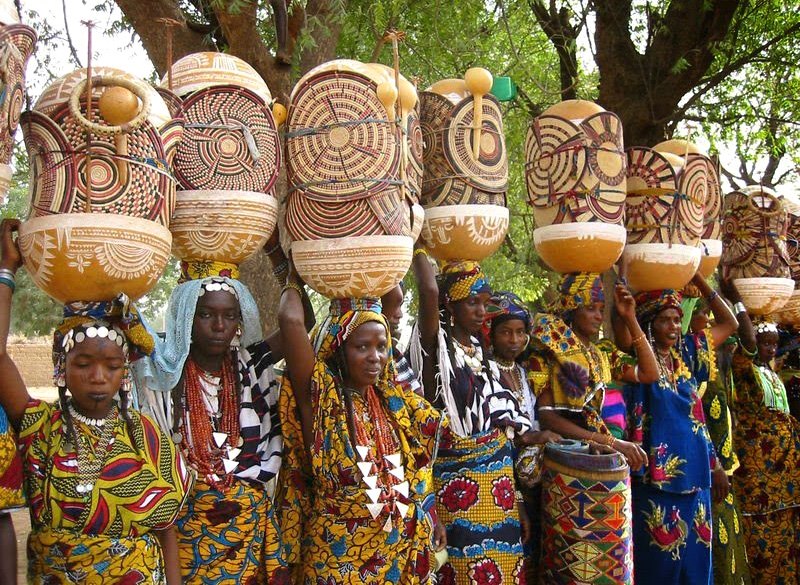
What is common between them: Family introduction ceremonies Payment of bride price or dowry Elders’ blessings Cultural ceremonies/customs and symbolism.
Each ethnic group might have unique customs, however the idea is to bring families closer, and to have it declared a genuine marriage from the viewpoint of friends and the society.
Why it still exists:
It is thought that marriage ceremonies reflect respect for culture and the past. Both traditional and modern wedding culture adopted the practice to cater to mixed cultures and traditions.
This is not about the wedding day and all the romance. It’s all to do with tradition and family and it works for us.
3. Respect for Elders
In most African societies, it is the tradition to respect your elders.
Elders are viewed as: Sources of wisdom, Custodians of tradition and Decision-makers in family and community matters.
How it is practiced: Younger people greet elders respectfully, Important decisions involve elder consultation and Elders often mediate conflicts.
Why it still exists:
There are even contemporary occurrences with a justification for maintaining societal harmony, self-control and orderliness. The knowledge may also, if such limitations were applied (which there could never be), be passed from one generation to the next.
Read This Too: Argungu Fishing Festival in Kebbi State, Nigeria
In lots of African communities, how old someone appears not only equals to the particular range, it could symbolizes authority and honorability.
4. Traditional Religious Beliefs and Practices
Christianity and Islam are prominent on the African continent today, however, African Traditional Religion is still very much alive and present in day-to-day practices.
The beliefs associated with this often include: veneration of the ancestors, the performance of ritual and sacrifice and belief in spiritual entities.
Even today in several societies, olden priests/ spiritual elders are being approached by for their help – be it guidance, protection, healing and more, also settling arguments and disputes in villages for instance. The incidents still occured, even amongst those that called themselves Christians. They forgot about the Christian belief and doctrine to be consulting traditional belief systems for protection, healing and other things.
While others that accepted Christ in totality, forget about anything about traditional belief and embraced Christ.
Why it still exists:
For all of the discussion about religion as practice, the traditional religious forms do intertwine quite a bit with identity and worldview. Religion is the answer to all the why’s to our life and death, and our placement with the divine.
Even in contemporary belief, a certain thread of ancient spirituality continues to run along beneath things quietly. This has made many to question the Christian spirituality of some people.
5. Cultural Festivals and Ceremonies
Still one of the most visually and obviously evident practices of African culture are the festivals.
Events like the Argungu Fishing Festival, the Sayawa (Zaar) yearly Festival, The New Yam and the Durbar Festival continue to attract thousands of participants and visitors.
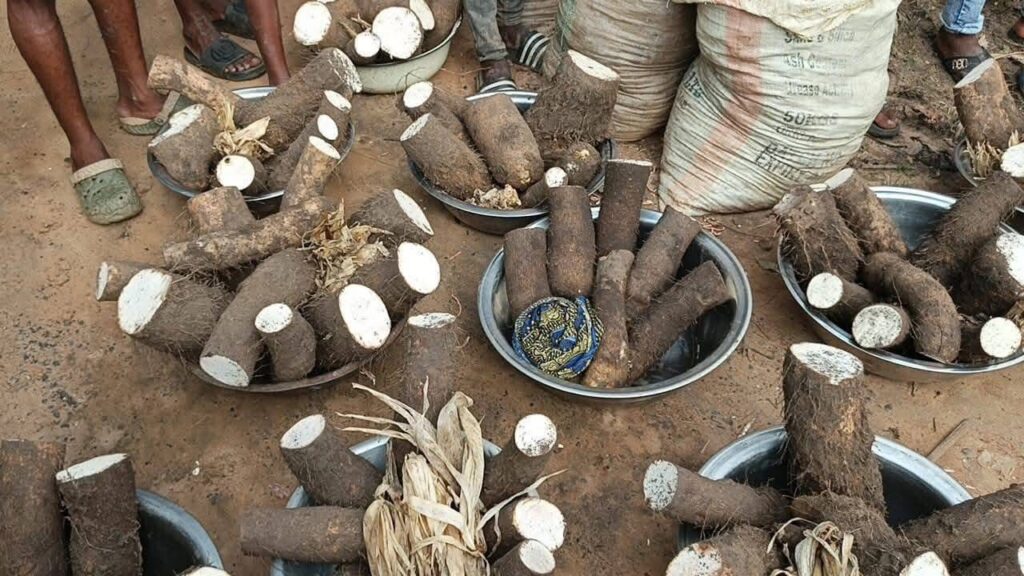
Such celebrations include: Singing &Dancing Traditional Clothes Get Together Spiritual or historical value.
Why it still exists:
But there are still festivals that exist, to keep alive the histories and to form their communities even tighter. In addition they fuel tourism and business. These festivals are been celebrated regardless of religion as far as it does not violate religion belief.
But festivals just are these things that scream that we haven’t forgotten our culture. We’ve come out into the public with it.
6. Commonalities of dwelling
In most African societies life revolves around community, not around individuals.
This is what follows: Sharing one food and provisions among neighbours, Coming to others’ succor in difficulty and misfortune,Participating to collective works and engagements and Caring about his neighbour the nearest one.
And this spirit can be perceived even in the cities too.
Why it still exists:
The experience of living together foster belonging and minimise loneliness. Thus it guarantees that no one is entirely deserted in hour of need. It makes African going through neighbor’s door to greet and know how they are doing and hope they wake up fine and good.
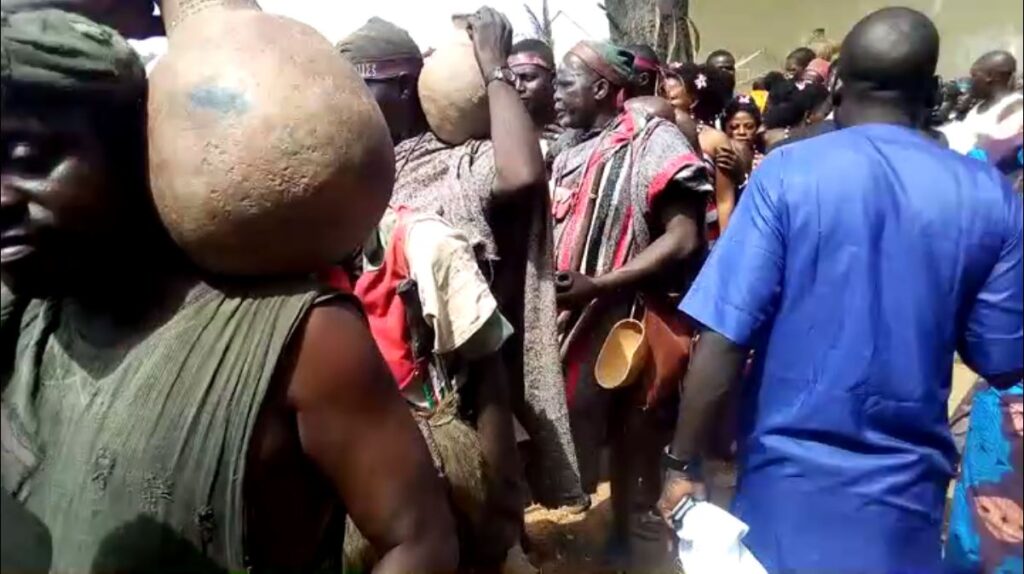
The notion is actually very obvious-“I am because we are”.
7. Rites of Passage
A ceremony that is held on the occasion that marks an important stage or age in a person’s life.
Common examples: Naming ceremonies for newborns, Initiation rites into adulthood, Marriage ceremonies and Funeral rites.
Typically the rites can include lesson, celebrations as well as various symbolic things to get ready people for life to become section to culture.
Why it still exists:
They help an individual define himself or herself as well as his responsibilities and position within a society. They’re vehicles connecting the people who use it to where it’s came from! They are known as show of love when it comes to assist needy.
You Can Also Read: Cultural Similarities Between Africa and Asia
It spans from the past, present and future.
How to Balance Tradition and modern living
Africa today is a blend of tradition and modernity. So the cities are evolving, technology changing and lifestyles are changing – and at the same time culture and practices are quite deeply entrenched. And festival participation seems to have increasing prominence. That said, you see quite extensive and organized celebration. And maybe social media awareness helped spreading the culture, too?
Even though they are living in the city or outside the country, when time for the festivals approaches many Africans now:
• Return home for festivals
• Use modern technology but respect traditional values
• Combine Western lifestyles with cultural practices
This balance allows culture to evolve without being lost.
Why These Cultural Practices Matter
These practices are no longer outdated – they actually speak volumes about being African.
We help create the history of the community We encourage cooperation and community concern We transmit moral values We help fortify families and communities.
Much of what is characteristic of African society will disappear without her.
Conclusion
The culture of Africans doesn’t die.
And things were, are, and will be continuing to evolve, change and be adapted to survive the ever moving tide.
The extended family system, traditional marriage rites, respect for elders, cultural festivals, communal living and rites of passage are just some examples of traditions that remain visible across different African societies.
“A number of things changed. We did not continue some of practices”. Some have become less common. Still others are made popular by tourist culture or social media.
What counts is that a lot of Africans still cherish that which makes them a people in connection with their ancestors and communities.
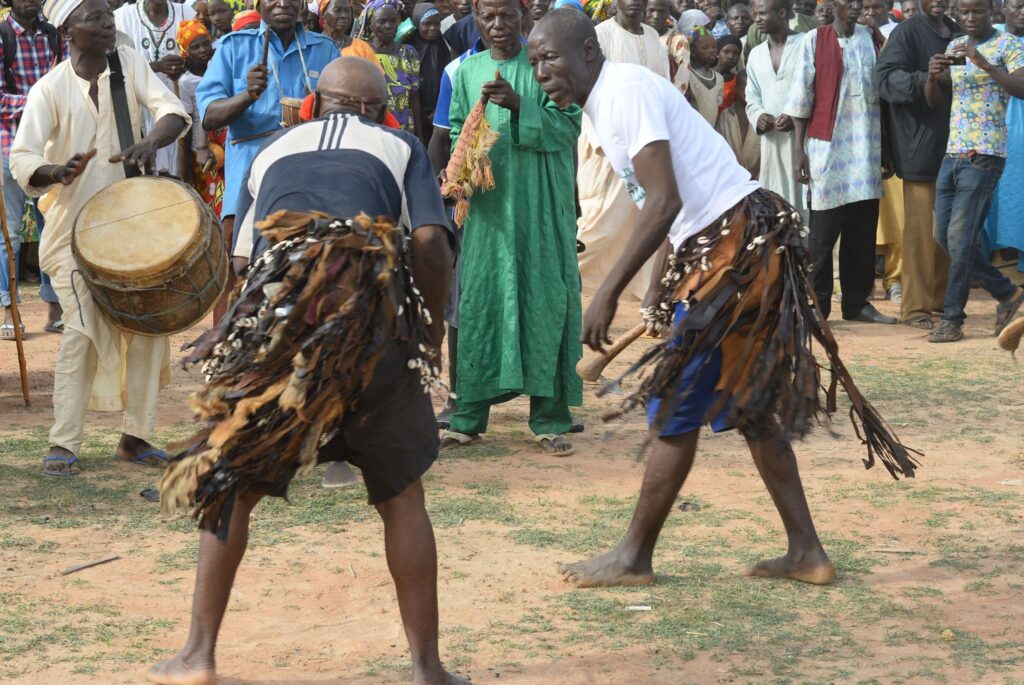
Globalization may have changed the way Africans dress, communicate, work and live, but it has not erased the desire to remember where we came from.
On occasion culture thrives in a great ceremony, like here where I am documenting a new, old-fashioned wedding. Sometimes, it survives in a grandmother teaching her grandchildren a traditional song. On occasion it might only be an old person being paid a courtesy by a younger.
These may look like small things, but together they tell a much bigger story.
Life is Culture.
Being Africans, our maintaining of a legacy will not necessarily be rejection of modern living It simply means knowing which elements are meaningful from our heritage to be taken along in future life.
Then the real question would not even be, can our African culture be considered still very live.
The bigger question is:
What are we doing to make sure the next generation knows it?
What about your own community? The most persistent cultural practice, though somewhat adapted to modernity & Globalization, what do you think it is?
Share your thoughts and experiences. The story of every village is waiting to be heard.
Hope you are preserving your culture? Culture refers to ‘a particular society or even in a small groups. We welcome all tribes and all cultures here in this humble hall. Keep visiting our blog for this and many more. We hope this post is helpful?
About the Author
By Habila Ibrahim Cultural Writer/Researcher Founder, Kunzaar My journey with culture began almost naturally, a simple question about how diverse communities and groups interact, celebrate and teach their children. I have chosen these as areas of my platform and my own research with Kunzaar to share and learn around the world.
“Through writing I hope to demystify culture, so that it becomes interesting and comprehensible for student, traveler, academic, as well as anyone passionate about history and heritage. Every culture should have a narrative, and every narrative makes one know one another a bit more.”
Otherwise, when he’s not busy with the study of ancient peoples, not lost writing about festivals and history, it delights to uncover the forgotten narratives of culture that need attention to be part of the current digital world.
Sources
This article is an original cultural write-up by Habila Ibrahim for Kunzaar, informed by general knowledge of African family structures, traditional ceremonies, cultural festivals and community practices.
Given the thousands of ethnic groups and cultural traditions across Africa, the practices described here should not be taken as being the same for all African peoples. Although some of these traditions remain the same throughout history and many have even died with the times, there are others from one society or the next.
Kunzaar celebrates ethnic difference, yet understands that culture is not a static thing-it is a living phenomenon.