
Introduction
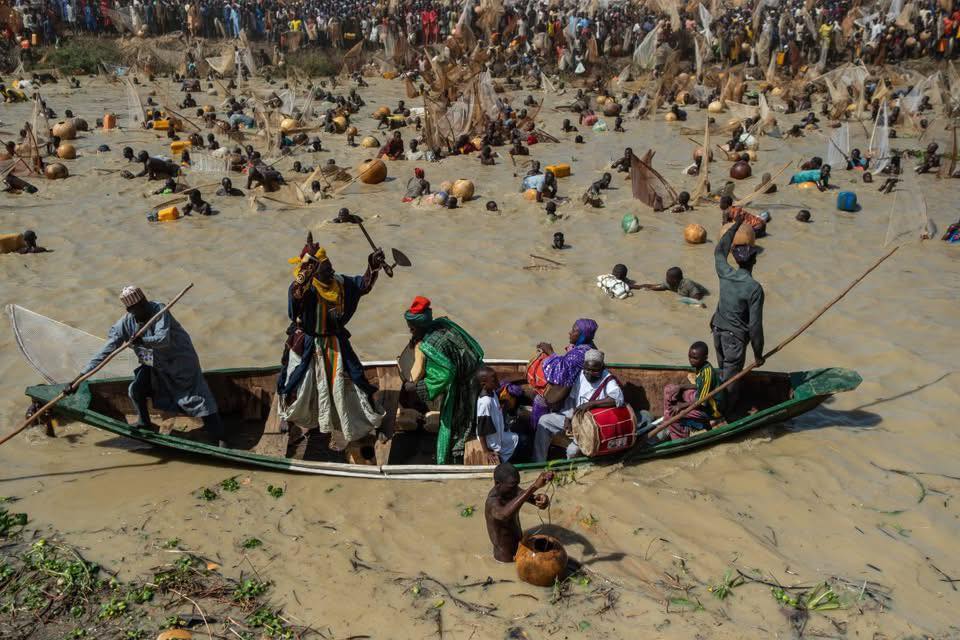
Every year, the serene banks of the Matan Fada River in Argungu, Kebbi State, Nigeria come alive with color, music, tradition, and excitement during the famous Argungu Fishing Festival — one of Africa’s largest and oldest cultural celebrations.
As Argungu is in Northen Nigeria, most of the rituals names are called in Hausa.
Held typically between February and March, but for 2026, it was held in February, this four-day event attracts thousands of local fishermen, culture lovers, tourists, and dignitaries from around Nigeria and across the world. Including the present of the Nigerian President, Bola Ahmed Tinubu, GCFR.
Also Read: Harbin Ice and Snow Festival In China
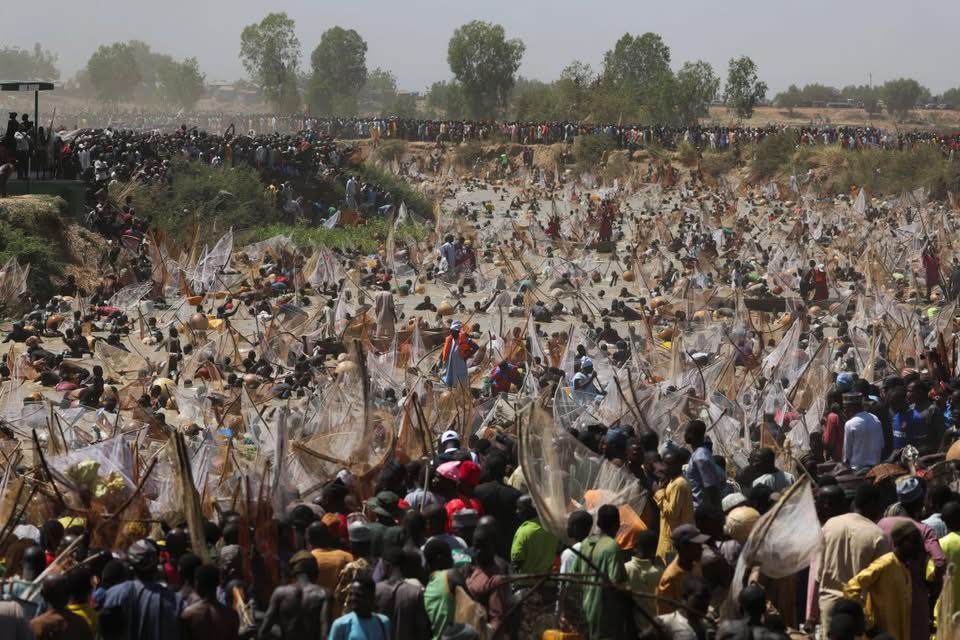
This photograph illustrates the Argungu Fishing Festival, an annual celebration that takes place in Kebbi State in northwestern Nigeria. The event was first organized in 1934 to commemorate the resolution of long-standing hostilities between the Sokoto Caliphate and the Kebbi Kingdom. Over time, it has developed into one of Nigeria’s most renowned cultural gatherings, representing harmony, togetherness, and the enduring relationship between the Hausa-Fulani people and their river (Falola, Culture and Customs of Nigeria, 2001).

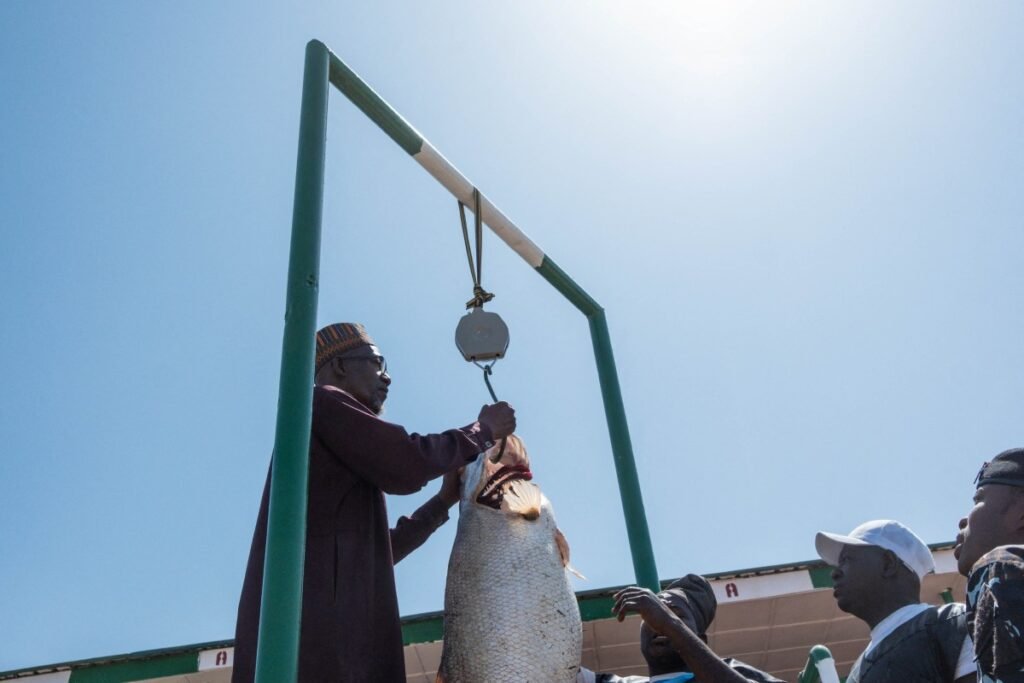
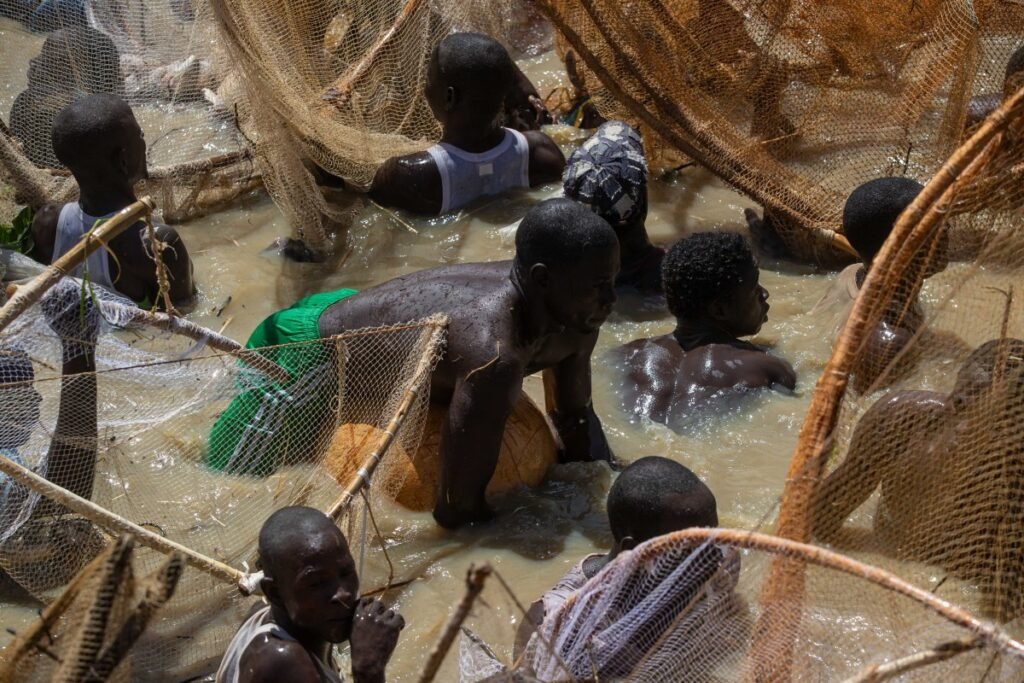
The central attraction of the festival is the intense fishing competition held in the Matan Fada River. During this event, thousands of men dive into the water with wide nets, all striving to capture the largest fish. On occasion, participants surface holding massive catfish, drawing loud applause from enthusiastic onlookers. Victors receive rewards such as money and farming equipment, highlighting the festival’s strong connection to both economic livelihood and cultural heritage (Smith, The Fishing Communities of Northern Nigeria, 1980).
In addition to the fishing contest, the festival includes traditional wrestling matches, rhythmic drumming, energetic dances, and canoe races, transforming Argungu into a vibrant showcase of Hausa-Fulani traditions. The celebration goes beyond competition; it carries spiritual and communal significance, incorporating rituals that seek blessings for prosperity, peace, and plentiful harvests (UNESCO Intangible Cultural Heritage Reports, 2009).
In recent times, the festival has experienced disruptions caused by overfishing, seasonal flooding, environmental pollution of the river, and regional security challenges. Nevertheless, Argungu continues to stand as a strong emblem of Nigerian cultural identity. It still draws visitors from within the country and abroad, reflecting resilience, cultural pride, and the unity of a community closely connected to its river.
What Is the Argungu Fishing Festival?
The Argungu Fishing Festival, also known simply as the Argungu International Fishing and Cultural Festival, is a legendary cultural celebration marked by dynamic fishing competitions, traditional music and dance, canoe races, and displays of agricultural and cultural pride.
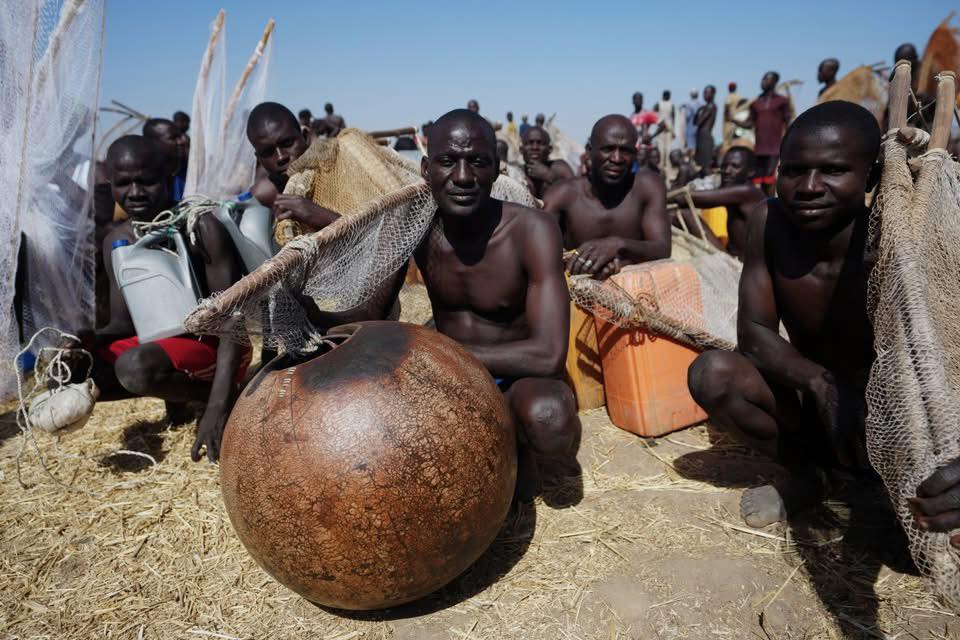
Unlike modern fishing competitions, participants use only traditional fishing tools such as hand-woven nets and calabash gourds — and many attempt to catch fish with their bare hands, known locally as a demonstration of prowess, strength, and skill.
This festival is not just a tourist spectacle — it is deeply rooted in history, unity, economics, and cultural identity.
The Historical Origin: A Festival Born From Peace
The Argungu Fishing Festival traces its beginnings to 1934, when centuries of hostility between the Sokoto Caliphate and the Kebbi Kingdom ended.
To commemorate peace, the community began an annual celebration that would eventually become both a cultural ritual and a public festival that unites diverse ethnic groups within Nigeria.
For many decades ago, the festival was held consistently and grew in prominence, becoming a symbol of harmony and reconciliation. However, it faced interruptions — including a long pause from around 2010 to 2020 due to security issues in Northern Nigeria — before being revived in recent years.
In recognition of its cultural significance, UNESCO inscribed the festival on its Representative List of the Intangible Cultural Heritage of Humanity in 2016.
Cultural Significance: Beyond Fishing
While the competition to catch the biggest fish is the highlight of the festival, the spirit of Argungu goes far deeper than that.
Rituals & Preparations
Before the fishing begins, age-old traditional rituals take place which are called in Hausa language. Among these are:
- Gyaran Ruwa — purification rites on the water to bless the fishing season.
- Fashin Ruwa — ceremonial opening of the waters for fishing.
These ceremonies link fishing with community values, asking for blessings for a safe and plentiful event.
Role of the Sarkin Ruwa
The Sarkin Ruwa (custodian of the river) is the traditional chief responsible for protecting and blessing the Matan Fada River before fishing begins. Without his approval, fishing is not permitted.
This Sarkin Ruwa, according to local belief, he also ensures the safety of participants by directing crocodiles to move away from the festival area and inviting fish from connected waterways to boost the bounty.
Unity & Heritage
The festival has long served as a symbol of communal unity, drawing people from all over Nigeria, and sometimes from neighboring countries, to celebrate together — transcending ethnic and religious boundaries.
Main Event: The Grand Fishing Competition
This is how the main event is observed. On the final day of the festival, thousands of fishermen will line up along the shallow stretch of the Matan Fada River and nobody is allowed to enter the river until a sign is made by a sound of a gunshot. At the sound of a gunshot, all the fishermen will now rush into the water for one hour of intense, competitive fishing.

Here are the exciting details:
- Participants use traditional tools: hand-woven nets and gourds.
- Many competitors prefer hand fishing (noodling) to demonstrate skill.
- The man who catches the heaviest fish wins a big prize — which in recent years has included cash rewards, vehicles, and many more.
Some years have seen extraordinarily large catches. For example, in 2005, the largest fish weighed 75 kg while in 2026, the largest fish weighed 59kg.
Cultural Activities & Entertainment
The festival offers far more than fishing. You can expect many activities such as:
Music, Dance & Costume
Traditional drumming, call-and-response singing, energetic folk dances, and vibrant costumes fill the days and nights.
Canoe Races and Water Sports
Long, narrow canoes adorned with flags compete in thrilling races — a colorful spectacle that highlights local watercraft skills.
Traditional Processions
A Durbar featuring the Emir’s entourage and horseback riders adds ceremonial elegance to the festivities.
Food & Market Experience
Local cuisine — from tuwon shinkafa or tuwon masara with typical Hausa soap of miyan kuka and local dried meat called kilishi — is showcased at food stalls, giving visitors a taste of Kebbi’s rich culinary traditions.
Economic & Tourism Impact
The Argungu Festival is more than a cultural event — it’s a boost to the local economy:
- Tourism Income: Thousands of visitors increase demand for hotels, guesthouses, and other services.
- Business Opportunities: Vendors, artisans, food sellers, and tour operators thrive during the festival period.
- Global Exposure: The event helps position Kebbi State on the tourism map, drawing international attention and foreign guests.
Here Is A Tips And Practical Info On How To Attend Argungu Festival
If you’re planning to visit the festival, these are the tips such as:
Best Time: Late February to early March (check annual announcements due to shifting schedules).
You Can Also Read: The Misery of Lake Nyos
Location: Matan Fada River, Argungu, Kebbi State — in the northwestern part of Nigeria.
Expect a Crowd: Arrive early for accommodation and event access.
Cultural Respect: Dress modestly and respect local traditions and their mode of dressing.
Photography: Capture the vibrant scenes — but always ask for permission when photographing individuals.

Conclusion
The Argungu Fishing Festival is more than just a fishing contest — it’s a celebration of history, unity, culture, and community spirit. From its origins as a peace-making ritual to its modern status as a global cultural spectacle, the festival offers a unique window into Nigeria’s rich heritage. Whether you’re a culture enthusiast, adventure traveler, or local explorer — Argungu Fishing and Cultural Festival offers an unforgettable experience that’s deeply rooted in tradition and community pride.