
By Habila Ibrahim, Abuja | Last Updated on August 15, 2026.
Introduction
Marriage is one of those matters that can reveal a great deal about a society. It is not only about two people deciding to spend their lives together; in many African communities, it is also about family, responsibility, respect, tradition and the hope of building something that will outlive the couple.
Growing up and listening to stories about marriage in African communities, one thing becomes clear: family has always been bigger than the people living under one roof. A child might have parents, but that does not include a grandmother and grandfather or aunts and uncles and cousins as well as other relatives or neighbours and elders, who can play part of the role in the education process.
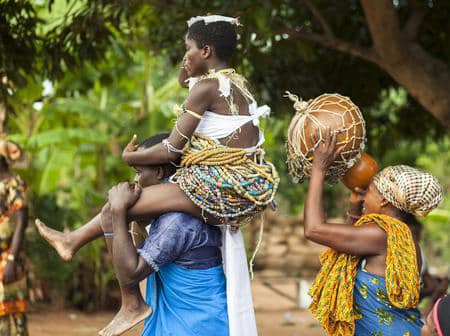
Understanding between marriage may sometimes be the same. In many African cultures, when a man and woman decide to marry, the families become part of the story. Elders might be consulted; traditional rites practiced, gifts exchanged; and depending on what religion the families follow, an actual service performed in time.
Naturally, Africa is a large continent, there can be no such thing as an African family or marriage tradition. The customs of the Yoruba may differ from those of the Hausa, Igbo, Zulu, Basotho, Krobo, Fang, Sayawa (Zaar), Zuru and many other peoples. However, throughout many of these societies, the values of respect, family, community responsibility,hospitality, commitment and, in particular, cultural preservation have still stood out.
In this article, we take a closer look at some of these beliefs and why they still matter in today’s changing African society.
Marriage is Often Seen as a Union of Families
Another amazing thing I find about the custom marriages is the philosophy on the back. Traditional African weddings represent marriage being far from just the couples getting together.
It is an old proverb in much of the world that a marriage between two individuals is really a marriage between two families.
Before a marriage takes place, the families may meet, discuss the union and seek the advice or approval of elders. In this scenario it’s not a matter to rob the couple of individual choices. This normally translates to understanding that Marriage may not involve any other member of the family as more of you to account for to someone now the new part of you the marriage.
Also Read: The Krobo People: Location, Cultural Heritage, and Traditional Festivals
In the most literal sense a marriage connects two families. Parents may become the parent-in laws and new relations are formed and in fact two communities are joined stronger than before and thus all have new relatives formed etc.
It can become quite crowded in many African traditional wedding traditions for that very reason. What may appear to be a celebration for a couple is also a celebration of two families coming together.
The Meaning Behind Traditional Marriage Rites
Traditional marriage ceremonies across Africa are often colourful and full of symbolism. The clothing, food, music, greetings, gifts and words spoken during the ceremony may all carry cultural meaning.
In a few communities it is also the ritual for the groom’s side of the family to call on the bride’s parents. There may be discussions between both families, the presentation of gifts, traditional prayers or blessings and other cultural rites. Bride price or bridewealth is also practised in many African societies, although the form, meaning and requirements differ from one culture to another. Therefore it is of no use to generalize the proceedings to each community in Africa.

In many traditions, these marriage rites represent respect for the bride’s family, the seriousness of the groom’s intentions and the acceptance of the union by the wider family.
It is this closeness to each other, that is also very touching. Family members whom one might not have met for several years can get together once more. Food is prepared, music fills the air, stories are shared and the families celebrate a new chapter in their lives.
For most people these events are not ceremonies but memories that become part of family history.
The Place of Elders in Marriage and Family
If there is one value that appears repeatedly in many African societies, it is respect for elders.
For most people these events are not ceremonies but memories that become part of family history. Kids can be cautioned to hearken when their elders chat, greet the latter appropriately and make inquiry while standing before life changing choices.
This same tradition of respect is in evidence in the marital institution.
The more experienced members of the family have been known to be called in at times to smooth out a husband’s and wife’s disagreements. Their role is often to listen to both sides, offer advice and encourage reconciliation.
In earlier days, much family members looked at older individuals since a custodians of their society. These represented memories, rituals and family lore that they carried for their descendants.
In many African families, although the practice has changed as life gets modern, the words of the elderly are respected.
The Strength of the Extended Family
African family used always outside their close living world.
A person’s family may include parents, grandparents, brothers and sisters, uncles, aunties, cousins and other relatives. In some communities, close family friends and trusted members of the community may also be treated almost like relatives.
Historically, extended family system served a large degree of comfort support network for an individual and their family.
If the family gets into trouble members may provide loans/cash, take them in/provide a roof over their heads, look after the kids/grandchildren or just offer help or an ear for their problems. When there is a celebration such as a wedding, naming ceremony or graduation the wider family often comes together to celebrate.
Here the common African belief “it takes a village to raise a child” becomes relevant.
It is not usually considered the children’s parental responsibility. Their relatives and members of the community may also assist in raising them, such as by giving them knowledge in discipline, respect and manners, and teaching them their customs.
It should not come as much of a surprise to anyone not to discover that not is perfect about the extended family form of household structure. Financial, family squabbles as well as the modern ways of live can on occasion, cause pressure. Having said that the idea of assisting with Each Other may still become part of Africans’ family lifestyle.
Children as a Blessing and Family Legacy
Traditional child-bearing in numerous African societies seen children as an important benefit and extension of the family.
A child is often seen not only as the son or daughter of a couple but also as a continuation of the family.
In most of the culture in Africa, childbearing have generally been treated as a blessing and was a thing of great importance in the future success of the families. Parents, elders, the whole village of grown-up citizens often may teach a child how to defer to age, how not to bring shame on the family honour, where their own culturally assigned place is in the world as it goes along, to have good intent for society.
For us, so traditionally, you don’t just have children, feed them, educate them, let’s leave that alone. It is also a process by which people will take the goods and values and transmit to future.
But we do need to be aware that African societies are changing. Today, families increasingly understand marriage and parenthood in different ways, and many couples are also redefining what family life means to them.
Roles and Responsibilities in the African Family
Traditional African societies often had clearly understood expectations about the responsibilities of men and women within the family.
Many of these were designed around the man being expected to protect the home and support it financially, while woman was primarily responsible for the children, caring and housework.
But African family life today is changing.
Economic realities, education, urbanisation and changing social expectations have made it increasingly common for husbands and wives to share responsibilities. A woman may also bring home most of the money, a man may be involved much more deeply in the taking care of the children and house work.
The issue with most modern African family now the best person doing the work is more. The bottomline thing: Are we willing to work as team is the issue.
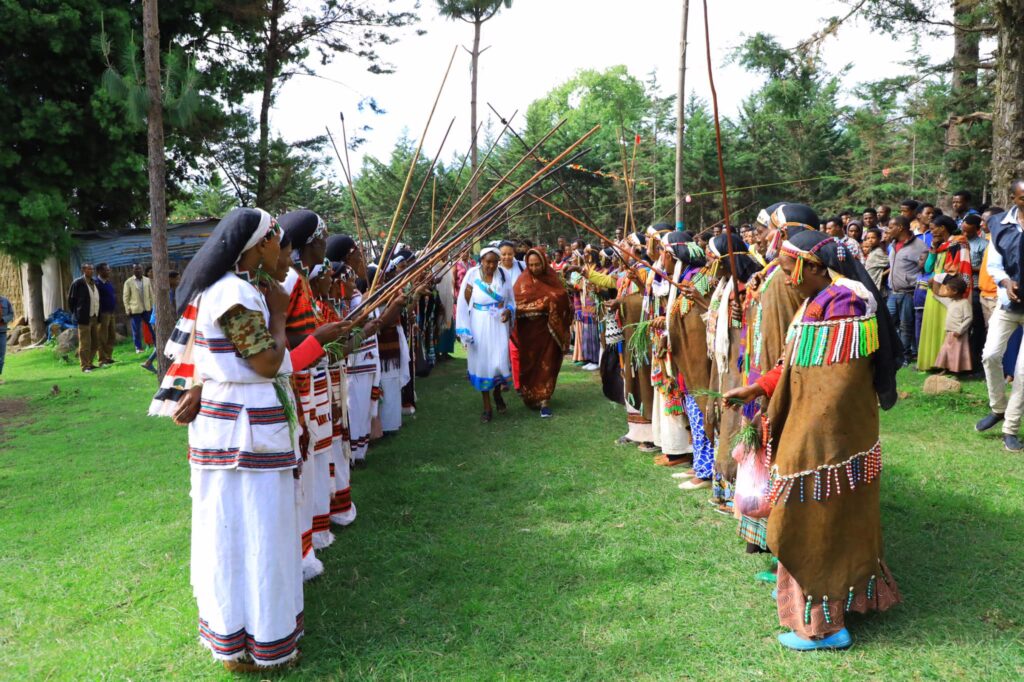
Family needs co-operation, mutual-understanding, co-operation, understanding and sacrificing and communication. In difficult economic times especially, husband and wife may need to support one another in ways that traditional expectations did not always anticipate.
Marriage and the Idea of Lifelong Commitment
In most African societies traditionally, the married state is a weighty and irreversible contract.
A person was often discouraged from divorcing the spouse, as it was thought that the after effects would not be restricted to themselves, their spouse but would continue through the rest of family members too, through the children.
Couples with serious disagreements might get some outside help to try and work things out. The goal was often to find a way to reconcile rather than to separate right away.
Having said this, it is necessary that we should still observe that we should keep in mind that this practice should be with a lot of moderation. Although settling the differences in a marriage through reconciliation can help the relationship where the problems are of a daily nature, no cultural norm can stand for abuse, violence or other severe harm. Modern African families increasingly recognise the importance of safety, dignity and mutual respect within marriage.
There is still room for the standard notion of commitment; just not in isolation from good, mutually beneficial communication.
The Influence of Christianity, Islam and Modern Life
African marriage traditions have never existed in isolation. They have been modified over centuries due to their involvement with different religions, education systems and cultures.
Christian and Muslim teachings, among others, are reflected in practices of marriage and family life in many areas of Africa, and religious weddings are now frequently celebrated, or take the place of some rites and rituals.
You Can Also Read: The Misery of Lake Nyos: When a Lake Became a Grave
The family has also been affected by education and urbanisation.
Many young Africans now live far away from their extended families because of education, employment or other opportunities. The extended family may then as a result not be functioning quite as it once did.
Continuing forces of change in the form of global cultural exchanges, social networks and beyond,. Today, young married couples can do research on marriage customs across the world. They have had the chance to draw up their own perceptions of relationship and family responsibilities.
But despite all this alteration some values seem to have been very enduring.
Respect for parents, care for children, support for relatives, hospitality and the desire to maintain family relationships continue to be important in many African communities.
Why African Marriage and Family Traditions Still Matter
They have persisted because they help people to decide who they are.
In this globalizing world culture may seem that it is fading away. But marriage ceremonies, family gatherings, naming ceremonies, traditional greetings, food, clothing, music and storytelling continue to provide opportunities for younger generations to encounter their heritage.
Such traditions remind us too that often, your individual success is not quite the only thing the matters.
Several African societies also link success with the way in which a person relates to others, helps family members or contributes to the broader society.
Just because we have all done it a particular way for a while does not necessarily means it is the only way to get the job done nor is it a way to stay safe either. Culture changes organically and practices may or may not have been reevaluated by contemporary thought while others remain and should be remembered because they uphold value, spirit and solidarity.
And it should not be an rote-enunciation of these traditions. Click to humanizeBut an understanding of the why.
African Marriage in a Changing World
Perhaps the most interesting thing about African marriage today is the way tradition and modernity are meeting.
A couple may have a traditional marriage ceremony in the morning, a religious ceremony later in the day and a modern reception filled with contemporary music and fashion. They might be staying in the capital, working in another profession but all still connected to their villages and relations.
This is not culture loss necessarily, but you know.
More often it is the culture that’s adapting to a young generation.
One of the reasons African culture has lasted for centuries is because it has the capacity to adapt itself without losing sight of important values.” The same is true of marriage and family life today.
Conclusion
African marriage, a history of being together.
They speak of reconnecting mothers and fathers, grandparents sharing their wisdom of tradition; of children being raised with community values; of communities coming together. What these stories also convey is that marriage for many African societies has been a role to play, as opposed to an agreement simply made between two individuals.
Africa is not a monoculture at the same time. The marriage customs of a Hausa family may be different from those of an Igbo, Yoruba, Zulu, Basotho, Krobo, Fang, Sayawa (Zaar), Zuru or another African community. These differences form part of that richness of the African heritage.
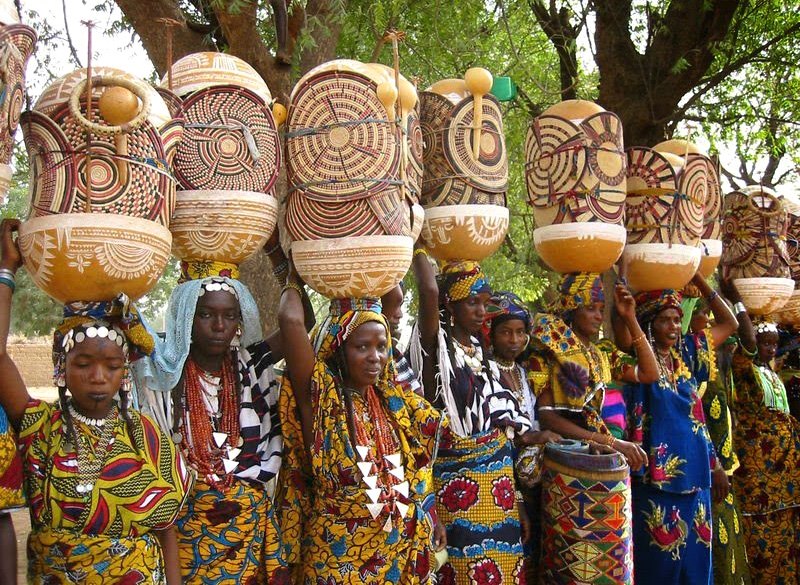
As modern life keeps hitting African societies, some of the old ways are obviously going to change. Some might stick around, just in a different way. More important, is that the values worthy of preservation: respect, love, responsibility, family solidarity, dignity , and peaceful coexistence among others are not forgotten.
To me this is the exact kind of thing, why discussions on African culture need to happen when they do; when we reflect for a bit on the roots of what’s come down to us, we’re allowing youngsters the time to appreciate what came down, so that it’s not simply forgotten in the hustle and bustle.
Culture belongs to the people who practise it, preserve it and pass it on.
And as we learn African traditions we should learn to respect the traditions of others. Let our differences no longer divide us; They should give us more reasons to check each other out.
About the Author
By Habila Ibrahim Cultural Writer/Researcher Founder, Kunzaar My journey with culture began almost naturally, a simple question about how diverse communities and groups interact, celebrate and teach their children. I have chosen these as areas of my platform and my own research with Kunzaar to share and learn around the world.
I write to make culture accessible and understandable for the students and scholars alike, the traveler and history buffs; to put the complicated history to work. Every culture should have a narrative, and every narrative makes one know one another a bit more.”
I want to help preserve those stories found in different cultures, and through my extensive research and simple story-telling, to make it easily accessible to people – so as to inspire them and enrich them into how diverse and lovely societies could be, so that they can explore the past.
Sources and Research Note
Personal cultural research, observations and references to traditional African family practices across different communities. This article was prepared for Kunzaar as part of its effort to document, explain and promote African cultural heritage.
At Kunzaar, our goal is simple: to keep learning, sharing and preserving the cultural stories that make our communities unique.