
Published By Habila Ibrahim, Abuja | Last Updated on September 2, 2026.
Introduction
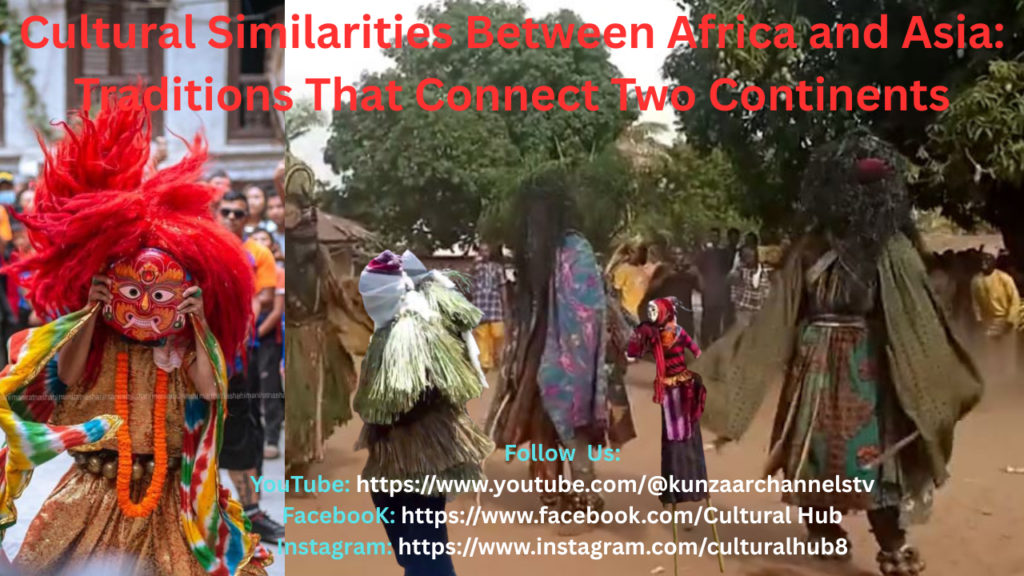
When we refer to Africa and Asia, distance perhaps comes to the mind. But this is for sure, these two giants of the planet-continent are divided by miles of sea and distinguished by thousands of languages, multitudes of ethnic groups, of religions and traditions. Still – once out of this map world and we can observe that cultures and human values from two far-off lands are strikingly alike.
This is what’s so much fun to write about. It often amazes us to see the ways people who live separated by thousands of kilometres may greet elders, bring up children, solemnise marriages, cook food, celebrate festivals and conduct their affairs with communities and loved ones so similarly.
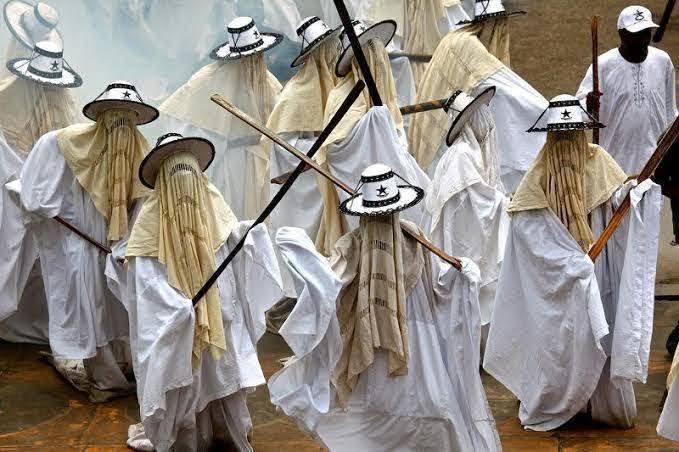
Now it’s absolutely clear that Africa is not same as Asia and that the population of Africa and Asia doesn’t belong to the same culture in their habits and beliefs. At the same time, a deep reverence for family, respect of elders, spiritual values, community consciousness and attachment to tradition are highly values societies in two continental regions.
Also Read: Argungu Fishing Festival in Kebbi State, Nigeria
In this article I offer you some of these shared similarities as well as discuss on how people across two continents could still be together in different ways.
1.Strong Family Values and Respect for Elders
A real strong comparison between cultures in China, India and many parts of africa would be that we all respect family and the elders in the family.
To most African peoples family is of more than a father, mother and children. This includes family relations such as grandparents, uncles, aunts, members of the wider community etc. Adults are regarded as being more knowledgeable and wise hence is sought for advice.
Similar attitudes can be found in different parts of Asia. In some communities in India, China and other Asian societies, extended family relationships remain important, even though urbanisation and modern lifestyles have changed the way many families live.
Shared values are considered to be: Respect for Parents and elders; Parents teaching kids manners and ethics; Consulting Family before finalising major decision; Taking care of the elders in the family; Staying in touch with relatives.

The exact customs are different from one society to another, but the underlying idea is often similar: family members have responsibilities toward one another.
Research on family and value transmission also shows that respect, faith, humility and intergenerational teaching remain important across different societies in Africa and Asia.
In many African communities, an elder is therefore not simply someone who is older. He or she may be perceived as someone who has knowledge of the history, traditions and experiences of the family.
2. Deep Spiritual and Religious Beliefs
Religion and spiritual practices have furthermore impacted the formation of many societies, especially in Africa and Asia.
Africa is home to Christianity, Islam and numerous indigenous religious traditions. In many African societies traditional beliefs and practices have also persisted alongside Christianity and Islam. According to Pew Research, although some elements of traditional African religious beliefs and practices survive among people who also identify as Christians or Muslims.
Asia, meanwhile, contains some of the world’s major religious traditions, including Hinduism, Buddhism, Islam, Christianity and Sikhism.
For instance, Hinduism traces back to India and Saudi Arabia on the other hand has been influenced considerably by Islam. Other Asian societies have been influenced by Buddhism, Christianity and indigenous spiritual traditions.
Despite these differences, religion and spirituality often influence:
Festivals and celebrations
Marriage ceremonies
Family life
Moral values
Traditional rituals
Community relationships
This tells us something important: in many societies on both continents, culture is not completely separated from spirituality. Religion can influence how people understand family, morality, life, death and their relationship with the wider community.
3. Traditional Marriage Practices
Marriage is another area where interesting similarities can be found.
In many African and Asian societies, marriage has traditionally been understood as more than the private decision of two people. It can be two families meeting up.
Family members may participate in discussions about marriage, preparations, ceremonies and other important aspects of the union.
The following traditional practices can be observed in different cultures: Family involvement in marriage, Choice of bride or groom and bridewealth or dowry, Traditional wedding dress, Traditional music, dances and religious rites and prayers, Gift exchanges, Large family and friend gatherings.
However, it is important to understand that bridewealth and dowry are not the same thing, and their meanings differ across cultures.
Differences as well as similarities between African and Eurasian marriage systems, including bridewealth and dowry traditions, have long been the subject of anthropological research.
In many communities, the wedding celebration is therefore not simply about the bride and groom. They can become a moment of celebration of a new chapter of life when the family or friend meet each other, hug or embrace each other to reinforce ties and share the joys of this important phase that is beginning.
4. The Cultural Importance of Food
Food is yet another effective medium by which, culture unites us.
Whether it is an African family preparing a traditional meal for visitors or an Asian household preparing food for a festival, food often carries memories, identity and family history.
In many communities of both continents:
Traditional recipes are handed down from generation to generation.
The meal is made up on particular days.
Meals and drinks are served to the guests.
Families and communities eat together during special occasions.
Some foods have Associations with holidays/festivals.
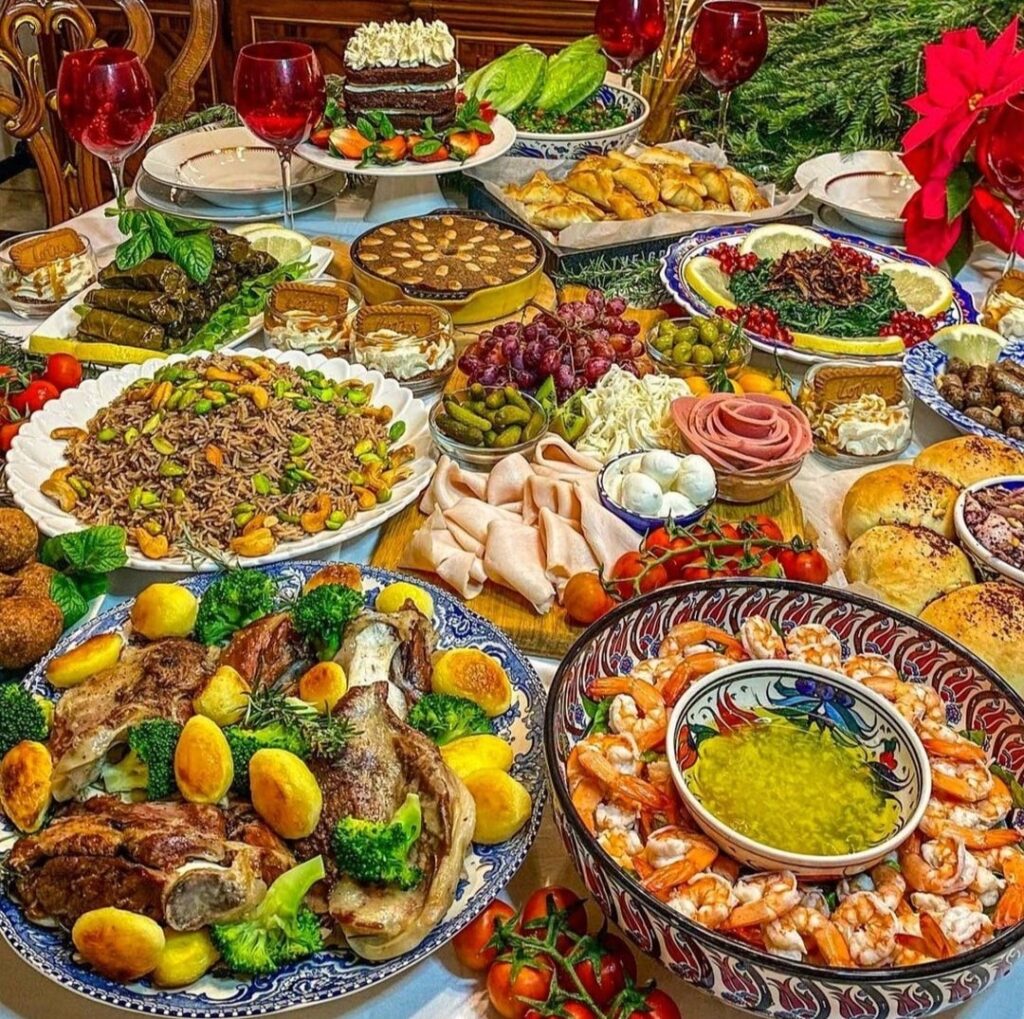
Spices, grains, vegetables, meat, fish and other ingredients are used in countless ways across Africa and Asia. The kinds of foods are completely different, I know, but they serve exactly the same purpose in culture as food does in general!
For many people, eating together is not simply about satisfying hunger. It is a way of saying:
“You are welcome here.”
This is sort of what I love finding when looking between cultures. A meal can become a form of hospitality, friendship and unity without anyone needing to explain it.
5. Festivals and Cultural Celebrations
Africa and Asia are both home to a remarkable variety of festivals.
Some festivals are religious. Others celebrate harvests, historical events, traditional beliefs, seasons, community identity or important moments in the life of a people.
Although the festivals differ greatly, many include familiar cultural elements such as: Traditional music, Dancing
Special clothing, Food and drinks, Community gatherings, Religious or spiritual activities and Storytelling and cultural performances.
In Africa, harvest festival such as and also traditional festivals of different cultures can bring families together for honouring their cultures.
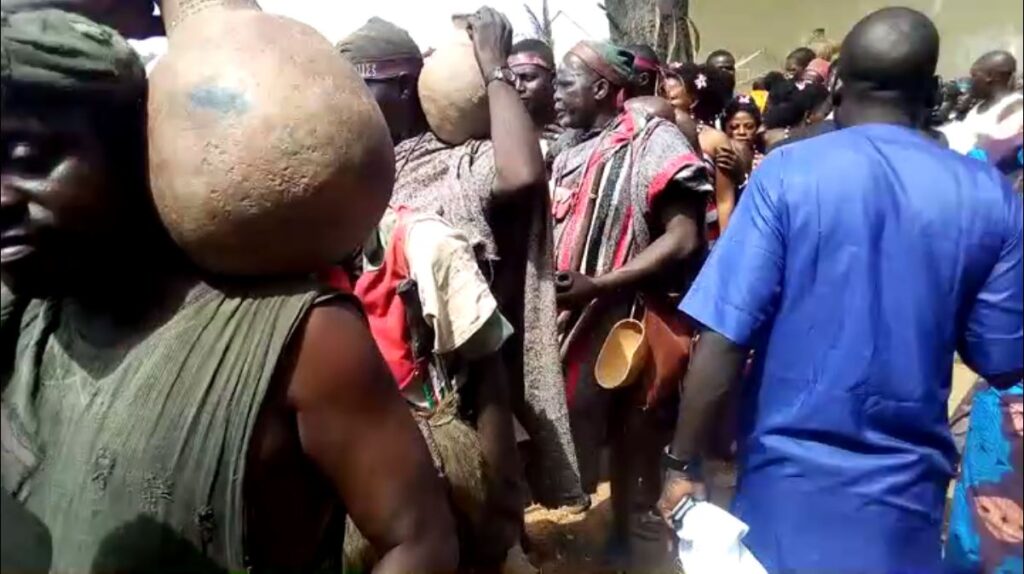
There’s a vast range of such festivals throughout Asia, including religious celebrations like Diwali and Chinese New Year, and regional festivals held throughout the year – all share a common theme of bringing together people and communities.
These similarities do not equate to these festivals are similar. Instead, they show that human beings in different parts of the world have developed their own ways of celebrating identity, history, faith and community.
6. Respect for Tradition and Cultural Heritage
There is also the aspect of the preservation of cultural heritage which many African andAsian societies have incommon.
Traditions are often passed from parents to children through: Stories and oral history, Music and dance, Traditional clothing, Food, Language, Religious practices, Festivals, Marriage customs and Community ceremonies.
The people of many cultures preserve their oral traditions of history through the wisdom of the elders.
Traditional African religions, for instance, have historically relied heavily on oral traditions through which beliefs and cultural knowledge are passed between generations.
Modernising has changed many of these practices, however. Young Africans and Asians increasingly live in cities, use social media and interact with global cultures.
But tradition has by no means died.
Instead, more and more individuals are creatively keeping the spirit of their culture alive.
Today, a traditional dance can be recorded on a smartphone. A cultural festival can reach an international audience through Facebook, Instagram, YouTube or TikTok. A traditional recipe can be shared with someone living on another continent.
Thus a new avenue for preservation of the culture have been explored.
7. Communal Living and Social Responsibility
Community is another area in which we can compare the societies.
In many African and Asian societies, people traditionally have strong relationships with neighbours, relatives and members of their wider communities.
They may gather for: Support a family in times of hardship, Celebrate a wedding or birth, Be there for a funeral, Join in community activities, Greet visitors, Settle disputes, Preserve one’s culture and traditions.
However this does not imply all African or Asian societies are communal, nor do people in these societies, obviously, detest the state of autonomy. Both continents contain many different social systems.
But in many old societies, the interests of the group would often be seen as even more important than those of the individual.
This emphasis on community can be seen particularly strongly in many rural societies.
The idea reminds us that a person’s identity can sometimes be understood through his or her relationship with family, neighbours and the wider community.
8. Greetings and Social Respect
Another similarity worth mentioning is the importance of greetings and respectful social behaviour.
In many African cultures, failing to greet an elder, visitor or respected person may be considered rude. Greetings can also be much more than a simple “hello”; they may involve asking about someone’s family, health, journey or wellbeing.
Almost similar forms of respectful greetings are observed in most of the Asians.

The exact words, gestures and customs differ, but the message can be similar:
Respect is shown through the way we approach and speak to other people.
This is one of those small cultural practices that may appear ordinary but can tell us a great deal about the values of a society.
9. What These Similarities Mean Today
The world has become much smaller because of technology, travel and social media.
It’s as easy as a person in Nigeria instantly seeing a cultural show live in India. A young person in Ghana can learn about a traditional celebration in China. A Kenyan can find Asian food, music or clothing at the click of a button, people in Asia can access African art, music or clothing digitally.
This transfer allows for increased comprehension.
Recognising similarities between Africa and Asia can help promote:
Cultural respect
International friendship
Tourism
Educational exchange
Cultural preservation
Mutual understanding
Stronger people-to-people relationships
A recent academic study on Africa-Asia relations also highlights the historical and cultural connections between the two continents, including similarities in religion, language, music and dance.
You Can Also Read: Hanbok of Korea: History, Culture, and Modern Significance
For me, this is one of the most valuable lessons that cultural study can teach us: difference does not always mean distance.
Sometimes, the differences make a culture interesting, while the similarities remind us of our shared humanity.
Conclusion
Africa and Asia may be thousands of kilometres from each other but through culture, it feels as though this border melts away.
From family values and respect for elders to spirituality, marriage, food, festivals, traditional knowledge and community life, we can find cultural practices that echo one another in different parts of these two great continents.
Of course, Africa is not one culture, and Asia is not one culture. Each contains an extraordinary number of peoples, languages, religions and traditions. Thus the comparison should not be used to hide the differences that made them individually distinct.
Rather they must invite us to approach one another with more interest and respect.
As I was doing research on this subject, one of the most basic of all principles comes to mind: it isn’t culture that separates us as individuals, but something that may just bring us closer together.
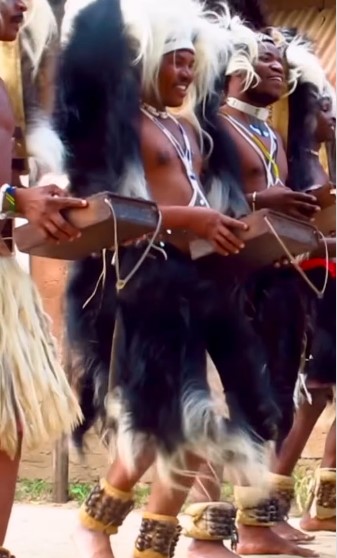
Today, social media has made it easier than ever to see how other people celebrate weddings, prepare traditional meals, dress for festivals, honour their elders and preserve their heritage. That used to necessitate traveling thousands of miles can now be explored in a phone or computer.
That is why I believe cultural awareness matters.
When we study another people’s traditions, we need not forsake our own. That’s basically all we’re doing: open mind and expand to include their world experiences.
Culture is a bridge, not a barrier.
If we continue to cherish our differences but recognise our commonalities then we not only save our own culture for future generations but can also build a world that celebrates cultural diversity, a world where differences are a reason for friendship not strife.
About the Author
Habila Ibrahim is a Nigerian cultural writer and blogger with a strong interest in African history, traditions, indigenous communities and the cultural practices that make societies unique.
Habila tempers cultural knowledge with practical experience in his writing to demystify and simplify different cultures to a broader reading audience across the globe, especially Africa and beyond.
His attitude comes down to this: find out about someone else’s culture before you are critical of it.
Source and Research Note
This cultural discussion was informed by comparative and academic materials, including the Indian Journal of African Studies article “Africa and Asia: Cultural Sisters, Cooperation Strangers Up to the 21st Century,” which discusses historical and cultural affinities between the two continents.
Additional background was checked against research on African family structures, marriage systems, religious practices and intergenerational cultural transmission.