
By Habila Ibrahim, Abuja | Last Updated on 28th July, 2026.
Introduction
Before I went to do my research on the Zuru people, I knew very little about them other than hearing the name “Zuru” whenever Kebbi State was mentioned. At first I thought Zuru was the name of a town or a tribe. But the more I read the more I found a fascinating story of a resilient people, rich traditions and a culture that has survived generations behind the name.
Nigeria has over 250 ethnic groups and many of these people are yet to be known outside their immediate communities. The Zuru people are one of those hidden cultural treasures. Their strong sense of community ties, tradition for living a vigorous lifestyle, vividly coloured traditions and devoted admiration for parents as well as elders. They were a toughly resisting human people to the conquering colonisation from other regions.
Digging deeper to learn of there past led me to a realization. The story of the Zuru’s has become not about their journey to arrive where they are, but more about maintaining who they have become as the world continues to grow around them. Their meals, marriage customs, speech, holidays and simple day-to-day lifestyles all display values that have trickled down generations.
This article will takes you on a tour of Zuru country where we will look into their history, traditions, traditional foods, wedding traditions, beliefs and lots more about this Nigerian culture group.
Also Read: Zulu Tribe History
Zuru people in particular which is centered at kebbi state is an interesting one known for values, strong cultural heritage and the vibrant life style that emanate from them. Lifestyle which blend well with the people who may even have been on earth a millennia ago but it is still on still in their modern days.
Someone may ask, “Are they not making mistake of the name, Zuru to Zulu?” Zuru is a tribe in Nigeria while Zulu is another tribe in some southern African countries with their base in South Africa that’s where they are mostly found in large number.
The History of the Zuru People
The Zuru people believed not to be a single ethnic group but a collection of several indigenous groups living in the Zuru Emirate. Some such include the Dakarkari (also called Lelna), Fakawa, Kambari and others.
ZURU – historically, had also sprung as settlement land to numerous people desirous of fertile areas, independence and protection. Finally the combined clans would soon join together, in the meantime developing an identity of their own.
If I’m being factually precise, it’s during the colonial and pre-colonial era the Zuru Emirate was actually formally recognized and became more centralized and established as an essential traditional institution of Nigeria.
Zuru historical aspects & Important Facts: Migration of different tribes in to Zuru area; Formation of community groups and tribal setup; Establishment of traditional rule; Establishment of traditional structures; and Interactions with other tribes neighboring the Zuru region and colonial interference.
Even in the face of foreign culture influence, much of the traditional culture and identity of Zuru has been retained till today.
Cultural Identity and Traditions
All life of ZURU people is culture. It explains how you wear, behave, express and interacts with another how. It gives a blueprint for any occasion that a wedding, and a birthday.
Language
The main language that the Zuru use is Lelna (Dakarkari), but Hausa is also spoken as a lingua franca, as many people use Hausa, whilst still being able to speak their own tongue.
Dressing
The attire of the Zuru people wear very modest and decorative costume of their culture . Men wear their traditional robes while women wear attractive design wraps that has beads and embellishments on it coupled with colorful shirts and tops .
Festivals
Many festivals are still celebrated today in most of African countries as part of preserving its traditional customs and the customs of the past people.
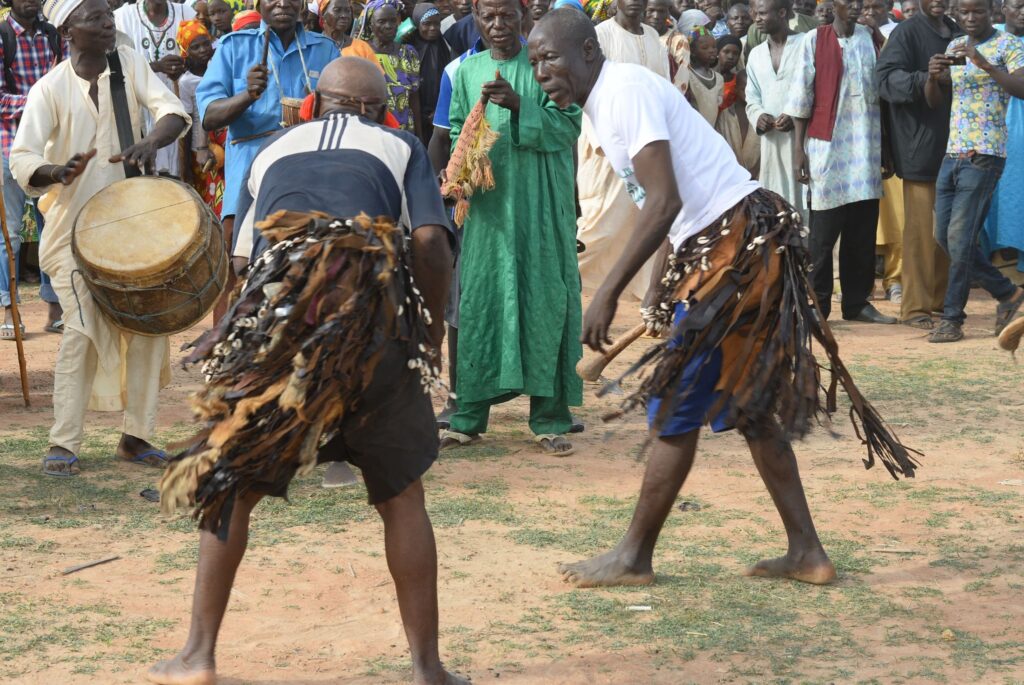
These events among the Zuru people often include: Traditional music, Dance performances and Community gatherings.
But more than celebrations festivals do teach young ones to stay connected to their origins and know where they are heading to and where they are coming from as well.
Social Structure and Community Life
Amongst Zuru people communal togetherness is held very high.
Key features of their social life: Respect for elders one of the key culture of Africans, Collective decision-making and Strong family ties.
The elders of the community are very respectable persons who help in settling disputes among the people. The society always uses to take in the wisdom of the elders and in every relation of mutual cooperation the help of the elders is most important. Because they believed that elders have seen yesterday and today. As they used to say, “Experience is a great teacher.”
“It is in such a culture that they are able to take care of themselves not as they progress in times of jubilation and farming season, but when any time comes when things is getting wrong,” the statement concluded. “In such culture, Zuru none go wait other one, it mean all person de de do it.”
Traditional Food of the Zuru People
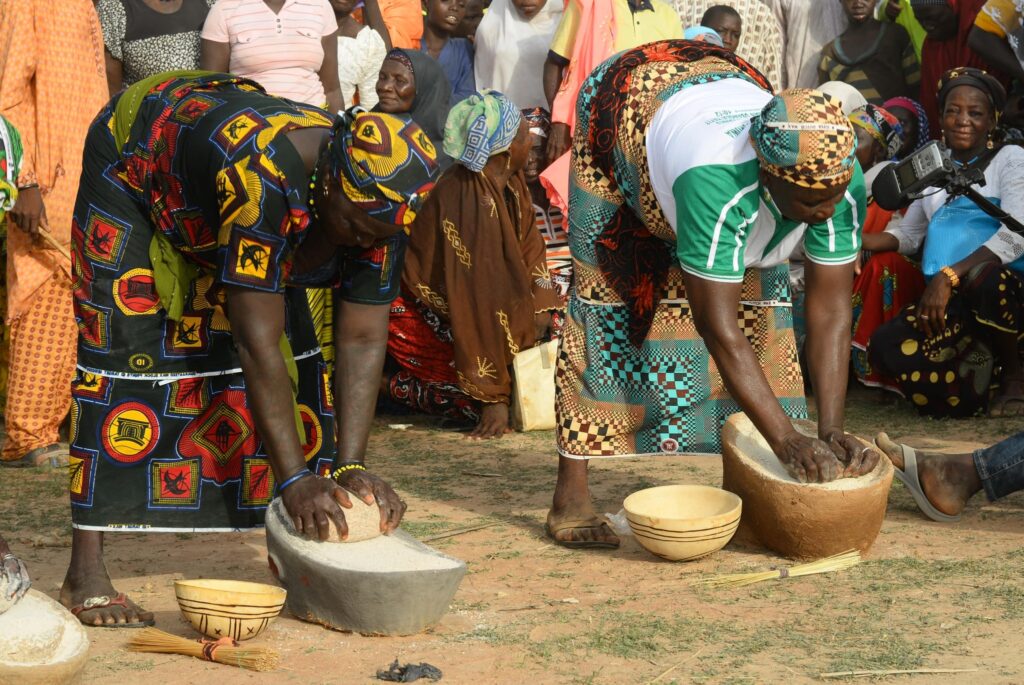
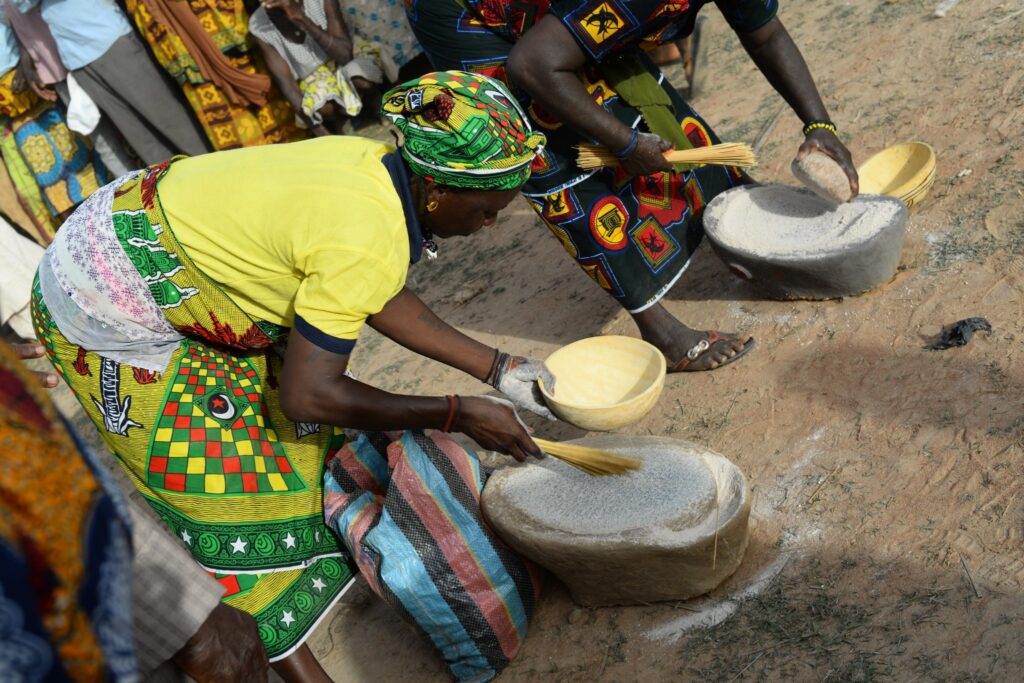
Food is an important part of the Zuru people’s culture and daily life. A culinary expression of their agrarian way of life and the region they inhabit.
Common foods include: Guinea corn (sorghum) meals, Millet-based dishes and Local soups made from vegetables and spices.
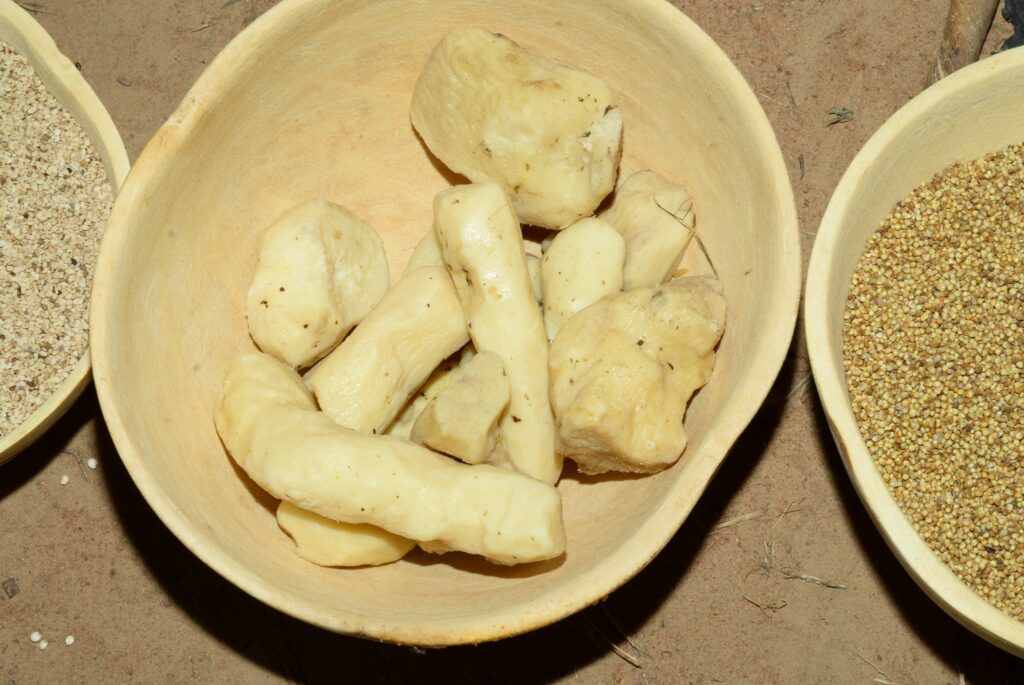
Maize, sorghum, millet or rice grain, depending on availability or availability/ preference of the producer, is normally taken with indigenous soup as miyan kubewa (okro soup) or miyan kuka (baobab leave soup).
Food-Related cultural significance Meals and Family Meals: Food represents the centre of the home or where family gatherings are often taken; Food served at functions and festivals; and Food made into dishes and treats prepared specially to serve on solemn or joyous days and occasions.
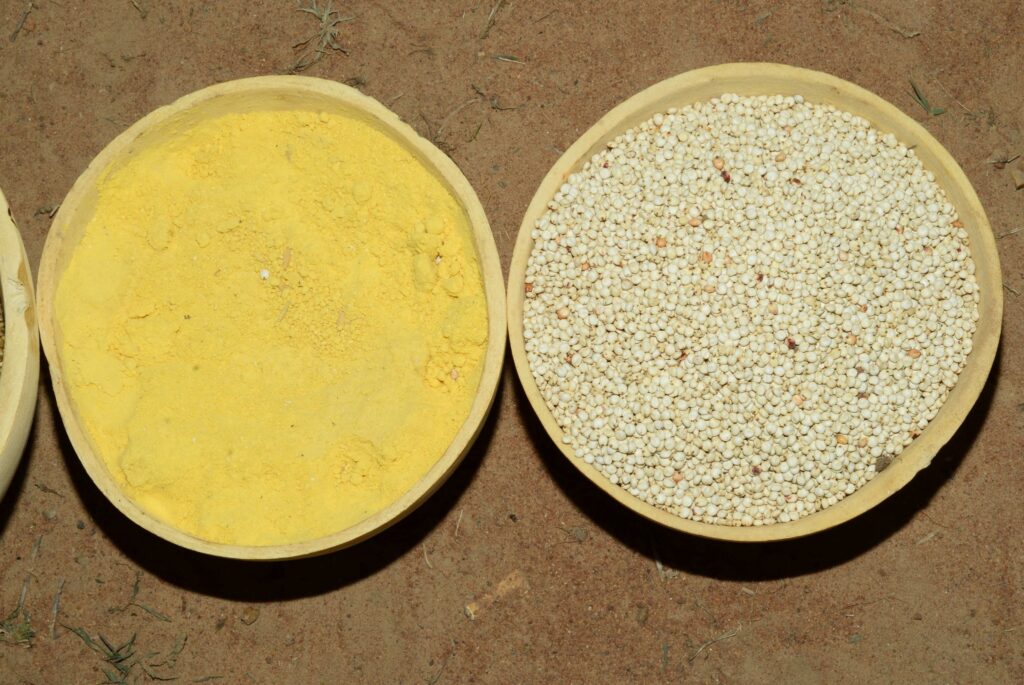
Agriculture plays a significant part of agriculture where crop production such as millet, maize and beans are harvested.
Occupation and Lifestyle
Most of the Zuru people are farmers. Though they are found in other security profession such as Soldiers, Police, etc. while some are still on other fields of endeavours.
Main activities: Agriculture, livestock and local trade.
Farming means an entire lifestyle as opposed to mere income generating activity Farming cycles may impact your daily schedules, cultural events and even social gatherings.
Zuru communities markets, is where individuals meet for transaction of and trading.
Marriage Traditions of the Zuru People
Marriage is one of the most important institutions among the Zuru people. It is not just the two individuals who gets united; it is also two families.
The Marriage Application
1. Introduction
First the groom’s family visit the bride’s family to ask for her hand.
2. Family Investigation
The two families ask each other questions on character and their match.
3.Bride Price
They also provide the bride’s family with gifts/bride price as token of appreciation to the bride’s family.
4. Traditional Ceremony
The wedding culminates with solemn rituals, blessings and rejoicings.
Marriage Celebrations
Marriage ceremonies among Zuru people is happy and colorful activities. Though it depends on the religion of the celebrants. But traditions are not forgotten in the eve of the preparations.
Features During Marriage Celebrations Include: Music and dancing, Traditional attire and Feasting and community participation.
Friends, family, guests and other community members also convene to join in the celebration making this a community effort.
Roles and Responsibilities in Marriage
Traditionally, in Zuru society : A husband should make a living, The wife makes a home in support of a husband’s living; and partners share in raising children.
Traditionally the man of the house has been solely providing but with current global and economic conditions that picture is changing; however it remains one of interdependence and support.
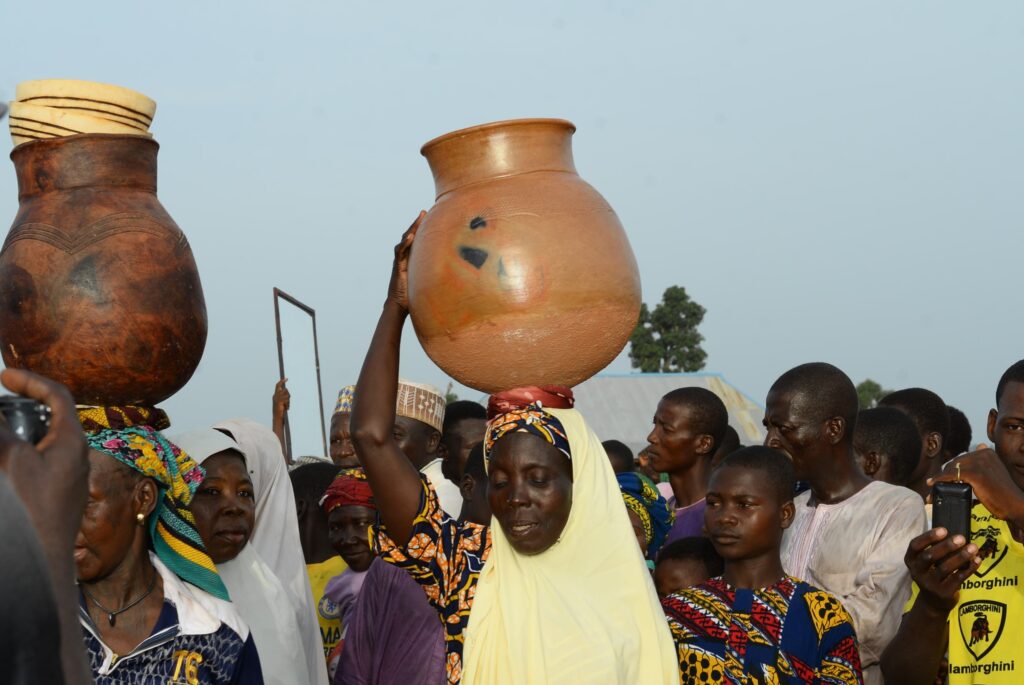
Children and Family Values
Children are respected very highly among the Zuru.
They Are Known To Be : a gift, A continuation of the family line and source of pride.
Following are things for the Parents to teach to their Children: Cultural values & traditions – Respect for human beings & other species and moral discipline.
Members of the larger or ‘extended’ family, are sometimes involved in the raising of the child, reinforcing community bonds.
Religion and Beliefs
“Nearly all African cultures have been influenced by Religion to one or the other. Globalization impact on how things are being done today and how it has contributed to loss of Traditions and Customs altogether in many parts of the African culture.
Religion of the Zuru People
The Zuru people practice a mix of religions, mainly: Islam – widely practiced across the region; Christianity – also common among many communities and Traditional African Religion – still present, especially in rural areas, but they are considered a minority in terms of religious practice.
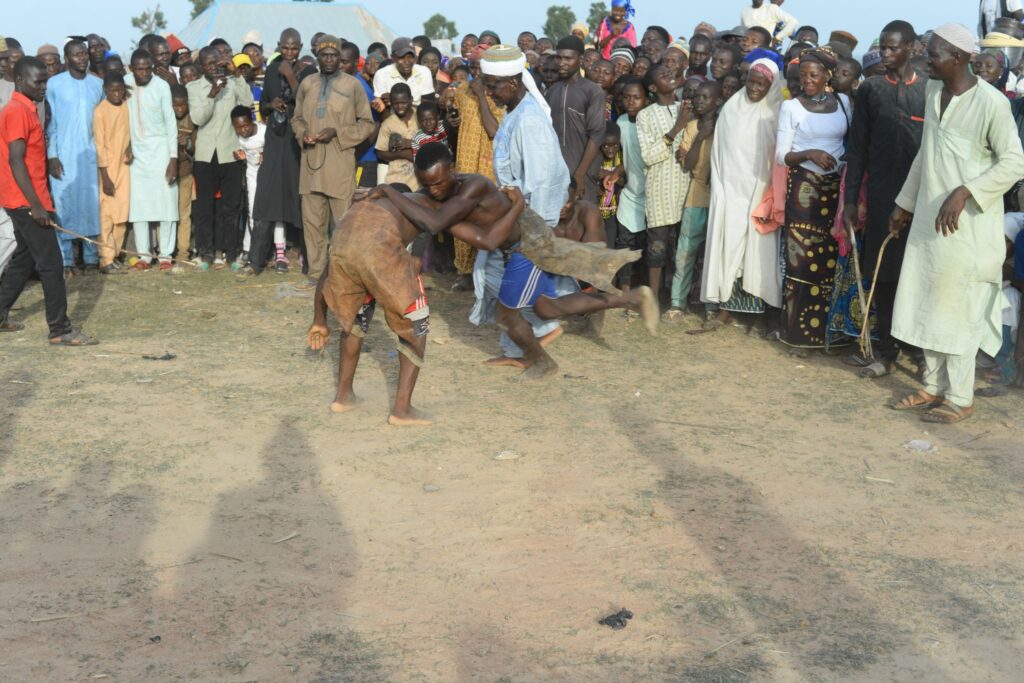
These traditional beliefs often include:
- Respect for ancestors
- Spiritual rituals
- Cultural ceremonies tied to nature and community life
Even with modern religions (Christians and Muslims), some traditional practices and beliefs continue to influence daily life and cultural practices of the Zuru people.
You Can Also Read: Argungu Fishing Festival in Kebbi State, Nigeria
With beliefs of religion which have spiritual concepts. Some religions incorporate some principles in their own morality.
Modern Influence and Cultural Preservation
Like other people of Nigeria, the Zuru is not immunes against advancement and progress.
In a world of education, technological development and town building everything is changing its way of life.
These are measures like: the use of traditional festivals, the revival and empowerment of cultural institutions and the promotion of cultural education.
Youngsters should also learn their background and integrate in todays world of technology etc since so, this society is to able to inherit its traditions in one generation to another and etc.
Why the Zuru Culture Matters
The Zuru culture is one of the most important aspects of Nigeria’s diversity.
It: Maintains historical significance and traditional character;; fosters local identity and a sense of community; supports and enhances local culture, traditions and values; attracts visitors (cultural tourism and generally) – brings people together.
Knowing Zuru people helps us understand the richness of Nigerian culture in general.
Conclusion
There’s no tale that can’t be told as far as the human race is concerned. The Zuru we discovered that a culture means so much more than dressing in costumes or dancing colorful festivals. Culture is the process by which an entire group remembers and cares for their dead and honors each phase of their life cycle while perpetuating the beliefs about life, tradition, and human dignity.
However, even as globalization remains a powerful factor driving development in many communities in Nigeria, the Zuru have not ceased to hold on to a number of their cultural heritage with a cautious approach to progress without necessarily foregoing all. What the Zuru experience tells us is that change does not need to have come at the sacrifice of uniqueness: rather, it may co-exist in the face of a peoples will to hold on to their cultural roots.
The people of Zuru have been yet another reminder of the amazing, unparalleled strength that Nigeria’s cultural diversity brings. There is always so much that we can learn from each and every tribe in Nigeria, so much so many rich, stories locked away in each unique tradition just waiting to be documented and passed on.
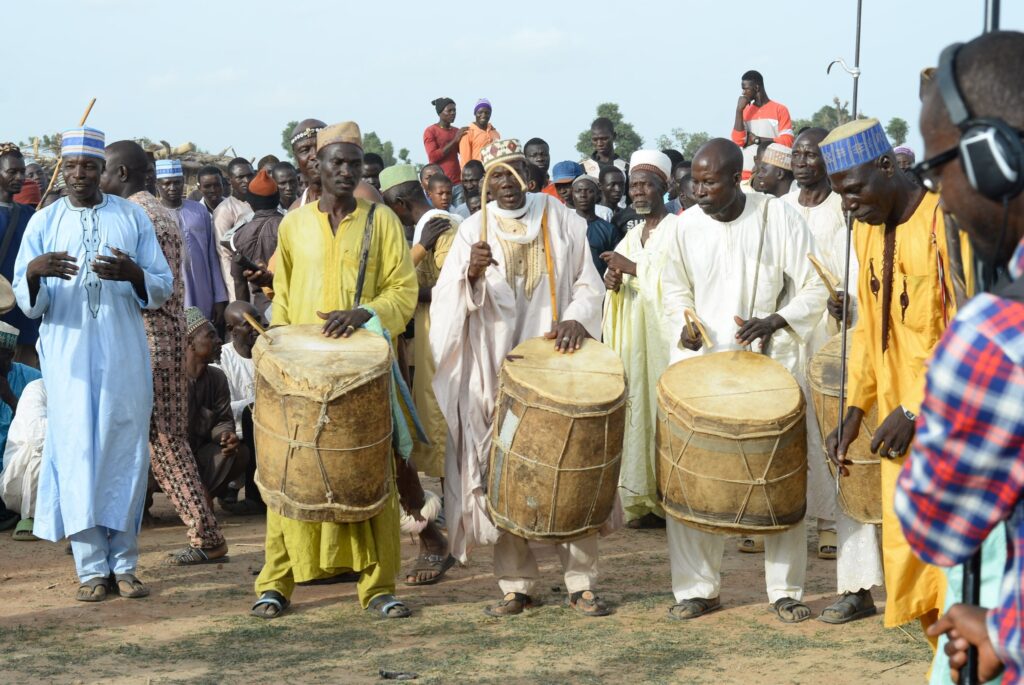
The Zuru people of Kebbi State are a strong, resilient and lively people who adapt and move on gracefully through life changes. And Nigerian cannot forget the Zuru people on how they contributed in their diverse institutions in Nigeria.
Their history, their close bonds with the community as well as their food traditions, and their ancient customs related to marriage are only a few ways culture is defined for Zuru people today.
This is not just a tale from the past but a living legend that will always continue to inspire all.
Hope you guys have got a little to know more about the Zuru people, please do share this guide with anyone you know. Feel free to check out other cultural stories right here on Kunzaar as we take you throughout Africa and around the world celebrating people, places and the stories behind all these different cultures.
If this guide is helpful then keep visiting our blog as keep promoting cultures and traditions of our heritage to the world. I think this will unite all of us, and bring progress where all and every one of us has so much deserved it as soon as possible when we give room to accommodate each other’s cultures and tradition.
About the Author & the Sources
Habila Ibrahim. A Cultural Researcher in Abuja. I tell these stories because we, Nigerians, deserve to recognize ourselves when we gaze into the mirror of the world.
To research and compile the article below I read a collection of historical documents, historical oral narratives, folkloric culture and written sources on Zuru people, a part of greater Zuru Emirate, kebbi state of Nigeria. Since much of Africa was passed on by word of mouth rather than document, I collated evidence from various resources so that, I can write, present them as an average, balanced picture to readers.
Some of the sources from which the following was derived include, but not limited to:;
– ‘The Zuru People,’ by Prince Amos K Bawa, 2014(This article delves into the background and origin of the Lelna people (commonly called the ‘Dakarkari’’) which covers the history, origin language and culture of the people.)
-‘Zuru People of North-West Nigeria ( Kebbi State): An Aspect of Lelna Cultural Heritage’ by Prince Bawa K Amos(This article goes deeper into an aspect of Lelna cultural heritage of Zuru people. It has more to do with the traditional attire of Lelna (Dakarkari) in Zuru)
-‘Historical writings and official reports concerning Zuru and Kebbi State’.
-‘Cultural studies and ethnographic analysis of the peoples of northern-west Nigeria’
‘Oral interviews with Zuru people’.
Here are public accessible sources about Zuru people in the north-west Nigeria.
As can be seen with some histories with indigenous roots, practices do sometimes shift, depending on which village or extended family is documenting the practices at any particular time. Therefore, if you are from Zuru, and find that there are elements here that should be corrected or explained in more detail, by all means drop me a note.