

By Habila Ibrahim, Abuja | Last Updated on October 2, 2026.
Introduction
When I think about the Zulu people, the first things that often come to mind are the powerful history of the Zulu Kingdom, the name of King Shaka, traditional dancing, colourful beadwork, and the strong sound of isiZulu being spoken.
But the story of the Zulu people is much bigger than the story of a warrior king.
It is a story of families, clans, cattle, language, music, ceremonies, religion, food, migration, conflict, survival and, perhaps most importantly, cultural identity.
The Zulus belong to the great groups of Nguni speakers in Southern Africa whose traditional home is strongly identified with the area of KwaZulu-Natal, in South Africa. Over time, Zulu communities have also become part of the wider urban and economic life of South Africa. IsiZulu is today one of the most popularly spoken languages in the country. According to Statistics South Africa, it is the most common language spoken in South African households, representing 24.4% of the South African population above the age of one year.
Writing about the Zulu people therefore requires more than repeating the familiar story of Shaka Zulu. They were around before Shaka, have witnessed the rise and fall of the Zulu Empire, have gone through colonialism and apartheid, and they still exist today in contemporary South Africa.
In this article, I want us to look at that story in a more personal way — from the origins of the Zulu people and the rise of their kingdom to their language, beliefs, food, marriage traditions, ceremonies and cultural life today.
Who Are the Zulu People?
The Zulu are a Southern African people belonging to the broader Nguni cultural and linguistic family.
The Nguni peoples include groups such as the Zulu, Xhosa, Swati and Ndebele. Their languages are related, although each community has its own history and identity. IsiZulu is a member of the Bantu language group, more specifically of the Nguni sub-group.
The name “Zulu” is also related with the Zulu royal family line. South African History Online records the tradition that Zulu was the name of an ancestor associated with the founding of the Zulu royal line around the seventeenth century. The word is related with the “sky” or “heaven” in isiZulu.
This is one reason I think it is important not to begin the history of the Zulu with Shaka. Shaka became the most famous figure in Zulu history, but the community and its ancestral traditions were already there before his reign.
The Early History of the Zulu People
Prior to the establishment of the Zulu kingdom which became very powerful, KwaZulu Natal was inhabited by many different groups and chiefdoms.
Zulu history developed within the wider history of the Nguni-speaking peoples of Southern Africa. These communities were not originally one large political kingdom. Instead, different chiefdoms had their own leaders, families, territories and networks of relationships. Cattle played an important role in their economy and social life, while farming, hunting and the use of natural resources supported everyday living.
Much of the early history of the region has been reconstructed through archaeology, linguistics and oral traditions because written records from the period are limited. South African History Online notes that much of what is known about the development of Zulu society comes from archaeological evidence, later European accounts and Zulu oral histories.
The source combination is important.
Oral history, especially, should not simply be dismissed because it was not written down. For many African societies, stories, praise poetry, genealogies and memories passed from one generation to another were important ways of preserving history.
The Zulu were therefore part of a much older regional history before the political transformation of the early nineteenth century.
The Rise of the Zulu Kingdom
The nineteenth century changed the history of the Zulu people dramatically.
The man at the centre of this transformation was Shaka kaSenzangakhona, commonly known as Shaka Zulu.
Shaka was born around 1787 and became king of the Zulu in 1816. He ruled until his assassination in 1828. In the course of those twelve years, he elevated the tiny Zulu chiefdom to a kingdom and incorporated several chiefdoms into the growing Zulu political system.
His rise was not simply about fighting.
Shaka reorganised the military system and developed methods of warfare that helped his forces operate more effectively. Young men from different parts of the expanding kingdom were organised into age-based military formations known as amabutho. They were not just military formations, but also came to be significant social institutions within the kingdom.
The expansion of the Zulu Kingdom was accompanied by warfare, conquest, displacement and the incorporation of conquered communities. So, while Shaka’s military achievements are remembered in many accounts, it is important to tell the whole story rather than presenting the period as nothing more than a heroic adventure.
In a rather brief time frame, the Zulu kingdom had developed into one of the most important political forces in southern Africa.
Shaka Zulu and His Legacy
There are few names in African history that have travelled as far as the name Shaka.
To some people, he represents military organisation and political leadership. To others, his reign is remembered together with the violence and displacement associated with the wars of the period.
Both aspects are part of the historical discussion.
Shaka was the son of Senzangakhona, ruler of the Zulu chiefdom, and Nandi. His early life was shaped by family and political circumstances that later became important in the stories told about him. Historical information about his childhood comes partly from oral traditions, which means that some details differ between accounts.
Shaka was murdered in 1828 by his two half-brothers, Dingane and Mhlangana, in cahoots with Mbopa. He was succeeded by Dingane.
His death did not end Zulu history. In fact, the Zulu monarchy continued through successive rulers and remained an important political force in the region.
Shaka still has a great influence on the Zulus.
His legacy is publicly commemorated at KwaDukuza, where the annual uMkhosi weLembe commemorates his life and legacy. In September 2026, KwaZulu-Natal communities again marked the occasion with traditional song, dance and cultural expression.
The Zulu Kingdom and European Expansion
The arrival and expansion of European colonial powers brought another major chapter to Zulu history.
European traders and settlers began to develop a stronger foothold in the area in the nineteenth century. During Shaka’s reign a settlement was established at what was to become Durban, known at the time as Port Natal. The contacts and trading relationships of Shaka’s kingdom are recorded in the historical record of the early European explorers.
Relations subsequently became more and more difficult.
The British expansion into Natal brought the Zulu Kingdom into direct conflict with British colonial interests.
This eventually led to the Anglo-Zulu War of 1879.
One of the best-known events of the war was the Battle of Isandlwana, where a Zulu army inflicted a major defeat on British forces. The war, however, came to an end with the defeat of the Zulu Kingdom.
Also Read: The History of Gbagyi People In Nigeria
The new political system that the British adopted after the war was dividing Zululand into various chiefdoms. The division weakened the political unity that had existed under the Zulu monarchy.
This era has remained very important to the Zulus because it was not only a battle, but also something else. It was also a struggle over land, political authority and independence.
Zulu People During Colonialism and Apartheid
The history of the Zulu people did not stop after the defeat of the kingdom.
The economic and political events that took place during the colonial period greatly affected the life of the Zulu family. Many men left rural areas to seek employment in mines, industries and growing cities.
Durban and other urban centres attracted increasing numbers of African workers.
Later, apartheid introduced a system of racial segregation that had an enormous impact on Zulu communities and other Black South Africans.
The apartheid regime established the homeland called KwaZulu, which was to be seen as a different political entity for the Zulus. This system restricted movement, separated families and reinforced the migrant-labour system. South African History Online documents how many Zulu workers lived and worked away from their families in urban and industrial centres.
This part of the story is important because modern Zulu identity cannot be understood only through pre-colonial traditions. The twentieth century also shaped the community.
The Zulu Language: isiZulu
Language is one of the strongest parts of Zulu cultural identity.
The language is called isiZulu.
It is a Nguni language and one of South Africa’s official languages. It is spoken not only in KwaZulu-Natal but also in other parts of South Africa, particularly in urban areas where people from different provinces live and work.
The Statistics South Africa Census of 2022 shows that 14,613,202 people spoke isiZulu most frequently at home. This is because the number is related to the language spoken at home and not the actual number of Zulus.
One of the most beautiful greetings one gets to hear when visiting isisiZulu-speaking areas is “Sawubona.”
It is widely used as a greeting where the literal meaning is “I see you.” Like greetings in many African cultures, it carries more than the simple act of saying hello. It opens a social relationship between the Zulu people.
Zulu history and values are also preserved through izibongo, or praise poetry.
Praise poetry has long been used to remember kings, leaders, families and people who achieved distinction. It can preserve names, events and memories in a way that makes history feel alive rather than distant.
Zulu Traditional Religion and Beliefs
Traditional Zulu beliefs have historically placed great importance on the relationship between people, the creator and the ancestors.
The concept of Umkhulumu, on the other hand, has been linked to the idea of a supreme god or creator God in most sources; however, the interpretation has changed over time especially with the influence of Christianity.
The ancestors, also referred to as amadlozi or amathongo, have equally been an important part of Zulu religion.
Traditional practices may include communication with ancestors, ritual ceremonies, offerings and the work of traditional healers or diviners.
However, it would be misleading to suggest that all Zulu people practise traditional religion in exactly the same way.
Christianity has now been adopted by most Zulus, and many Zulus consider themselves to be Christians. Even so, the conventional way of life and customs still persist to some degree. The South African History Online gives the definition of the mixture between Christian and ancestral beliefs in the Zulu religion.
For me, this is one of the interesting things about studying African cultures: traditions do not always disappear when a new religion or social system arrives. Sometimes people reinterpret, combine or continue parts of older traditions in new circumstances.
Zulu Culture, Music and Dance
If there is one part of Zulu culture that immediately captures attention, it is the combination of music, dance and traditional dress.
Zulu cultural performances often involve energetic movements, singing and rhythmic patterns.
Historically, dance has been connected with ceremonies, celebrations and important stages of life. Men can perform warrior dances, whereas women can also perform their own dances of a ceremonial nature.
Music and oral performance have also helped preserve history.
Zulu praise poetry, songs, stories and proverbs can communicate information about families, leaders, values and historical events. South African History Online notes the importance of singing, dancing, storytelling, praise poetry, crafts, pottery and beadwork in Zulu cultural life.
Zulu Traditional Clothing and Beadwork
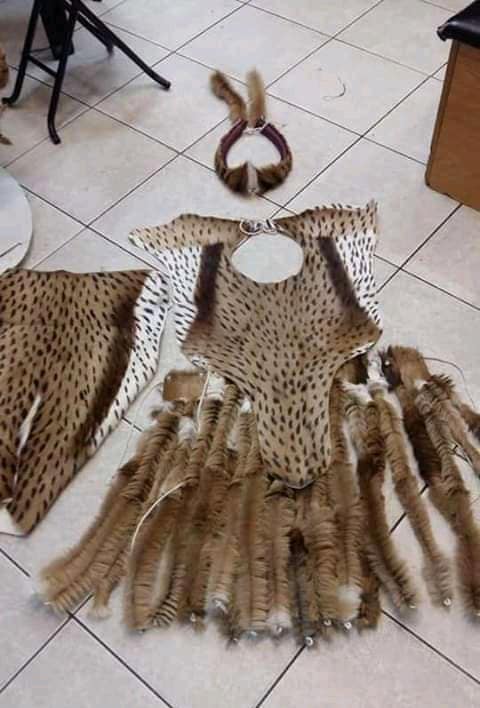
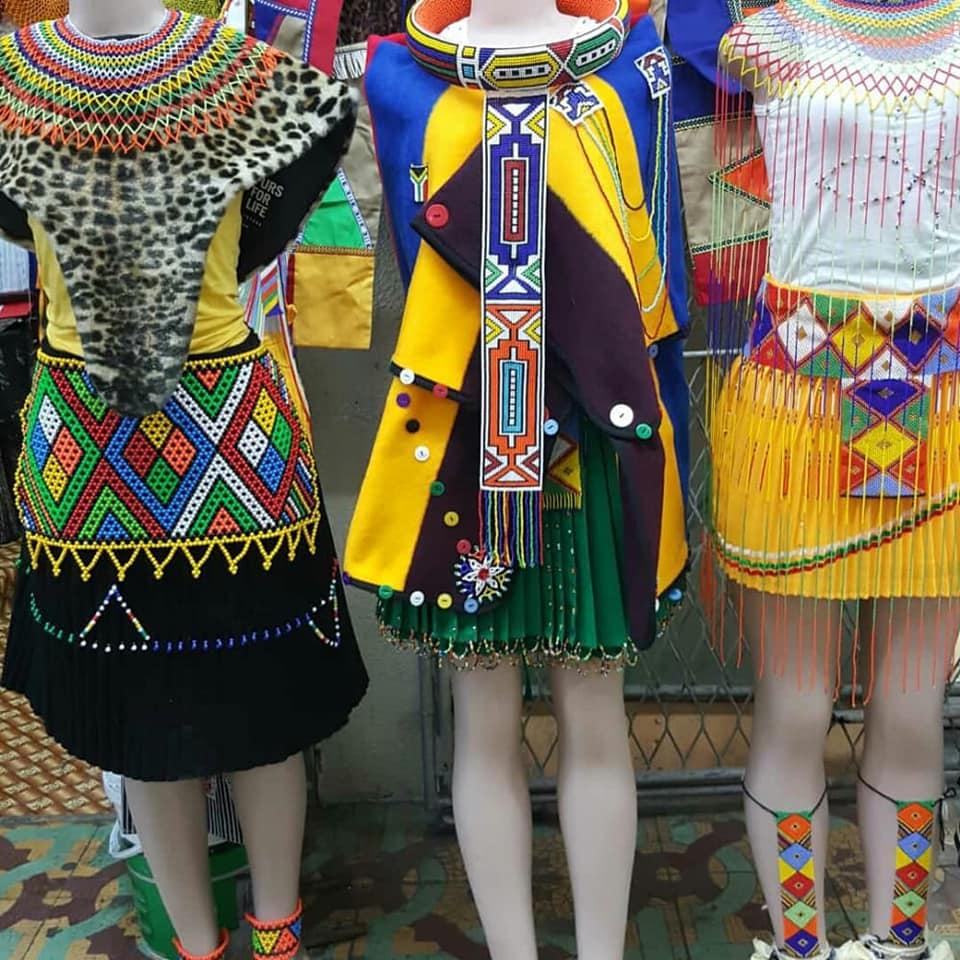
Traditional Zulu clothing varies according to age, gender, occasion, family tradition and the particular ceremony being observed.
It is particularly important in beadwork.
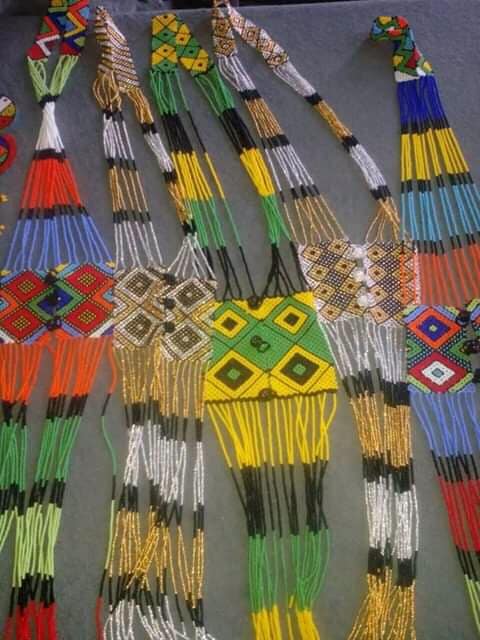
Zulu beading is characterised by colorful designs and systematic placement of beads. Necklaces, bracelets, belts and other decorative pieces can carry social or symbolic meanings.
Traditional clothing may also be worn during cultural celebrations and ceremonies, allowing people to publicly express their connection to Zulu heritage.
Fashions, in today’s world, do not merely reflect our everyday life style. They are also part of cultural festivals, weddings, heritage events and public celebrations.
Umemulo: A Zulu Coming-of-Age Tradition
Umemulo is an example of cultural ritual that is celebrated in Zulu society. The ritual has commonly been termed as rite of passage to adulthood.
The ceremony can involve family members, singing, dancing, traditional dress, gifts and other rituals. It may take different forms depending on the family or community.
It is therefore better not to describe umemulo as a ceremony that every Zulu person must undergo in exactly the same manner.
Like many African cultural traditions, it can change with time.
What remains important is the central idea of recognising a significant stage in a person’s life and bringing family and community together.
Marriage Among the Zulu People
Marriage has traditionally been much more than the union of two individuals in Zulu society.
It is also a relationship between families.
Lobola is one of the easily recognizable traditions of Zulu customary marriage that is also referred to as bridewealth. It involves negotiations between families and traditionally includes cattle, although money may also form part of contemporary arrangements.
The process can take time because marriage traditionally involves discussions between relatives, respect for family relationships and recognition of the union.
The wedding celebration may include music, dancing, traditional clothing, food and the exchange of gifts.
You Can Also Read: Bajju History And Origin Of Southern Kaduna Nigeria
In addition to that, traditional marriage among Zulus can involve ceremonies related to the ancestors and initiation of the wife into the husband’s family.
But there is not one type of wedding ceremony performed by all Zulu families. Modern Zulu weddings can combine traditional customs with Christian weddings, civil ceremonies and contemporary celebrations.
It is yet another illustration of the way culture keeps changing, although not necessarily giving up its identity in the process.
Zulu Traditional Food
Food gives us another simple way of understanding a culture.
Traditional Zulu food has historically depended heavily on crops such as maize, vegetables and other locally available foods.
Isijingi is one such traditional meal that is made from pumpkin and maize flour.
Uphuthu, a crumbly preparation of maize meal, is also widely known in South African cuisine and may be eaten with vegetables, beans, meat or fermented milk.
A commonly consumed food item in Zulu cuisine is amasi which is basically fermented milk.
Other foods which might be associated with Zulu cuisine are amadumbe, a root vegetable, and dumplings such as ujeqe and idombolo.
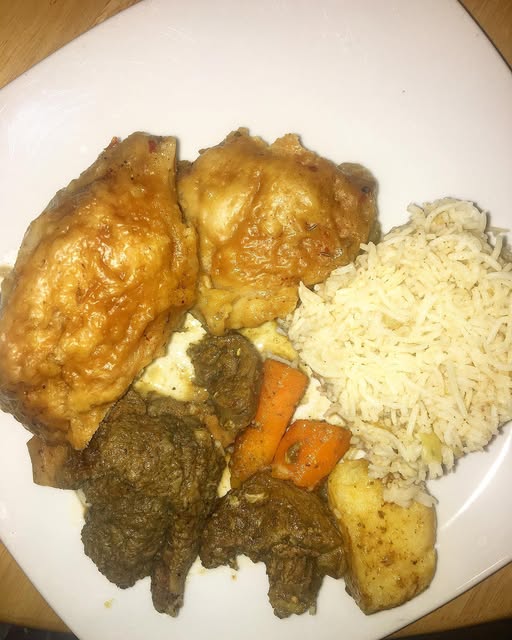
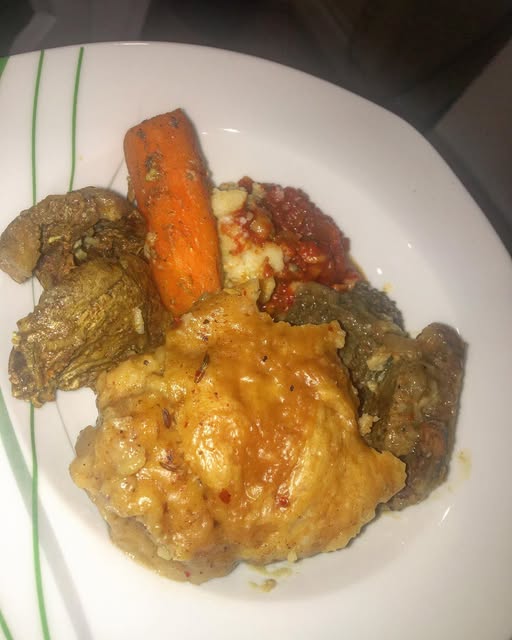
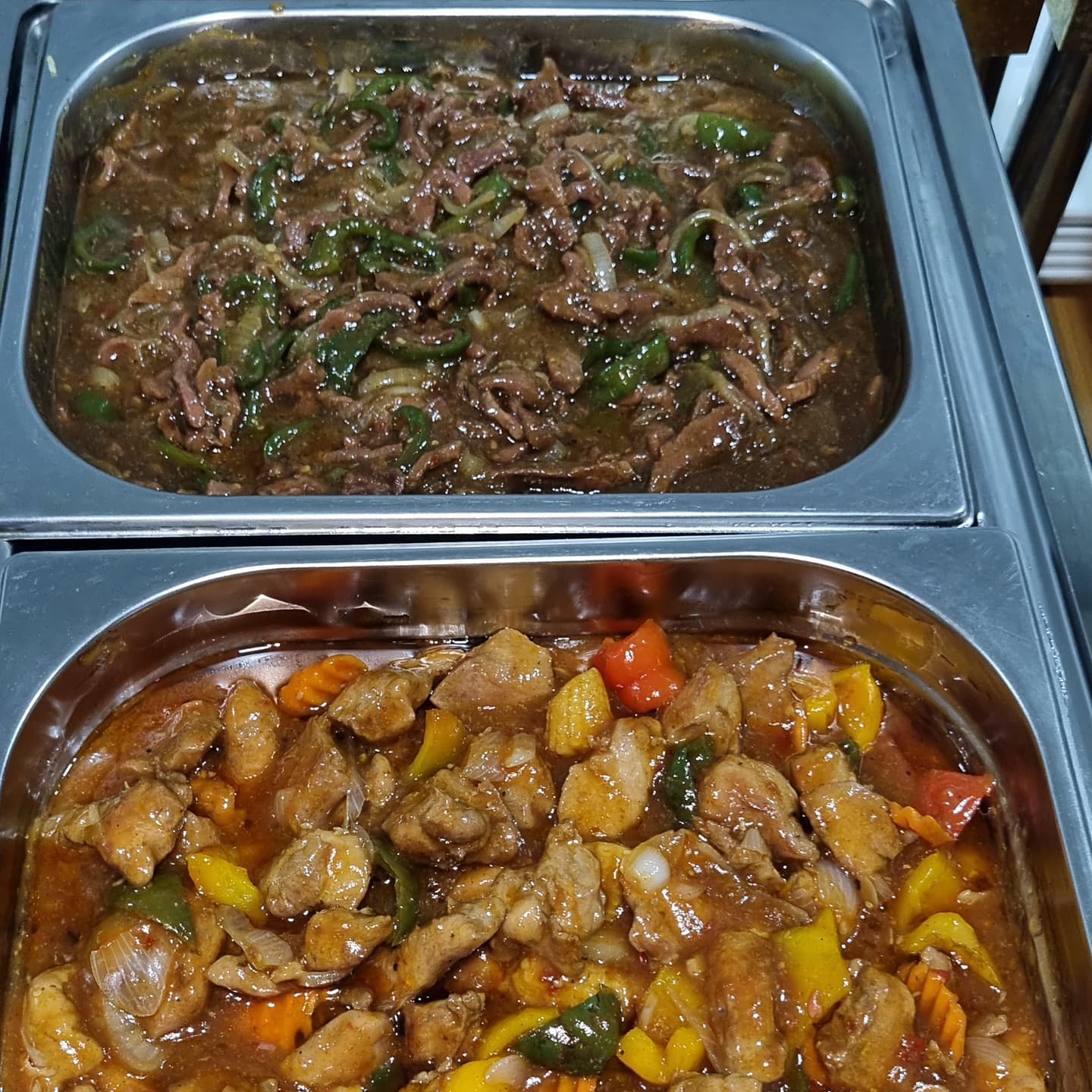

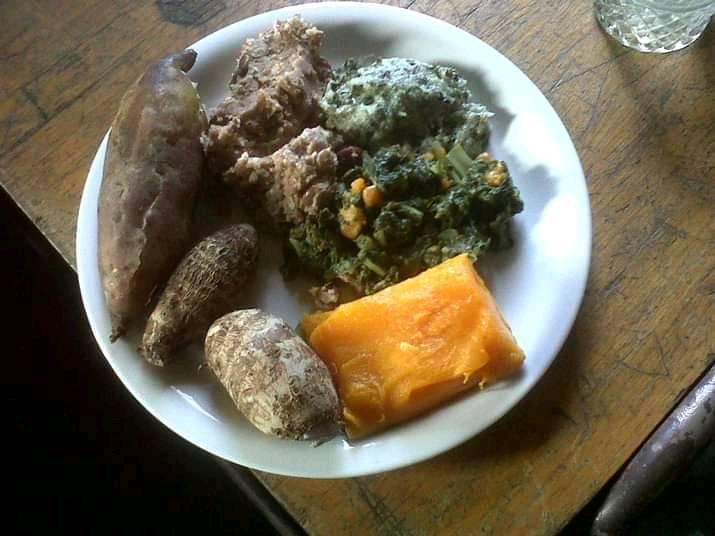

Maize meal was an important staple and the old Kunzaar article was correct in mentioning this, but the food section is improved by showing that Zulu cuisine is not just a list of dishes. Food is connected to agriculture, family life, hospitality and ceremonies.
Where are the Zulu people Found Today?
The historic heartland of the Zulu nation is KwaZulu-Natal, in southeastern South Africa.
But the Zulu people are not only found in rural KwaZulu-Natal.
Many live in cities and towns across South Africa, including Durban, Johannesburg, Pretoria and other urban centres. Migration for education, employment and family reasons has helped spread Zulu communities far beyond their historic rural areas.
The importance of isiZulu in South African public life also reflects this wider presence. In the 2022 Census, isiZulu was the most commonly spoken household language nationally.
Instead of giving a tentative list of countries and stating that all of them have large numbers of Zulus, it would be more accurate to define the Zulu as mainly a South African ethnic group whose diaspora has been formed by modern migration.
Zulu Heritage in the Modern World
The modern Zulu identity is not frozen in the nineteenth century.
Zulu people today work as teachers, farmers, business owners, artists, academics, journalists, politicians, athletes, religious leaders and professionals in many fields.
At the same time, traditional leadership, family ceremonies, music, language, praise poetry, food, clothing and cultural festivals continue to provide links with the past.
This is something that I find particularly fascinating when doing my research on African cultures.
Culture survives not simply because people repeat everything exactly as their ancestors did. It survives because people continue to find meaning in it.
Some customs change.
Some disappear.
Some are revived.
Others find new life in cities, churches, schools, festivals and social media.
The Zulu experience is a good example of this continuing process.
What Makes Zulu History Important?
Zulu history is important not because it is a story of war alone.
This makes it possible for us to study the effects of the transformation of communities into political units, the role of leadership in making history, how the kingdoms reacted to external stimuli, and the preservation of their identity in the midst of change.
The rise of the Zulu Kingdom under Shaka changed the political landscape of southeastern Africa. The Anglo-Zulu War later demonstrated the consequences of colonial expansion and resistance. Apartheid then reshaped where people lived and worked.
Yet through all these changes, language, family, music, oral tradition and cultural memory remained important.
That is perhaps the deeper story behind the famous image of the Zulu warrior.
Behind the warrior is a family.
Behind the kingdom are communities.
Behind the language are generations of people passing words from one generation to another.
And behind the ceremonies are memories that continue to connect the present with the past.
Conclusion
Zulu history has a lot to tell us, and King Shaka’s reign is just a small part of it.
Certainly, Shaka’s reign marked a watershed period. He transformed the small Zulu chiefdom into a powerful kingdom and left a legacy that is still discussed today. But the Zulu story began before him and continued long after his death.
The Zulu people experienced the rise of their kingdom, European expansion, the Anglo-Zulu War, colonial rule, apartheid and the enormous social changes of modern South Africa.
Through all of these periods, their cultural identity continued to evolve.
Their language called isiZulu is still one of the most commonly spoken languages in South Africa. Their songs and dances are still used in cultural events. Their beadwork and traditional clothing remain recognisable symbols of heritage. Family ceremonies, marriage traditions, food, praise poetry and ancestral memories continue to form part of cultural life, although the way they are practised differs from one family and generation to another.
For me, that is what makes the Zulu story worth telling.
It is not simply the story of a famous king or a famous battle. It is the story of a people who have experienced enormous changes and have continued to carry important parts of their identity with them.
In our exploration of the Zulus, it is made clear that there is no one history of Africa. It is made up of thousands of communities, languages, families and traditions.
And every one of those stories deserves to be told carefully, respectfully and honestly.
About the Author
Habila Ibrahim is a cultural writer and the author of articles published on Kunzaar, where he writes about African peoples, traditions, languages, history and cultural heritage. His interest is in documenting cultural stories in a simple and accessible way so that readers, especially younger generations, can learn about the traditions and histories of different communities.
Source and Research
This article was rewritten and substantially reorganised from the earlier Kunzaar article on the Zulu people, with historical and cultural details reviewed against reference materials including South African History Online, Statistics South Africa, and South African government cultural and historical information.
The aim is not to stereotype the Zulu people, but rather to give a brief introduction of their history and modern culture in an easy-to-read manner. If there are different traditions in different families or communities, then the article does not see any of the traditions as universal to all Zulus.
Review of Article by Kunzaar on “Zulu Tribe History.”
Primary reference materials consulted: South African History Online materials on the Zulu community, Zulu history and Shaka Zulu; Statistics South Africa Census 2022 language data; and South African government information concerning the commemoration of King Shaka.
This article really breaks down the essentials for newcomers. It’s amazing how tools like Lovart AI Design Agent are making creative workflows more intuitive and accessible to all skill levels.