
By Habila Ibrahim, Abuja | Last Updated on 26th July, 2026.
Introduction
I have always been fascinated by ritual. We have kola ceremonies in Nigeria, palm wine pourings and the quiet beauty of pouring ogi for our elders.
In Japan they have something called Chanoyu, also know as the tea ceremony. It’s not just about drinking green tea. It is about wabi-sabi (accepting imperfection), ma (the space between things), and being present with strangers.
Let’s step into that tatami room and see what the Japanese tea ceremony teaches us.
Someone will be thinking about this topic, tea that is taken normally what bring about the celebration about tea? To answer this and many more insight, follow us to the end and you will have something to know and celebrate too.
Also Read: Cultural Similarities Between Africa and Asia: Traditions That Connect Two Continents
Now, our Cultural voyage took us to Japan, one of the industrious countries if not the giant of industrious in Asia to see for ourselves how Tea ceremony is celebrated and the cultural implication for us to know and be enlighten.
The culture that has taught the rest of the world how to pause and be, how to celebrate simplicity in the hustle and bustle, is the Japanese tea ceremony- a ritualistic art of preparing and sharing tea that is far more profound than just quenching your thirst.
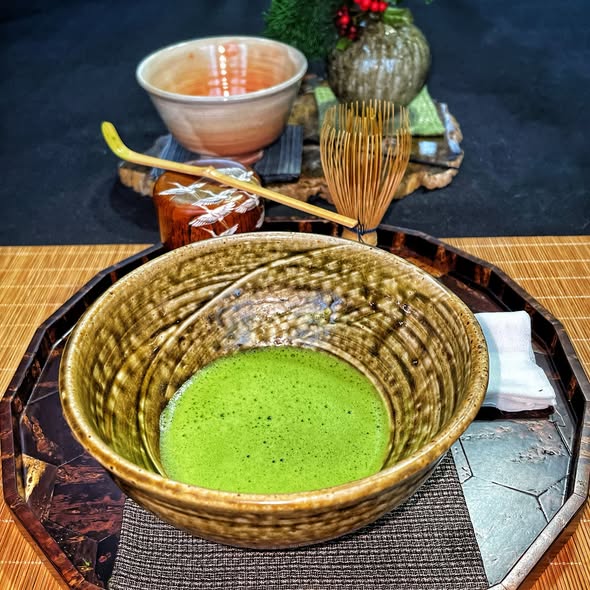
The tea ceremony or Chanoyu in Japan is much more than simply a way to make tea; it is an art form, a philosophy, and a spiritual experience rolled into one. It also embodies the philosophy and principles behind Japanese culture, such as: discipline, discipline and focus, hospitality and respect for guests, aesthetic perception, awareness and mindful of your environment.
This article delves into Japanese tea ceremony and its cultural importance and why this silent ritual still motivates people worldwide who are trying their best to be a part of it.
The Origin of the Japanese Tea Ceremony
The roots of the Japanese tea ceremony dated back some centuries ago around the 9th century, and it was started when tea was first introduced to Japan from China. But the tradition was not to develop into the highly civilized ceremony that it has become only in the 15th and 16th centuries.
Another major influence on the tea ceremony was the tea master Sen no Rikyu, who advocated an ideal of simplicity, humbleness and mindfulness. He changed the tea ceremony from one that was used as a demonstration of wealth and social standing to a quiet and meditative practice that sought a higher purpose: to achieve an inner calm that helped to cultivate humane relations.
What Is It About The Japanese Tea Ceremony?
The tea ceremony is an intricate ceremony for serving a bowl of powdered green tea called matchya to a guest.
But it is much more than that it is: A form of artistic expression, A spiritual discipline and A cultural tradition rooted in respect and harmony.
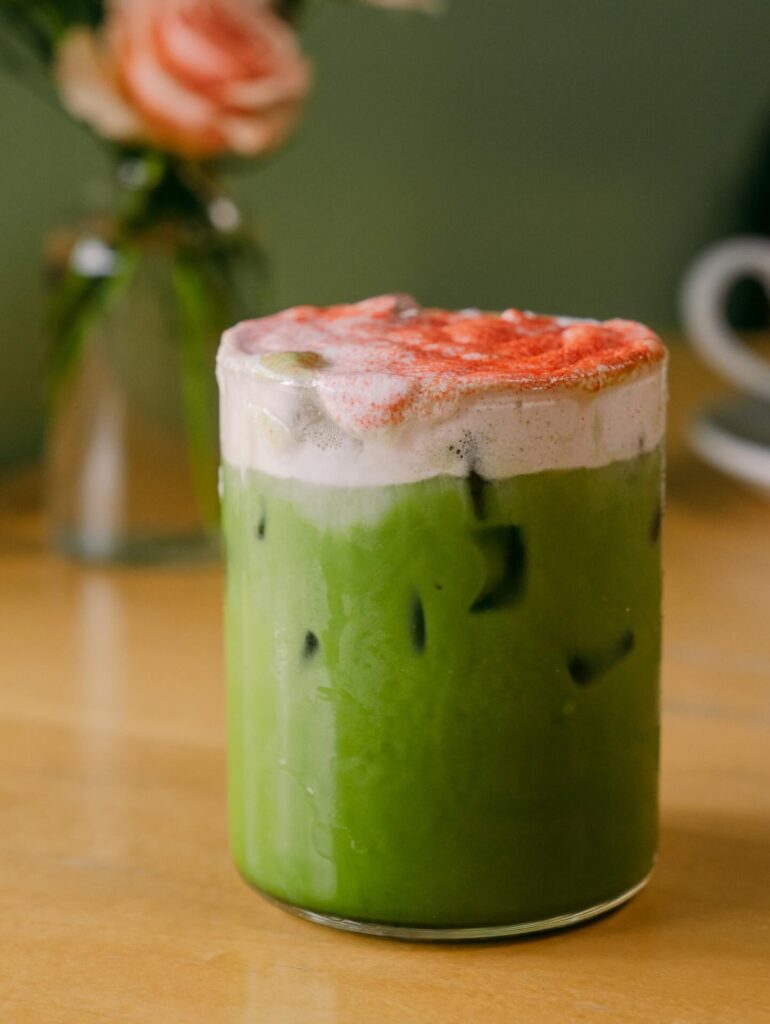
Every thing is purposeful and consciously done. From the way the tea is brewed to the way it is poured.
If that is the case it is not the actual tea, it is all about the process.
The Philosophy Behind the Tea Ceremony
At the center of the Japanese tea ceremony lies four central principles that are as follows:
1. Harmony (Wa)
These depict the association between human beings, the environment and the nature.
2. Respect (Kei)
All around them people would all love one another irrespective of what people around could be at the moment of need in the society.
3. Purity (Sei)
Purity – it can be on the body or on the spirit – is needed.
4.Tranquility (Jaku)
In the end what we desire most is an attitude of inner peace and tranquility.
The wedding ceremony is in large part an illustration of all of the concepts and ideals that are most honored in Japanese society.
The Tea Room Setting
The tea ceremony traditionally held in a special, traditional teahouse which is planned to reflect serenity and simplicity. You need to need it yourself.
Some Features of the Tea Room: Minimal decoration, Natural materials like wood and bamboo and A scroll or flower arrangement for seasonal expression.ng humility and equality.
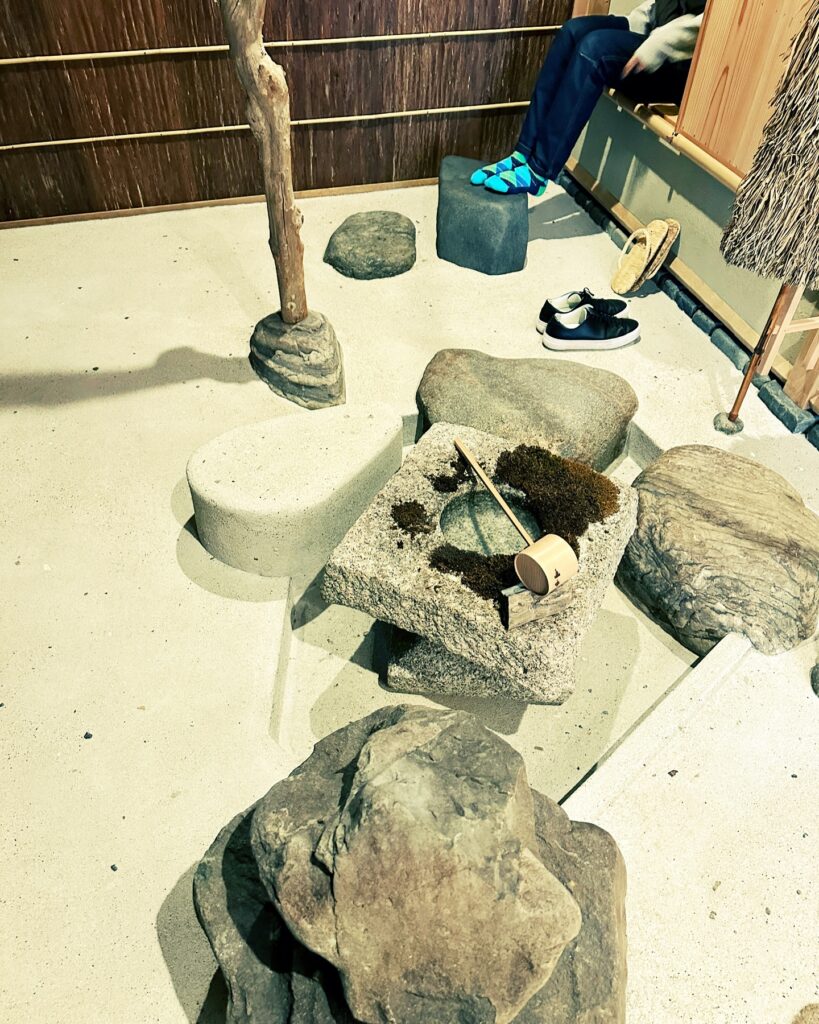
There is something about the way guests often come into this Tea Room through a little door that is symbolic of humility and equality.
Outside the tea room the world outside is forgotten.
The Process of the Tea Ceremony
A series of movements are made with strict, yet fluid precision.
Important Steps In The Tea Ceremony Are:
1. Setting the stage – The hosts professionally clean, declutter, and staged their homes.
2. Welcoming the guests – The clients who visits the firm are attended with humility and solemn regard.
3. Purification – the hands are washed and so are the mind of the guests. The person who is serving washes his/her hands.
4. Preparation of tea – The matcha is then prepared by the host with specialized tools.
5.Serving of tea – with great care the host offers and the guest receive the tea.
6. Appreciation – the utensils make guests impressed & will praise the guests.
Practice to bring patience to every action that you carry out each step at time in a very slow motion paying full attention.
Cultural Symbolism of the Ceremony
In the tea ceremony even small actions hold significance.
Tea utensils
We have been looking at them; the bowl, whisk, scoop that we are each using, with special consideration to their histories and artistic merit.
Seasonal awareness
We choose decorative materials and blend in tea that suits this season to host.
Silence and stillness
Times of stillness that enable participants to turn inward and be with their thoughts or their breath.
In other words, let’s just learn from her a bit about the virtue in simplicity and care in beauty from her service.
The Role of Nature
Nature the other most significant element of a tea ceremony. The decoration, furniture in the tea room or the timing can be determined by the seasons.
E.G: spring maybe used to represent cherry blossom falling, and autumn with fall leaves.
That link to nature also signifies great respect for the nature a really prevalent value in Japanese culture.
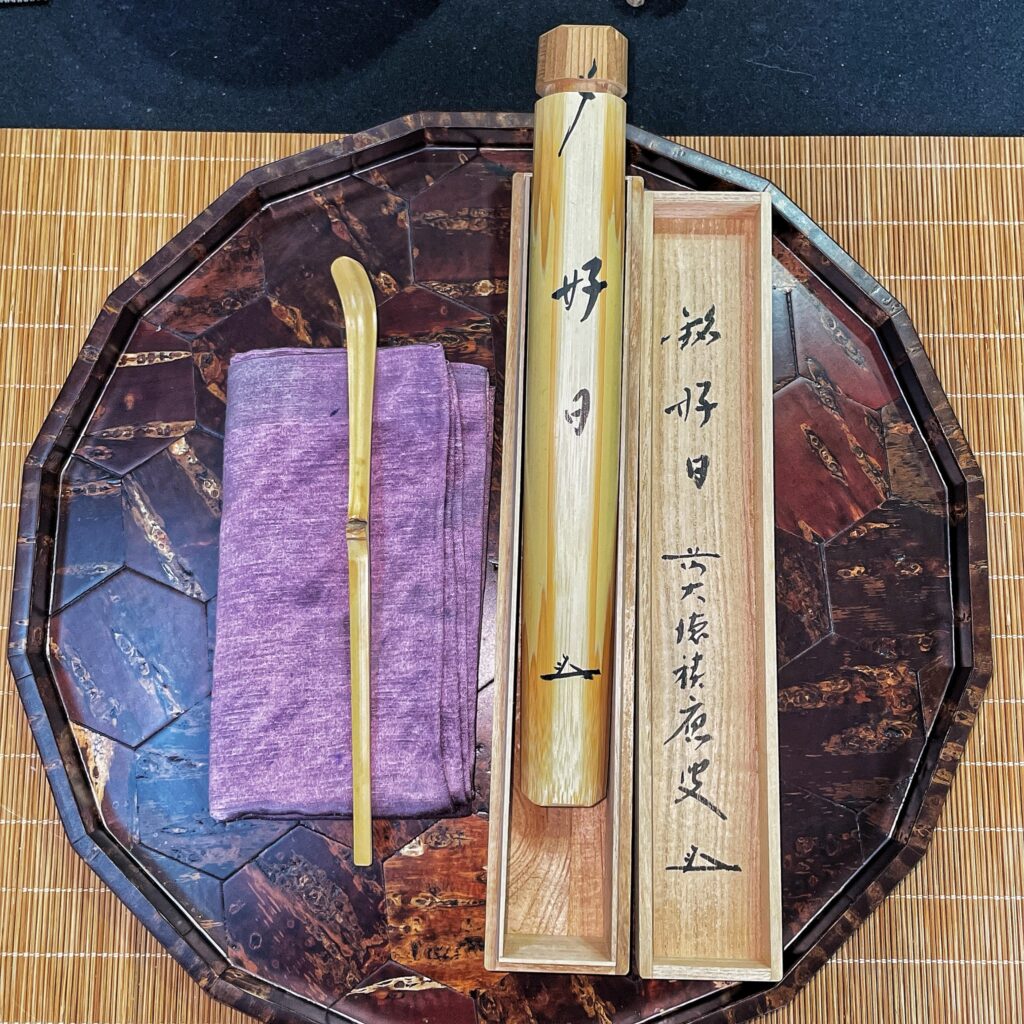
Social and Cultural Importance
Tea ceremony in addition to being a personal ritual It is also a socialize and a cultural activity Because it Strengthens relations between partners, children and teachers Teach us restraint and respect to others and Conserving our cultural values.
Attendees teach patience, humility, and present moment awareness to each other and to themselves.
Influence Beyond Japan
Japanese tea ceremony was to achieve international notoriety and influence.
They have been coming to Japan from the ends of the world just to see. They don’t want to hear or to be told how the celebration is been celebrated.
You Can Also Read: Kebbawa People of Argungu: History, Culture, Festival & Traditions
It has also inspired: Mindfulness practices, Minimalist lifestyles and Cultural appreciation worldwide.
The message of this wonderful little play is universal: Take your time and enjoy it!
Tea Ceremony in Modern Times
But of course not in the modern days that technology is running the society that can go in very fast. The tea ceremony has still gained relevance even to date.
Many Japanese people still practise in order to: Have contact with the traditional, Create inner peace and Feel relaxed from daily stress.
Even younger folks are learning the method so the process won’t pass into obscurity.
Lessons from the Japanese Tea Ceremony
Lessons learned from the ceremony, applicable for the general living of everyday: Pay attention to the now; Instead of racing in life and missing it. Appreciating the simplicity; In all simplicity we can find great joy. With utmost care, politeness and modesty to others; Do always pay attention to the fellow you are serving.
Peace; allow yourself space for the moment you’re present.
Compare With Other Culture : Although Japanese tea culture exists for them only ,still we can observe Some part of this ritual process exists in the world with few of other cultures too.
Here are a couple more: Many African societies In many African traditional societies Hospitality is prized, Strangers are well received And there’s a great community spirit and strong fellowship.
Here it illustrates how around the world various and similar traditions or cultures share common values through varied cultural backgrounds or styles of manifestation.
Conclusion
For in the Japanese Tea Ceremony it’s certainly not just a mere ritual, it represents a manner of living which remains unchanged with time. Founded upon its culture of religion and spiritual values it’s followed by philosophy and acted upon the basis of few, well performed elements.
It helps in reminding to pause, to be present and to look at beauty amidst the clutter, noise and bustle.
Though, someone will be thinking of another thing rather than normal drinking tea but this one is a special way of celebrating Tea which has been some decades ago.
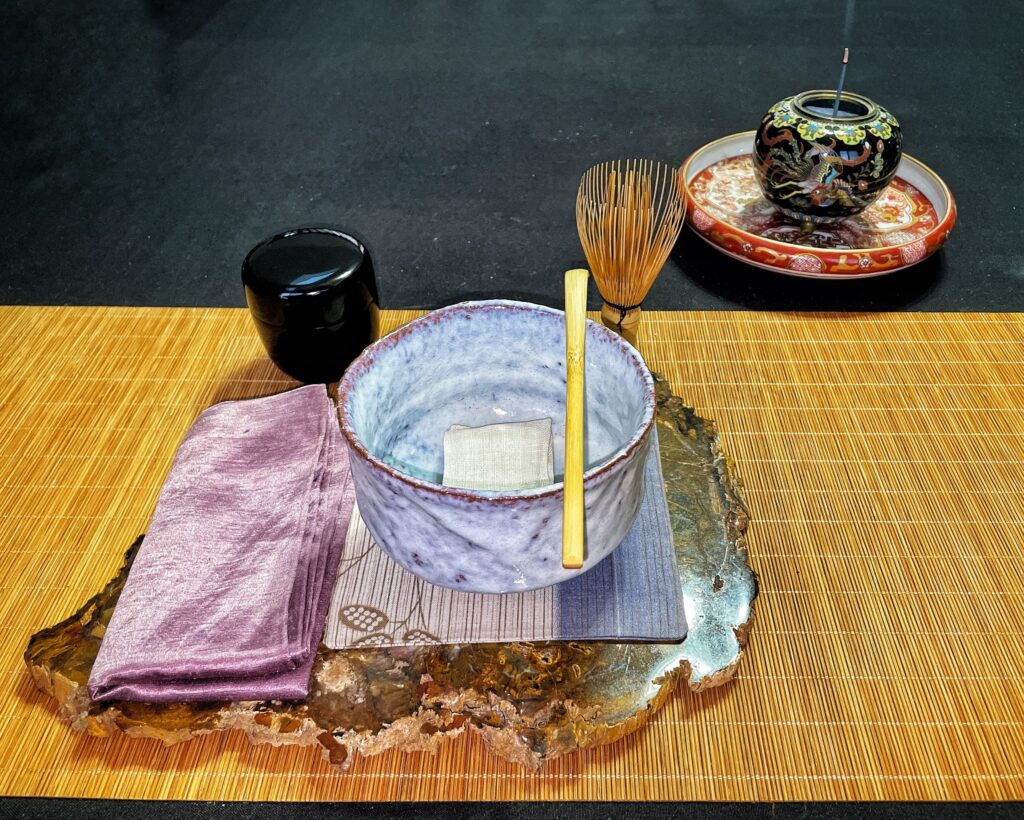
There are times that the most simplest moments meant the most for you and I.
Hope this is helpful? Keep visiting our blog for this and many cultures and traditions articles for you as our visitors. And those are who is on the side of our culture.
The tea ceremony taught me something Nigerian too: the sacred is in the details.
Be it temae motions in Kyoto or serving palm wine to an Elder in Enugu it always means same thing slow down and be present in the moment.
If you’ve ever been to a Japanese tea house or a Nigerian kola ceremony, tell me — what did you feel? I do love to hear it.
türkiye’nin en iyi req bet, escort hit botu. alanında bir numara. Rakipsiz, dünyanın en iyi escort ve bet hit botu. kafaya alan ücretsiz bet escort hit botu. https://www.r10hitbotu.com/ https://www.r10hitbotu.com/ https://www.r10hitbotu.com/ [zhxtvhakhxqjmnxybi]