
By Habila Ibrahim, Abuja | Last Updated on August 3, 2026.
Introduction
In my childhood, words that commonly came to mind when ‘Africa’ was mentioned were wildlife, great landscapes and ancient history. However, on the face of it this is clearly not one which may be understood, only perhaps at face value. The more I understood, the more I conversed with people of diverse backgrounds, the more I understood Africa could not be summarised into a sentence or two. I have seen that each people, each group, each clan has a tale.
The one thing that has come into my appreciation however is that one cannot simply read about African culture in a book. Instead it is enjoyed through the warm hospitality of family you experience colourful celebration you hear authentic rhythms you delight in a traditional delicacy and you witness levels of respect unsurpassed in anything you may have otherwise expected!
If you are African, planning to visit Africa, researching its traditions or just curious about its people, knowing its cultures opens the door to seeing the continent from a totally different perspective.
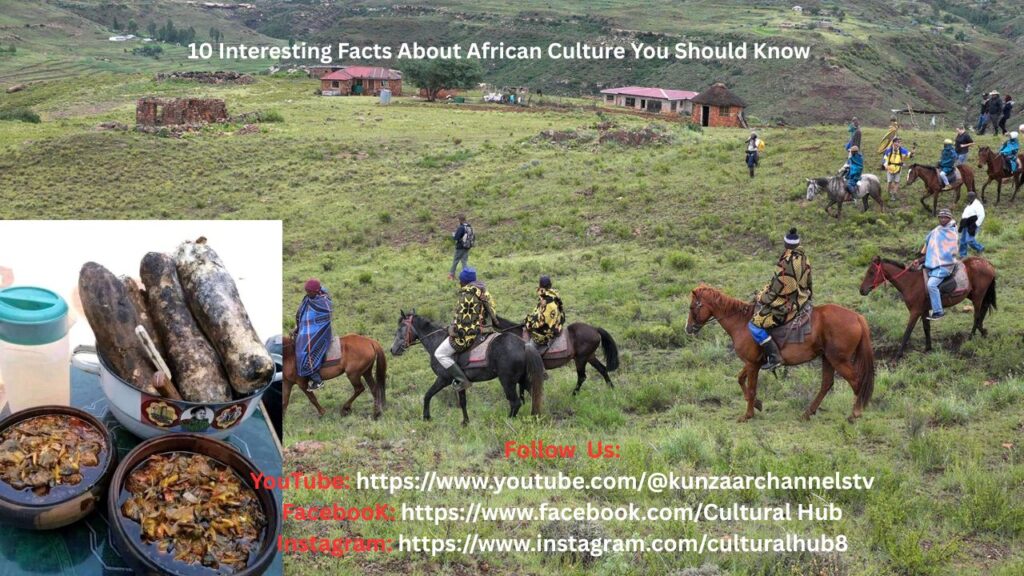
In this article, I will share with you 10 awe-inspiring African culture that have kept inspiring millions world wide. These are not just facts, but elements of a living heritage that has been handed down through the generations and continues to develop with the times.
The world calls Africa the cradle of civilization but there’s a more intriguing story to be heard beyond its past – its culture. A culture that is both rich and diverse; a land where traditions are deeply entrenched in its very existence; Africa’s culture is not a one’s man story it’s a compilation of thousands upon thousands of distinct societies, people and forms of existence.
Also Read: Cultural Similarities Between Africa and Asia
And in these ways as well, as in everything from the layout of families to the way they mark the various occasions in life, African culture continues to affect the continent itself and much of the rest of the planet as well.
Below are 10 most surprising facts about African culture which will demonstrate how significant it really is:
1. Africa Is Not One Culture
A number of African misconceptions include how it appears to all be part of one culture, in reality however the African cultures traditions and festivals are extremely diverse.
The Africa consists of more than fifty (50) countries, and these countries are endowed with unique customs, practices and languages. For example Nigerian cultures of various ethnic groups have very strong differences from Kenyan or South African ones.
What this means is that: There are thousands of ethnic groups in Africa; Each group has unique traditions, culture and a set aside date for their festivals and Cultural practices vary widely.
The power of diversity of Africa.
2. Family Comes Before Everything
One thing that African are not taking it for granted is that, in many African societies, family is the center of life.
Whereas Western cultures pride themselves on being Independent, African culture’s value includes, Togetherness, Support and Shared responsibilities.
Parents, as well as kids, are not usually the only inhabitants in your family home; your grandma and grandpa, cousins, uncles as well as aunties also contribute to extending your loved ones considerably.
The concept behind it all… no man stands alone.
3. Respect for Elders Is a Core Value
Reverence for parents/elders has always been part of our African way of life and is still practised in many societies across the continent.
Who do Elders represent as: Sources of wise counsel, Traditional guardians and Decision-makers.
Younger people are taught to:
- Greet elders respectfully by squirting, bending, prostrating, etc depending on the tribe ways of greeting.
- Listen when elders speak meaning, You do not talk when an elderly person is talking.
- Get some help. When you need it.
According to traditional customs in most African societies you earn your stripes for the longer you are old in your family, the more honor you will gain with time.
4. Africa Has Over 2,000 Languages
Africa has some of the richest and most complex variety of languages in the world.
“For instance, the country of Nigeria itself has hundreds, more than 500 languages, among different tribal people”.
Why is this important. Language reveals identity – and it safeguards the tradition, culture, history and personal link to people with its community and heritage.
All languages have a story.
5. Marriage Is A Community Effort
In the African culture, marriage goes beyond the joining of two persons.
Common practices: Family introductions, Payment of bride price and Traditional ceremonies.
By marriage strengthens the unions between two families & connection to ancestors is preserved.
It is a personal and community one.
6. Food is a Cultural Experience
Food for us in Africa is a lifestyle.
Often the meals:- Are Shared between family-members, are Prepared using natural, are Prescribed by a traditional rite of passage, will be linked to a special, significant event or festival of which will be associated with local communities or the greater region.

It ranged all the way from jollof in Nigeria to Ethiopian injera with every dish holding cultural significance.
It’s at the same time a personal commitment and also a social kind of thing.
7. Festivals are a big part of life
The celebration of life in African cultures is seen as festivals.
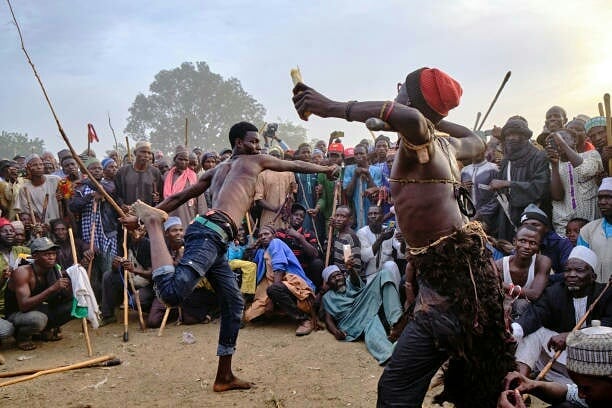
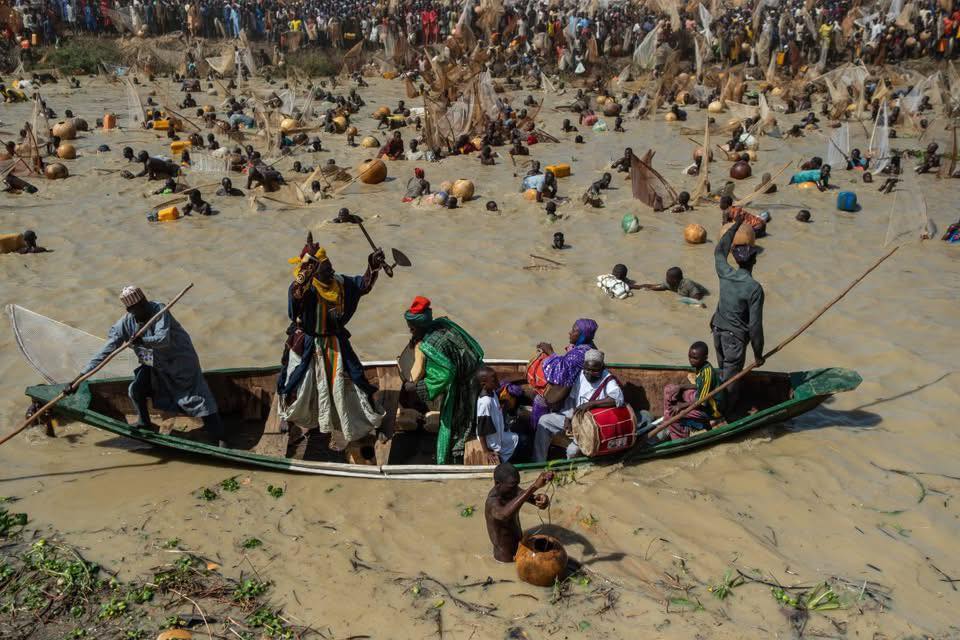
The Durbar Festival, Sayawa’s Lhm Zaar, The New Yam Festival and the Argungu Fishing Festival demonstrate culture, music, and spirit.
Festivals often include: Dance and music, Traditional clothing and Rituals and ceremonies.
Festivals always and in each country serve as an origin for cultural revival.
8. Spirituality Is Deeply Rooted
Religion or spirituality are important influences on the life of Africans.
Many Africans practice these religions listed below: Christianity, Islam and Traditional African religions.
The older concepts of faith-honouring the ancestors-are to be even seen sometimes today.
We see life from its material as well as spiritual side.
9. Community Living Is Strong
I tend to talk a big talk about culture as an idea about community rather than of individuals.
Here’s a few typical ways how these guys would: People also have tend to Assist friends or a neighbour when in need Offer assets and Take part in activities around your local area.
This brings very powerful feeling of ownership & oneness.
We feel like one big family in the community.
10. Traditions Are Passed Down Through Generations
Storytelling, practices and ceremonies, however, keep African culture alive.
Elders teach younger generations: Cultural values, History & origin and Moral lessons.
The people have managed to preserve the culture by celebration of cultural festival even in this modernize days of the cities. Some even traveled back home during festivals just to celebrate the festival with the loved ones.
That it has not faded into history and in fact been kept alive, in every single one of us sharing it all together.
Why African Culture Matters Globally
So here goes. African culture has contributed in myriad ways the world around, some of the few are: Music & dance, Food, Fashions, Clothing and spiritual beliefs.
Africa makes its impression to world culture not to mention its music not to mention, fashion as well and Africa’s rich cultural value will remain on top of the world.
Tradition Meets Modern Life
Now Africa today, is changing very fast. What was used to tag Africa as: “Left behind” before in Africa, now technology, education, and urbanization are changing lifestyles. Of course, our culture holds on for a good number of rounds of toasts. Thanks to those who have contributed immensely in the awareness and development of Africa and those that carried African along the way to strive.
To that, many Africans now: Blend modern life with tradition; Celebrate both cultural; and contemporary events and Maintain strong family & community ties.
And it’s this balancing “act that keep cultures vital, meaningful and alive”.
Conclusion
I continue to discover that more I learn about Africa and I understand its biggest treasury not in shiny gold, shining diamonds or spectacular mountains with endless horizons – it’s hidden in the hearts and spirits of her people.
With each tongue spoken, feast shared, ritual performed and yarn spun we are reacquainted with the essence of culture which shapes the African person’s unique individuality. Although the pace of modern life has revolutionized many African livelihoods, tradition, family values, neighbourliness and respect remain corner stones on the continent.
Indeed,10 facts just never completely reflect the diversity of African culture and should not do so. Actually, this document is only one piece of invitation to a trip on another occasion. One thing must be said of this article,: no attempt should be made to sum upafrica in one stereotypical image. Each country & race has its quirks & features.
You Can Also Read: Petra in Jordan – The Ancient Rock-Carved Wonder of the World
In the continent of Africa, many different groups of people practice traditions that have many layers of meaning – those practices involve prioritizing the needs of the family, organizing large public celebrations and following religious beliefs. This mode of life on peoples attachment of peoples to each others, how they relate, respect, honor and adhere to them.
By maintaining those traditions, African nations attract visitors from many other countries who want to observe plus learn about the ways of life. And Africans use digital social platforms to show their many cultural practices to individuals in other parts of the world.
They however affirms one thing; “African culture is not just to read about but to feel”.
I do hope that this article inspire you to keep discovering, keep questioning and most importante, value the fascinating cultural wealth that has influenced the whole world.
Keep visiting our blog for this and many to come. We continue to culture a life that gives way of creating peace and understanding in our world; so please as you do read be respectful of everyone and all.
About the Author
By Habila Ibrahim Cultural Writer/Researcher Founder, Kunzaar My journey with culture began almost naturally, a simple question about how diverse communities and groups interact, celebrate and teach their children. I have chosen these as areas of my platform and my own research with Kunzaar to share and learn around the world.
“Through writing I hope to demystify culture, so that it becomes interesting and comprehensible for student, traveler, academic, as well as anyone passionate about history and heritage. Every culture should have a narrative, and every narrative makes one know one another a bit more.”
Otherwise, when he’s not busy with the study of ancient peoples, not lost writing about festivals and history, it delights to uncover the forgotten narratives of culture that need attention to be part of the current digital world.
Sources
Books academic work Cultural institutions Public documents historical accounts reliable web based sources were consulted to prepare this report. I have also utilised my decades of research into the study of the ‘cultures’ of Africa in relation to those from all over Africa.
. UNESCO Africa cultural reports
. Interviews with African cultural experts (2023)
We have tried our best to provide info which is correct, neutral and as clearly explained as possible. Since cultures are a living breathing entity and is forever growing some customs may vary by community, family and region.
Anyone seeking more information about local customs can delve further into local culture centers, museum collections and consult community elders to receive even more information.