
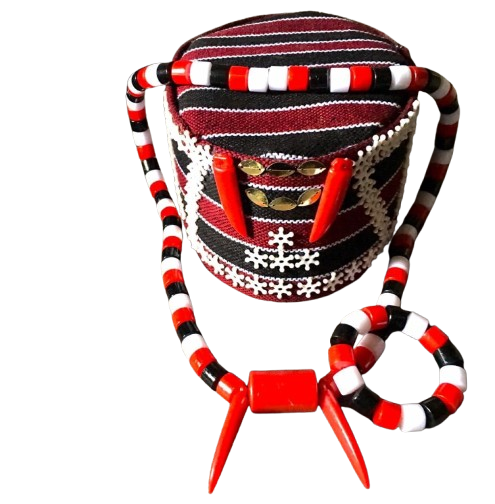
By Habila Ibrahim, Abuja | Last Updated on July 20, 2026.
Introduction
As a child, my ears were fed the lore of towns where the land speaks; of Eke (god of fertility) which yields yams that could fill Calabash dishes, and celebrations which would continue beyond midnight. Bekwarra, in Cross River, feels like that.
The Bekwarra are farmers, sellers, and guardians of Obong – their ancestral ways. While they are in a mad rush to “develop,” they are planting cocoyam under the moonlight, and when they bring in their harvest, they are offering the Aja.
This is their story — about land, culture, and a festival that says: “We are still here.”
How They Live
Bekwarra are farmers — cocoyam, yams, plantains. And Obong (ancestral shrine) is the one that guides them. Elders say: “The land gives, we give back.”
Some live in cities, but Aja still draws crowds. “We bring the village to town,” they say.
What the Bekwarra Show Us
Land is legacy. Obong keeps them rooted.
Festivals link. Aja it’s not just for entertainment, it’s for my whole life.
Ancestors guide and then Eke blesses the harvest.
There are hundreds of ethnic groups in Nigeria with their own identity, customs and history. One such example are the Bekwarra people who live in the north of Cross River State. The people they get are pretty odd as individuals if you have nothing else. Known for their welcoming nature, love for farming and scintillating culture, Bekwarra culture remain one of the most colourful among us.
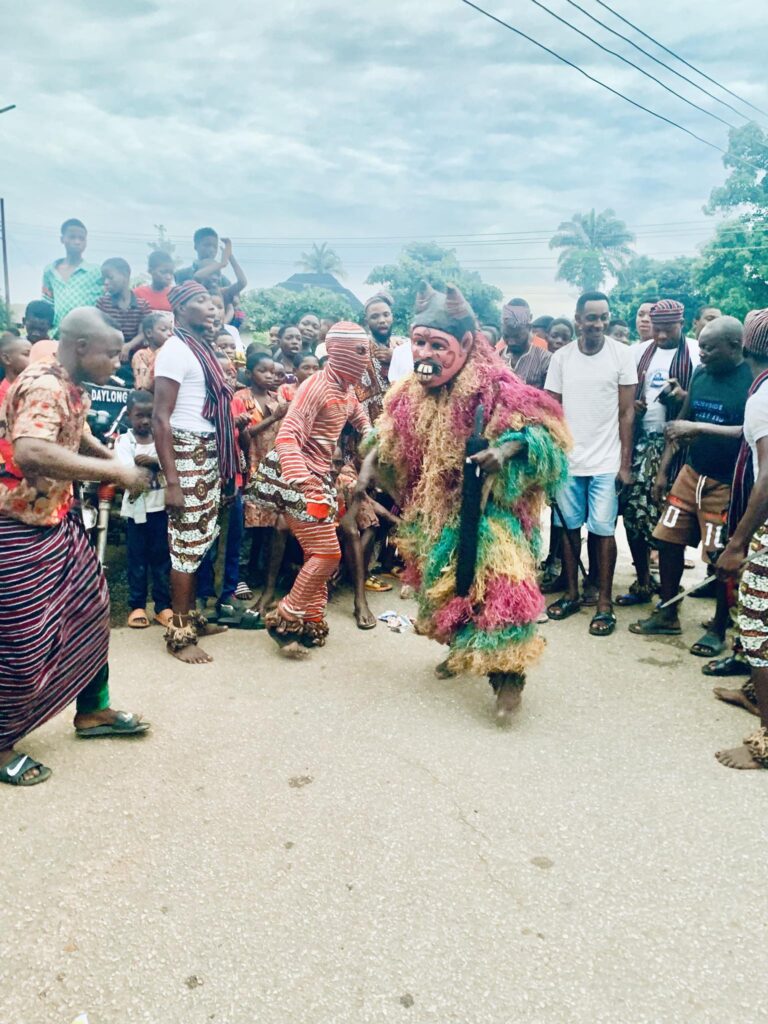
Everything about the Bekwarra people you need to know will be explained in this blog post; starting from their origins to history, food, festivals, religion and even their marriage rites.
1. History of the Bekwarra People
The Bekwarra people are one of the prominent ethnic groups in Cross River State, Nigeria. They are the dominant population in the Bekwarra Local Government Area which came into existence on October 1, 1996. They are descendant of Agba who is also the progenitor of Obudu and Bekwarra Agba. It is a very explicit history as they proudly refer to each others as brothers.
As a group the Bekwarra are closely associated with some neighbouring tribes in Nigeria that includes; Obudu, Yala, and Ogoja people. History of the Bekwarra is transmitted by the story telling, Oral history and cultural traditions of its people.
Also Read: The Sayawa (Zaar) Story During the Pre-Colonial Era
This historically deep residency had also made it relevant region because of the influence it has over the first phase of the Nigeria Civil war in 1967. Traditionally, the Bekwarra people have been renowned for their friendly, resilient and industrious nature and strong communal spirit, that has allowed the perpetuation of their traditional ways of life through the ages.
2. Origin of the Bekwarra People
Bekwarra oral genealgies history. The Bekwarra ancestry is transmitted through genealgies and or oral traditions.
It is widely believed locally that their ancestors came from one man called Agba, who is believed by the local people to be the father of other local peoples such as the Obudu tribe.
The Bekwarra people are linked by history and language to the larger Benue-Congo ethnic group, with similarities to the other peoples of the South East of Nigeria, and even extending as far as parts of Cameroon.

The Bekwarra language is one of the major languages in the northern cross river state and is a major identity and unity among the people.
3. Location and Countries Where Bekwarra People Are Found
The Bekwarra people are primarily found in: Northern Cross River State (Nigeria), Border communities near Benue State and Areas close to Cameroon.
And they are located in the southeastern part of Nigeria, close to border with Cameroon.
While most are located in Nigeria, the migration has led to the creation of Bekwarra communities in urban cities such as Lagos, Abuja and Port Harcourt as well as in the Diaspora communities in Europe and beyond.
They’re also close to Cameroon. In addition to those steps it would need a kind of cross-border, historic, cultural engagement with communities neighbouring to.
4. Culture and Way of Life
The Bekwarra people’s heritage is very rich, that it is very attached to tradition, and life within the community.
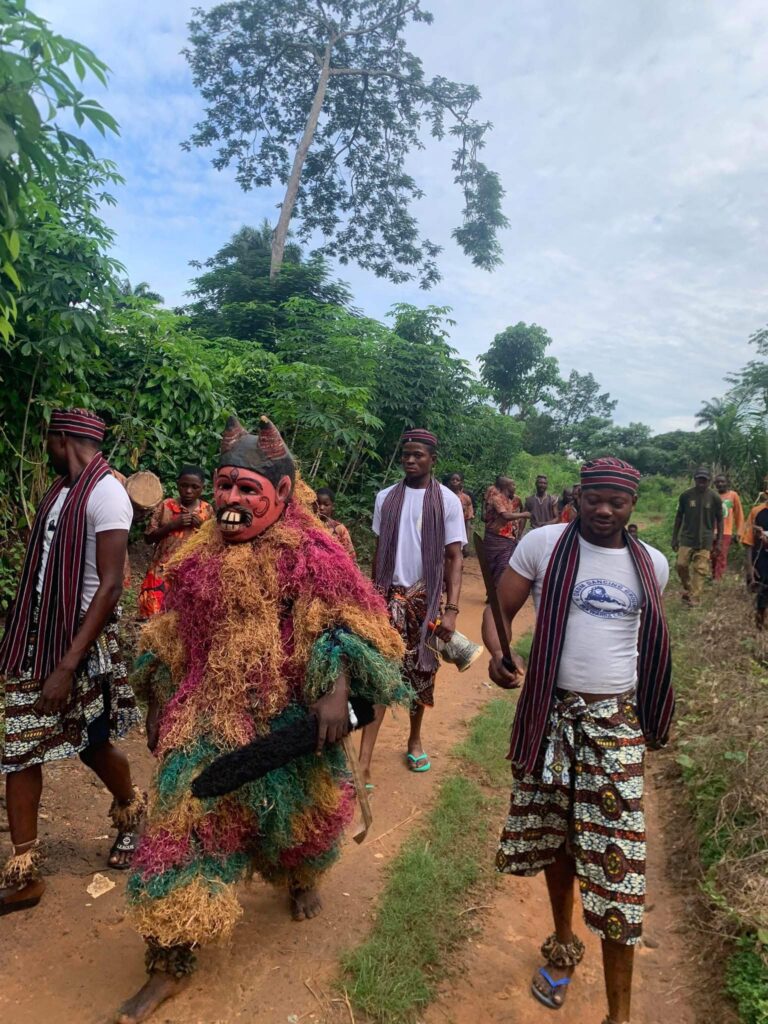
Some Major cultural Characteristics
The following features are some of the essential ones:
– Warmity and welcoming attitudes (Hospitality): The Bekwarra are regarded to be the most hospitipal tribe in the Cross River State and their greetings is generally expressed warmly, with bright smile.
– Farming (Agriculture): They are predominantly farmers, for them to be known for the type of meal that served to the visit to be a visitor.
– Attire (Traditional wear): They wore white and black stripes and at times red, these are symbolise the colour of the soil.
They have got dance troupe which perform special dance in most festival and occasion.
Their culture is based on solidarity, respect for the elderly and community life, which continues to manifest itself in their daily activities.
5. Food of the Bekwarra People
The Bekwarra people’s culture is mostly shaped by food, which also shows how they live by means of farming.
Popular Foods are: Beniseed (sesame) soup, Groundnut soup, Bitter leaf soup, Dry okra soup and Yam-based dishes.
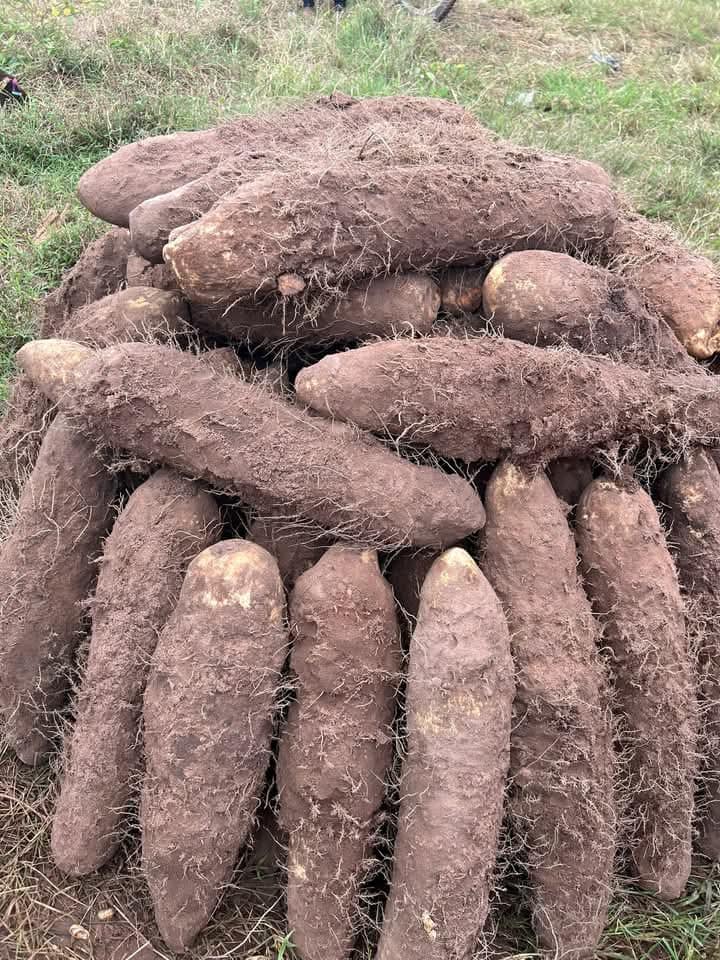
Among the Bekwarra, yam has a special status, where it is called “king of crops”.
Other staple foods include: Cassava, Cocoyam, Maize and Plantain.
Palm wine and palm oil are also widely consumed and used in cooking.
Food is much more than a mere sustenance- it’s identity, celebration and hospitality embodied into their diet.
6. Religion of the Bekwarra People
Traditionally, the Bekwarra people practiced African Traditional Religion, which includes: Ancestor worship, Belief in spirits and deities, Ritual practices and sacrifices.
There are many historical accounts of the Bekwarra people as animists which involves belief in nature spiritual forces.
However, today, many Bekwarra people are: Christianity is the dominant religion and Churches such as Catholic, Pentecostal, and evangelical denominations are common.
ancient belief are incorporated in local customs especially on feast-days and at stages in people’s lives such as festivals.
7. Festivals of the Bekwarra People
The Ipem-Ihihe Festival (New Yam Festival)
This is the main and most revered festival among the Bekwarra people which is called The Ipem-Ihihe festival or the New Yam festival.
It is a massive cultural jamboree to signal the end of yam planting and the beginning of harvest season.
What day is it on? It is celebrated in two categories during: Usually held annually and Often takes place around September
Everything You Need to Know About the Festival.
1. Meaning and importance of the project
This is celebration of: – End of the planting period – start of harvesting – thank God for harvest and ancestral.
It is both a spiritual and cultural celebration.
2. Important Events during the Festivity
Colourful & Festive – The Ipem-Ihihe festival is a fun and lively celebration that showcases: Traditional dance performances, Cultural parades, Masquerade exhibitions, Music and drumming and Community feast.
All these acts conserve the Bekwarra culture and pass to generations.
3. Cultural Importance of Bekwarra People
The festival plays a vital role in:
• Preserving identity
• Strengthening community bonds
• Promoting tourism in Cross River State
It is more than a celebration—it is a symbol of unity and heritage which has been existing some years ago.
4. Dress Code & Symbolism
Participants wear traditional attires that consist of symbolic colors of the Bekwarra people like: Black symbolises fertility of the land, White represents peace and hospitality ∙and then Red shows strength and endurance.
5. Food during the Festival
Yam dishes dominate the celebration, including: Boiled yam, Pounded yam and Yam porridge.
Some drinks are also presented, among them are fresh palm wine is also served during the festivities.
8. Marriage Traditions of the Bekwarra People
Bekwarra Bride Price Marriage Bekwarra’s culture sees the wedding process as one with tradition steps that need to be followed, this includes a respected cultural step of marrying the woman.
Here are stages of Marriage in Bekwarra:
1. Introduction of the Marriage Proposal/ Family Meeting – The groom’s family goes to meet the bride’s family
2. Bride-price negotiations – the items food, drinks and money to be brought to bride’s home are discusssed.
3. The actual engagement /Traditional Wedding. Traditional ceremonies and elders giving their blessings.
4. Celebration During the celebrations, all the music instrument played by the Bekwarra people will be gracing the event. Weddings celebration to most societies in the globe are of great importance especially in African culture.
You Can Also Read: Step-by-Step With Highest Common Factor (HCF)
And marriage celebrations are not complete without these listed below such as: Music, dance, and feasting.
It’s about two people that are married; actually it’s two families and entire communities that get married.
9.Occupation and Economy
The Bekwarra people are primarily farmers and some pocket of them are civil servants. They farm crops like Groundnut in Gakem, Rice in Ugboro etc.
Main economic activities are: Farming (yam, cassava, maize, groundnut), Palm oil production and Local trading.
The rural character of their way of life influences their culture significantly, this can be seen particularly in such events as Ipem-Ihihe.
10. Language of the Bekwarra People
The Bekwarra people speak the Bekwarra language, which is widely used in: Daily communication, Cultural ceremonies and Traditional songs and storytelling.
Speaking Bekwarra language is an important part of their identity and helps preserve their heritage; and for them to remember who they are.
Conclusion
The Bekwarra culture in Cross River state are some of the numerous cultural aspect of Nigeria. Their history and their ancestry and origins have been preserved along with the festival traditions and social community spirit.
A symbol of their pride is the IPEM-IHHIHE FESTIVAL of the bekwarra people, where they honor tradition, cultivate a sense of community and celebrate agriculture. The customs related to eating, religion, and marriage of the people clearly demonstrate a group of people that is intrinsically bound to its origins and to the environment on which they thrive, regardless of the inroads of globalizing influence. Learning more about the people of bekwarra is to more broadly learn of Nigeria as well as about life and love in Nigeria.
Bekwarra said to me, a festival is not a function. They are the pulse of a nation. When Bekwarra elders chant “Obong ga”, they’re saying something familiar to Nigerians: “Our roots are deep.” If this story about the Bekwarra people moved you, then tell me: and what is the festival that connects you to your roots? I’d love to hear it from you.
I hope this article about the Bekwarra people is helpful to you reading it? Keep visiting our blog for this and many more as we keep posting about cultural heritage.
About the Author & Sources
My Name is Habila Ibrahim I’m a cultural research scientist in Abuja. I wrote this piece, because Nigerians need to tell their own stories, so the country can find its reflection.
For this story I gathered material from: Cross River State archives, Interviews with Elders from Bekwarra people in Obudu and Boki and an Eye-witness account from the Aja festival held in 2023.
wish you all the best