
Introduction
Our cultural heritage took us to Argungu and this time, is not about the Argungu Festival but the native of the Argungu, Kebbawa. The Kebbawa people of Argungu in Kebbi State are one of the most culturally rich and historically significant ethnic groups in northern Nigeria. Known for their deep-rooted traditions, fishing heritage, and strong Islamic identity, the Kebbawa people have preserved their customs for many centuries ago.
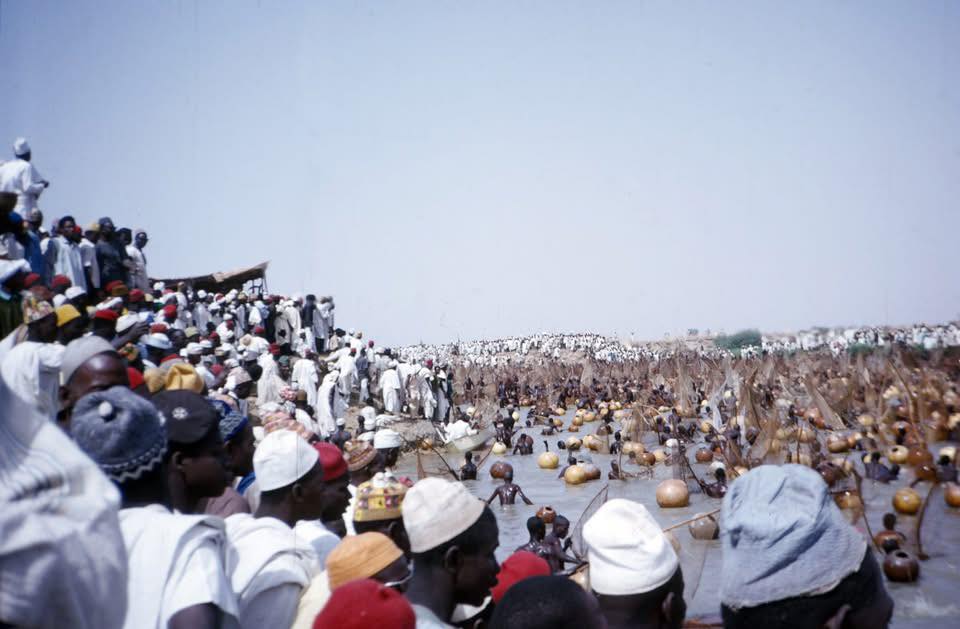
They are widely recognized for hosting the globally celebrated Argungu Fishing Festival, one of Africa’s largest cultural events. This festival alone has brought international attention to their way of life, showcasing their unity, resilience, traditions and cultural pride.
This article explores everything you need to know about the Kebbawa people—starting from their history, origin, food, religion, culture, marriage practices, and their famous festival.
History of the Kebbawa People
The history of the Kebbawa people is intensely connected to the ancient Kebbi Kingdom, one of the prominent Hausa states in northern Nigeria.
Historically, the region was part of the Hausa civilization before being influenced by the Fulani Jihad in the early 19th century. After the fall of the Kebbi Kingdom to Fulani forces around 1808, the rulers relocated to Argungu and established a new emirate.
Also Read: The Toraja People
Over time, Argungu has been a strong political and cultural center. The Kebbawa people maintained their identity despite external influences and colonial rule. By the late 19th century, Argungu had regained a level of independence before eventually coming under British control in 1902.
Today, the Kebbawa people are recognized as a subgroup of the Hausa ethnic group, maintaining both Hausa traditions and unique local customs.
Origin of the Kebbawa People
The Kebbawa people trace their roots to the ancient Kebbi Kingdom, which was part of the larger Hausa civilization. Their origin is closely tied to riverine settlements along the Sokoto (Kebbi) River.
The name “Kebbawa” refers to the indigenous people of Kebbi which is translated in Hausa, particularly those living in Argungu and surrounding areas. They developed as a community of farmers and fishermen due to the fertile floodplains and abundant water resources in the region.
Their identity evolved through interactions with neighboring groups such as the Fulani, but they retained their core traditions, language (Hausa), and cultural practices.
Food of the Kebbawa People
Food plays an essential role in Kebbawa culture, reflecting their agricultural and fishing lifestyle.
Common Foods:
- Rice dishes – Kebbi State is known for rice farming
- Fish-based meals – Fresh fish from local rivers
- Tuwo (Tuwo Shinkafa) – A staple made from rice
- Miyan Kifi – Fish soup commonly eaten with tuwo
- Millet and sorghum meals
Fishing is central to their diet, and fish is often prepared through smoking, drying, or cooking in rich local spices.
The abundance of fish in the region has significantly shaped their cuisine and daily life.
Religion of the Kebbawa People
The Kebbawa people are predominantly Muslims, following the teachings of Islam introduced through trans-Saharan trade and later reinforced during the Fulani Jihad with few practicing Christianity in small percentage.
Islam influences nearly every aspect of their lives, including:
- Daily prayers
- Marriage customs
- Festivals
- Dress codes
With the exception of those practicing Christianity. Mosques serve as both religious and community centers, reinforcing unity and shared values.
Culture and Traditions
The culture of the Kebbawa people is vibrant and deeply rooted in tradition.
Key Cultural Elements:
- Fishing heritage – Central to identity and livelihood. The Argungu fishing festival began in 1934, marking the end of centuries old hostility between Sokoto Caliphate and Kebbi Kingdom. The festival quickly became a celebration of life and unity.
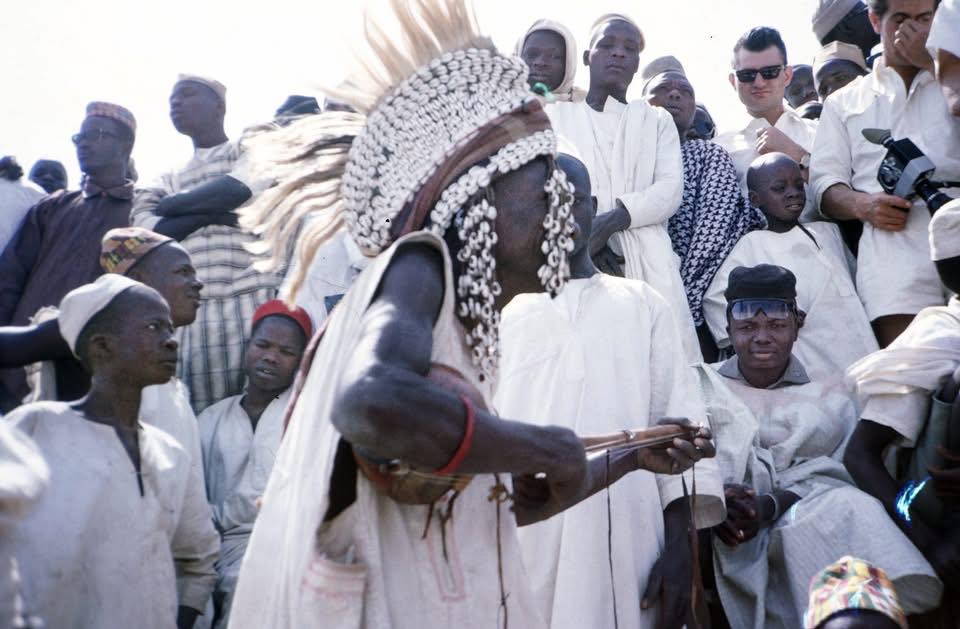
- Traditional music and dance – Performed during festivals
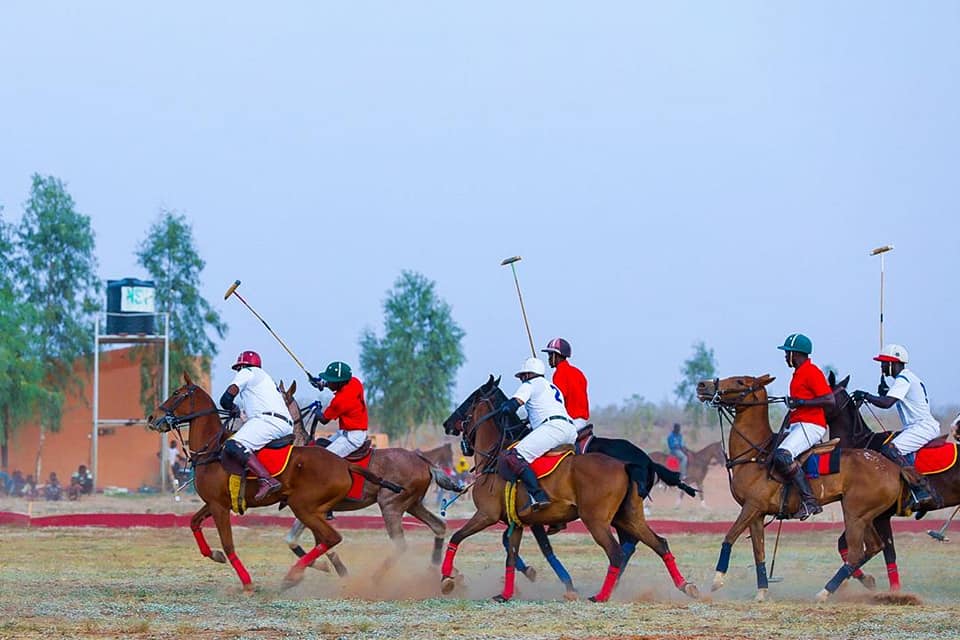
- Durbar displays – Horse parades reflecting royal heritage
- Craftsmanship – Fishing tools, calabashes, and textiles
The Kebbawa people are known for their hospitality and communal lifestyle, where extended families live and work together.
The Famous Argungu Fishing Festival
Overview
The Argungu Fishing Festival is the most significant cultural event of the Kebbawa people. It is held annually in Argungu, usually between February and March.
This four-day festival attracts thousands of participants and tourists from around the world. The four-day festivals are listed below thus:
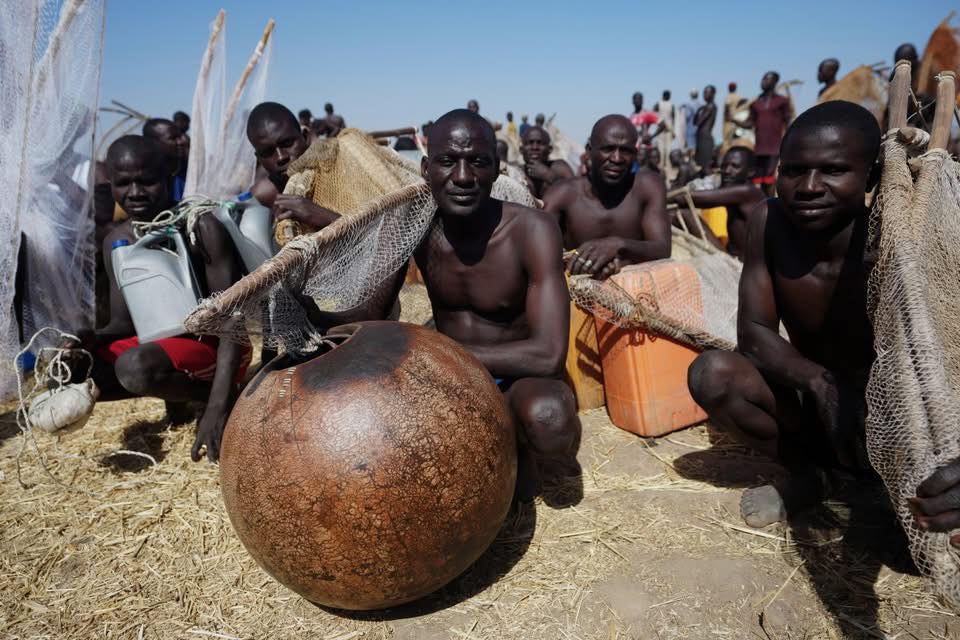
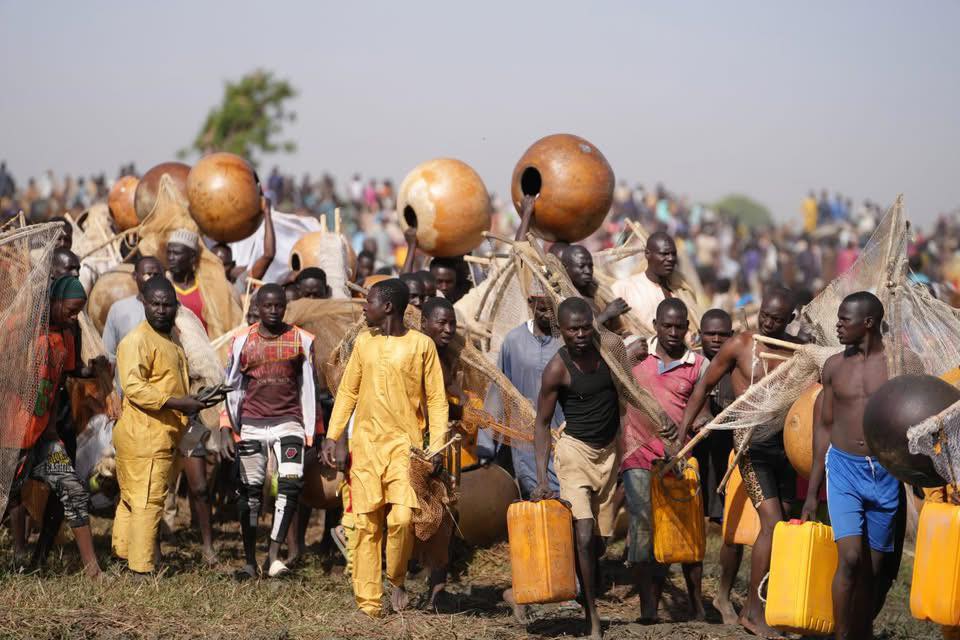
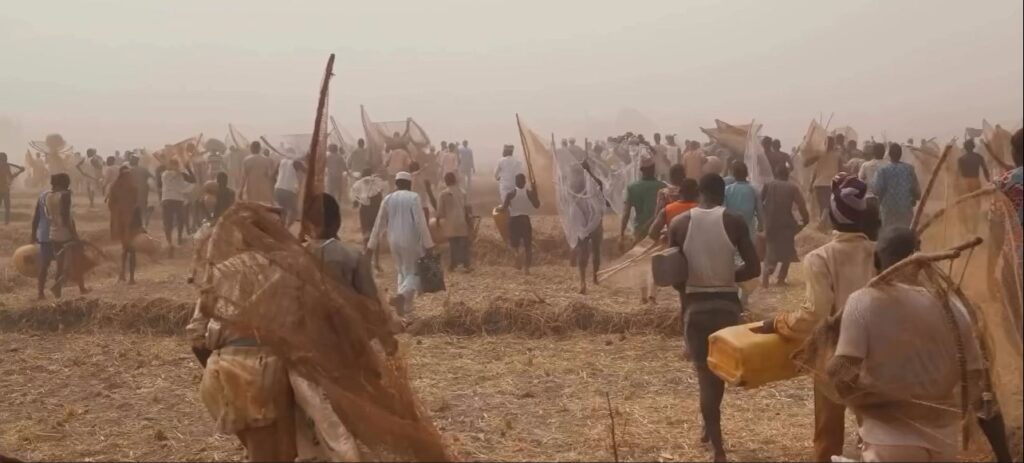
- Grand Finale of Fishing Festival: This is the grand finale of the Argungu Festival were thousands of participants (fishermen) enter the river to catch the largest or biggest fish (often Nile Perch or catfish) using traditional nets and gourds. They are to used only locally hand-woven nets and calabash gourds. The participants enter at the sound a gunshot then they will all rush into the river.
- Kabanci (Water Sports): This involves a series of traditional aquatic contests including canoe racing, bare-hand fishing, calabash swimming and diving. Also include different types of canoes and what they also used in catching fishes.
- Traditional Events: These events involve displays of horse riders, camel riders, and local wrestling and boxing called “Dambe”, along with cultural music and dancing.
- Showcasing Agricultural and Craft Works: This day is mainly the showcasing of local produce and traditional crafts from the Kebbi region and also different types of food produced in their locality. This is where you also see different types of nets and gourds used to catch fishes.
Read: Argungu Fishing Festival in Kebbi State, Nigeria
Before then, there used to be traditional rituals, such as Gyaran Ruwa and Fashin Ruwa, which are performed to ensure the success and safety of the fishermen during the fishing competition. This custodian of the river ‘Sarkin Ruwa’ ensures the river is safe by performing some sacrifices to the river oracle to gain its permission. That’s their belief.
They also believed that, the Sarkin Ruwa like his fathers before him, the Sarkin Ruwa is the official custodian of the Mata Fada River. This responsibility is passed down for generation. Without the consent of the Sarkin Ruwa, no fish can be caught. To ensure the river is safe for fishing, he dispels the crocodile’s resident in the river and invites all the fishes in the rivers connected to Mata Fada River.
This Argungu river is their source of pride to the people of Kebbawa, it serves as a source of food and irrigation for their farm lands. The Argungu river its about 50 meters wide and about 50 feet deep.
History of the Festival
The festival began in 1934 as a symbol of peace between the Kebbi Kingdom and the Sokoto Caliphate after years of conflict.
It later evolved into a major cultural celebration representing unity, peace, and tradition.
Activities During the Festival
The festival includes a variety of cultural and sporting events:
- Fishing Competition (Main Event)
Thousands of fishermen enter the river at once using traditional tools like nets and calabashes to catch fish.
- Cultural Displays
Traditional dances, music, and performances showcase Kebbawa heritage.
- Water Sports and Canoe Racing
These events highlight the community’s strong connection to water.
- Agricultural Exhibitions
Farmers display crops such as rice and millet.
- Wrestling Competitions
Traditional wrestling adds excitement to the festival.
Key Facts About the Festival
- It is believed to be one of Africa’s largest cultural festivals
- Recognized internationally and listed as cultural heritage
- Attracts government officials within and outside and also attracts global tourists
- Its seen as the celebration at the end of farming season and start of fishing season
Economic and Cultural Importance
The festival boosts:
- Tourism
- Local economy
- Cultural preservation
Participants can win prizes for catching the largest fish, sometimes including cars and cash rewards.
Countries Where the Kebbawa People Can Be Found
Though there’s no any records of Kebbawa in other country apart from Nigeria. The Kebbawa people are primarily found in:
- Nigeria (mainly Kebbi State)
Due to migration and trade, smaller populations may be found in neighboring West African countries and other parts of the world, but their cultural base remains in Nigeria.
Marriage Traditions of the Kebbawa People
Marriage among the Kebbawa people is strongly influenced by Islamic and Hausa traditions especially for those practicing Islam while the ones practicing Christianity do it in a Christian way.
Key Features:
- Family involvement – Parents play a major role in choosing spouses
- Bride price (Sadaki) – Paid according to Islamic customs
- Wedding ceremonies – Include traditional music and celebrations
- Modesty – Brides often observe cultural and religious dress codes
Marriage is seen as a union not just between individuals but between families.
Lifestyle and Occupation
The Kebbawa people are mostly known primarily as:
- Farmers – Rice, millet, sorghum
- Fishermen – Major occupation due to river access
- Traders – Engage in local markets
You Can Also: Hanbok of Korea History
We have many of them on other profession. Argungu serves as a major trading center for agricultural and fish products.
Modern Influence and Preservation
Despite modernization, the Kebbawa people continue to preserve their traditions.
Which include:
- Promoting cultural festivals
- Preserving historical sites
- Encouraging tourism
The revival and continued celebration of the Argungu Fishing Festival demonstrate their commitment to cultural heritage.
Conclusion
The Kebbawa people of Argungu represent a unique blend of history, culture, and tradition in Nigeria. From their origins in the ancient Kebbi Kingdom to their globally recognized fishing festival, they have maintained a strong cultural identity rooted in community, religion, and heritage. Their lifestyle, food, marriage customs, and festivals reflect a people deeply connected to their environment and traditions. The Argungu Fishing Festival remains a powerful symbol of unity, peace, and cultural pride—not just for the Kebbawa people, but for Nigeria as a whole.