

Introduction
Many believed that there were some aspects of culture and traditions that were harsh to implement but because of the coming of Christianity, such law or decisions were relaxed to pave way for forgiveness and trust God for revenge. Before Christianity, many cultures and traditions encourages passing judging immediately after the act has been committed.
In this post, we will be discussing on how religion, especially Christianity and other religion have shaped our culture in this modern time. Religion has always played a central role in shaping human civilization. From laws and governance to family values, education, and even art, religious beliefs have influenced how societies develop and function. Among all religions, Christianity stands out as one of the most influential forces in shaping modern culture and traditions across the world.
Alaos Read: From Drums to Digital: How Cultural Expression Has Transformed Over Time
In today’s modern society, many customs, values, and social structures that people practice—sometimes without even realizing it—have deep roots in Christian teachings. However, Christianity is not the only religion that has shaped culture in this world today. Other major religions such as Islam, Hinduism, Buddhism, and traditional African religions have also significantly influenced traditions in many societies and countries in this our world today.
This article explores how Christianity has shaped modern culture, while also examining the contributions of other religions in shaping today’s world which is very important too.
The Historical Influence of Christianity on Culture
Christianity began over 2,000 years ago and quickly spread across Europe, the Middle East, and later to Africa, Asia, and the Americas. As it spread, it became deeply intertwined with the development of societies.
Formation of Moral Values
One of the most significant contributions of Christianity to modern culture is the establishment of moral values which its believers are strongly admonished to practice them. Teachings such as:
- Love your neighbor
- Forgiveness
- Humility
- Charity
Though these have become universal principles, even among non-Christians.
Many modern laws and ethical systems are influenced by biblical teachings, especially concepts like justice, human dignity, and compassion.
Influence on Laws and Governance
Christianity played a key role in shaping legal systems, particularly in Western societies. Ideas such as:
- Equality before the law
- The sanctity of life
- Human rights
- Do not kill (Man is created in God’s image)
The above can be traced back to Christian doctrine.
Even in many African nations, colonial-era legal systems—heavily influenced by Christianity—which still shape governance today.
Christianity and Family Traditions
Marriage and Family Structure
Christianity has deeply influenced the concept of marriage as a sacred institution. The idea that marriage is:
- A lifelong commitment
- A union before God
- Based on love and faithfulness
- One man one woman
- Till death do you part, etc.
These are rooted in Christian teachings.
Many modern wedding ceremonies, including white weddings, vows, and church blessings, originate from Christian traditions.
Parenting and Social Responsibility
Christian teachings emphasize:
- Respect for parents
- Raising children with discipline and love
- Community support
These values are reflected in modern parenting styles and family expectations.
Christianity’s Impact on Education
Development of Schools and Universities
Christian missionaries were among the first to establish formal education systems in many parts of the world, including Nigeria and among the Zomi’s people in Myanmar.
- Mission schools introduced literacy and formal learning
- Early universities in Europe were founded by Christian institutions
Today, many prestigious schools still have Christian origins.
Promotion of Literacy
The desire to read the Bible encouraged literacy. People were taught how to read so they could understand scripture so that they can read, understand and believed then leading to:
- Increased education levels
- Spread of knowledge
- Development of written languages
Influence on Art, Music, and Literature
Art and Architecture
Christianity has inspired some of the world’s greatest artworks and architectural designs, including:
- Churches and cathedrals
- Paintings depicting biblical stories
- Sculptures and stained-glass art
These artistic expressions continue to influence modern design and creativity.
Music and Worship
Modern music, especially gospel and choir music, has its roots in Christian worship. Even contemporary music styles have been influenced by:
- Hymns
- Spiritual songs
- Church choirs
Literature and Storytelling
Many classic and modern literary works are inspired by Christian themes such as redemption, sacrifice, and hope.
Christian Holidays and Modern Celebrations
Christmas
Christmas, originally a Christian celebration marking the birth of Jesus Christ, has become a global cultural event. Today, it includes:
- Gift-giving
- Family gatherings
- Decorations and festive meals
Many used that period to scheduled many programmes tagging it as end of the year programme starting from family to cultural gathering and event. This is to tell you that even non-Christians celebrate Christmas as a cultural tradition.
Easter
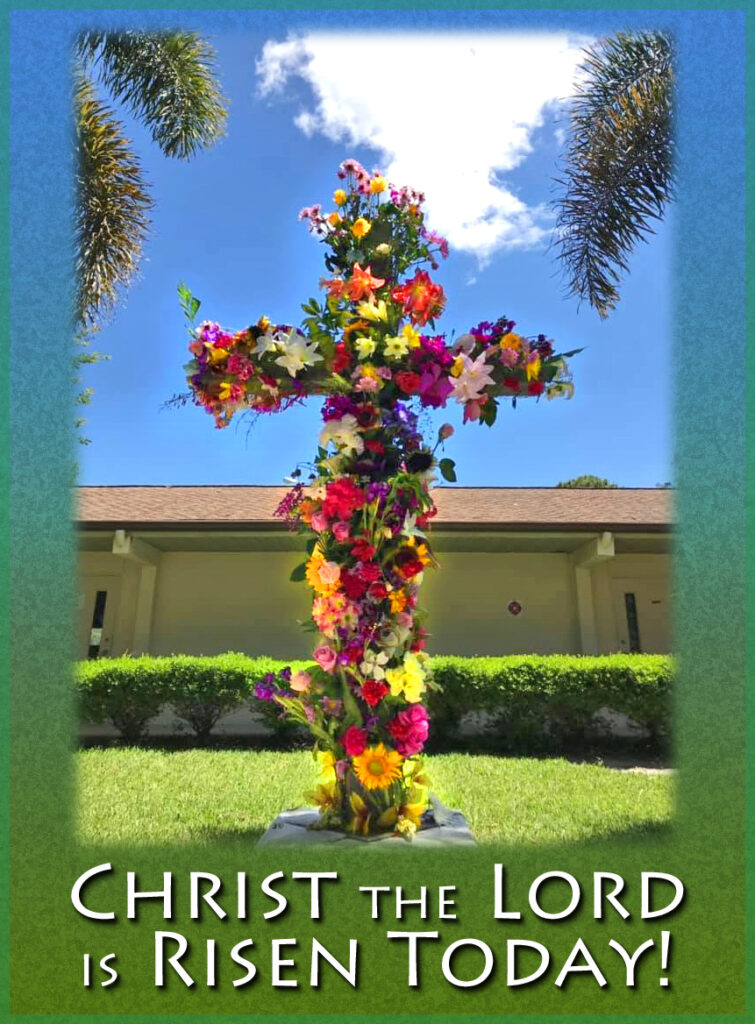
Easter commemorates the resurrection of Jesus Christ and symbolizes:
- Hope
- Renewal
- Victory over death
Though before Easter, many Christians involved in Lenten period of fasting till the day it will be Jesus’ resurrection day, that’s Easter Sunday. Modern Easter traditions include celebrations, special meals, and symbolic activities.
Christianity and Social Change
Human Rights and Equality
Christian teachings have contributed to movements that promote:
- Abolition of slavery
- Equality among people
- Care for the poor and vulnerable
- Love been the greatest
Many social reformers were motivated by Christian beliefs.
Charity and Humanitarian Work
Churches and Christian organizations have played major roles in:
- Providing healthcare
- Supporting education
- Helping the poor
Modern charity systems are heavily influenced by these practices.
The Influence of Other Religions on Culture
While Christianity has had a major impact, other religions have also shaped modern traditions and cultural practices.
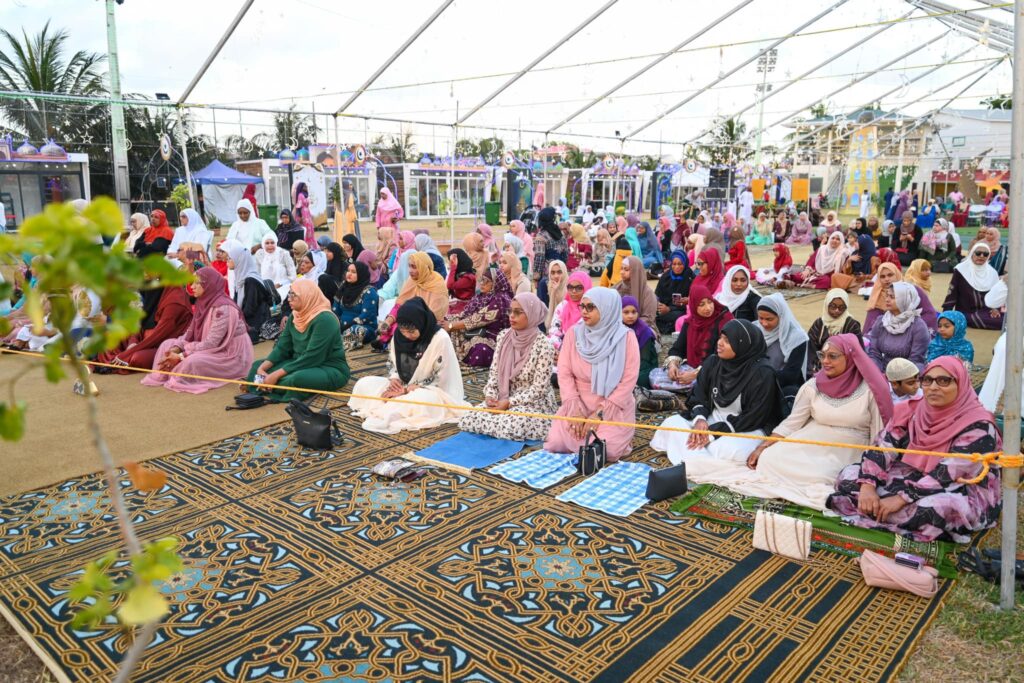
Islam and Cultural Influence
Islam is another major religion influencing modern society, especially in Africa and the Middle East.
Daily Life and Discipline
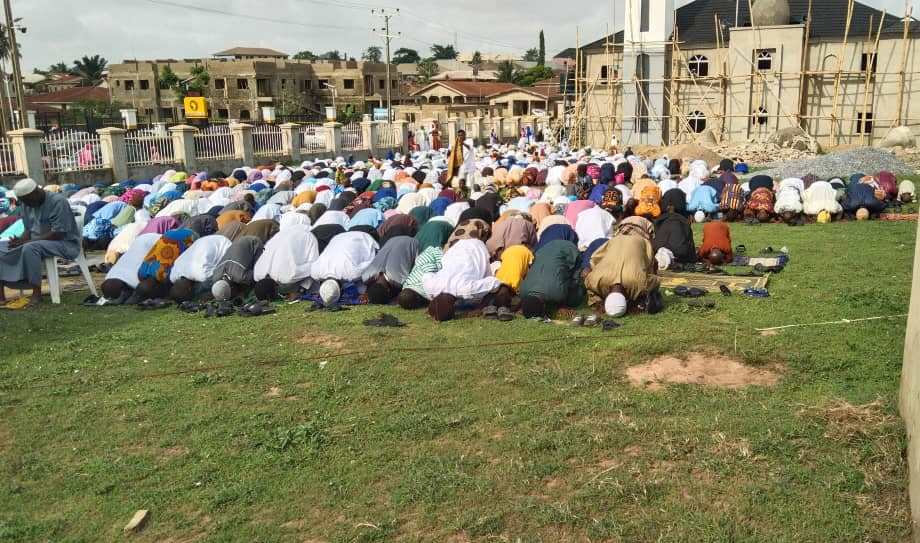
Islam shapes daily routines through:
- Prayer (five times daily)
- Fasting during Ramadan
- Modesty in dressing
Social and Legal Systems
In many societies, Islamic principles influence:
- Laws (Sharia in some regions)
- Family structure
- Community relationships
Traditional African Religions
Before the spread of Christianity and Islam, African societies had rich traditional religious systems.
Cultural Identity and Heritage
Traditional religions emphasize:
- Ancestor worship
- Community unity
- Respect for elders
These values still influence modern African cultures till today.
Festivals and Rituals
Many traditional festivals today are rooted in indigenous religious beliefs and practices.
Ancestor Worship and Respect for Elders
One of the strongest influences of African Traditional Beliefs is the concept of honoring ancestors.
Ancestors are believed to:
- Guide the living
- Protect families
- Serve as intermediaries between humans and the spiritual world
This belief continues to shape modern African culture through:
- Deep respect for elders
- Family lineage importance
- Funeral and burial traditions
Even in modern Christian or Muslim homes, respect for elders and ancestral roots remains strong.
Healing and Traditional Medicine
Traditional African spirituality is closely linked with healing practices.
Traditional healers use:
- Herbs and natural medicine
- Spiritual rituals
- Divination practices
These methods are still widely used today, sometimes alongside modern medicine.
Influence on Modern Religion
Interestingly, African Traditional Beliefs have not disappeared—they have blended with modern religions.
For example:
- Some Christian practices in Africa include elements of traditional spirituality
- Deliverance, prophecy, and spiritual warfare concepts often reflect indigenous beliefs
- Islamic practices in Africa sometimes incorporate local customs
This blending creates a unique African expression of global religions.
Art, Music, and Cultural Identity
African Traditional Beliefs have shaped:
- Traditional music and drumming
- Dance performances
- Sculpture and masks
- Storytelling and folklore
These cultural expressions continue to influence modern entertainment, fashion, and identity.
African Traditional Beliefs in Modern Society
Despite modernization, these beliefs still influence:
- Naming ceremonies
- Burial rites
- Chieftaincy systems
- Cultural festivals
Even urban societies in places like Abuja and Lagos still reflect these traditions in subtle and visible ways.
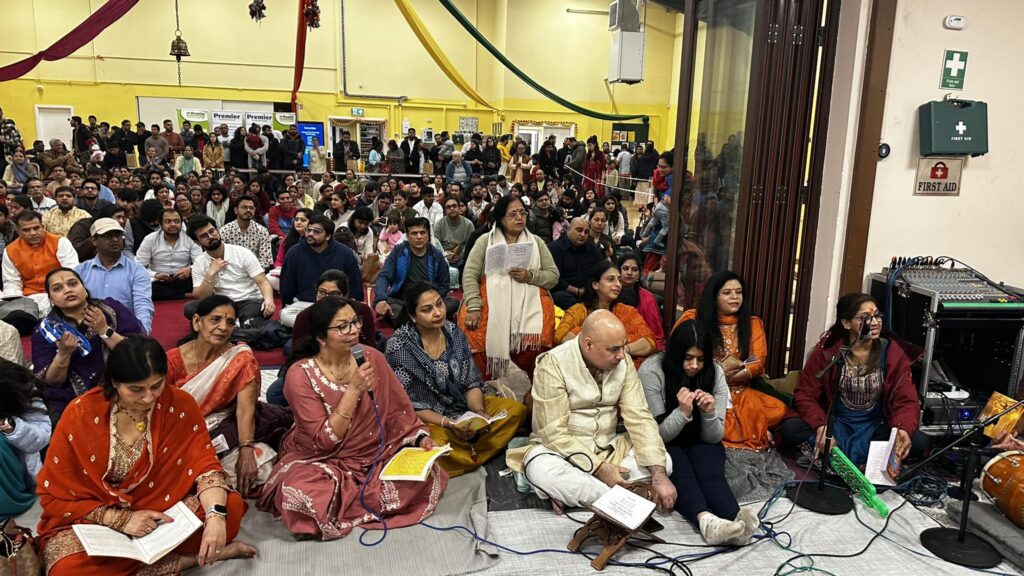
Hinduism and Eastern Religions
Though less dominant in Africa, religions like Hinduism and Buddhism have influenced global culture.
Buddhism and Its Influence on Modern Culture
Buddhism is one of the world’s oldest religions, founded over 2,500 years ago by Siddhartha Gautama, commonly known as the Buddha. Although it originated in Asia, its influence has spread globally and continues to shape modern lifestyles, philosophies, and cultural practices. Up till now many are still on the opinion that Buddhism is not a religion. It is a philosophy.
Core Teachings That Influence Culture
At the heart of Buddhism are teachings centered on:
- The nature of suffering
- The pursuit of enlightenment
- Compassion and non-violence
- Mindfulness and self-awareness
These teachings are summarized in key concepts such as:
- Four Noble Truths
- Eightfold Path
These principles guide individuals toward living a balanced, ethical, and peaceful life—values that strongly influence modern culture today.
Mindfulness and Mental Wellness
One of Buddhism’s most powerful contributions to modern society is the concept of mindfulness.
Originally a spiritual practice, mindfulness is now widely used in:
- Mental health therapy
- Stress management
- Corporate productivity programs
- Education systems
Practices like meditation have become global trends, helping people manage anxiety, depression, and daily stress.
In fact, many modern psychological therapies are inspired by Buddhist meditation techniques.
Meditation and Spiritual Practices
Meditation, a core Buddhist practice, has become mainstream worldwide. It promotes:
- Inner peace
- Emotional control
- Mental clarity
Today, meditation is practiced by millions of people—religious or not—as a tool for personal development and well-being.
Influence on Lifestyle and Minimalism
Buddhism encourages simplicity and detachment from material possessions. This has influenced modern trends such as:
- Minimalist living
- Decluttering lifestyles
- Focus on experiences over possessions
Many people today adopt these ideas to achieve a more meaningful and less stressful life.
Compassion and Non-Violence
Buddhist teachings emphasize compassion for all living beings. This has influenced:
- Animal rights movements
- Vegetarian and vegan lifestyles
- Peace and non-violence advocacy
These values are increasingly reflected in global conversations about ethics and sustainability.
Art, Culture, and Architecture
Buddhism has inspired unique cultural expressions, including:
- Temple architecture
- Statues of the Buddha
- Mandalas and symbolic art
These artistic elements have influenced global design, interior decoration, and even modern fashion aesthetics.
Global Cultural Influence
Although Buddhism is most prominent in countries like:
- Thailand
- Japan
- Sri Lanka
Buddhism teachings have spread worldwide, especially in Western societies where people adopt Buddhist practices without necessarily identifying as Buddhist.
How Buddhism Differs from Christianity and Other Religions
Unlike Christianity and Islam, Buddhism:
- Does not focus on a creator God
- Emphasizes personal enlightenment
- Encourages self-discipline over divine intervention
This makes it more of a philosophical and spiritual path, which is why many people integrate Buddhist practices into their daily lives without changing their religion.
Buddhism in Modern Society
Today, Buddhism influences:
- Mental health practices
- Corporate leadership styles
- Personal development strategies
- Wellness industries
Even in places like Nigeria and other African countries, meditation and mindfulness are gradually gaining attention, especially among young people and professionals.
Why Buddhism Matters in this Blog Post?
Including Buddhism strengthens our article because it shows that:
- Religion does not only shape traditions and rituals
- It also shapes how people think, feel, and live internally
While Christianity shaped laws, family systems, and celebrations, Buddhism has deeply shaped:
- Mental health awareness
- Inner peace practices
- Modern self-development culture
Philosophy and Spirituality
They contribute ideas such as:
- Meditation
- Karma
- Inner peace
These concepts are now widely practiced worldwide, even outside religious contexts.
Religion and Modern Lifestyle
Ethics in Business and Work
Religious teachings influence:
- Honesty in business
- Fair treatment of workers
- Responsibility and accountability
When you are honest, you bring blessing to yourself and family. But if you do otherwise, there will be always consequences.
Fashion and Lifestyle Choices
Religion shapes:
- Dress codes
- Dietary habits
- Social behavior
For example, modest dressing in both Christianity and Islam influences modern fashion trends. It is always been preached among the congregation for members to know what pleases God.
The Blending of Religion and Culture
In today’s globalized world, religion and culture often blend together. Many traditions people follow today are a mix of:
- Religious beliefs
- Cultural practices
- Modern influences
For example:
- Weddings combine traditional, religious, and modern elements
- Festivals are celebrated culturally, not just religiously
But in all of the above, they make sure they didn’t violate religious practices during before and after the wedding.
Challenges in Modern Times
You Also Read: The Yoruba Tribe History, Culture, Festivals and Many More
Secularization
Modern society is becoming more secular, meaning:
- Less emphasis on religion
- More focus on personal beliefs
However, religious influence still remains strong in many areas because of the belief it has with many people who to some, they cannot do without it.
Cultural Conflicts
Sometimes, religious beliefs can clash with modern values, leading to debates on:
- Human rights
- Gender roles
- Freedom of expression
- During marriage preparations
Why Religion Still Matters Today
Despite modernization, religion continues to shape:
- Identity
- Morality
- Community life
Christianity, in particular, still influences millions of people globally and remains a powerful force in shaping traditions and values.
Conclusion
Christianity has played a foundational role in shaping modern culture and traditions, influencing everything from family life and education to laws and celebrations. Its teachings have helped establish moral values and social systems that are still relevant today. It also advised on a way to train a child in the way of the Lord.
At the same time, other religions like Islam, traditional African religions, and Eastern belief systems have also contributed to the richness of global culture. Together, these religions form a complex and interconnected cultural landscape. Understanding how religion shapes culture helps us appreciate diversity, promote tolerance, and recognize the deep roots of many traditions we practice today. And also respect each other’s religion, it is their choice of belief. Then peace will be there for us to celebrates our cultural heritage with one another irrespective of our religion.