
Introduction
Last Updated on 9th June, 2026.
The Mada is a tribe and is said to be the second most populous tribe in Nasarawa State North Central Nigeria and are mostly found in Akwanga and Kokona LGAs of the state. Other states Mada people settled in are Jema’a and Sanga of the present day Kaduna state due to their border and also Plateau state Nigeria. And they called their traditional ruler with the name ‘Chun Mada’.
History and Origin of Mada People
There are many theories as to where Mada people originated from. Some claim that Mada migrated from Medina down to Niger Republic and settled in a town called “Madawa” in Niger Republic. While some findings shows that there is a tribe in Cameroon named Mada, maybe they originated there. And some said that Mada people originated from the Nok civilization. While others described them as they belongs to the Chadic language family.
In all, some described their journey as from Medina to Niger Republic then Zamfara state Nigeria between 1314 and 1385 to Kano then Keffi and finally settled in Akwanga and spread to Kokona and other parts.
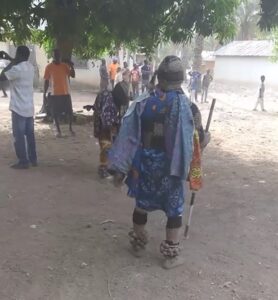
Since there’s no written document about the Mada due to what some described as “stone” age or olden days. The Mada people are an ethnic group primarily found in central Nigeria. Oral traditions trace their ancestry to ancient migrations into the hills and plains of present-day Nasarawa State. Over time, they established independent communities and developed the Mada language, culture, and traditional institutions that remain important till today.
Also Read: Step-By-Step With Highest Common Factor
Though there are different Mada tribe in Niger Republic, Cameroon, Zamfara state and Kano state of Nigeria, there’s no relationship between the ones in Akwanga and Kokona of Nasarawa state according to some findings. The Mada in Nasarawa are happy living people and they live peacefully with their brothers and sisters and anyone that have ever come their way will know that they are without any issue. You need to live among the Madas and see for yourself.
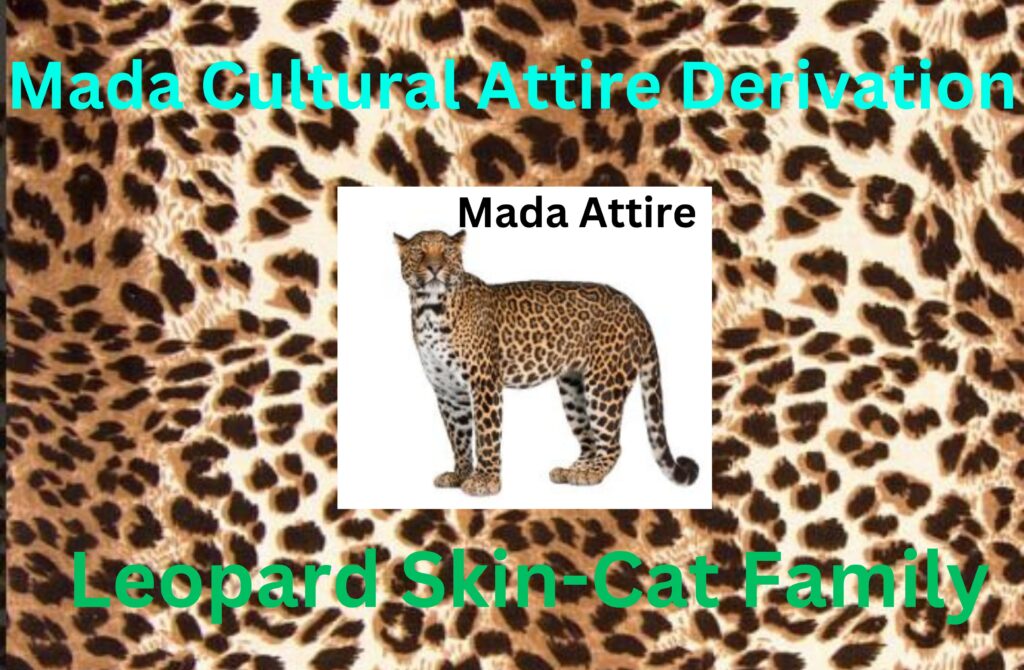
The Mada Symbol of Unity (Leopard or Leopard Skin)
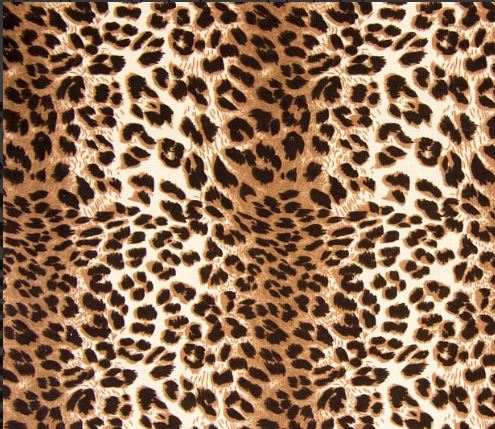
Someone would be wondering and asking, when and why did the Mada tribe decided to adopt the Leopard skin as their symbol and attire. According to history, it seem this happened during the uncertainties that surrounded the period of dispersal from the cradle to the various locations and areas where the Mada people now live in today. The leopard’s several spots suggest that though the Mada clans might be numerous and rarest like leopard, the Mada communities are connected together just as there are many spots on the leopard’s skin but it’s still one body (of leopard).
The significance of the leopard serving as symbol of the Mada is also known of the fact that it is one of the strongest and rarest animal in the cat family. The implication of this is that though these republican societies may look dispersed and distanced, lonely at times, their strength could not be under estimated by any chance.
Interestingly, the leopard too is a lone ranger cat. It does not live in community like other cats (which it’s belong to) or animals. Each leopard marks its territory and defends same tenaciously without fear from any other animals. It seems the Mada ancestors also noticed this attribute of the leopard and imbibed its nature of solitariness and isolation. This perhaps explains why there is less of community in our politics today, and the ‘me alone’ attitude of the leopard (opinion though).
Some argued that it is the same attitude that make Mada to be hardly seen raising many political sons and daughters. If that is true, Mada people should try hard and do away with the ‘isolation attitude’ or ‘me alone’ and come out politically and otherwise for the growth of the tribe, society and the country at large. They shouldn’t keep their talents under, instead bring it to foe. It might help someone or the entire country which they settled or found themselves.
Places Where Mada Are Mostly Found
The Mada people are mainly found in Nasarawa State, particularly in Akwanga, Nasarawa Eggon, and surrounding areas. Though Some smaller Mada communities can also be found in neighboring states of central Nigeria such as Plateau, Kaduna etc.
Festival
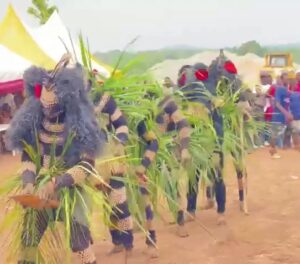
Mada tribe celebrates several festivals which includes religion festival which is usually celebrated by many tribes but one of the notable festival in Mada is the Nzeh Festival which normally called Yam Festival celebration and is celebrated each year. The aims of the celebration is to give thanks for the bountiful harvest of the year and to also use that to usher in new planting season and pray for it to be good.
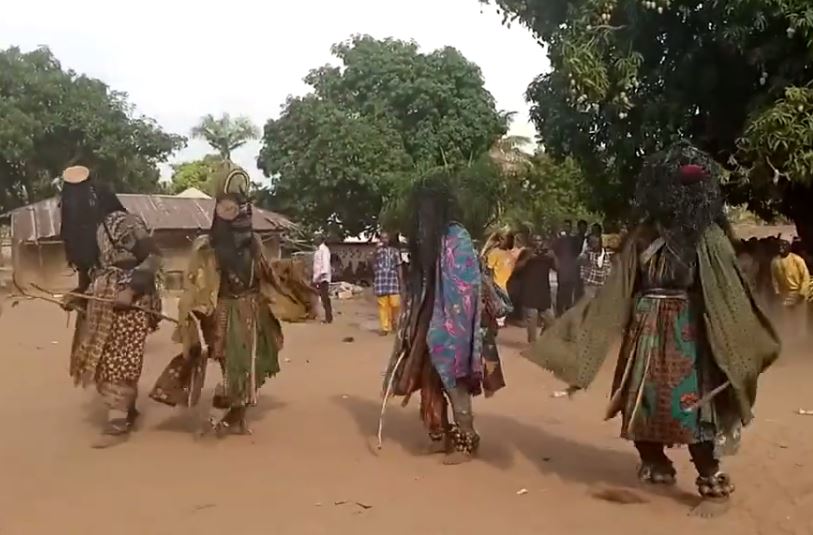
Mada have some special instruments used to entertain their visitors during cultural festivals, traditional crafts, language programmes, and other important occasions which they are encouraged to actively participate and supported. During these programmes, the musical instruments used includes drums, flutes, xylophones, gongs and other traditional instruments which are very hard to name them in English. The Mada people wear their cultural dance attires and perform their traditional dances. During such festivals just to remember their roots and cultural heritage.
Economy
Mada people are not lazy, they are hardworking people wherever they found themselves. The typical Mada sons and daughters are skilled in various traditional crafts, some of these crafts include pottery, weaving, blacksmithing, basket making, etc. The method of making these crafts are also passed down through generation to generation.
The Mada tribe live mostly in rural areas and are primarily farmers, rotating their crops in terraced fields. Guinea corn is their staple food, and yams, beans, okra, pumpkins, peppers, and cotton are also grown. As typical African and Nigerian, most families raise goats, sheep, and chickens, which are eaten at wedding ceremonies or parties.
Traditional Food of Mada People
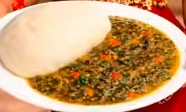
As many languages are known by the food they eat. Common traditional foods of the Mada people include tuwo (a thick grain meal), porridge beans, pounded yam, and meals prepared from guinea corn, millet, and maize. These dishes are often served with vegetable soups, meat, fish, or local spices. And the are served during festivals, wedding ceremonies, and other occasions.
Religion of Mada People
Traditionally, the Mada people practiced African Traditional Religion, which involved the worship of ancestral spirits and local deities. Today, Christianity is the dominant religion among the Mada, although some traditional beliefs and cultural practices are still observed while some of the Mada people practiced Islam.
Marriage In Mada Tribe
Marriage in Mada is an acceptable union between a man and a woman of marriageable age to become husband and wife. This union is valid after all the traditional rites and obligations are absolutely observed and performed accordingly. Marriage ceremonies involve the payment of a bride price by the groom to the bride’s family.
With the advent of modernization, they also perform more modern marriage practices but traditional marriage takes more precedence over other practices. Though religion play a significant roles, traditional marriages is given more consideration without going against their religious practices. Because most of the religion believes in the payment of dowries, marriage should be perform before marriage which is accepted by many but any other things that will go against religious practices is been rejected.
You Can Also Read: The History of Jukun People
The prospective groom will pay the girl’s family with money, wine, or animals. If he cannot pay, he will perform a bride-service. This means that he will agree to do agricultural work for the girl’s family farm. Also, two families may exchange girls for their sons to marry. In such cases, no bride-price is needed. Mada doesn’t give their girls for free to marry, just like some tribe. You should better perform all the stipulated agreement or other marriage rites as described above.
Conclusion
The Mada people are one of the culturally significant ethnic groups in central Nigeria, known for their rich heritage, strong community values, and unique linguistic identity. Their history reflects a long tradition of migration, settlement, and adaptation within the region that is now Nasarawa State. Through generations, the Mada have preserved their language, customs, traditional leadership systems, and cultural practices for years despite the influence of modernization and globalization.
Today, the Mada language remains an important symbol of identity and unity among the people not only in Nasarawa State but where they live. Their traditional foods, festivals, social structure, and religious practices continue to play a vital role in daily life and community bonding. While Christianity has become the dominant religion, many Mada communities still maintain aspects of their ancestral traditions, showing a blend of old and new beliefs while Islam is also practiced among them.
The Mada people are mostly concentrated in Akwanga, Kokona, Nasarawa Eggon, and nearby areas, where they contribute actively to the social, cultural, and economic development of Nasarawa State. Their estimated population of over 450,000 highlights their importance within Nigeria’s diverse ethnic landscape.
In understanding the Mada people, one gains insight into the broader cultural richness of Nigeria. Their resilience, hospitality, and commitment to preserving their heritage make them an enduring and respected ethnic group in the country.
Hope this post is helpful? You want to know more about Mada? Though they are among the minority tribe in Nigeria that has not stop them to be able to showcase their cultural heritage. Keep following us as we keep posting many cultural heritage for you to chill and be happy. That’s our target to make people happy and stay connected together in unity without tribal or religion differences. Showing love to one another. Hope you are impressed? That’s the beauty of culture.
Lovart’s AI-driven design approach is a game-changer for creative workflows. Its tri-modal interface and Figma/Photoshop integration offer real value for designers. Check it out at Lovart.
I LOVE TO BE A MADA MAN WHY BECAUES MADA MADA MAN IS HEARD WORKING MAN, A MAN OF FORCOS FORWARD WHO SHOW LOVE TO ONE ANOTHER. WHO EAT FROM HIS HAND LABOURS. A MADA MAN FARM A LAND OF ABOUT TWO HUNDRAN HEATER, WHO EAT FROM JANUARY TO DISEMBER.