

Introduction
Last Updated on June 9, 2026.
Tarok people ‘iTarok’ as they loved to be called are an ethnic group from Plateau State North Central Nigeria. They are mostly found in Nigeria (in Langtang North and South, Quan-Pan, Kanke, Wase, Shendam, Mikang and Kanam LGAs of Plateau State and some villages where they shared boundary with Taraba State) and are also found in some part of Cameroon according to findings. This is what they call themselves as ‘oTarok’ while the language name is call ‘iTarok’. Tarok are link with Tal people who are from Panyam-Shendam road in present day Plateau State Nigeria.
Like other languages, Tarok story started with one man believed to be named Vonghro who is said to be connected with Bantu people in Central or Southern Africa before moving to the hill side of Tal in Panyam in Mangu LGA of Plateau State before continuing their journey to Pankshin in Plateau State Nigeria before finally moving to Gazum hill in present day Langtang North all of Plateau State Nigeria. History has it that before 1760, when Tarok begin their journey from Tal have already spread to various places within and outside present day Plateau state.
History and Origin of the Tarok People
The Tarok people are one of the major ethnic groups found in southern parts of Plateau State, particularly in the areas of Langtang North, Langtang South, Wase, Shendam, Mikang and Kanam LGAs of Plateau State and some villages where they shared boundary with Taraba State). They are known for their rich cultural heritage, unique language, and strong community traditions.
Before now, there was not written document concerning their migration. But according to oral traditions and historical studies, the Tarok migrated from different locations over several centuries before settling in their present homeland. Many scholars believe that the Tarok are part of a larger group of peoples who moved into the Middle Belt region of Nigeria from areas to the southeast and central regions of the country. During these migrations, various clans and communities came together and gradually formed the Tarok ethnic identity known today.
The Tarok established settlements on the hills and plains of present-day Plateau State, where they developed a thriving agricultural society. Farming, hunting, and trade became important aspects of their livelihood, while their language and cultural practices helped unite the various clans into a distinct ethnic group.
Over time, the Tarok maintained their identity despite interactions with neighboring ethnic groups and the influence of colonial rule, Christianity, and modernization. Today, they remain one of the most culturally significant indigenous peoples in Nigeria’s Middle Belt region, preserving their traditions while actively participating in modern Nigerian society.
You Can Read: Websites That Pays You Daily Even With Your Phone In 2024
As part of safety cautions and wild animal attack, people of olden days in Nigeria prefer to settle where there’s hill for safety in case of insecurity of threat from war, Jihad or wild animals. That’s why most of them preferred to settle where there’s mountain and Tarok are not exceptional.
Tarok are ruled by a chief named “Ponzhi Tarok” which is translated as chief of Tarok. He is the overall head of Tarok sons and daughters and is located in present day Langtang North, Plateau State Nigeria.
Before the advent of Christianity in Tarok land, they were traditional worshippers, worshipping their deities. When Christianity came to their land by Scottish Missionaries in 1907 said to be headed by Cooper. Though Missionaries at that time moved from one mountain or hill to another. Tarok are said to be 86 percent Christian according to some estimated records. First church in Plateau is believed to be built in Langtang.
Economy
Mostly farmers, Tarok people are not lazy at all as they farm all types of cash crops within their reach such as maize, beneseed, millet, rice, cassava, guinea corn, beans, cotton, groundnuts, etc. and they also engaged in hunting, carving, mining, fishing and blacksmithing. They have one pomade produce from Mahogany tree called Miko. There’s some Tarok food made from guinea corn and beneseed. You need to taste these food for yourself. Knowing other people’s culture is very important and it remove hatred from the mind and build unity among people of the world.
Traditional Food of the Tarok People
Food is an important part of Tarok culture and reflects the agricultural lifestyle of the people. Tribal food exist and this is how other languages are known. The Tarok are predominantly farmers, cultivating crops such as millet, sorghum, maize, yam, cassava, guinea corn, beans, and vegetables. These crops form the foundation of many traditional meals consumed in Tarok communities across Plateau State.
One of the most common foods among the Tarok is tuwo, a thick swallow made from millet, guinea corn, or maize flour. There’s one special food that is best known by Tarok and it is called Amora. It is often served with vegetable soups prepared from local leaves, spices, and sometimes meat or fish. Yam is another staple food and may be boiled, roasted, pounded, or prepared in various traditional dishes.

The Tarok also enjoy meals made from beans, maize, and cassava. Local vegetables such as spinach, pumpkin leaves, and other indigenous greens are commonly used in soups and stews. Palm oil, locust beans, and traditional seasonings add flavor to many dishes.
Livestock rearing and hunting have historically contributed to the Tarok diet. Goat meat, chicken, bush meat, and fish are often prepared during festivals, weddings, religious festivals and other special occasions. In rural communities, traditional methods of food preservation, including drying and smoking, are still practiced.
Food plays a significant role in social and cultural gatherings among the Tarok people. During festivals, marriage ceremonies, naming ceremonies, and communal celebrations, families prepare large quantities of traditional dishes to entertain guests and strengthen community bonds. Sharing food is considered a symbol of hospitality, unity, and respect within Tarok society.
Today, while modern foods have become more common, many Tarok families continue to preserve their traditional cuisine as an important part of their cultural heritage and identity.
Festival
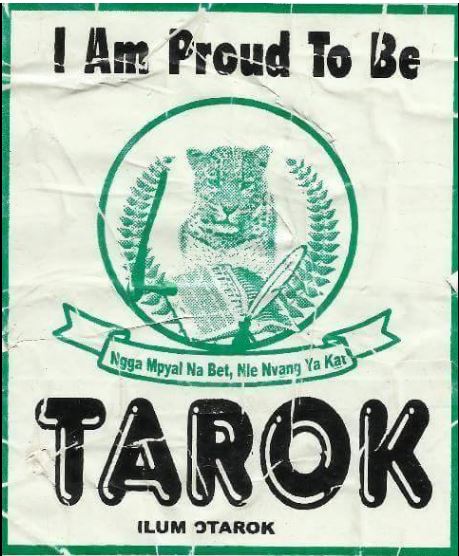
Tarok have an annual festival called “Ilum O’Tarok” meaning Tarok Day. Which is celebrated by Tarok sons and daughters converge in Langtang North or wherever they are residence to mark that significant day of their culture, they will celebrate it regardless of their location. Different towns and villages take some weeks celebrating. Because it is celebrated once a year. Some travel for a distance to come and celebrate this memorable day. The day was set aside for peace and to unite all Tarok people together to remember their existence goes beyond weeks to a month.
You need to visit Tarok Day and see for yourself. Tarok people are said to be around 569,000 to 600,000 people as of last estimate for some years back. By now, they have increase significantly more than that number.
Marriage
The marriage process among the Tarok people begins when a young man sees a Lady known as “uyenben”, and developed interest in her. Marriage in Tarok is called “ikam uchar” that is, he as married his wife. Tarok marriage is not permitted to be “between” blood relation as practiced in other tribes.
When the man having been accepted as a suitor has the right to visits the lady including spending nights in her place, but without any sexual gesture. Once any advances suggesting anything immoral is made then the engagement process will be terminated, as the man is considered as irresponsible that’s to protect their sanity. In fact, a fine will be placed on him for defiling her. All the gifts received will be returned to the family.
But that was then, currently during civilization, it has been a subject of moral questions as it is observed more as a breach. But if there’s no any issue at this stage, payment of bride wealth which is the beginning of the process will start with the lady and terminating with the maternal uncles. As civilization comes with religion, no religion accept immorality before marriage as it is stricter than before.
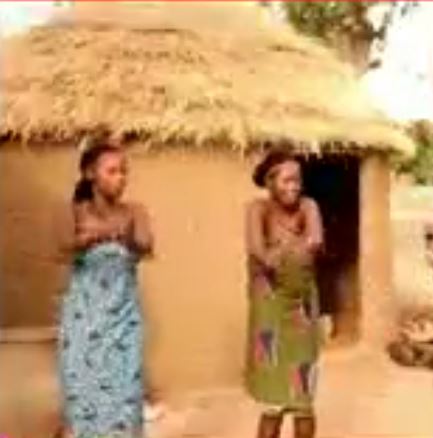
For the lady, it is buying of clothes, a bag of rice, one big basin each of beniseed (izhin) and azul, ananjyol etc. Also, the man will build a round hut guest room referred to as “ijini” which is very important, where they will stay with his fiancee, whenever he will be spending the night in her place. Even after marriage, the house built remains a guest room for the visiting family.
Due to significance of marriage as an institution, it is believed that they would be couples and need a conducive environment for themselves to relax and relates freely with each other. The man will appoint an intermediary known as “nimsel” who shall be responsible for the entire engagement process referred to as ‘nim igwar’.
After the lady’s entitlements has been discharge, then she will present him to the mother. At this stage, the man will bring wrappers depending on the demand and capacity of the man but not less than four and not exceeding twelve. Also, a big basin each of izhin, azul and a bag of rice. For the father is a big gown (agbada) with trousers, the inner shirt with shoes. The young man will mobilize community labour of not less than 30 able young men to his father-in law’s farm, at least once but can be more depending on his capacity.
You Can Also Read: Biography of Gungzaar Elect-Air Commodore Ishaku Komo (Rtd.)
Thereafter, he will also give “adir khaa godo”, for the maternal uncles. This is the symbolic evidence of marriage. Any marriage which the man has not perform this rite of giving “adir khaa godo” is not recognized traditionally even if they couples live together for hundred years and has many children. In fact, the children are deemed to be the possession of her maternal uncles until the marriage rites has been fully performed on her as custom demanded.
Religion of the Tarok People
Religion plays an important role in the identity and cultural life of the Tarok people of Plateau State, Nigeria. Though before the arrival of Christianity and Islam, the Tarok people were having their religion belief. They practiced a traditional African religion centered on the worship of a supreme creator, ancestral spirits, and various spiritual forces believed to influence daily life. This is the religion they were known for before now. The traditional priests and elders performed rituals, sacrifices, and ceremonies to seek protection, fertility, good harvests, and community well-being.
Today, Christianity is the dominant religion among the Tarok people, following extensive missionary activities in the region during the colonial period. We understand that because of their mountainous hills surrounding them, they early Christian Missionary found it easier to land on the hills and preach the gospel to them. Many Tarok communities belong to various Christian denominations, and Christian values have become deeply integrated into social and cultural life. Churches play a significant role in education, community development, marriage and moral guidance.
Despite the widespread acceptance of Christianity among the Tarok people, some traditional beliefs and cultural practices continue to exist alongside modern religious worship. Cultural festivals, traditional rites, and respect for ancestors remain important aspects of Tarok heritage. Islam is also practiced by a smaller number of Tarok people, particularly in urban areas and communities with diverse populations.
The religious diversity of the Tarok people reflects their ability to preserve their cultural identity while embracing new faiths and influences over time.
Conclusion
The Tarok language is more than a means of communication; it is a vital symbol of the history, culture, and identity of the Tarok people of Nigeria. Historical evidence suggests that the Tarok migrated over centuries before settling in the hills and plains of present-day Plateau State, where they established thriving communities and developed a unique cultural heritage that attracts many visitors to their communities.
Through their language, traditions, festivals, marriage customs, and religious practices, the Tarok have preserved a rich legacy that continues to shape their identity today. Although modernization and urbanization pose challenges to indigenous languages across Nigeria, ongoing efforts by community leaders, educators, and cultural organizations are helping to keep the Tarok language alive for future generations.
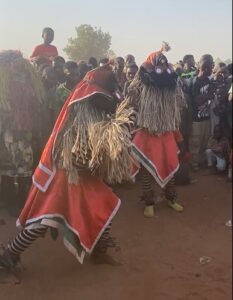
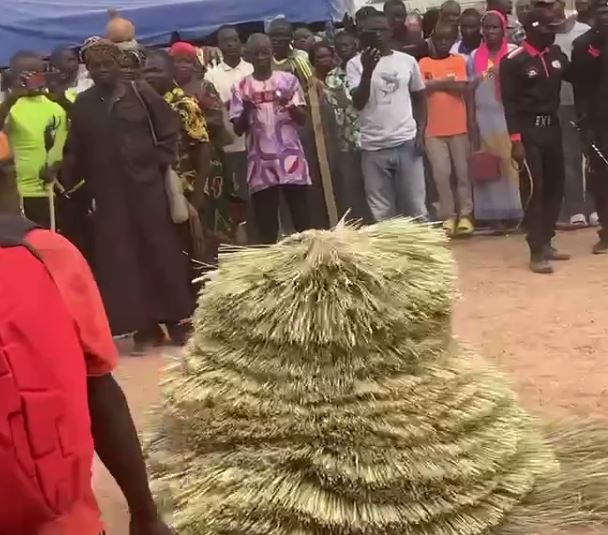
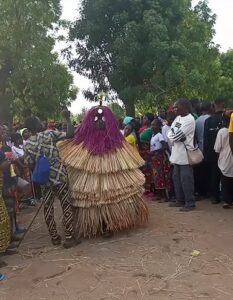
You need to visit the Tarok land and see some captivating dance including their masquerade dance.
Understanding the origins, migration history, and cultural traditions of the Tarok people provides valuable insight into the diverse ethnic landscape of Nigeria and highlights the importance of preserving indigenous languages and cultures in an increasingly globalized world.
Hope this article is helpful? Keep following us as we keep posting many cultures for you to chill and be happy. That’s our target to make people happy and stay together in unity without tribal or religion inclination. Showing love to one another. Hope you are impressed?
Pingback: Where Did Idoma Migrated From? - Zaarite-Kunzaar
The fusion of AI and design, like with Lovart, is reshaping creativity-its tri-modal interface feels like a game-changer for intuitive, efficient workflows.
NGA PYAL NA BYET NLE NVONG YA KAT