
Introduction
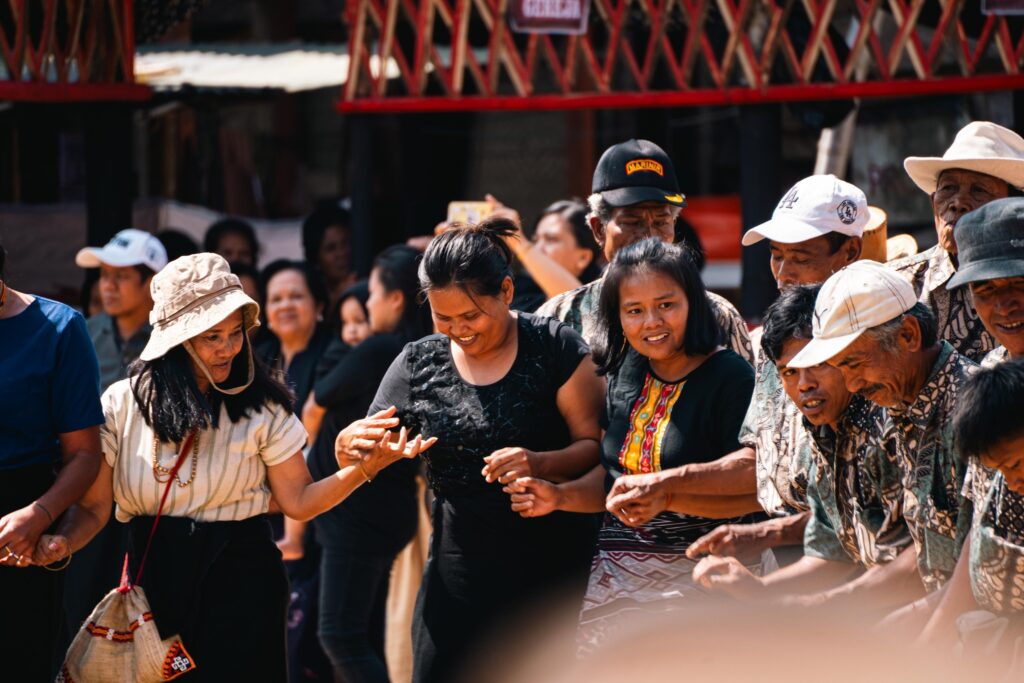
In our journey to give global audience to culture and tribe, we landed in the mountainous regions of South Sulawesi, Indonesia to discussed about the Toraja people. The Toraja people—also known as the Tana Toraja—are among the most culturally rich ethnic groups in Indonesia. Famous for their elaborate funeral ceremonies, ancestral houses, and unique cultural traditions that date back centuries, the Toraja people offer one of the world’s most fascinating cultural experiences.
Also Read: Tarok Language: Where Did Tarok In Nigeria Migrate From?
This comprehensive guide explores their history, origin, food, religion, culture, marriage traditions, festivals, and the regions where they can be found. It also provides everything you need to know about their globally celebrated festival, Rambu Solo’.
Who Are the Toraja People?
The Toraja are an ethnic group indigenous to the mountainous regions of South Sulawesi, Indonesia. Their name, which loosely translates to “people of the uplands,” reflects their ancient settlement in hilly and forested areas.
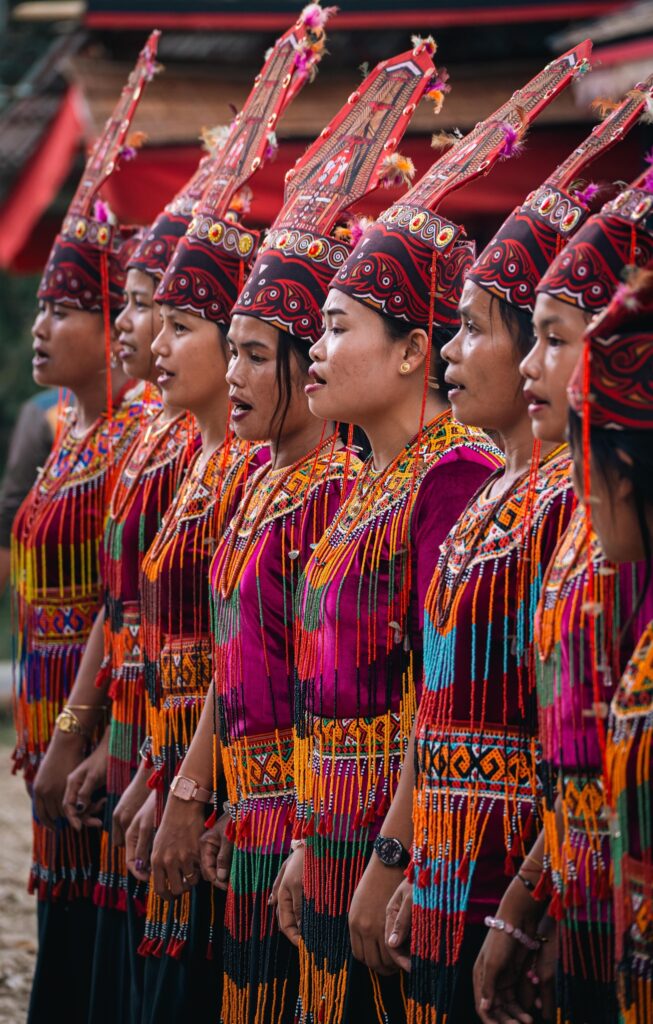
Although modern influences have shaped parts of their lifestyle, the Toraja people remain deeply connected to their ancestral customs, particularly those related to life, death, and spirituality.
History of the Toraja People
The history of the Toraja people stretches back for some thousands of years ago, with archaeological evidence suggesting prehistoric occupation of Sulawesi. The Toraja developed in relative isolation due to their mountainous environment, which preserved their traditions over centuries.
Early Settlement
Anthropologists believe the Toraja are descendants of ancient Austronesian migrants who arrived in Sulawesi between 3,000 and 5,000 years ago. Their cultural practices show similarities with Polynesian and Melanesian groups.
Traditional Social Structure
Historically, Toraja society was highly stratified, divided into:
- Nobles (Tana’ Bulaan)
- Commoners (Tana’ Kua-Kua)
- Slaves (Tana’ Karurung)—abolished in the 20th century
This structure shaped marriage rules, festivals, and funeral arrangements.
Colonial Era
In the early 1900s, Dutch missionaries entered the Toraja region, introducing Christianity. However, the Toraja strongly preserved their indigenous religion—Aluk To Dolo—which influenced daily life and rituals.
Modern Developments
Today, Tana Toraja is a major cultural tourism center in Indonesia, attracting visitors worldwide due to its traditional architecture, ceremonial festivals, and preserved customs.
Origin of the Toraja People
The Toraja people trace their origins to Austronesian-speaking migrants, who spread across Southeast Asia and the Pacific. Oral history says they came “from the sky”, a belief symbolized in their architecture and rituals.
Ancestral Myth
According to the Toraja creation story:
- Their ancestors descended from the heavens via a ladder.
- This ladder connected the realms of spirits and humans.
- Their villages were established based on spiritual guidance.
This belief in divine origin shapes their views on death and the afterlife.
Where Are the Toraja People Found?
The Toraja people are primarily located in:
1. Indonesia (Main Location)
- Tana Toraja Regency
- Toraja Utara Regency
- Both located in South Sulawesi Province
2. Diaspora Communities
Modern migration has spread Toraja people to:
- Jakarta
- Makassar
- Bali
- Some communities in Malaysia and Singapore
However, their cultural heart remains in the mountainous Toraja homeland.
Toraja Culture
The Toraja culture is one of the most distinctive in the world. It includes traditional houses, rituals, dances, arts, and communal values.
1. Tongkonan Houses
Tongkonan are traditional family houses with:
- Boat-shaped roofs
- Raised platforms
- Beautiful carvings representing wealth, status, and spirituality
These houses are sacred and symbolize family unity in Toraja.
2. Communal Living
Toraja communities believe:
- Life is shared
- Responsibilities are communal
- Elders are highly respected
Every major event—weddings, births, funerals—is attended by all villagers.
3. Wood Carving and Art
The Toraja are known for intricate carvings featuring:
- Buffalo motifs
- Spirals
- Nature-inspired patterns
Red, black, white, and yellow paints represent spiritual elements.
Religion of the Toraja People
Religion plays a major role in Toraja life.
1. Aluk To Dolo (The Way of the Ancestors)
This is the indigenous belief system incorporating:
- Ancestor worship
- Ritual ceremonies
- Offerings
- Life–death balance
You Can Also Read: Understanding BODMAS
It is recognized as a branch of Hinduism by the Indonesian government for administrative reasons.
2. Christianity
Today, many Toraja people are Protestants or Catholics due to missionary influence.
However, even Christian families still practice elements of Aluk To Dolo, especially in funerals.
3. Islam
A smaller percentage of Toraja people are Muslim, especially in lowland areas.
Toraja Food and Traditional Cuisine
The Toraja cuisine reflects their agricultural lifestyle, using rice, meat, and local spices.
1. Pa’piong
- Signature dish
- Meat (chicken, pork, or fish) cooked in a bamboo tube with spices
- Slow-cooked for rich aroma
2. Pantollo’ Duku
- Meat cooked with thick buffalo blood
- Popular during ceremonies
3. Deppa Tori
- Traditional Toraja cookies made from rice flour and palm sugar
4. Rice and Vegetables
Staples include:
- Red rice
- Cassava leaves
- Local herbs
Food is often communal, especially during festivals.
Festivals of the Toraja People
The Toraja people hold two major traditional festivals. They are:
1. Rambu Solo’ (Toraja Funeral Ceremony)
This is the most important and world-famous festival.
What is Rambu Solo’ mean in Toraja?
Rambu Solo’ is an elaborate funeral ceremony meant to:
- Honor the dead
- Guide their spirit to the afterlife (Puya)
- Celebrate the continuation of the family lineage
Key Elements of the Festival
1. Duration
Ceremonies last from 3 to 12 days, depending on family wealth.
2. Animal Sacrifice
Buffaloes and pigs are sacrificed as offerings to help the deceased’s spirit travel.
White buffaloes are considered sacred and very expensive.
3. Ma’nene Festival
Sometimes associated with Rambu Solo’, this involves:
- Opening graves
- Cleaning and dressing ancestors’ bodies
- Celebrating their memory
This ritual reflects strong ancestral reverence.
4. Music and Dance
Traditional dances and chanting accompany the ceremonies.
5. Family Gathering
Families from around the world return to their homeland for Rambu Solo’.
Why is Rambu Solo’ Important in Toraja?
According to Toraja belief:
- Death is a journey, not an end
- Spirits need rituals to reach the afterlife
- Without Rambu Solo’, the soul becomes restless
Best Time to Witness the Festival
July–October—dry season, when most ceremonies are held.

2. Rambu Tuka’ (Life Ceremony)
This festival celebrates:
- Births
- Weddings
- Harvests
- Opening of a new Tongkonan house
It includes:
- Traditional dances
- Singing
- Speeches
- Communal feasting
The highlight is the “Ma’bua” dance, performed by masked dancers.
Marriage Traditions of the Toraja People
Like in the traditions of many cultures about marriage, Toraja are not left out on the issue of marriage. Marriage in Toraja culture is more than a union—it is a connection between families and social status.
1. Marriage and Social Class
Traditionally:
- Nobility married within nobility
- Commoners married fellow commoners
Mixed-class marriages were discouraged.
2. Bride Price
A significant part of Toraja marriage involves the “dowry system”, where:
- The groom’s family gives buffaloes, pigs, and goods
- The value depends on the bride’s social status
3. Wedding Ceremony
Toraja weddings include:
- Traditional attire made of bright colors and beads
- Musical performances
- Blessings from elders
- Communal feasting
4. Post-Marriage Residence
Traditionally:
- The wife moves to the husband’s family house
- But modern couples can live independently
Modern Life of the Toraja People
Although modernity has arrived, many Toraja still maintain their traditional values.
Education
Many Toraja youths study in major Indonesian cities.
Tourism
Tourism helps sustain their cultural economy.
Preservation Efforts
The Indonesian government and cultural bodies support:
- Conservation of Tongkonan houses
- Documentation of Toraja rituals
- Global promotion of Toraja culture
Conclusion
The Toraja people stand as one of the most remarkable cultural groups in Indonesia and the world at large. From their ancient origins in the highlands of South Sulawesi to their deeply symbolic traditions surrounding life, death, and community, Toraja culture reflects a profound respect for ancestry, spirituality, and social harmony. Their unique worldview—where death is seen not as an end but as a sacred journey—sets them apart and continues to captivate scholars, travelers, and cultural enthusiasts.
Through iconic traditions such as the Rambu Solo’ funeral festival, the Toraja demonstrate the importance of honoring the dead, strengthening family bonds, and preserving ancestral values. Their traditional Tongkonan houses, rich artistic expressions, flavorful cuisine, and structured marriage customs further reveal a society built on cooperation, identity, and respect for heritage. Even as modern influences shape contemporary Toraja life, these cultural foundations remain strong.
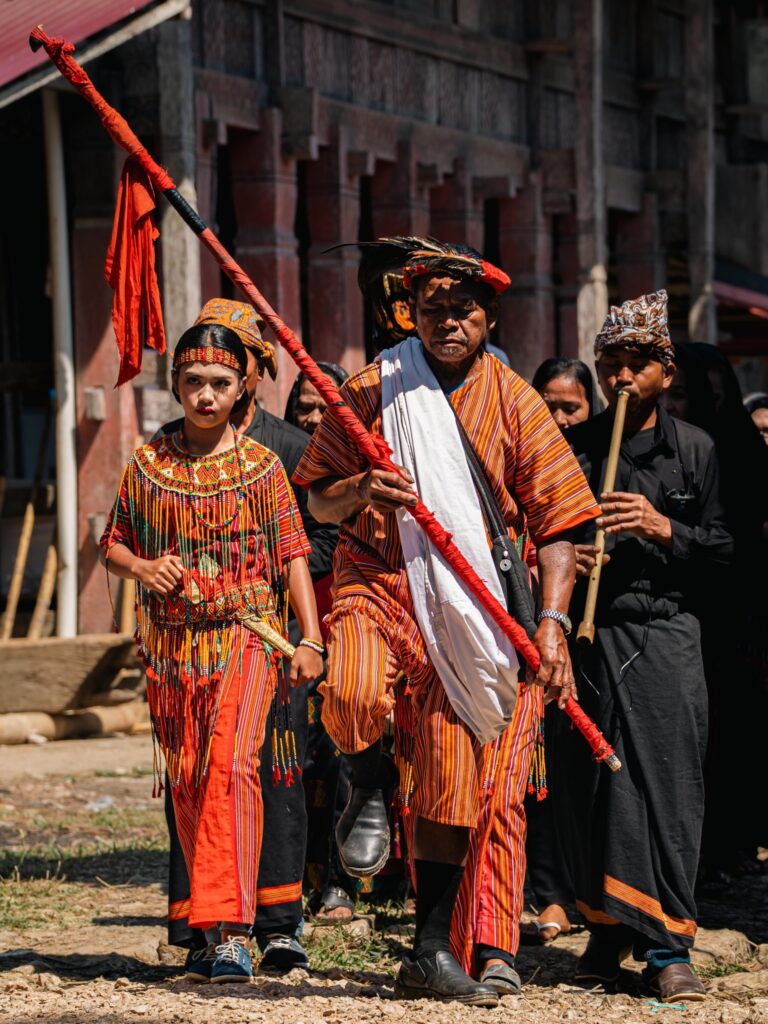
Today, the Toraja people successfully balance tradition and modernity, preserving their customs while engaging with the wider world through education, tourism, and cultural exchange. Their story serves as a powerful reminder of the importance of cultural preservation in an increasingly globalized society. Understanding the Toraja people is not only a journey into Indonesia’s rich ethnic diversity but also an invitation to appreciate how culture, belief, and community can endure across generations. Hope the cultural heritage of the Toraja people is what you are planning to see in real life? Keep visiting our website for this and many as we keep promoting cultural heritage to your doorstep.
Certainly different. Apparently it’s a good place to go to see organic farming.