

Introduction
In our cultural journey, we landed in Lebanon. The Lebanese people are one of the most historically rich, culturally diverse, and globally influential ethnic groups in the Middle East. Known for their hospitality, deep-rooted traditions, delicious cuisine, and a history spanning thousands of years, the Lebanese contribute significantly to global culture. Whether through their artistic heritage, religious diversity, or diaspora communities spread across the world, the Lebanese remain a fascinating subject for cultural study.
Also Read: The Luba People of Central Africa
This guide explores everything you need to know about the Lebanese people of present-day Lebanon in detail—including their origin, history, food, religion, festivals, culture, marriage system, and their global presence.
1. History of the Lebanese People
Lebanon’s history goes back over 7,000 years, making the Lebanese people descendants of some of the oldest civilizations in the world. Definitely, Lebanese history didn’t start today. It started long ago before Christ (BC). That’s from the Canaan.
Early Civilizations
- The earliest inhabitants were ancient Canaanites.
- Around 1500 BC, the Canaanites became known as Phoenicians, one of the most famous trading civilizations in history.
- Phoenician cities like Byblos, Sidon, and Tyre became powerful maritime centers.
- They invented the Phoenician alphabet, the ancestor of modern alphabets.
Roman and Byzantine Era
- Lebanon flourished under Roman rule; the city of Baalbek hosts some of the largest Roman temples ever built.
- Christianity spread widely during the Byzantine era.
Arab Conquest of Lebanon
- In the 7th century, Arab armies conquered the region of the Lebanese.
- Arabic language and Islam became dominant among the Lebanese in many areas, but ancient communities like the Maronites retained Christianity.
Ottoman Period
- Lebanon became part of the Ottoman Empire for over 400 years.
- The region became known for its religious coexistence and mountain communities.
French Mandate & Independence
- After World War I, France governed Lebanon under a mandate.
- Lebanon gained independence in 1943.
- Beirut grew into a major economic and cultural hub of the Middle East.
Modern Period
- The Lebanese Civil War (1975–1990) significantly affected the country.
- Today, Lebanese people are known for their resilience, global presence, and entrepreneurial spirit.
2. Origin of the Lebanese People
The Lebanese people originate from a blend of ancient and modern ethnic groups, including:
Phoenicians
Widely considered the direct ancestors of today’s Lebanese, especially coastal communities.
Arabs
Arab conquest makes significant influence after the 7th century, contributing to language and culture.
Aramaeans
Provided linguistic and cultural foundations.
Crusaders, Ottomans, and Others
Centuries of interaction introduced new genes and cultural influences.
Genetic Studies
Modern genetic research shows that:
- Lebanese people share strong continuity with ancient Levantine populations.
- They have one of the oldest consistent genetic identities in the Middle East.
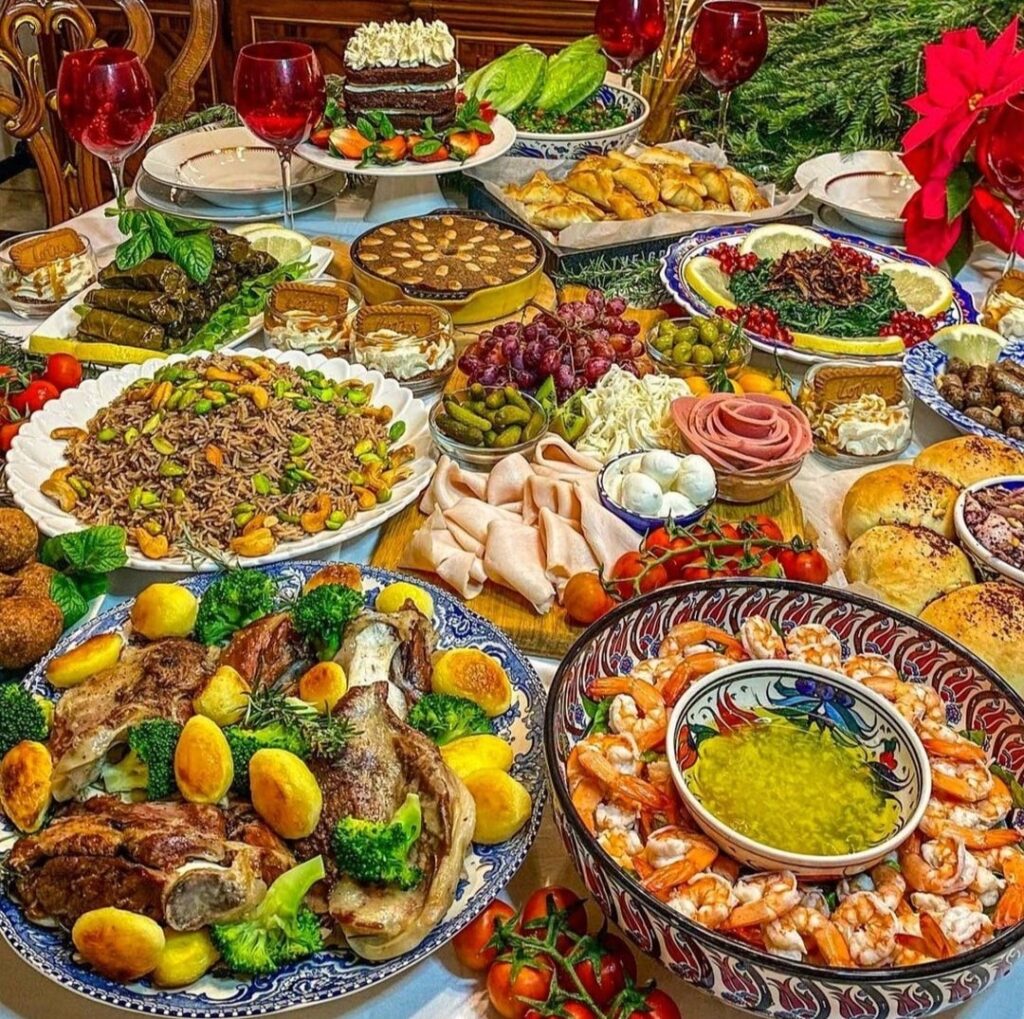
3. Foods of the Lebanese People
Lebanese food is internationally admired for its freshness, flavor, and healthy ingredients.
Popular Lebanese Foods Includes:
- Hummus
A creamy blend of chickpeas, tahini, garlic, and lemon.
- Tabbouleh
A salad made of parsley, tomatoes, bulgur, and lemon juice.
- Kibbeh
Considered Lebanon’s national dish—made of minced meat, onions, and bulgur.
- Shawarma
Worldwide favorite made with marinated meat roasted on a rotating spit.
- Manakish
Lebanese flatbread topped with za’atar, cheese, or minced meat.
- Baba Ghanoush
A smoky eggplant dip served with bread.
- Falafel
Fried chickpea balls, often eaten with vegetables in flatbread.
- Lebanese Sweets
- Baklava
- Knafeh
- Ma’amoul
Food Culture
- Meals are communal and social.
- Hospitality is central—guests are always offered food.
- Fresh vegetables, olive oil, and spices are common.
4. Religion of the Lebanese People
Lebanon is one of the most religiously diverse countries in the world.
Major Religious Groups
1. Christianity
- Maronites (largest Christian group)
- Greek Orthodox
- Greek Catholics
- Armenian Apostolic
- Protestants
2. Islam
- Sunni Muslims
- Shia Muslims
- Druze (monotheistic religion unique to the Levant)
Religious Coexistence
- Lebanon has 18 recognized religious sects.
- The government balances political power across groups.
- Festivals from different religions are observed nationwide.
5. Festivals of the Lebanese People
Lebanon hosts some of the biggest cultural and religious festivals in the Middle East. Some of these festivals includes:
A. Cultural Festivals
1. Baalbek International Festival
- Held in the ancient Roman temple complex.
- Features music, dance, theater, and opera.
- Attracts global artists.
2. Byblos International Festival
- Hosted in the historic city of Byblos.
- Celebrates music, art, and Mediterranean culture.
3. Beiteddine Art Festival
- Takes place in a 19th-century palace.
- Includes art exhibitions, opera, and dance.
4. Cedars International Festival
- Celebrates Lebanon’s national symbol—the Cedar tree.
- Music concerts held in the mountains.
B. Religious Festivals
Christian Festivals
- Christmas (December 25)
Celebrated with lights, nativity scenes, and family gatherings.
- Easter
Includes church processions and traditions like egg cracking.
Muslim Festivals
- Eid al-Fitr
Celebrates the end of Ramadan; includes feasting and charity.
- Eid al-Adha
Commemorates Abraham’s willingness to sacrifice his son.
Other Festivals
- Independence Day (November 22)
Patriotic parades and national events.
What You Need to Know About Lebanese Festivals
- They combine ancient traditions and modern celebrations.
- Many festivals highlight Lebanon’s music and art heritage.
- Cultural festivals attract tourists from around the world.
- Religious festivals emphasize unity despite diversity.
- Food plays a major role during every celebration.
6. Culture and Lifestyle of the Lebanese People
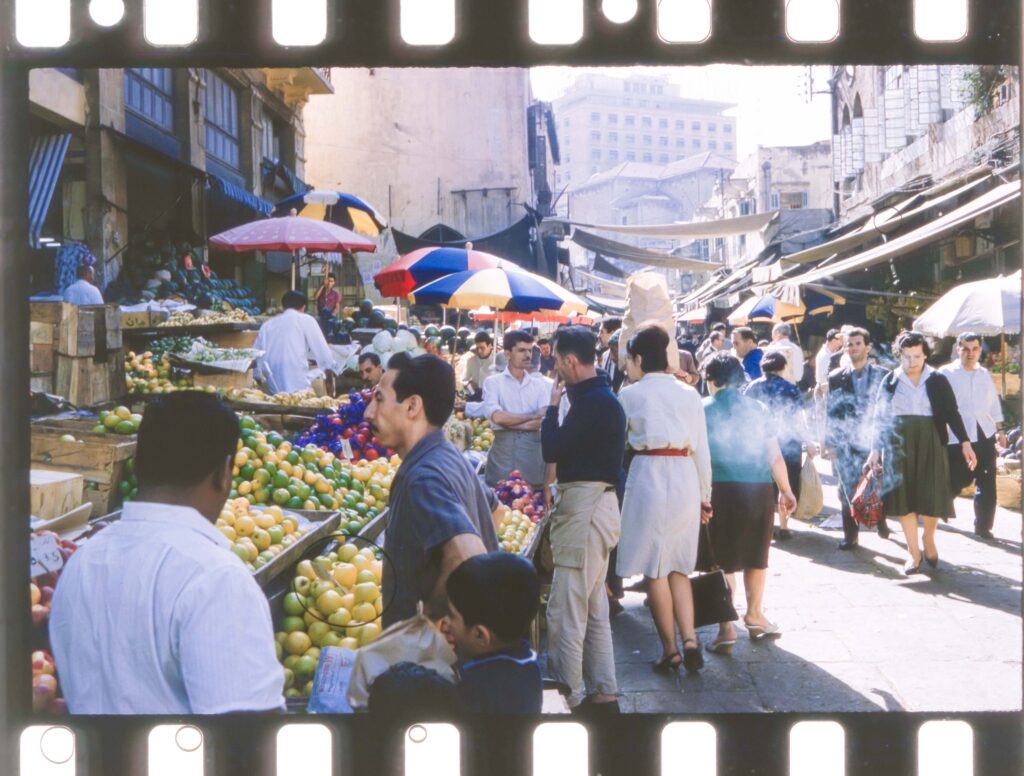
Lebanese culture blends ancient traditions with modern influences.
Hospitality
Lebanese people are known for warm hospitality—you will always be offered coffee, tea, or sweets.
Languages
- Arabic (official)
- French and English widely spoken
- Armenian in Armenian communities
Music and Dance
- Famous traditional dance: Dabke
- Modern Lebanese singers influence Arabic pop music.
Dress
- Urban areas: modern Western dress
- Rural areas: traditional clothing during festivals
- Religious attire varies by community
Family Structure
- Families are close-knit.
- Respect for elders is important and this is widely a global phenomenon to all cultures and tribes.
Art and Literature
- Lebanon has produced world-known poets like Kahlil Gibran.
7. Countries Where Lebanese People Can Be Found
Lebanese people are spread across the world due to migration. They traveled mostly for business, education etc.
Largest Lebanese Communities Outside Lebanon Are:
- Brazil – over 6 million people of Lebanese ancestry
- Argentina
- United States
- Canada
- France
- Australia
- Mexico
- Nigeria – strong business presence
- Ghana
- United Kingdom
You Can Also Read: Understanding Fractions Made Easy
The Lebanese diaspora is one of the largest per capita in the world.
8. Marriage Traditions of the Lebanese People
Marriage in Lebanon is deeply tied to religion, family, and tradition.
Pre-Marriage Traditions
- Families often meet to discuss the relationship.
- Engagement ceremonies involve exchanging rings.
Wedding Ceremony
Christian Weddings
- Usually conducted in a church.
- Brides wear white gowns; grooms wear suits.
- Traditional song: “Zaffe”, a celebratory procession with drummers and dancers.
Muslim Weddings
- Nikah ceremony with prayers.
- Celebrations include traditional music, feasting, and gifts.
Marriage Customs
- Weddings are lavish and involve large gatherings.
- Music and dabke dancing are central.
- Traditional foods served include kibbeh, rice dishes, and sweets.
Conclusion
The Lebanese people have a rich cultural heritage shaped by thousands of years ago of their history—from their Phoenician ancestors to their modern diaspora. Through their food, festivals, music, religion, and traditions, they continue to influence global culture. Whether exploring Lebanon or meeting Lebanese communities abroad, you’ll find a people passionate about family, hospitality, faith, and celebration.
I would love to visit the country one day