
Last Updated on 11th June, 2026.
Introduction
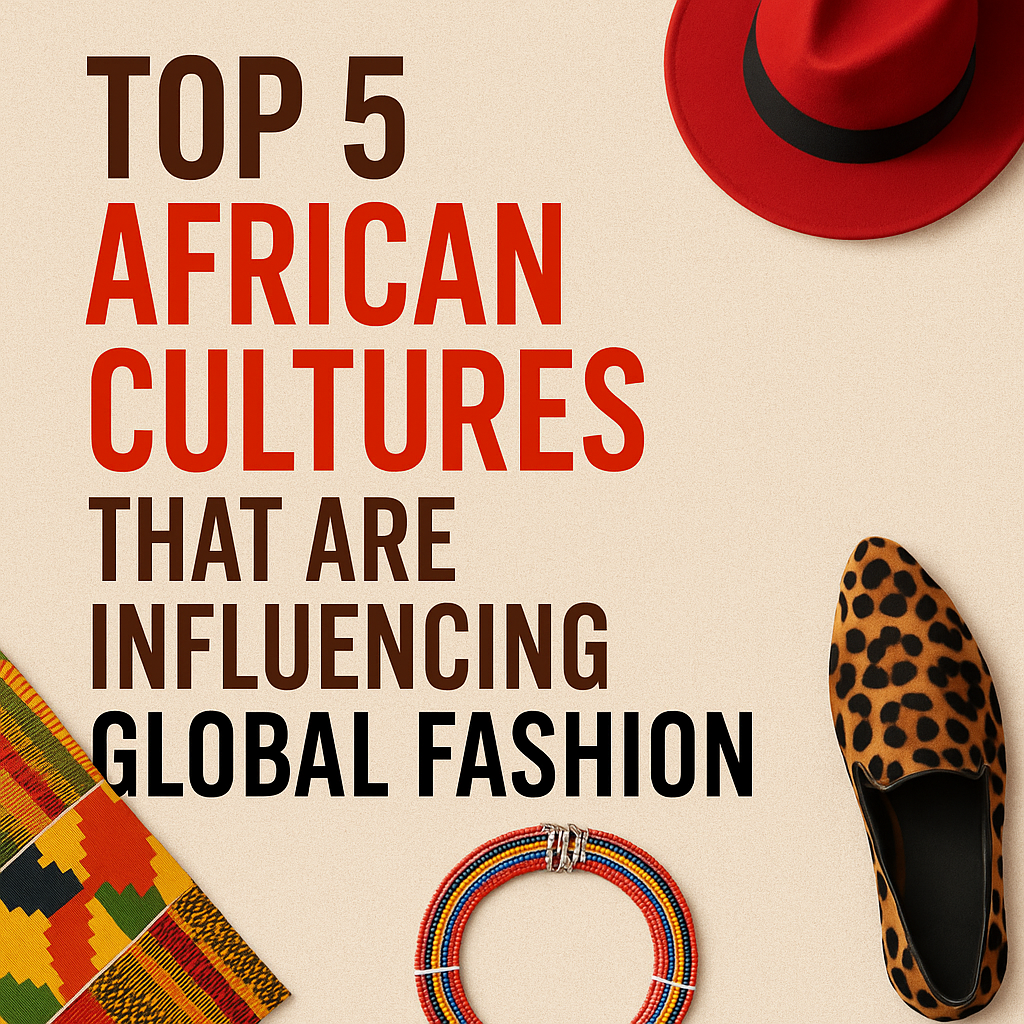
Across the global fashion landscape, Africa has emerged as a powerful source of inspiration, creativity, and innovation. From bold prints and handcrafted textiles to sustainable design practices and culturally rooted aesthetics, African fashion is no longer confined to the continent—it is actively shaping international runways, luxury brands, and streetwear culture. Designers, stylists, and fashion houses across the world are increasingly drawing from African heritage to create collections that celebrate identity, diversity, and craftsmanship.
Countries such as Nigeria, Ghana, South Africa, Senegal, and Ethiopia have become major cultural forces in this global shift, each contributing unique styles, fabrics, and fashion philosophies. In Nigeria, a platforms like Lagos Fashion Week have further amplified African designers, connecting local creativity with international markets and audiences.
This growing influence reflects more than just trends—it represents a global recognition of African identity, heritage, and storytelling through fashion. As a result, African cultures are not only participating in global fashion conversations but are also helping to redefine what modern style means today.
Africa’s Rising Voice in Global Fashion
Africa is no longer just a source of inspiration—it is the voice redefining global fashion. With vibrant prints, symbolic patterns, handcrafted textures, and deeply rooted stories, African cultures are making powerful statements on runways in Paris, New York, Tokyo, and Lagos etc.
What once appeared in niche collections is now dominating high-fashion brands, streetwear, and red-carpet style. African influence is not a passing trend—it’s a cultural renaissance. In this post, we highlight 5 African cultures whose traditional styles and motifs are reshaping the global fashion scene. Which has driven many tourists to the Continent.
Below are 5 African Cultures Which Has been Highlighted for us to entertain us
1. Yoruba Culture (Nigeria)
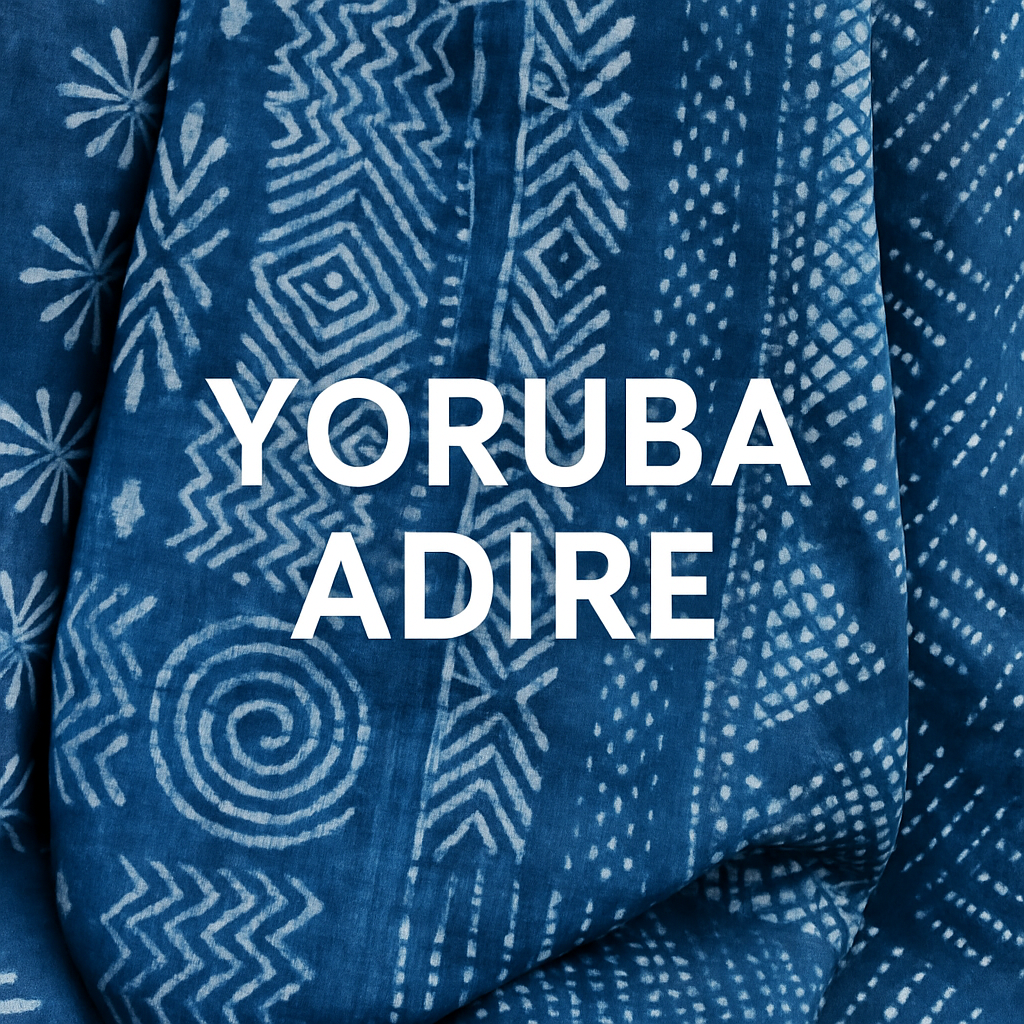
Fashion Influence: Aso Oke, Adire & Agbada
Yoruba culture has long been a powerhouse in African fashion, known for its luxurious textiles, ceremonial garments, and elaborate headwraps (gele). Traditional Aso Oke fabric, often handwoven with metallic threads, has found its way onto international runways.
Also Read: History and Origin of Jarawa Tribe
Adire is known for its rich blue tones, intricate resist-dye patterns, and cultural symbolism in Yoruba tradition which has inspired designers like Stella McCartney and Lisa Folawiyo. To this end, Modern Yoruba styles influence Afrocentric streetwear and bridal couture worldwide.
Global Influence:
- Beyoncé’s “Black Is King” incorporated Yoruba motifs.
- Adire print featured in Dior’s Cruise 2020 collection.
2. Maasai Culture (Kenya & Tanzania)
Fashion Influence: Beadwork & Color Blocking
Another African fashion that has gone global is the Maasai who are known for their bright red shukas (cloth wraps) and intricate beadwork that denotes age, marital status, and identity. Their style is bold, symmetrical, and symbolic—making it perfect for editorial fashion and haute couture.
Global Influence:
- Louis Vuitton’s Spring/Summer 2012 menswear borrowed from Maasai silhouettes.
- Maasai bead necklaces are reimagined in high-end jewelry lines.
Maasai color symbolism and craftsmanship are redefining minimalist and tribal fashion fusions. You need to visit and saw for yourself how Maasai cultures have drawn attention of the global audience.
3. Zulu Culture (South Africa)
Fashion Influence: Bead Geometry & Headpieces
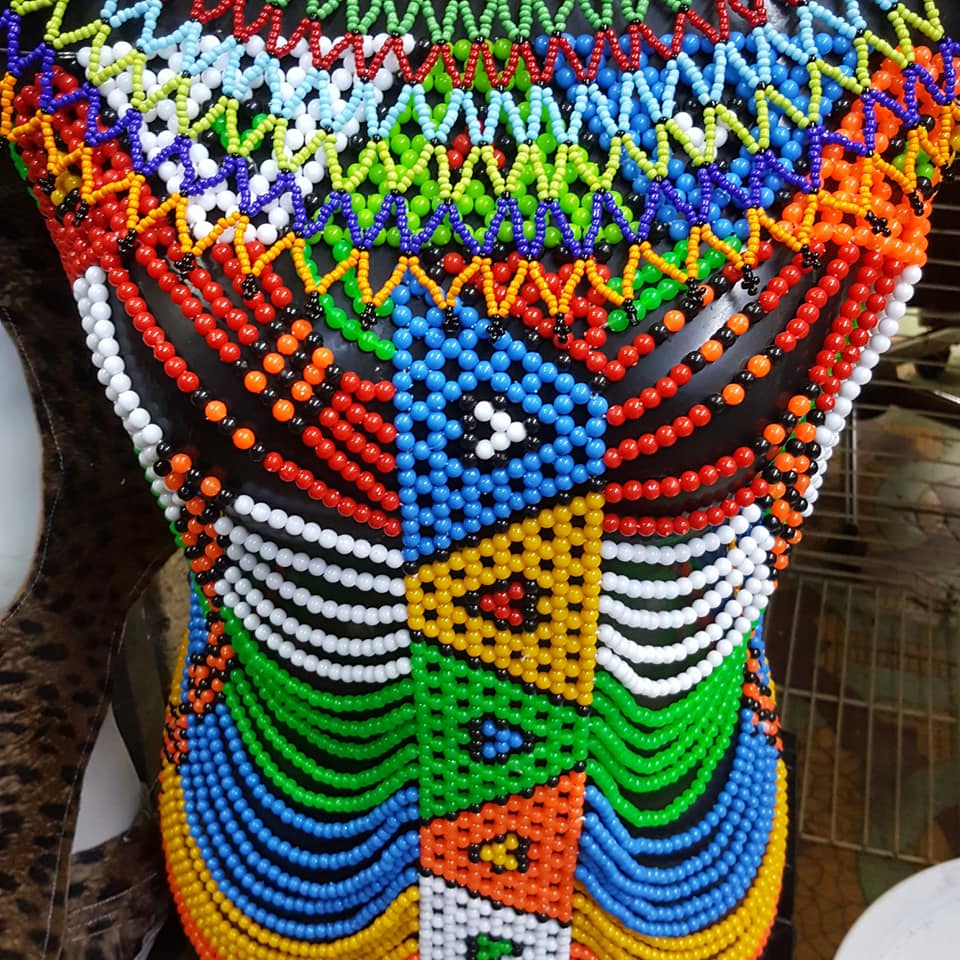
When you mention beadwork in South Africa, Zulu’s beadwork is mathematical and meaningful. Each color and arrangement communicate emotion or social status. The traditional isicholo (married woman’s hat) has influenced avant-garde headwear globally.
Global Influence:
- Alexander McQueen drew from Zulu headgear for several collections.
- Beyoncé and Solange have worn Zulu-inspired bead fashion in music videos and photo shoots.
Zulu geometry is inspiring wearable art and digital fashion design. You can get yours too.
4. Tuareg Culture (North & West Africa)
Fashion Influence: Indigo-Dyed Fabrics & Silver Jewelry
There’s this tribe called Tuareg people, also known as “The Blue People of the Sahara,” are known for their deep indigo turbans, layered robes, and intricate silver amulets. Their mysterious, desert-inspired look has influenced men’s fashion, festival wear, and bohemian styles globally.
Global Influence:
- Yves Saint Laurent was heavily inspired by Tuareg robes.
- Tuareg cross necklaces have become symbols of Afro-boho luxury.
From Marrakech markets to Milan fashion week, the Tuareg aesthetic is timeless and gender-fluid.
5. Akan Culture (Ghana)
Fashion Influence: Kente Cloth
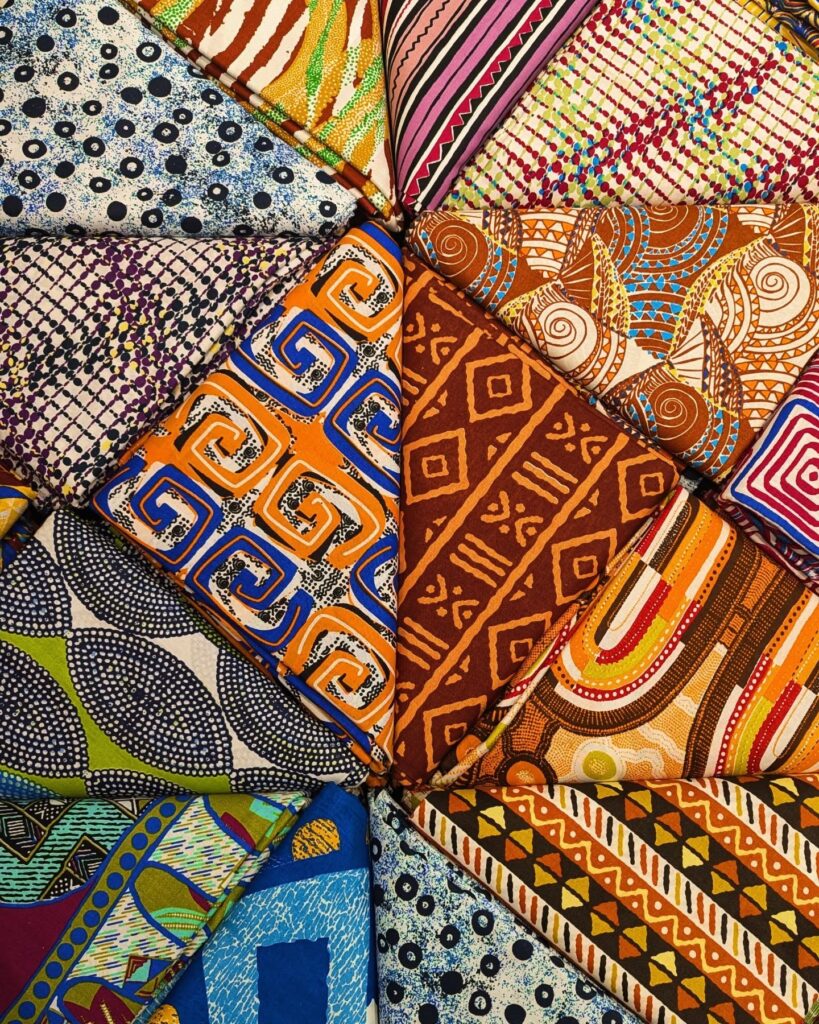
Perhaps the most iconic African textile, Kente cloth is woven with colorful silk and cotton threads, each pattern and hue representing proverbs, history, and community. Kente has been adopted as a global symbol of Black excellence and pride. This designed clothes has gained international patronage.
Global Influence:
- Worn by U.S. Congress members during Black Lives Matter protests.
- Appears in Afrocentric graduation stoles, weddings, and international galas.
Kente is no longer reserved for royalty—it’s a badge of honor across the diaspora.
Africa Fashion to the World
Digital platforms have made it possible for local artisans to influence global couture. African fashion is now owned, worn, and defined by Africans, reclaiming narratives from appropriation to celebration.
Why This Matters?
This matters because we showcase our cultural identity through fashion and fashion is not just aesthetics—it’s storytelling, resistance, and identity. Each fabric and motif tells a tale of history, belief systems, and social order.
- Wearing Kente is honoring Akan royalty.
- Rocking Adire is preserving Yoruba textile science.
- Showcasing Maasai beads is elevating tribal craftsmanship.
When these traditions go global with credit and respect, fashion becomes a bridge—not a barrier—between cultures.
You Can Also Read: The Forgotten Languages: 7 Endangered Tongues and Their Cultural Significance
Conclusion
In conclusion, the influence of African cultures on global fashion is both powerful and enduring. What was once considered regional or traditional attire has now become a major source of inspiration for designers, fashion houses, and style movements around the world. Through vibrant textiles, symbolic patterns, and deeply rooted cultural expressions, African fashion continues to reshape global perceptions of beauty, identity, and creativity.
Countries such as Nigeria, Ghana, South Africa, Senegal, and Ethiopia stand at the forefront of this cultural wave, each contributing unique styles and fashion traditions that continue to gain global recognition. Their influence shows that African fashion is not just a passing trend, but a lasting force shaping the direction of modern style.
Eventually, the rise of African cultural influence in fashion highlights the importance of heritage in contemporary design. As global audiences continue to embrace African-inspired creativity, it becomes clear that the future of fashion will be increasingly diverse, inclusive, and deeply connected to cultural storytelling.
Africa is the blueprint because African cultures are not just influencing fashion—they’re reshaping it. What was once exoticized is now being respected and reinterpreted. From the beadwork of the Maasai to the fabric patterns of the Yoruba, Africa is now proving that fashion with depth comes from the roots.
So, the next time you see a runway dress with tribal print or a celebrity in Kente or Adire, just remember that you’re not seeing a trend. You’re seeing tradition—with a global voice.
“Africa doesn’t follow fashion. Africa leads it.” – Kunzaar
Action
Which African culture inspires your fashion the most? You can comment below and showcase which wear is your favorite African piece!
Promoting cultures is what we do here. Join us promote cultural heritage so that some languages will fade away due to modernization or any other reason.
türkiye’nin en iyi req bet, escort hit botu. alanında bir numara. Rakipsiz, dünyanın en iyi escort ve bet hit botu. kafaya alan ücretsiz bet escort hit botu. https://www.r10hitbotu.com/ https://www.r10hitbotu.com/ https://www.r10hitbotu.com/ [fhvbicykxiztnryqur]