
By Habila Ibrahim, Abuja | Last Updated on July 19, 2026.
Introduction
I will be honest with you. The first time I read about the Manobo, I thought about home. There are people in Mindanao who ask the tree for permission before cutting it. They beat agungs until the earth shakes and they tell tales about diwata like my grandma tells tales about Osu in the woods back in Nigeria.
The Manobo don’t just live near the forest. They live with it.
They have grown uma for centuries, hunted and woven baskets while keeping a promise to their ancestors: protect the land, and the land protects you. Today some of them live in cities, some still in kamalig on stilts, but the conversation with nature hasn’t stopped.
I wrote this because Nigerian readers deserve to meet them. Different continent, same heart. When you understand the Manobo, you start to understand why we also light candles for ancestors, why harvest isn’t just food, it’s thanksgiving.
Let me take you with me to Bukidnon, Davao, and Agusan. Let’s meet the people who call themselves “Manobo” — “the people of the river and the forest.”
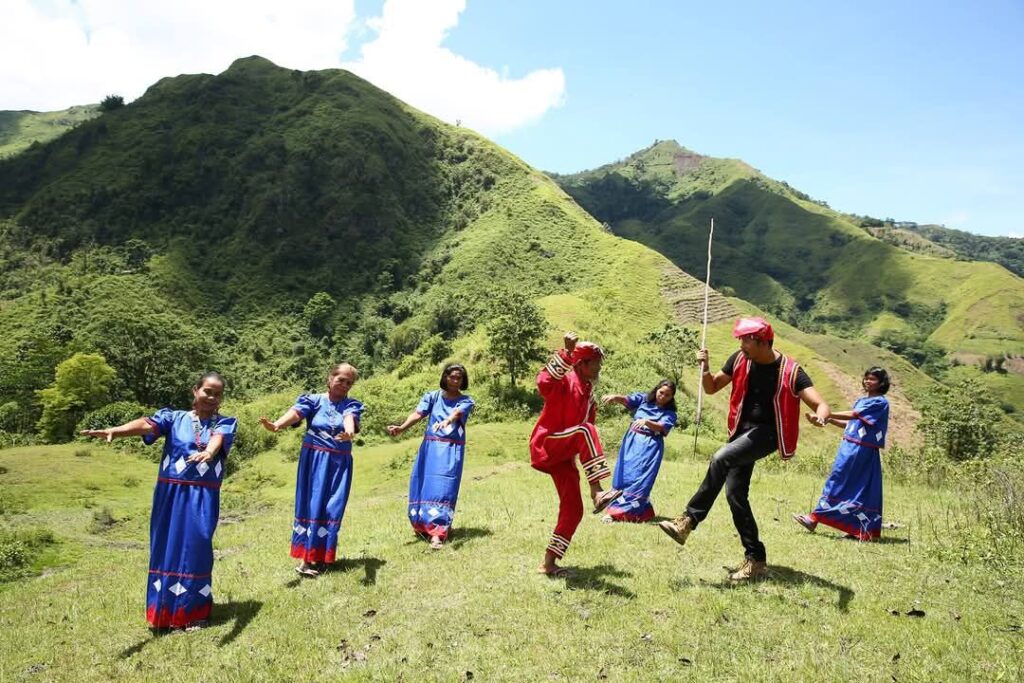
Biggest of all native ethnic groups in number of people, the Manobos inhabit the Philippines, predominantly the island of Mindanao. It is celebrated with a wealth of traditional ceremonies, unique dialects, ancient cultures and a living manner deeply devoted to nature and community spirit. Which we and you are interested in.
Also Read: The Krobo People
The Manobo group comprises of many subgroup such as Binukid, Higaonon, Agusan, Talaandig and etc which represent diversity of their practices and cultures throughout Mindanao.
History and Origin
Archaeologists and historians trace the Manobo back to the Austronesian migrations, making them one of the early ethnic groups in Mindanao. They originally settled in upland and riverine areas, practicing swidden (slash and burn agriculture) and establishing kin based communities.
Interactions between various ethnic groups, ranging from interaction with lowland settlers, through to Spanish colonial administration and later population migration and dispersal has significantly altered the nature of Manobo societies and cultural traditions across the generations.
Where are the Manobo Found?
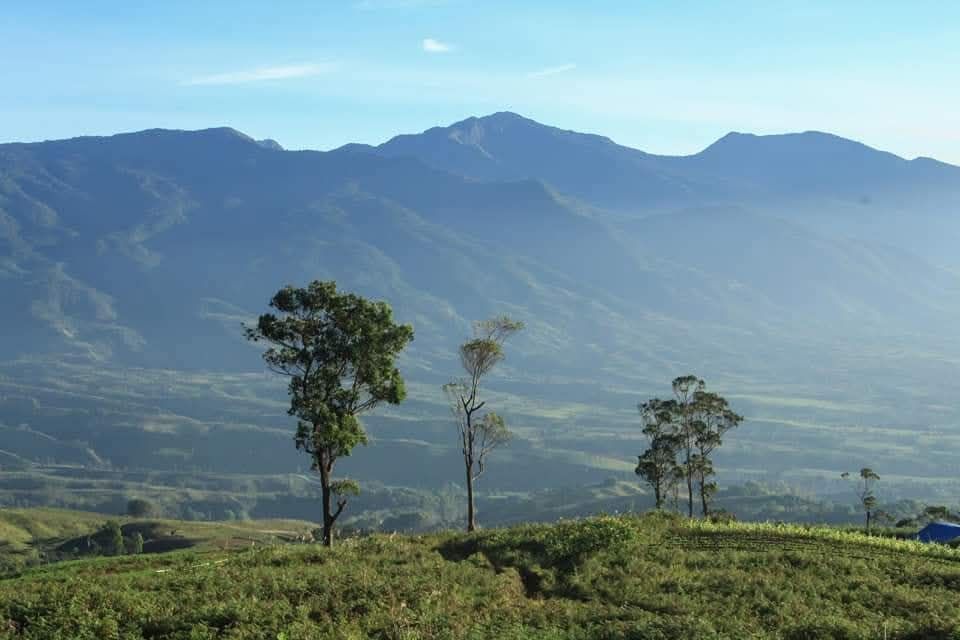
The Manobo are now found over most of Mindanao with significant populations in the following provinces: Bukidnon, Agusan del Sur – Cotabato, Davao Region, Surigao, Misamis Oriental and beyond.
Although they are most widespread in the Philippines, Manobo culture as a representative of the greater Lumad category of indigenous groups has had worldwide notice amongst anthropologists covering Austronesian cultures.
Language and Social Structure
Various languages in the Manobo family are spoken by the various Manobo subgroup. Due to education, interaction, and interaction between regions, many Manobos also speak other languages such as Cebuano, Filipino and English.
Most importantly is that the men dominate and is traditional that in most communities, it was male that hold political power and is referred to as Datu in our Philippine context. Historically, a datu (chief) was the leader of political and social in an organization of the community.
Daily life and Food
Livelihood
The majority of Manobo people are farmers who till fields for: Rice, Corn, Yams, Sweet potatoes, Legumes and vegetables and supplement their food supply by hunting, fishing, and gathering.
Traditional Food of Manobo People
Typical Manobo fare includes: Rice in bamboo, or “binamban” Binugsung – any type of food that is wrapped and then cooked in leaves, Various food prepared with fresh local herbs, vegetables and fish, chicken and pork or game animals.
This style of eating supports dishes grounded in the earth and on the principals of sustainability; we utilize our locale foods in the hopes of supporting the 1000-year-old tradition. They don’t used to forget their cultural food wherever they found themselves.
Religion and Beliefs
Manobo spirituality: Some mix traditional animism and Christianity in the easier to access places now.
Spirit Beliefs
The Manobo traditionally believe in:
• Anito – ancestral and nature spirits
• Baylan or balayan — shamans or ritual specialists
• Many gods and goddesses connected with natural forces, creation and events in life.
Rituals are performed for such things as harvest blessings, healing, peace pacts, thanksgiving — often with offerings to spirits. That’s for those who still believe in the works of their ancestral spirit.
Manobo Culture and Traditions
The Manobo have a rich cultural life featuring:
Art and Craft
They produce:
• Basketry
• Weaving (using abaca or plant fibers)
• Wood carving
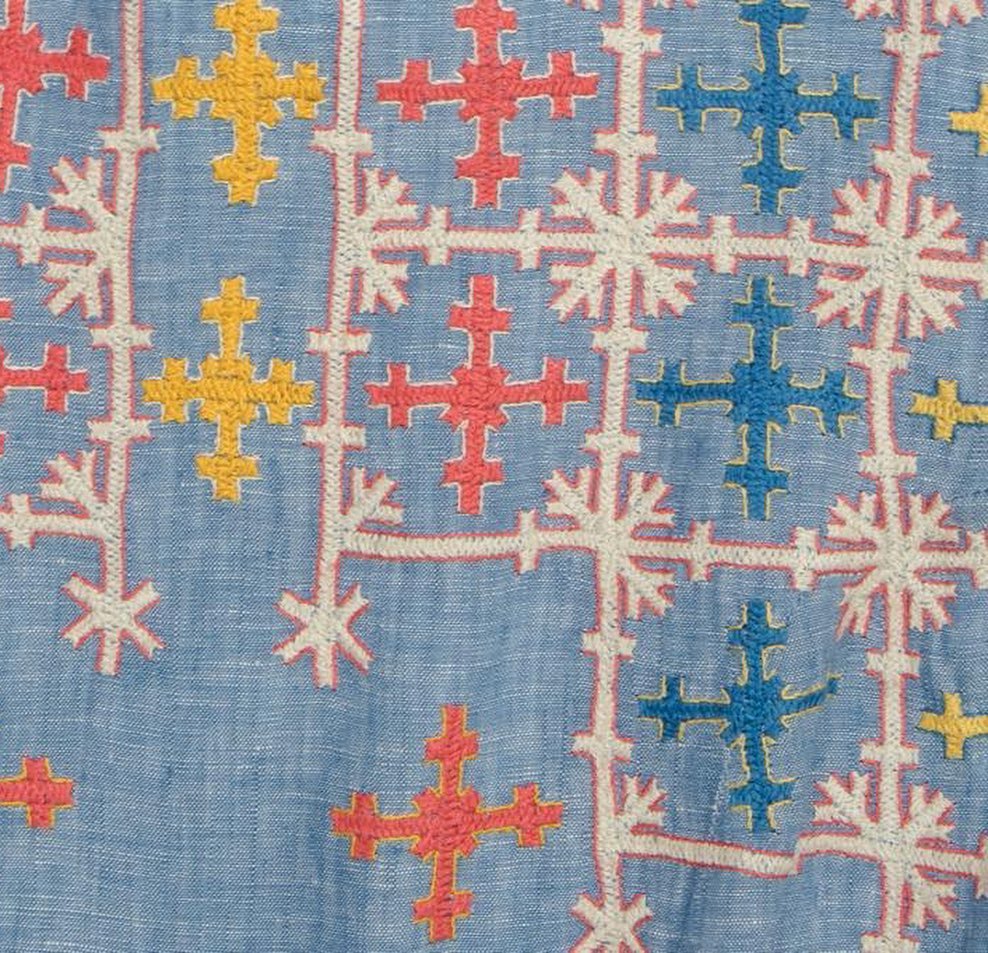
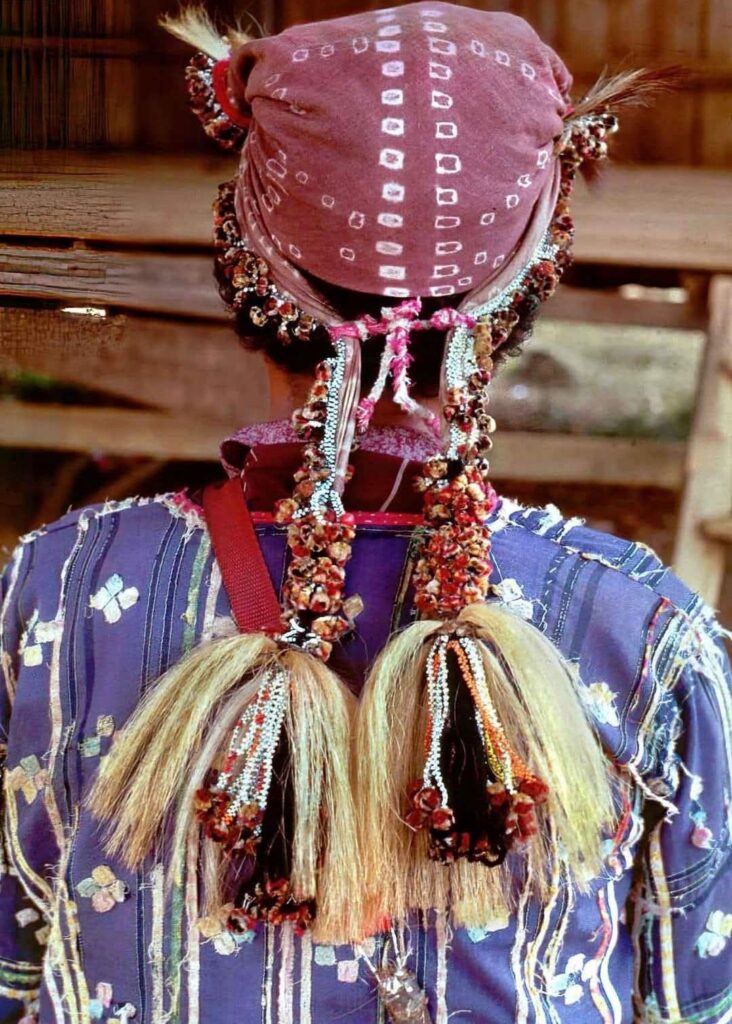
• Ceremonial attire with symbolic patterns and colors.
Also, the most worn attire even for special functions includes the embroidering dresses and headpieces. Similarly, they wear it in cultural ceremonies also.
Music and Dance
Festivals and rituals often center around dance and music, used to celebrate harvests, marriages and rites of passage.
Major Festivals of the Manobo People
Kaamulan Festival
The Manobo, and the other tribes of Bukidnon, have a well-known and treasured event they refer to as the Kaamulan Festival.
“Kaamulan” is derived from a word that means “to come together,” and celebrates such traditional events as: Rituals of the tribe, Datuship ceremonies, Bridesmaids, Peace treaties and Thanksgiving dinners. The festival is held in Malaybalay City from late February through March, and features indigenous dances, music, and tribal customs of all seven hill tribes, including Manobo.
More than just entertainment, this festival is a vibrant living-culture exhibit celebrating the identity and history of indigenous people of Mindanao.
Marriage Traditions
Traditional Manobo marriage practices are symbolic and participatory:
You Can Also Read: Petra in Jordan – The Ancient Rock-Carved Wonder of the World
• Planned Marriages: Generally the product of family agreements. Elder consent is alway soughted.
• Polygyny: Practices by men, with the financial means for it, has been common in the past.
• Wedding Rituals: It often includes the blessing and ritualistic participation of the datu or tribal leaders of the community.
• Christian Marriage – Is involved the blessing and prayers by the Church’s priest or Pastor. “Those are to be for ones who hold Christian beliefs in practice”.
Kumbithi wedding rituals which though modernized are still a celebration of age old principles that guide society regarding family, community strength, and shared destiny.
Challenges and Modern Changes
Like most indigenous communities, Manobo’s struggles are: Cultural loss/erosion, Land displacement, Cultural invasion from dominant religions and education, Pressures on economy and migration.
Nevertheless, many of these towns and cities make an effort to preserve that culture in spirit and recognize its existence and richness in heritage.
Conclusion
The Manobo taught me something simple: you don’t own the land, but you belong to it. Whether they’re dancing binanog at Kaamulan, weaving baskets in Bukidnon, or whispering to diwata before planting, they’re reminding us of something we’ve almost forgotten back home too. Mean that harvest is prayer and that ancestors are not gone. That rivers and forests have memory.
The Manobos of Central Mindanao. The Manobo tribe is a group of lively, enduring tribal inhabitants who’ve managed to keep a grip on the ancient ways, that still guide and influence their life. They still cling to their native ways of agriculture, traditions that come alive during their yearly celebrations like the Kaamulan. They honor their culture, the land and those who came before them.
Getting to know the Manobo better helps us to get a greater insight into the vast colourful cultural diversity of the Philippines. And this will help in your visit to such cities. It opened us to realize there is this group of Philippine people they are called “the manobos”.
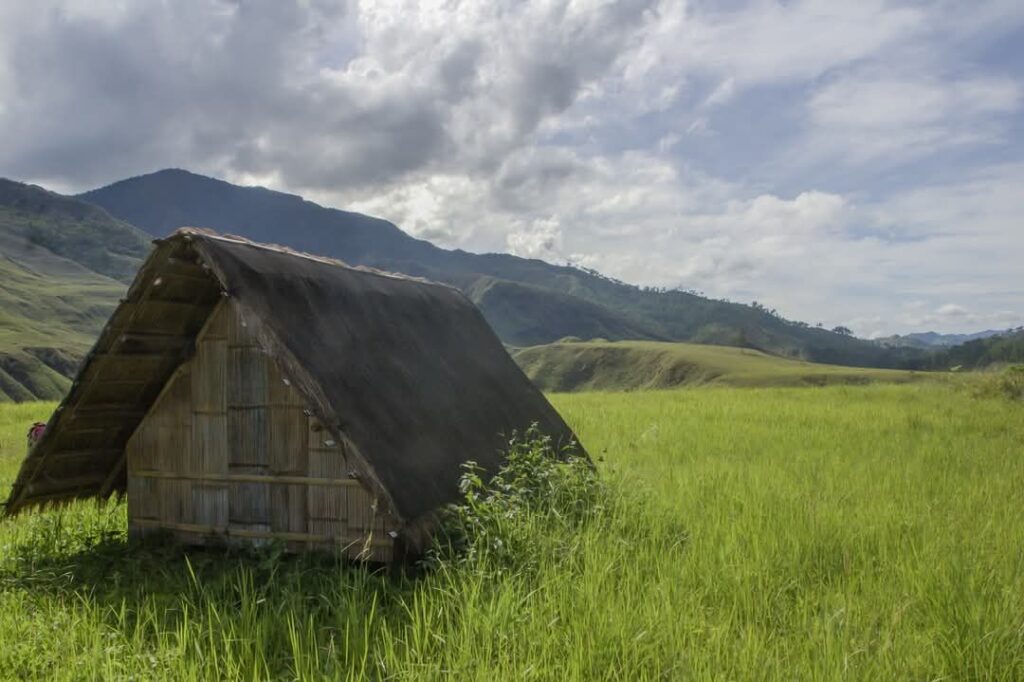
Different country, different language. But the same heart.
If this story moved you, tell me what part stayed with you. So have you ever got the urge to protect a place, or heard stories about the spirits in your own village? Then I would be really happy to hear the story.
Hope this post is helpful? Keep visiting our blog as we take you round the world to educate you about some tribes and their cultures. We will keep bringing many tribes, traditions and cultures to your doorstep.
About the Author & Sources
My name is Habila Ibrahim. I’m a culture scholar based in Abuja, I write these stories, I think Nigerians need to see themselves on the globe. If i read “agung” and “uma” my imagination goes to where the house was!
For this article I pulled from:
– Philippine National Commission on Indigenous Peoples records
– Interviews and oral histories from Manobo elders in Bukidnon and Davao
– Cultural documentation from Kaamulan festival organizers