

Introduction
Ghana is home to diverse ethnic groups, each with a unique history and cultural identity. Among them, the Krobo people stand out for their artistic traditions, particularly in bead-making, as well as their vibrant festivals and deeply rooted heritage. Residing mainly in the Eastern Region of Ghana, the Krobo have preserved their ancestral customs while embracing modern life. In this article, we will explore the location, cultural heritage, and traditional festivals of the Krobo people, highlighting their role in Ghana’s cultural tapestry. Culture, defines who you are.
Location of the Krobo People
The Krobo people live primarily in the Eastern Region of Ghana, particularly in the Manya Krobo and Yilo Krobo traditional areas. Their lands stretch around the Krobo Mountains, close to towns like Odumase-Krobo, Somanya, and Kpong. Due to fertile lands and a favorable climate in their region, the Krobo have traditionally been farmers, cultivating crops such as maize, cassava, and yams and also fishing.
Also Read: The History of Oromo People
Proximity to rivers like the Volta River also makes fishing and trading important economic activities. Over time, many Krobo have migrated to urban centers such as Accra, but their ancestral towns remain cultural hubs, especially during festival seasons.
Cultural Heritage of the Krobo People
The Krobo have a rich cultural identity that is deeply tied to their traditions, craftsmanship, and communal life. Other tradition among the Krobo include:
1. Bead-Making Craft
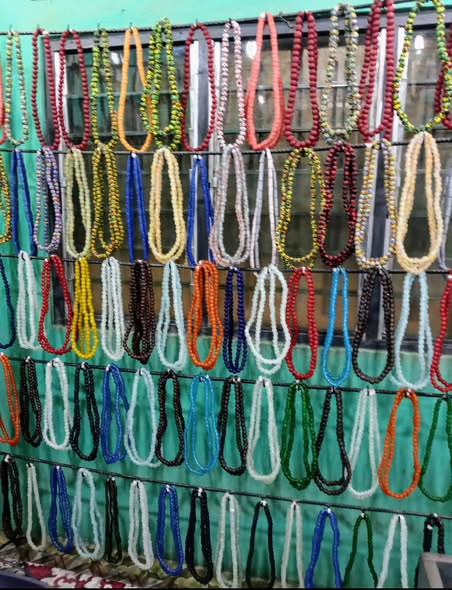
The Krobo are famous for their bead-making industry, one of the oldest and most respected crafts in Ghana. The people skillfully create beautiful glass beads using traditional methods passed down through generations. These beads carry cultural significance, symbolizing status, beauty, spirituality, and heritage. They are also cherished souvenirs that attract visitors from across the world. Beads play an important role in birth, marriage, initiation, and funeral ceremonies. Today, Krobo beads are internationally recognized and exported around the world.
2. Social Organization and Chieftaincy
Like many Ghanaian ethnic groups, the Krobo have a well-structured chieftaincy system. The paramount chiefs of Manya Krobo and Yilo Krobo oversee cultural, social, and traditional matters. Chieftaincy is not only a form of leadership but also a symbol of unity, guiding the people in preserving their heritage.
3. Language and Religion
The Krobo speak Krobo (a dialect of the Dangme language), which connects them to the broader Ga-Dangme ethnic group. Traditionally, they practiced African Traditional Religion, worshipping deities and ancestral spirits. Today, Christianity is widespread, but many cultural practices still retain elements of traditional beliefs.
4. Marriage and Family Life
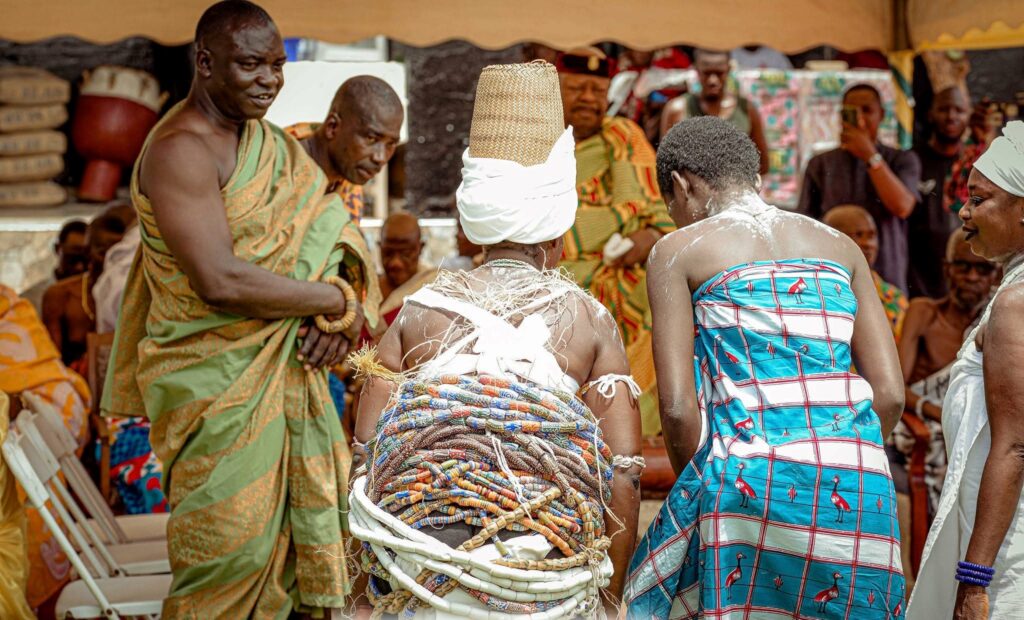
Marriage among the Krobo is highly respected and traditionally involves the exchange of beads and gifts. Family ties are strong, and respect for elders is central to community life. Beads, again, play a symbolic role in marriage ceremonies, representing beauty, fertility, and prosperity.
5. Traditional Music and Dance
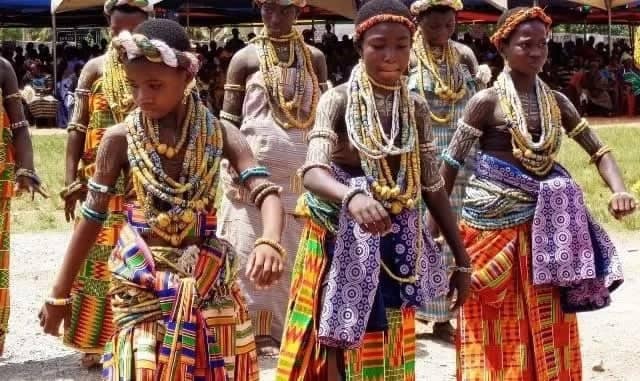
Krobo music, often accompanied by drums, flutes, and rattles, brings stories of bravery, love, ancestry, and celebration to life. Their dances—graceful, rhythmic, and expressive—serve as powerful symbols of unity and communal strength.
Traditional Festivals of the Krobo People
Festivals are central to Krobo cultural life, providing opportunities to celebrate, renew traditions, and unite communities.
1. The Dipo Initiation Rite Festival (Girls’ Initiation Rites)
The Dipo Festival is the most famous celebration of the Krobo people. It is an initiation ceremony for young girls transitioning into womanhood.
When: Usually held in April.
Where: Celebrated across Manya Krobo and Yilo Krobo areas.
Highlights: Young girls wear beautifully decorated beads and traditional attire, undergo rituals, and participate in dances. The ceremony emphasizes purity, maturity, and readiness for adulthood. It is also a way of passing cultural knowledge from one generation to the next.

2. Ngmayem Festival
The Ngmayem Festival is another important Krobo celebration.
When: Celebrated in October.
Where: Observed in the Manya Krobo and Yilo Krobo traditional areas.
Highlights: A harvest festival to thank the gods and ancestors for a bountiful millet harvest. It includes drumming, dancing, feasting, and the display of colorful Krobo beads. Chiefs and elders play a central role, with the festival reinforcing unity and gratitude.
Strong Communal Spirit
One defining feature of Krobo culture is the deep sense of unity and togetherness. Whether during festivals, funerals, or developmental projects, the community stands together, guided by the wisdom of traditional leaders such as the Konor and divisional chiefs.
You Can Also Read: The Misery of Lake Nyos
Significance of Krobo Traditions
The cultural practices and festivals of the Krobo people are more than mere ceremonies—they are living expressions of identity. Through bead-making, chieftaincy, and festivals like Dipo and Ngmayem, the Krobo preserve their heritage and educate younger generations. These traditions also attract tourists, boosting Ghana’s cultural tourism and promoting intercultural understanding.
Conclusion
The Krobo people of Ghana are a shining example of how tradition and modernity can coexist. Their location in the Eastern Region, vibrant cultural heritage, and colorful festivals make them one of the most significant ethnic groups in West Africa. From the artistry of bead-making to the symbolic rituals of the Dipo initiation, Krobo traditions continue to inspire pride and identity both locally and internationally.