
By Habila Ibrahim | Last Updated on 8th July, 2026.
Introduction
In central Tanzania there are people who measure wealth in cattle. No cash needed, no land needed but only cows. They are the Gogo.
The Gogo (or Wagogo) are a Bantu tribe. They speak a language called Cigogo. Most of them live in the Dodoma region.
Cattle Are Our Family
A Gogo man’s wealth is not in cash. It’s in the ng’ombe (cow). Dowery? Well, that, they paid in cattle. Baby is born ? And cows are killed to welcome them in. Gogo’s elders say: “The cow is like the child. “You look after it, it looks after you.”
This remind me of a similar practices by Fulani tribe of Nigeria which is so lovely and interesting.
Culture is part of life. The Gogo, one of Tanzania’s largest ethnic groups, maintain ancient traditions, resilience and their specific way of life and family organization, passed down over generations. They cover an area of land in central Tanzania.
Gogolandia may have made an impact on different sections of Gogo’s lives but they are far from abandoning their past beliefs and culture. Their heritage, matrimonial rituals, food traditions, beliefs as well as festivals gives a wonderful opportunity for travelers and researchers to study one of East Africa’s oldest Cultures.
Here we explore Gogo’s lives, their tradition, customs and culture in detail so you can better understand the Gogo people in Tanzania.
Who Are the Gogo People?
Gogo the Wagogo tribe The Wagogo (singular Mgogo) are a group of Bantu people that traditionally reside in the central part of Tanzania. It’s one of the largest ethnic communities in the East African nation. The Wagogo have influenced social aspects of Tanzanian culture to a greater extend.
The Gogo are especially recognized for their expertise in livestock keeping, farming, traditional music, and strong kinship systems which have make their tribe stands out for years in Tanzania and beyond.
Their way of life reflects centuries of adaptation to a semi-arid environment that dominates much of central Tanzania where a lifestyle, culture, community values are unique.
Origin and History of the Gogo People
The origins of the Gogo people can be traced way back to the broader Bantu migrations that spread across much of sub-Saharan Africa for many centuries ago.
The ancestors of the Gogo came to central Tanzania from areas west and north and later settled in areas of what is now Dodoma Region and adjoining localities. Their manner of living were determined by the rugged climatic conditions of the region i.e. Central Tanzania where droughts were common and these conditions helped give rise to ways and measures to live on it by agriculture and cattle and also an alternative of living method over there irrespective of its conditions.
Also Read: The Manobo People of Philippines
By the nineteenth century the Gogo emerged as key actors in the region’s trade relations. In the past They occupied well-known caravan trade routes between the interior of east Africa and the coast. Caravans which shuttled back and forth between inland states and the coast were likely to pass through Gogo territories, thus enabling to set up and business opportunity in the routes.
With the arrival of German colonial troops in Tanzania in the 19th century Gogo society faced drastic economic and political changes. Later the British colonial administration changed aspects of local administration and education.
But the Gogo maintained many traditional institutions which still influence the life of the community to this day.
In Which Place Gogo People are Located?
The Gogo are mainly located in the central parts of Tanzania, particularly in: The Dodoma region, Chamwino District Council , District of Kongwa, Mpwapwa District, Manyoni District and Some parts of Singida Region.
There is also the issue of migration that has brought about other families of gogos in some areas of Tanzania. For instance, Dar es salaam, Dodoma and Mwanza as well have seen gogos family come in to migrate into those urban areas as well as centers.
For most, though, it’s the soil beneath their feet, in their homeland in Tanzania, that has held them back.
Language of the Gogo People
The Gogo people are speakers of the Gogo language, called Cigogo or Kigogo by local speakers.
They are speakers of the Bantu group of languages, and the language of the Gogo people is related to other nearby languages in Tanzania.
Gogo Language, Swahili and English are the other languages spoken today by the great number of multi-lingual Gogo.
Despite a national language in Tanzania, in this case Kiswahili is what you can really hear around education, business, and the government sector.
The Traditional Form of Organization in Traditional Organization
The social system of Gogo usually functioned with the traditional extended families of a community. The society was well built on interdependent living that family was an integral community in which closely related people live together in settlements in mutual support.
As it is found in African culture and tradition where community elders play important roles in Gogo people too in areas such as:
• Conflict resolution
• Cultural preservation
• Marriage negotiations
• Land management
• Spiritual guidance
In Africa, respect for elders remains one of the most important values also within the Gogo society.
The children learned since they are very young to venerate parents, grandparents and people in positions of authority.
Culture and Traditions of the Gogo People
Unity, hard work and respect towards elders and fellow citizens are the bedrock of the Gogo way of life. Don’t you ever for a second forget the responsibility of society as awhole. There are a lot of cultural aspects that are still relevant to the Gogo nation today
Traditional Clothing
Historically, Gogo clothing was made from animal skins and locally woven materials.
Clothing in most African households today may be modern, but there are those occasions among the Gogo people where traditional clothes are still found: Traditional wedding ceremonies, Cultural functions, Community party , Marriage, Ceremony, Ceremony and community get-together.
The Women typically put on flowery cloths and shiny ornaments. In ceremonial gatherings or functions the men wear ceremonial dress.
Music and Dance
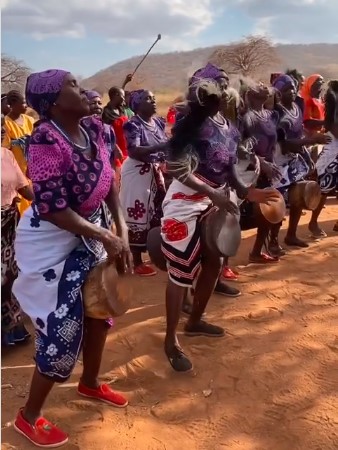
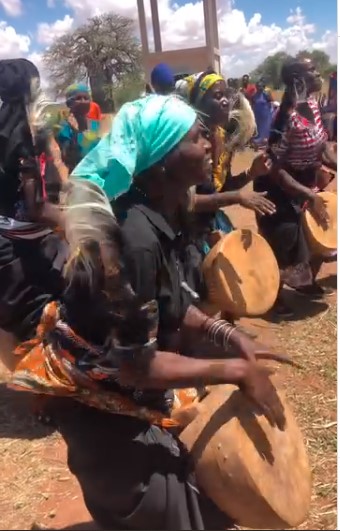
Music is central to Gogo cultural life.
Traditional songs can be heard during a : wedding, harvest feast, initiation ritual and religious ceremony.
Here is an exhaustive list of some musical instruments for kids: Drums, Rattles, Horn instruments and String instruments.
Dance pieces might narrate events about the history of their community, the community’s social values, and also ordinary life activities.
The energetic rhythms and synchronized movements make Gogo dances among the most admired traditional performances in Tanzania and anyone that watches the dance, have to fall in love with their types of dances.
Storytelling Traditions
Storytelling has long been a major means of education among the Gogo. When a grand older man, would gather group of kids and will narrate different stories to them. With all amusement they will look at him wonder.
This has been going on for decades with the elders sharing their knowledge by word ofmouth through: Folktales, Proverbs, Legends and Historical accounts.
The books, all illustrated by the author, communicate vital lessons on honesty, courage, wisdom and respect to children.
Food of the Gogo People
Some Afrixan tribes are known because of their special meal. The traditional diet of the Gogo corresponds to the way of life (farming, ranching, and gathering) of its people.
Staple Foods
Some of the staple foods of the Gogo people include; Sorghum; Millet; Maize and Cassava.
The crops will grow well in central Tanzania because they have a climate friendly adaptation.
Traditional Meals
Traditional gogogos is revered because gogogo men love to bring this dish along with their Gogo dishes to wherever they may go. Here they are of our cherished Gogo dishes that I used to love
Ugali
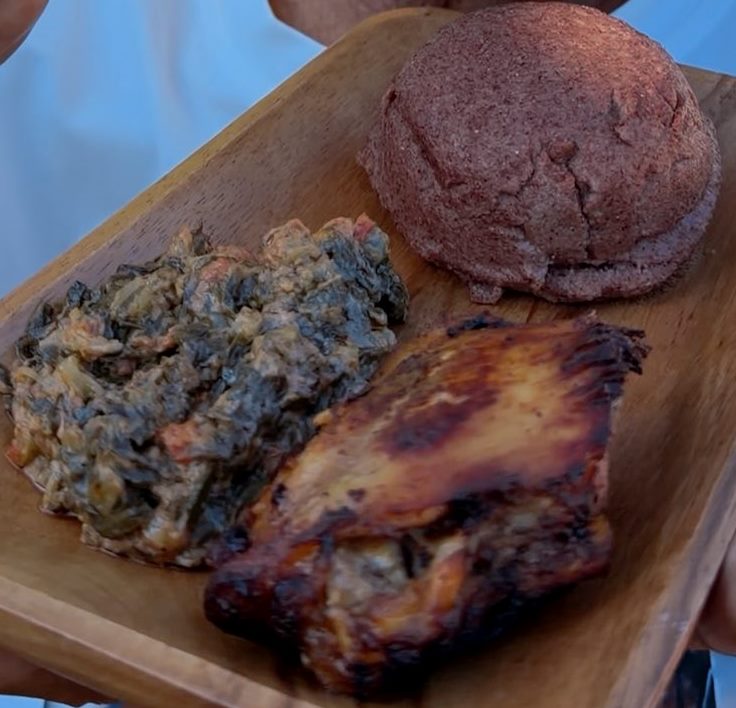
A common food found everywhere in Tanzania is an extremely thick porrid ge, a stiff dish that has been thickened by sifting maize flour into boiling water.
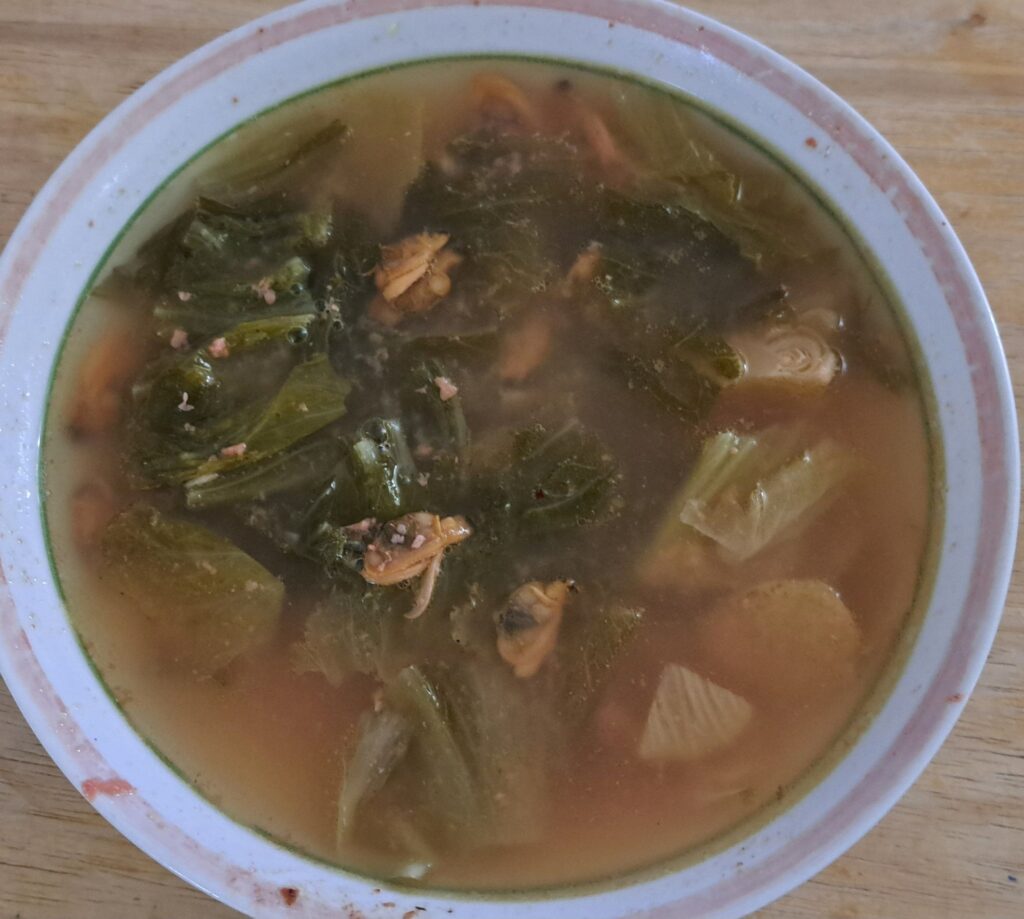
Ugali is then either eaten with some kind of vegetables, with meat or sauces, or sometimes with some sort of stew or beans.
Sorghum Porridge
This highly valued grain can be turned into a highly nutritious porridge consumed by many young and old alike.
Milk and Dairy Products
Because livestock keeping is important, milk plays a significant role in the traditional diet.
Milk, Yogurt and dairy meals etc are generally eaten.
Meat
Goat, cattle, and chicken meat are prepared during celebrations, weddings, religious celebrations and communal gatherings.
What is economy of Gogo Traditional?
Gogo economy based on the cultivation and use of animals.
Farming
Gogo people farm very well and their major crops include:
• Sorghum
• Millet
• Maize
• Sunflower
• Groundnuts
Farmers have developed techniques suited to the semi-arid environment.
Livestock Keeping
Cattle ownership is highly valued among the Gogo people and livestock serve several purposes such as:
• Source of food
• Economic wealth
• Marriage payments
• Cultural prestige
Cattle remain symbols of social status and family prosperity.
Religion of the Gogo
The religion among the Gogo People consists of: Traditional, Christian and Islamic.
Traditional Beliefs
Historically, the Gogo believed in a supreme creator and a spiritual world inhabited by ancestral spirits that’s before the coming of Christianity and Islam.
Some practices involved in the religions included: Prayers Ceremonial rites , Ancestral worship and Rite of healing.
There are a number of events, however, during the course of an average lifetime when people turned to spiritual guides in times of trouble and concern.
Christianity
During the period of colonisation Christianity was introduced to the people of the Gogo by way of missionary work and as such many now practice a form of Christianity that relates to one of the many Christian churches present today.
Islam
There are some also who follow islam. The people in the vicinity that is those that live in trading routes linking with the coast of the sea at Tanzania, this are often some individuals or groups from the entire community who may follow the islam.
Religion normally peaceful and the couple normally allow each to observe ancient and modern faith systems. Which has earned them peace in their region.
Marriage Among the Gogo People
Marriage is one of the most important institutions in Gogo society because of the priority they give to marriage because it is viewed not only as a union between two individuals but also as an alliance between families.
Though religion has influenced some aspects of the Gogo’s marriages but they still respect traditional contribution as far as it will not interfere with the success of the marriage. But the Christianity discouraged the multiple marriage.
Courtship
Family traditionally involved themselves in the choice of suitable marriage partner in terms of partner identification. Despite the prevalent modern dating life style however, family approval and support are very significant and important to many in the society.
Bride Wealth
The groom pays bride wealth, which has been the focus of a large proportion of Gogo bride price related research.
Money to bride’s family and livestock and other presents are sent to bride’s parents such as :- Cow and other livestock Monetary gift, etc. Parents of groom presents gifts to parents of bride which can be some household items.
Bride wealth reflects gratitude and cement two families together.
Wedding Ceremonies
A traditional wedding consists of these stages: Introductions between families; Negotiations of the marriage; Agreement on bride wealth ; Traditional festivities; Traditional celebration feasting and Traditional community feasts.
There are music performances and dance and art exhibitions as well.
Family Life
Once married, they are expected to make their contribution toward the betterment of their families and their extended families. They are very precious to a child. In most African cultures a person with children means family continues and the person will not be remembered once they pass.
Festivals of the Gogo People
Festivals are what keep many culture alive today. In contrast to some cultures where there is a central festival that is officially acknowledged every year the Gogo have numerous local festivals that have to do with a myriad of things. All these are quite a deal of juggling in any context and then here when there is different farming seasons and seasons for celebrations and occasions as well as a religious aspect in terms of festivals.
It isn’t changing any part of that that this is a method of demarcating your identity.
Harvest Celebrations
Harvest festivals are a traditional gathering of many types, they are harvest of crops and all crops of a particular man are going to the man’s farm in a party together with many people.
These ceremonies come after good farming season and they feature these elements: A feast by the community, A ceremony featuring chanting, A festive and jubilant dance session thanksgiving ceremonies and Sharing of food.
This way a promise is ensured; it is confirmed that festivals are a place for unity of mankind, but more importantly, it is the expression of gratitude for all the fruits.
Traditional Dance Festivals
Cultural elements of the Gogo culture highlight with the dance festivities of that particular place.
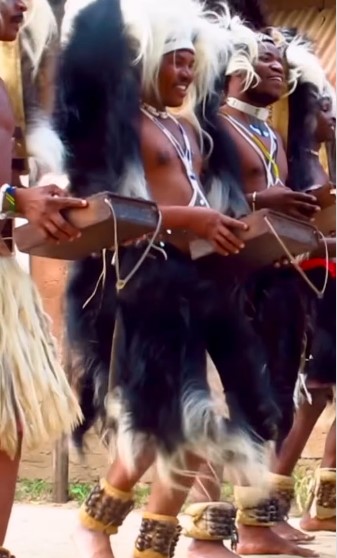
They sing songs which mention events of: the past, the family in which there has been a positive celebration ,community achievements and morals
Young people also learn cultural traditions through participation.
Marriage Festivals
The way it is a sizable event that may include a whole lot for the purposes of it turning into a form of cultural festival. In the instance the party is going to take place if there is to be considered a significant population from the Gogo folk, one can expect for those who comprise these particular components of the party to: Traditional dances ; Musical; Dancing Storytelling and Communal dining.
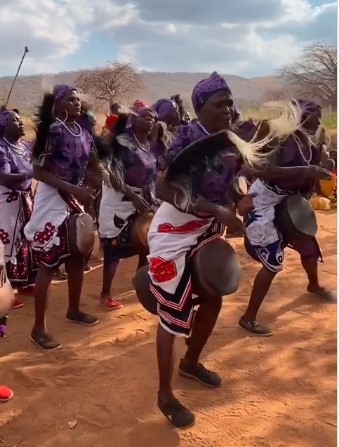
- Traditional dances
- Musical performances
- Storytelling
- Communal meals
You Can Also Read: Petra in Jordan – The Ancient Rock-Carved Wonder of the World
In such case extended family relations plus neighbors could conceivably take part as well.
Values of the Festivals
Gogo festivals have multiple roles:
Cultural Heritage Maintenance The festivals teach to youngsters about the traditions of ancestors.
Societal Coherence
It provides oneness of the people of a society.
Spiritual Nourishment
The concept of good fate is involved in prayers in some of the festivals.
Festivals of Merriments
Music and dancing make part of many festivals.
The Dilemma of the People
Many indigenous peoples in the Gogo region, like the rest, are dealing with: Climate change, Drought, Migration to the city , Economic problems and Cultural erosion.
Despite these factors, community leaders, teachers andcultural institutions continue the fight to saveGogok culture in this globalized world.
The Future of Gogo Culture
Protecting language, traditions and community values may be key to the continued vitality of the Gogo way of life. These are the things many languages should put as priority to safeguard their culture and tradition from extinction.
Currently initiatives to support include:
– Teaching cultural history and knowledge
– Recording oral history, legends, and beliefs
– Raising awareness for folk art, music, dance, drama
– Conserving folk information (data banks of folk skills, and traditional knowledge etc.)
– Involving youth in their traditions
Conclusion
The Gogo people of Tanzania is the most impressive of Tanzanian ethnic cultures. The Gogo has a history rich in cultural longevity and resistance that spanned many years of cultural continuity and adaptation, beginning at the time of the original Bantu migration until the establishment of the present Tanzanian culture. The Gogo people value family, community, agricultural lifestyle and the power of the spirit.
Their traditional dishes, unique wedding customs, traditions and celebrations contribute to Tanzanian culture to this day. Though modernization is changing many spheres of life, the Gogo are still committed to keeping the values and customs that distinguish their identity.
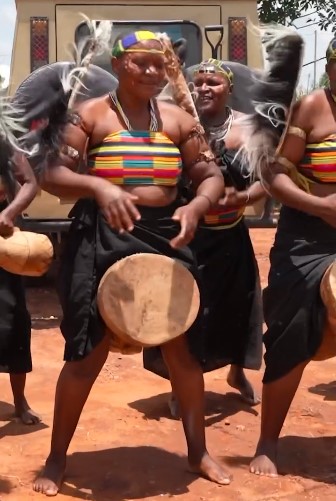
To anyone with a love ofAfrican culture, there are no other people that show quite so uniquely the balance of tradition and modernity,while paying reverence to an honored past.
Hope this post is helpful? Keep visiting our website for this and many related post that keep promoting cultural heritage to know and learn more about other tribe’s cultures and traditions. As we proceed we need to remain in harmony with the culture and tradition of other people .
Habila Ibrahim
Habila is a cultural researcher in Abuja, Nigeria. He writes about world cultures because Nigerian and other readers deserve to see themselves in global stories.
This article used Tanzania Cultural Centre records and Gogo oral sources.