

By Habila Ibrahim, Abuja | Last Updated on September 29, 2026.
Introduction
When we talk about the Swahili people, it is easy to think only about the Kiswahili language. After all, Kiswahili has travelled far beyond the East African coast and is now spoken by more than 200 million people across Africa and beyond. But the story of the Swahili people is much bigger than a language.
It is a story of the coast, the sea, trade, migration, religion, family and cultural exchange.
As I dug into the history of the Swahili people, one thing that stood out was how much their identity is tied to the Indian Ocean. For centuries people on the East African coast had had contact with visitors and traders arriving by sea. Arabs, Persians, Indians and Europeans all became part of different chapters of this long history. Yet, at the heart of Swahili society were African coastal communities whose Bantu languages and traditions provided the foundation on which Swahili culture developed.
The Swahili world runs along the East African coast, especially in what is now Kenya and Tanzania, and on to coastal areas and islands of the western Indian Ocean. Historic centres such as Lamu, Mombasa, Kilwa and Zanzibar became important places of trade, learning, religion and cultural exchange.
Swahili culture still exists today. You can see it in the language, food, clothing, architecture, music, poetry, religious celebrations and everyday life of coastal communities.
This is the story I want to tell here.
Who Are the Swahili People?
The term Swahili is most often used to refer to the people and groups on the East African coast that have a unique culture and history. It is important, however, not to describe the Swahili as if they were simply one small tribe with one single origin.
Swahili identity developed over a long period through the interaction of African coastal communities and people connected to the Indian Ocean trading world.
The foundation of Kiswahili is Bantu. Historical and linguistic evidence points to Bantu-speaking communities along the East African coast as the foundation of Swahili society and language. Over the centuries, contact with Arabic, Persian, Indian and later European communities introduced new words, religious ideas, styles and cultural practices.
This is one reason Swahili culture is so fascinating.
It did not develop in isolation.
It developed at the meeting point between Africa and the wider Indian Ocean world.
The Library of Congress notes that archaeological and linguistic evidence strongly supports the African roots of Kiswahili, while also showing the importance of contact with Arabic and Persian-speaking traders. This helps correct an older idea that Swahili society simply came from Arab or Persian settlers.
Where Do the Swahili People Live?
The classic Swahili Coast comprises the coastline of East Africa on the Western Indian Ocean.
Important Swahili centres have historically included areas around:
Kenya
Tanzania
Zanzibar
Lamu
Mombasa
Kilwa
Pemba
parts of northern Mozambique
the Comoros and other western Indian Ocean communities
The exact boundaries of Swahili identity are not always easy to draw because the culture developed through movement and interaction.
This, to my opinion, is one of the most intriguing aspects of the story. A coastline is not simply a line separating land from water. In the Swahili world, the ocean became a road.
You Can Also Read: The Sayawa (Zaar) Story During the Pre-Colonial Era
Ships came and went. Traders carried goods from one port to another. People travelled, settled, married and formed new communities. Ideas travelled alongside the merchandise.
That movement helped create a culture that was distinctly East African while also being connected to the wider Indian Ocean world.
The Early History of Swahili Culture
The history of Swahili culture goes back many centuries.
Archaeological evidence shows that Swahili coastal communities were already developing urban settlements and trading networks during the first millennium CE. The Swahili Coast became part of a much larger Indian Ocean trading system linking East Africa with Arabia, Persia, India and China.
The development of towns such as Kilwa, Mombasa, Lamu and Gedi was closely connected to this trade.
The city of Kilwa prospered in the past because of its location in the Indian Ocean trade. Gold and ivory from the African interior moved through coastal trading centres, while goods such as ceramics, textiles and other luxury items came from overseas.
UNESCO records that Kilwa Kisiwani became one of the most important Swahili trading cities between the 13th and 16th centuries. The city even minted its own currency, showing how economically important the Swahili Coast had become.
Gedi, on the Kenyan coast, provides another important window into this history. The settlement flourished between approximately the 10th and 17th centuries and contained houses, mosques, public spaces and sophisticated water systems.
These places remind us that the Swahili Coast was not a collection of small fishing villages. It was home to organised urban communities that participated in international trade.
The Role of the Indian Ocean
The Indian Ocean was central to Swahili history.
Such winds made it possible to undertake oceanic trading over long distances between coastal settlements and remote regions. Such winds allowed for maritime transport across great distances and played a role in connecting coastal communities to distant regions.
Goods were transported by these networks, but goods were not the only items that got transported.
Languages travelled.
Religions travelled.
Food traditions travelled.
Clothing styles travelled.
Architectural ideas travelled.
People travelled too.
This explains why Swahili culture is so different from other cultures. It is African in its foundation, but centuries of interaction added many other layers.
The result was not simply an Arab culture in Africa or an African culture copied from elsewhere. Swahili communities developed their own cultural identity from these different encounters.
Islam and Swahili Culture
Islam took deep roots on the Swahili coast through many centuries.
Trade played an important role in the spread of Islam, and many Swahili coastal communities became predominantly Muslim. Mosques became important parts of coastal towns, while Islamic scholarship, poetry and religious education became closely connected with Swahili society.
Historic sites such as Kilwa, Gedi and Lamu show the importance of Islam in Swahili architecture and urban life.

On the other hand, one should note that there is no universal pattern in religious affairs. The Swahili-speaking people are today not homogenous and there are Christians too amongst them.
Rather than reducing Swahili culture to one religious practice, it is better to understand Islam as one of the major historical forces that shaped Swahili society, especially along the coast.
Kiswahili: The Language of the Swahili World
Perhaps the most famous part of Swahili heritage is the Kiswahili language.
Kiswahili is a Bantu language that developed along the East African coast. It absorbed vocabulary from several languages through centuries of contact, with Arabic having a particularly strong influence.
In fact, the word “Swahili” itself is based on an Arabic word that means “coast.”
But calling Kiswahili simply a mixture of Arabic and Bantu languages does not tell the whole story. Its grammatical foundation remains Bantu, while its vocabulary reflects centuries of contact with other peoples.
Today, Kiswahili is much bigger than its original coastal setting.
UNESCO describes it as a language connecting more than 200 million speakers across East, Central and Southern Africa and beyond. It has become an important language of education, media, culture, regional communication and diplomacy.
Kiswahili is also an official language of the African Union.
World Kiswahili Language Day is being celebrated every July 7. UNESCO established the international day in 2021, recognising the importance of Kiswahili to African cultural identity and communication.
Swahili Cities and Architecture
One way to understand the history of Swahili is through their ancient towns.
Lamu Old Town in Kenya is one of the best-known examples. Its narrow streets, coral-stone buildings, wooden doors and traditional houses reflect centuries of Swahili architectural development.
The architecture is particularly interesting because it combines local materials and building traditions with influences that came through the Indian Ocean.
Coral stone was widely used along the coast.
Carving was common in wooden doors.
Houses had courtyard designs and were made suitable for the coastal climate.
Mosques became important landmarks in many settlements.
Such buildings are not just aesthetically pleasing buildings. They are historical records.
They tell us something about wealth, religion, social organisation, craftsmanship and the relationship between the Swahili people and the sea.
Swahili Food and Traditional Cuisine
Food is another part of Swahili culture that tells a story of cultural exchange.
Swahili cuisine is especially known for rice, coconut, seafood, spices and dishes influenced by the long history of Indian Ocean contact.
Rice forms part of the diet of many coastal regions. Another use of coconut milk is in cooking especially around coastal regions.

Foods which are part of Swahili food culture in East Africa are:
Wali wa Nazi
Wali wa Nazi is rice cooked with coconut milk. It is a simple dish, but it reflects the importance of coconut in coastal cooking.
Pilau
Pilau is a spiced rice dish popular across East Africa. Each individual family and community has its own method of preparation.
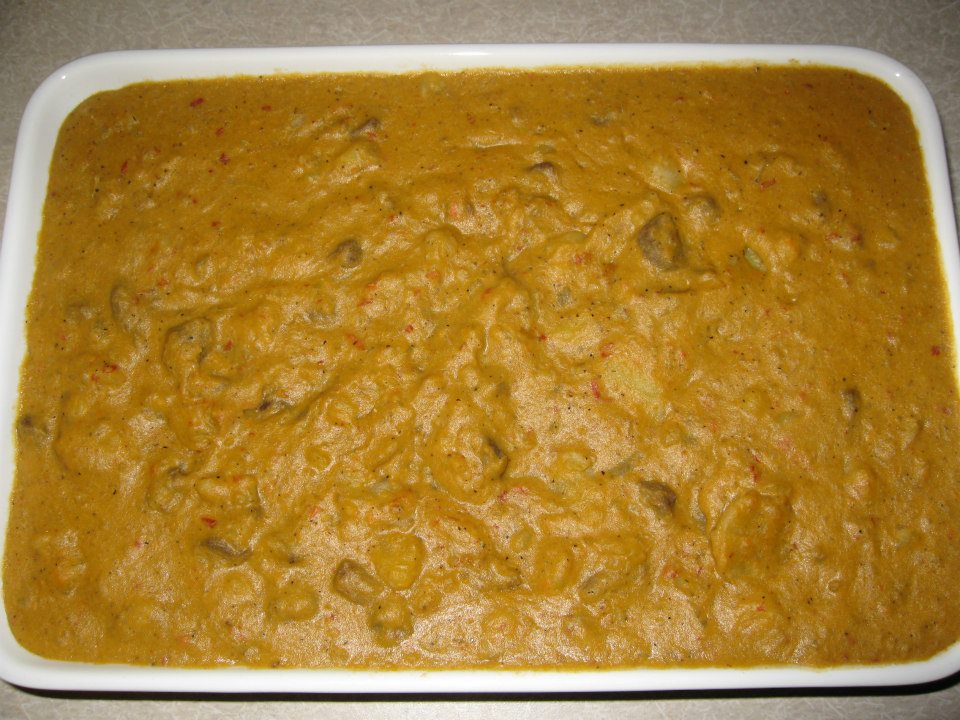
Biryani
Coastal East African biryani reflects the wider Indian Ocean history of food exchange and is especially associated with places such as Zanzibar and the Kenyan coast.
Seafood
Fish and other seafood naturally feature in many coastal diets because of the relationship between Swahili communities and the Indian Ocean.
Spices such as cloves, cardamom, cinnamon, ginger and black pepper also have an important place in the cuisine.
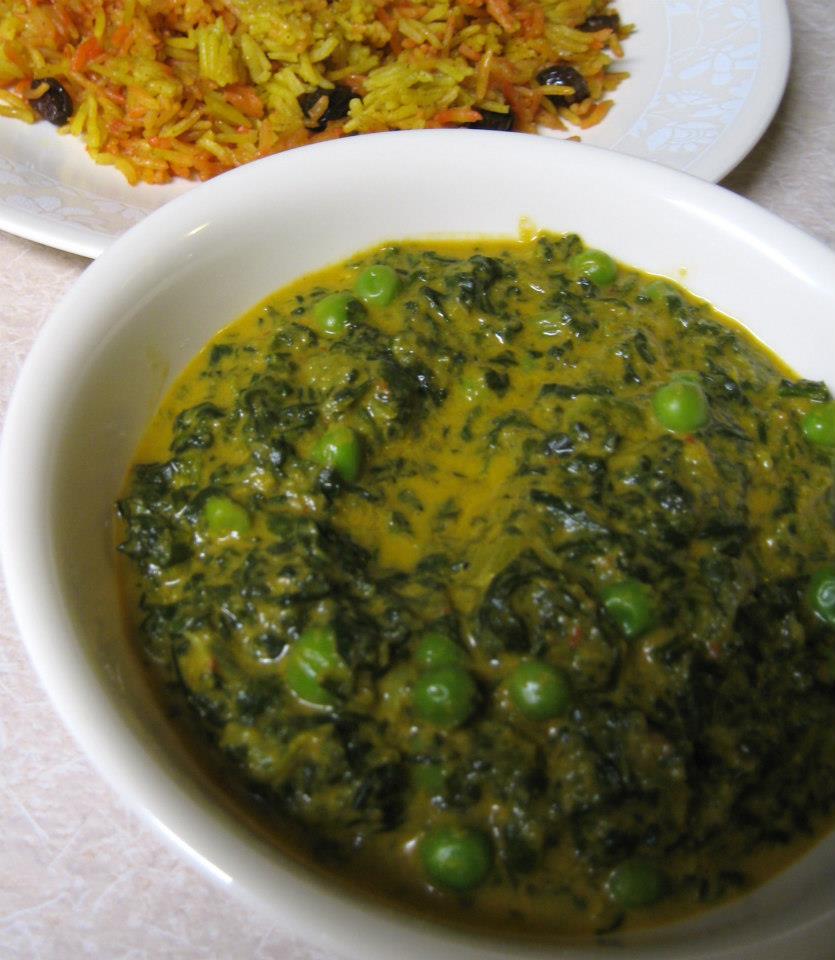
The food, in its own quiet way, tells the same story as the language: local African traditions meeting influences brought through centuries of trade.
Swahili Clothing and Dress
Traditional Swahili clothing also reflects the cultural history of the coast.
The kanga is one of the most recognisable garments associated with East African women. It is a colourful piece of printed cloth often decorated with patterns and a written saying or message.
The words printed on a kanga can carry advice, humour, wisdom, affection or social commentary.
And I think this is especially fascinating because it shows how language is incorporated into the clothing itself.
Men may also wear the kanzu, a long garment associated especially with Muslim communities along the East African coast. Head coverings may be worn on religious or cultural occasions.
Modern Swahili dress, of course, is not limited to traditional clothing. People are also dressed in modern African clothes and Western clothes as well.
Culture changes with time.
Music, Poetry and Storytelling
Swahili culture has a strong literary and musical tradition.
The coastal region has traditionally valued poetry, especially in the Islamic community of scholars and literati. Swahili poets have used the language to express religious ideas, love, history, morality and everyday experiences.
Music is equally important.
Taarab, for example, became strongly associated with the Swahili cultural world, especially in Zanzibar and the coastal regions. Its history reflects the movement of musical ideas across the Indian Ocean.
Storytelling remains one of the most powerful ways of sharing information across generations.
And this is where the Swahili language becomes more than a communication tool. It becomes a vessel for memory.
Swahili Festivals and Celebrations
Religious celebrations form an important part of life in many Muslim Swahili communities.
Eid al-Fitr, marking the end of Ramadan, is celebrated with prayers, family visits, food and new clothing.
Eid al-Adha, the Festival of Sacrifice, is another important Islamic celebration.
In places such as Lamu, the Maulidi celebration has a long history and is associated with religious gatherings, poetry, recitation and community activities.
Lamu itself is recognised by UNESCO as an important centre of Swahili and Islamic culture, and the town continues to preserve many traditions associated with its historic identity.
Christian Swahili people also celebrate Christian festivals like Christmas and Easter.
So, once again, the Swahili world cannot be reduced to one single experience. Each society has its own religious and cultural traditions.
Swahili People and Trade
Trade is one of the central themes in Swahili history.
The coastal towns connected the African interior to the Indian Ocean. Goods from the interior, including gold and ivory, moved toward the coast, while imported goods entered Africa through the ports.
The Swahili people became traders, farmers, fishermen, craftsmen, sailors, scholars and city dwellers.
Their coastal position gave them access to a commercial world that stretched much farther than East Africa.
But trade also brought difficult chapters.
The Indian Ocean trade networks included the trafficking and enslavement of Africans. Later, Zanzibar and other coastal centres became heavily involved in the slave and ivory trades.
That part of the history should not be hidden simply because we are celebrating cultural heritage. Understanding the difficult chapters helps us understand the society as it really developed.
European Contact and Colonial Rule
The European powers ultimately became more involved in the affairs of the East African coast.
The Portuguese established influence over parts of the coast from the late 15th century, challenging existing Swahili trading networks.
Later, Omani influence became very important along the coast, especially in Zanzibar.
During the colonial period, European powers reshaped political boundaries, trade systems, education and administration.
Kiswahili itself continued to develop and eventually became an important language of wider communication beyond the coast.
After independence, its importance grew even further.
Julius Nyerere and the Growth of Kiswahili
One of the most important figures in the modern history of Kiswahili was Tanzania’s first president, Julius Nyerere.
Kiswahili was a language that Nyerere believed would help unite different ethnic groups in Tanzania.
This gave Kiswahili an important role in nation-building after independence.
Its influence did not stop at Tanzania. It was becoming a mode of communication beyond the nation’s and the ethnic group’s borders in East Africa.
This is one reason Kiswahili today has a much larger presence than the geographical area where it first developed.
Swahili Culture in the Modern World
The Swahili story is still being written.
Kiswahili is now heard in schools, universities, radio stations, television programmes, music, films, social media and international institutions.
UNESCO’s continuing promotion of Kiswahili demonstrates how far the language has travelled from its coastal beginnings.
Also Read: Bajju History And Origin Of Southern Kaduna Nigeria
The East African Kiswahili Commission also works to promote the development and use of Kiswahili in the East African Community.
To my mind, this is the most positive aspect of this whole story.
Culture is not required to be preserved in its past form to preserve authenticity.
The Swahili have kept their traditions alive despite living their modern African life.
Their language changes.
Their music changes.
Their clothing changes.
Their cities change.
Yet the connection to the coast, family, community, history and language remains important.
What Makes Swahili Culture Unique?
To sum up, if I had to define the Swahili culture story in a few words, it would be the story of connectivity.
The Swahili people were connected to the African interior.
They were connected to the Indian Ocean.
They were connected to Arabia, Persia, India and other parts of the world through trade.
They created rich Islamic culture while being in an African cultural setting.
Their language absorbed outside vocabulary without losing its Bantu foundation.
It shows their local talent as well as foreign influences.
Their food reflects their past as well.
That combination is what makes Swahili culture so distinctive.
Questions Commonly Asked About the Swahili People
Where did the Swahili people come from?
Swahili culture developed along the East African coast from communities whose roots were primarily in Bantu-speaking coastal populations. Centuries of interaction with Arab, Persian, Indian and other Indian Ocean communities contributed additional cultural influences.
Is Swahili a tribe or a language?
Swahili refers both to a cultural identity associated with East African coastal communities and to Kiswahili, the language spoken widely across East and Central Africa. It is therefore more complicated than describing Swahili simply as one tribe.
Which countries speak Kiswahili?
Kiswahili is widely used across East, Central and parts of Southern Africa. Tanzania, Kenya, Uganda, the Democratic Republic of Congo, Rwanda, Burundi and other countries have significant Kiswahili-speaking populations or communities.
How many people speak Kiswahili?
Now UNESCO says that it is a language connecting 200 million people using Kiswahili in Africa and beyond.
What religion do the Swahili people follow?
Islam has historically been the dominant religion among many Swahili coastal communities, although Swahili-speaking populations are not religiously uniform and Christianity is also present.
What food are the Swahili people known for?
Swahili and coastal East African cuisine is known for rice, coconut, seafood and aromatic spices. Popular dishes include wali wa nazi, pilau and various forms of biryani.
Conclusion
The history of Swahili people serves as evidence that the history of Africa has never been insulated from the history of other parts of the world.
Along the East African coast, African communities built towns, developed trading networks and created a culture that became connected to the wider Indian Ocean world. Arab, Persian, Indian and European contacts influenced different parts of Swahili life, but the African foundation of Swahili culture remains central to understanding its history.
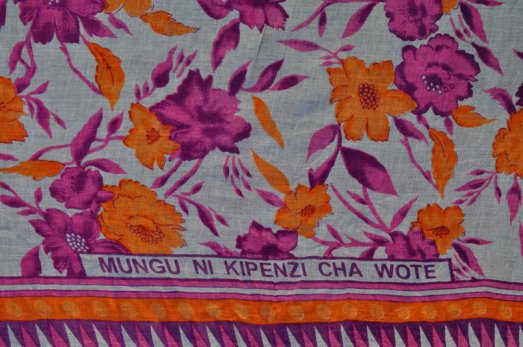
From the old stone buildings of Lamu and Gedi to the ruins of Kilwa, from the rhythm of taarab music to the words written on a colourful kanga, there are many ways to encounter Swahili heritage.
And then there is Kiswahili itself.
A language that began along the East African coast now reaches hundreds of millions of people and continues to cross national, ethnic and cultural boundaries.
That, to me, is what makes the Swahili story worth telling.
It is not only the story of a people living beside the sea.
It is the story of how a coastal African culture grew through movement, contact and creativity, and how its language continues to carry that history into the modern world.
About the Author
Habila Ibrahim is a Nigerian cultural writer and the author of articles published on Kunzaar, where he writes about African peoples, languages, traditions, history and cultural heritage.
His interest is in documenting cultural stories in a simple and accessible way, especially stories that deserve to be remembered by younger generations. By doing cultural writing, he hopes to inspire people to find out more about the various people of Africa and the cultures that have influenced them.
Sources and Research
This article was researched from historical, cultural and institutional materials relating to the Swahili Coast and Kiswahili, including information from UNESCO, the UNESCO World Heritage Centre, the Library of Congress, the African Union, the East African Community and established museum and archaeological resources.
Note: The research was used to cross-check the history of the Swahili Coast, the African/Bantu foundation of Kiswahili, the development of coastal trading towns, the influence of Indian Ocean trade, the role of Islam, and the modern regional importance of Kiswahili.
Lovart AI Design Agent is a game-changer for creatives-finally, a tool that blends AI smartness with hands-on editing. Can’t wait to see how it reshapes design workflows! Lovart AI Design Agent
Збирався купити якісний комплект постільних речей і натрапив на [url=https://kupiti-postil.com.ua/]kupiti-postil.com.ua[/url]. Купив сатиновий набір – досі все чудово. Хочу розповісти, що пропонують.
Що пропонують:
– Бязь, сатин, гіпоалергенний перкаль, льон, поплінова тканина, ранфорсова тканина
– Полуторні, двоспальні комплекти, великі євро та сімейні набори
– Простирадла на гумці
– Чохли на подушки 50×70 та 70×70
Що мені сподобалося:
– Пропозиції на будь-який гаманець (від 800 до 4000+ грн)
– Вказують щільність тканини (для бязі 110–145 г/м², для сатину 120–170 г/м²)
– Пишуть про сертифікацію OEKO-TEX – для алергіків важливо
– Продаються сімейні комплекти з двома підковдрами – кожен спить під своєю ковдрою
Асортимент:
– Для економії – бязь чи ранфорс (служать 5–7 років)
– Преміум – сатин або перкаль (вистачає до 10 років)
– Для літа – льон (дарує прохолоду, але потребує прасування)
– Спільний сон – сімейні комплекти
Порада від них же: обов’язково виміряйте власний матрац та ковдру перед покупкою, оскільки розміри в різних виробників можуть відрізнятися на 5–10 см.
Я замовив сатиновий комплект – приємна текстура, не електризується. Родина в захваті. Рекомендую придивитися, якщо потрібна якісна постіль.
А ви що обираєте? Поділіться відгуками