

By Habila Ibrahim, Abuja | Last Updated on September 18, 2026.
Introduction
When I began looking into the Swati people, one thing quickly became clear to me: their story cannot be separated from the land now known as Eswatini.
Eswatini, formerly called Swaziland, is a small kingdom in Southern Africa, bordered by South Africa and Mozambique. Yet within this relatively small country is a cultural history that reaches far beyond its size. The Swati people, also called the Swazi or EmaSwati, have maintained a strong connection with their language, royal traditions, family structures, ceremonies and community life.
What interested me most was the way tradition remains visible in everyday cultural life. In many places, modernization has pushed traditional ceremonies further into the background. In Eswatini, though, big cultural events still draw in crowds. Take Umhlanga, better known as the Reed Dance, or Incwala, the First Fruits ceremony—both continue to pull in large numbers of participants.
As I dug into the history of the Swati people, I found that their story goes beyond kings and royal ceremonies. It is about migration, settlement, family, cattle, language, marriage, music, farming and the relationship between generations.
So, rather than looking at the Swati people only through their famous ceremonies, this article takes a wider look at who they are, where their history comes from and how their traditions continue to shape life in Eswatini and neighbouring parts of Southern Africa.
Who Are the Swati People?
The Swati people, known in their own language as EmaSwati, are a Bantu-speaking people of Southern Africa. They are mostly found in the Kingdom of Eswatini, and South Africa, especially in Mpumalanga Province, for the most part.
Their language is siSwati, an Nguni language closely related to languages such as Zulu and other languages of the wider Nguni linguistic group. SiSwati is an official language of Eswatini alongside English and is also one of South Africa’s official languages.
The word “Swazi” is still widely used in English. At the same time, “Swati” and “EmaSwati” are also common, especially when people talk about the people themselves and their cultural identity.
Also Read: The History and Origin of Tarok People
The identity of the Swati people developed over a long period through migration, settlement, political alliances, conflicts and the incorporation of different communities into the emerging Swati kingdom.
That history is important because Swati culture today is not the product of one moment. It is the result of generations of people building a shared identity.
The History and Origin of the Swati People
The Swati people’s early days, a fascinating story, really, are deeply intertwined with this massive, continent-spanning migration of Bantu-speaking folks, you know, all across Africa.
According to facts made public by the Permanent Mission of Eswatini to the United Nationis, the forefathers of the Swati people had been taking part in migrations of the Southern African Bantu and finally settled in regions surrounding the Pongolo River and it is from here that the people eventually became even stronger by settling in the Swazi territory which was formerly the land of the Swati kingdom.
The history of the Dlamini royal clan took on real significance when the kingdom was being formed.
King Ngwane III – got a pretty cool legacy, right? He’s the one who’s traditionally linked to setting up the Swazi state in the area back in the 18th century, a time that was pretty pivotal, if you think about it. Later rulers built on that foundation, expanding and strengthening the kingdom over time. Eventually, the country itself took its name from King Mswati II, who came to power in the 19th century.
Here’s one reason it’s better to talk about the Swati nation’s development, rather than describing the people as if they just popped up on some specific date.
Their history involved the coming together of communities, the establishment of political authority, relationships with neighbouring groups and the growth of the Dlamini royal house.
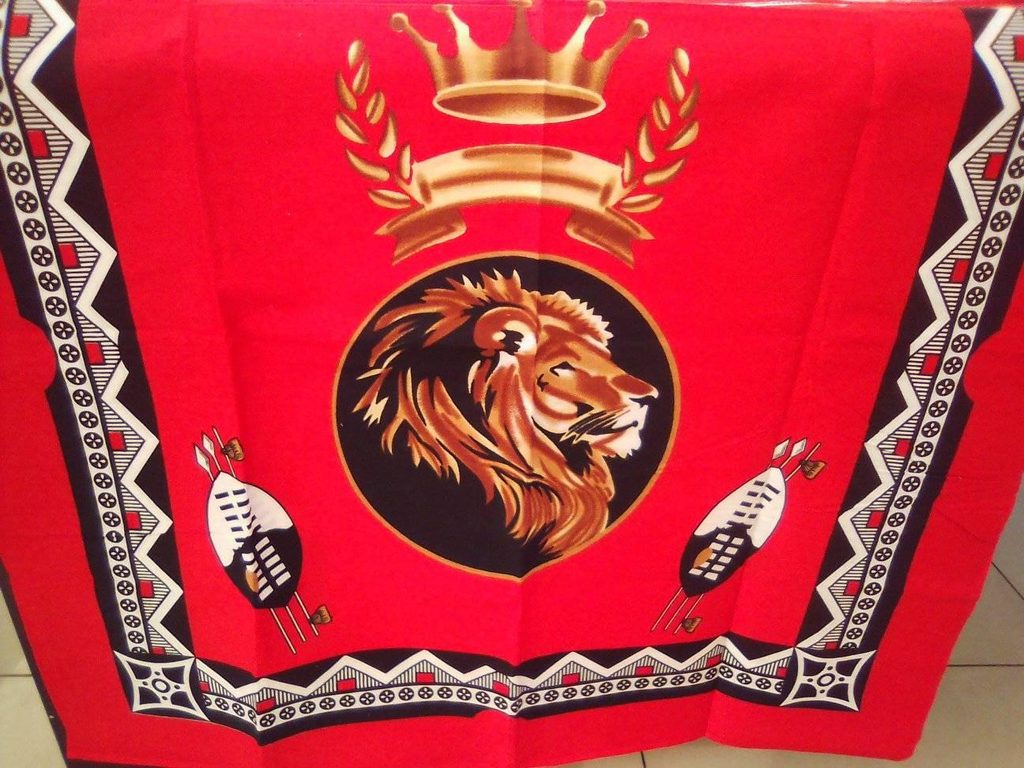
The official history of Eswatini also describes the use of diplomacy, alliances and marriage relationships in the process of state formation. War and age-based regiments also mattered a great deal during times of political upheaval in Southern Africa.
This makes Swati history especially interesting because it shows how an ethnic and political identity can develop over generations rather than through one single migration event.
The Swati Kingdom and the Monarchy
Swati society – and one thing that really stands out is the monarchy, pretty iconic if you ask me.
The traditional political structure places the King, or Ingwenyama, and the Queen Mother, or Indlovukazi, at the centre of the traditional institution.
The relationship between the monarchy and Swati culture is much deeper than a modern political office. The monarchy is closely connected with ceremonies, history, identity and traditional authority.
Eswatini’s Parliament points out that the country runs on two systems of governance — a parliamentary one and a traditional one — and the monarchy sits right at the heart of the traditional setup.
This helps explain why royal ceremonies remain important to cultural life.
When watching images of Swati cultural celebrations, it is easy to focus on the colourful clothing, dancing and large crowds. But behind those images is a much older understanding of community, authority and national identity.
The Swati Language: siSwati
Language is one of the strongest ways a culture carries its memory.
The language of the Swati people is siSwati. It belongs to the Nguni group of Bantu languages and has close linguistic relationships with Zulu and other neighbouring languages.
For me, this is an important part of understanding Swati culture because language does more than provide a way of communicating.
Through language, people preserve names, praise poetry, traditional expressions, stories and knowledge passed from one generation to another.
SiSwati remains an important part of national life in Eswatini, where it shares official-language status with English.
Swati Traditional Culture and Community Life
Traditional Swati society places considerable importance on family, community and respect for elders.
The traditional homestead – it’s actually a pretty significant example, when you think about it.
The High Commission of the Kingdom of Eswatini notes that a traditional Swazi homestead isn’t just one building—it’s a cluster of structures, each with its own purpose. And there’s usually a cattle enclosure too, called the sibaya. Traditional homesteads have also changed over time, and many modern rural homes combine traditional and modern forms of construction.
Cattle have traditionally carried economic and social importance.
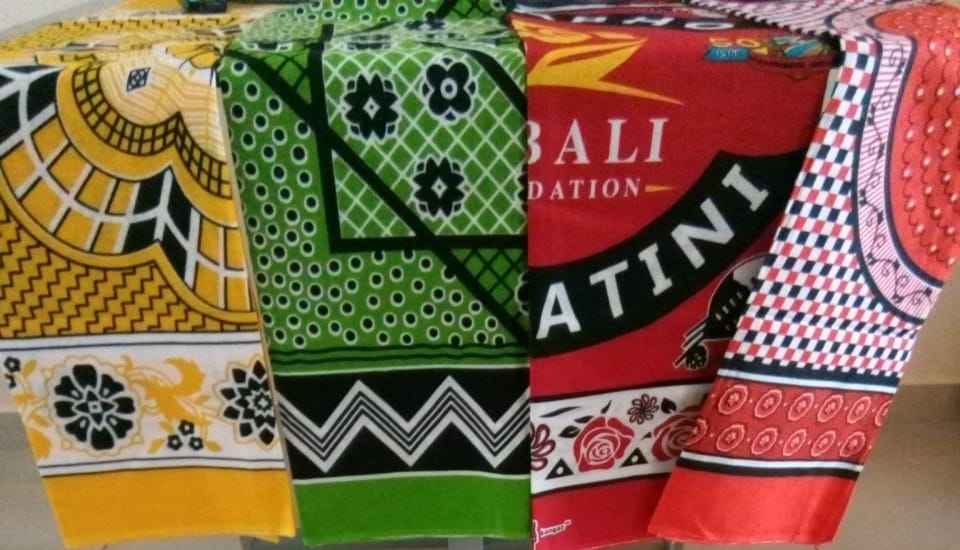
They may represent wealth, status and family resources, but their importance extends beyond the dinner table. Livestock can also have a role in marriage arrangements, ceremonies and relationships between families.
This is one of those details that can easily be missed when looking at Swati culture only through its famous festivals.
Traditional Swati Food
Food is another window into the daily life of a people.
Swati cooking has always leaned on what’s close at hand—crops grown in the area, livestock raised nearby. That’s just how it’s been done for generations. Maize, sorghum, pumpkins, beans, groundnuts and other agricultural products form part of the food traditions of the region.
One traditional staple is sishwala—a thick porridge, usually made from maize or sorghum.
Other traditional foods and drinks are emahewu, this fermented maize drink that is a total staple. And then you’ve got these incredible dishes made with pumpkin—plus all kinds of other ingredients grown right there in the area, which is pretty awesome.
Beef—meat in general, really—carries a lot of cultural weight, and that’s largely because cattle are held in such high regard in Swati society.
Food also becomes more meaningful during ceremonies and gatherings. Sharing a meal is not merely about satisfying hunger. In many African cultures, including Swati communities, food can bring families and communities together.
Religion and Traditional Beliefs
Over the years, religion among the Swati has shifted quite a bit—especially after Christian missionaries showed up.
Christianity is now widely practiced in Eswatini, but traditional beliefs and customs remain an important part of the cultural history of the people.
Traditional Swati belief includes reverence for ancestors and recognition of a supreme creator. Ancestral relationships have historically been important in understanding family, spirituality and community responsibilities.
It is therefore useful not to describe Swati religious life as though it belongs entirely to either traditional religion or Christianity.
Swati society’s got a pretty diverse mix of religious vibes goin’ on, and let’s be real, people’s experiences can differ wildly from one family to the next, or even within the same community, you know?
Umhlanga: The Swati Reed Dance
You’ve probably heard of Umhlanga—most people outside Eswatini know it as the Reed Dance. It’s hands down the Swati cultural event that gets the most attention around the world.
It is a yearly event that takes place between late August and early September. On this day, young ladies who are still single and have no children come together. They collect reeds, offer them to the Queen Mother and then join in the traditional dances.
The reeds are traditionally used in work associated with the royal residence, while the ceremony also carries social and cultural meanings relating to morality, community participation and solidarity.
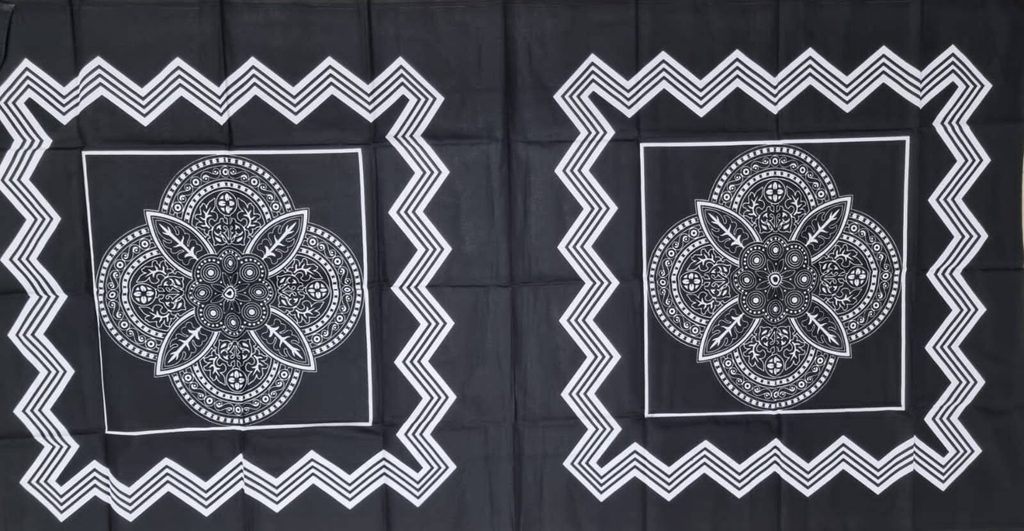
Umhlanga is impressive in its scale. As a case in point, the 2026 event saw girls coming from different chiefdoms of Eswatini who all joined the gathering of the event at Queen Mother’s royal residence in Ludzidzini, Lobamba.
One thing that I find particularly interesting is that the ceremony is not just a performance staged for tourists.
It has a role within Swati cultural life itself.
The singing, dancing, gathering of reeds and participation of communities all connect the younger generation with established traditions.
That connection between the young and the old may be one of the most important reasons the ceremony has remained visible in contemporary Eswatini.
Incwala: The First Fruits Ceremony
Another major Swati cultural ceremony is the Incwala.
Whereas Umhlanga is specifically associated with young women, Incwala is closely associated with kingship, renewal and the traditional calendar.
The ceremony takes place in December or January and is usually called the First Fruits ceremony.
Official Eswatini sources describe Incwala as one of the country’s most important and sacred cultural events. It is connected with cleansing, renewal and the strength of the kingship and nation.
The ceremony includes traditional dances and activities involving the King, Queen Mother, royal family, regiments and members of the wider community.
There are also important traditional protocols surrounding Incwala. Because of this, visitors should understand that it is a living cultural and spiritual tradition rather than simply a colourful festival for entertainment.
Marula and Other Cultural Celebrations
Another cultural celebration in Eswatini is the Emaganu, or Marula ceremony.
The celebration ties into harvesting marula fruit and making marula drinks. The High Commission of Eswatini describes the ceremony as a period of gathering, song and dance, with women playing an important role in preparing the marula drink and other products from the fruit.
The importance of the marula fruit also reminds us that traditional culture is often connected to the natural environment.
Trees, crops, animals, seasons and rivers are not simply parts of the landscape. They can become woven into food traditions, ceremonies and community life.
Traditional Swati Clothing
Traditional clothing is another visible part of Swati identity.
During ceremonies, men and women may wear colourful traditional garments, beadwork, accessories and other forms of cultural dress.
One traditional item often associated with Swati women is the emahiya, a cloth garment worn as part of traditional dress.
The real kicker with these clothes is how they totally come alive when you see them in the context of dancing, singing, and all those ceremonial get-togethers, you know?
So, the Swati people don’t really see traditional clothing as just a relic of the past, instead, they still rock their cultural dress on all the big national and family occasions, you know?
You Can Also Read: How to Solve Linear Equations Step-By-Step
This is a pattern we can find in many African societies: traditional clothing may disappear from ordinary daily activities but become even more meaningful during festivals, weddings, royal events and other gatherings.
Swati Music and Dance
Music and dance are deeply connected with Swati cultural expression.
Traditional dances are not only entertainment. They can communicate history, praise, celebration, identity and community belonging.
At those big Swati shindigs, you’ve got groups breaking into song and dance – it’s this crazy energetic vibe that just doesn’t translate when you’re only looking at pics.
The rhythm, movement, traditional clothing and collective participation all contribute to the experience.
This is one reason Swati cultural celebrations have become well known beyond Eswatini itself.
Marriage and Family Life Among the Swati
Marriage – it’s not just about two people, right? Traditionally, it’s a whole thing involving families, friends… basically, a whole lot of folks.
It can create a relationship between two families and, in some circumstances, wider kinship networks.
So the whole traditional marriage thing – it’s pretty involved, right? Negotiations go back and forth between families, and then there’s this lobola payment, which, historically, has been all about cattle – a pretty interesting custom, if you ask me.
Cattle therefore have an additional significance in marriage relationships.
In traditional Swati society – you know, the old way of doing things – polygynous marriages were actually a thing, totally accepted. But here’s the thing: modern family life? It’s all over the place, super diverse. So, let’s not make the mistake of assuming every single Swati household is set up the same way – that’s just not how it is.
Family remains an important social institution, with relationships between parents, children, grandparents and extended relatives contributing to community life.
In a whole lot of African cultures – you know, the ones that’ve been around for ages – there’s this huge emphasis on respecting your elders, it’s just kinda ingrained.
Where are the Swati people Found Today?
The largest concentration of the Swati population is in Eswatini, but Swati communities are also found in neighbouring South Africa, especially in Mpumalanga Province.
Historical relationships and movement across modern borders mean that cultural connections do not stop at the international boundary.
There are also some historical connections with neighbouring areas of Mozambique.
Modern national borders were established long after many of these communities and cultural relationships had developed, so it is useful to understand Swati identity as something that exists across a wider Southern African landscape.
Swati Culture in the Modern World
One question that kept coming back to me while researching the Swati people was this: how does a culture remain traditional while the world around it changes?
The answer is not always simple.
Modern education, technology, urbanization, Christianity, migration and global media have all influenced life in Eswatini.
And still, those big traditional ceremonies are very much alive.
So, according to official Eswatini sources – Umhlanga and Incwala are still going strong as cultural institutions. Meanwhile, traditional homesteads have kinda evolved, blending the old with the new, you know, modern houses and all that.
This tells us something important.
Culture does not always survive by remaining exactly the same.
Sometimes, in the midst of all that chaos, a tradition will surprisingly endure, simply because folks manage to find pretty creative ways to lug the really important stuff forward into a world that’s constantly shifting.
The Swati experience is therefore not simply a story of preserving the past. It is also a story about adaptation.
What the Swati People Teach Us About African Cultural Heritage
The Swati story, it’s a pretty cool reminder, if you think about it, that African culture isn’t some static thing, stuck in the past or anything.
The Swati people have experienced migration, state formation, colonial rule, Christianity, modernization and globalization. Yet their language, monarchy, ceremonies, family traditions, music, clothing and community structures continue to provide a sense of identity.
For me, this is where the story becomes more meaningful.
When we look at a cultural ceremony from a distance, we may notice the dancing first. But when we look more closely, we begin to see family relationships, history, spirituality, political traditions, agriculture and memories passed from one generation to another.
That is what makes cultural history worth documenting.
Conclusion
The history of the Swati people is a story of movement, settlement, kingdom building and cultural continuity.
From its roots in the Dlamini monarchy – all the way to the present day – the Swati people have somehow managed to hold on to this really distinctive identity, and it’s pretty cool, especially when you consider the broader Southern African context, where they’ve kept their own language, siSwati, alive and kicking. Their cultural life can be seen in their traditional homesteads, family relationships, food, clothing, music, marriage customs and major ceremonies.
Umhlanga and Incwala are perhaps the best-known examples, but they are only part of the larger story.
Behind every reed gathered for Umhlanga is a community participating in a tradition. Behind the dances of Incwala is a long history of kingship and renewal. Behind the language spoken at home is the memory of generations.
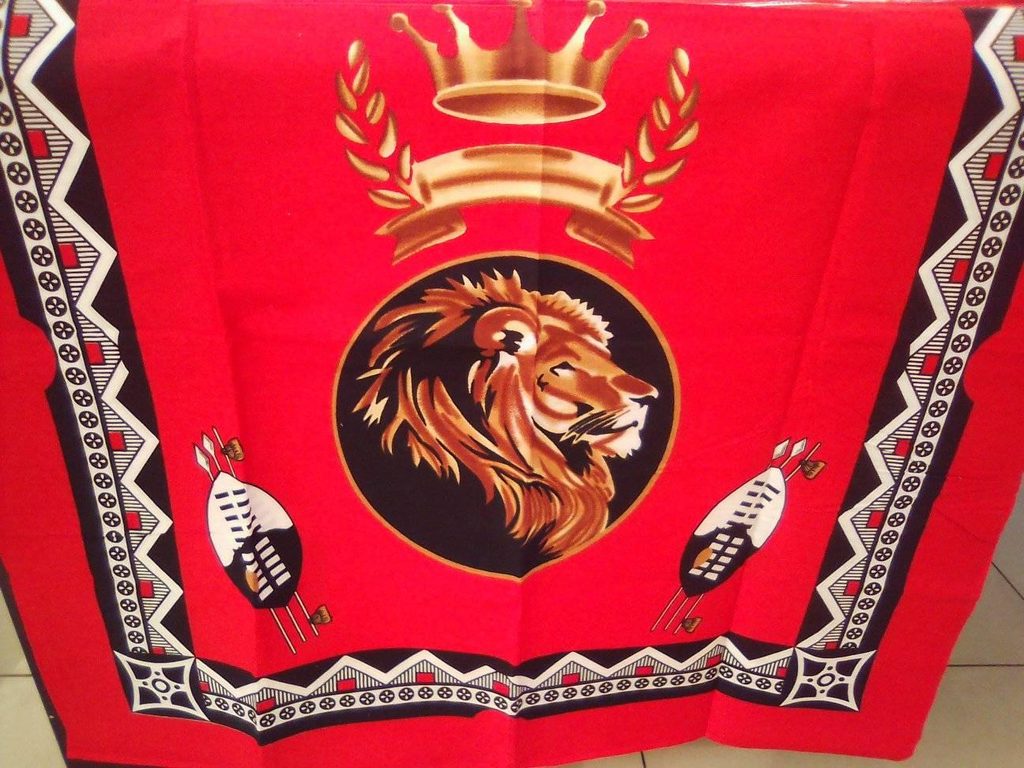
That, to me, is the most interesting part of Swati culture.
It reminds us that preserving culture does not necessarily mean refusing change. A people can totally dive into the modern world, and yet, somehow, they still manage to carry these incredibly important parts of their history with them.
The Swati people continue to demonstrate how language, family, ceremony and collective memory can help maintain cultural identity across generations.
And perhaps that is why the story of the Swati people deserves to be told not simply as the history of a kingdom, but as the continuing story of a people.
About the Author
Habila Ibrahim is a Nigerian writer and cultural enthusiast who writes about African peoples, traditions, history and cultural heritage.
Through Kunzaar, his interest is to document and share stories about communities in Africa and beyond in a way that is accessible to ordinary readers, especially younger people who may not have the opportunity to learn these histories directly from their communities.
His approach to cultural writing is based on research, comparison of available historical information and an interest in presenting traditions in a simple and human way.
The purpose is not only to describe festivals and traditional clothing, but also to ask the bigger questions: Where did these people come from? How did their society develop? What traditions have survived? And what can the present generation learn from their history?
Sources and Research
Historical and cultural information available in public domain was the main source for this article research.
These are the references I used for example are documents made available by the Permanent Mission of the Kingdom of Eswatini to the United Nations, information from the Government of Eswatini, the Parliament of Eswatini, the Eswatini National Archives, the Eswatini National Trust Commission, and the High Commission of the Kingdom of Eswatini.
The official sources were particularly useful for information about the history of the Swati kingdom, the monarchy, Umhlanga, Incwala, traditional homesteads and contemporary cultural practices.
I like Swati King dressing
Its like you read my mind! You seem to know so much about this,
like you wrote the book in it or something.
I think that you could do with some pics to drive the message
home a little bit, but instead of that, this is great blog.
A fantastic read. I will certainly be back.
naturally like your website however you have to test
the spelling on quite a few of your posts. Several of them are rife
with spelling problems and I find it very troublesome to tell the truth however
I’ll certainly come back again.