
By Habila Ibrahim, Abuja | Published on October 23, 2026.
Introduction
To the best of my knowledge, I came to understand that every community has a story to tell. Some stories are stored in writing, while others are passed down through oral traditions of the elders, family histories, local traditions, and the names of places where many generations have lived. The history of the Tangale people of northeastern Nigeria brings these different ways of remembering the past together.
The Tangale are an indigenous ethnic group mainly found in the southern part of Gombe State, especially around Billiri and its surroundings. They speak their own language, have a history of migration and settlement, and cultural traditions that link families to their community. They also live in a region that contains other ethnic groups and their histories have influenced each other for generations.
When we talk about the Tangale, it is important to look beyond a simple description of them as one of Nigeria’s ethnic groups. Their story raises questions about where communities came from, how they established settlements, how they organised their lives, and how their identity has survived changing religious, political and social conditions.
Some parts of Tangale history are preserved through oral traditions, while academic researchers have examined migration, language and relations between neighbouring communities. There are some variations between the accounts regarding the initial beginnings of the peoples, and therefore their history should be considered in light of these sources.
In this article, we explore the Tangale people’s homeland, history, language, traditional life, religion, food, marriage customs, festivals and contemporary identity. The goal is to provide a useful overview to the reader about their heritage, bearing in mind that different families and areas may have different traditions.
Who are the Tangale People?
The Tangale are one of the indigenous peoples of northeastern Nigeria. Their main historical and cultural center is located in the southern part of Gombe State. Billiri is one of the best known centers of Tangale identity. Tangale communities are also associated with areas around Kaltungo, Shongom and parts of Akko and neighbouring localities. The exact distribution of Tangale speakers and cultural communities does not always follow local government boundaries.
Tangale is the name for both the ethnic group and its language. Tal or Tanle are forms of self-reference, but the most used name for their language is Tangale, according to a linguistic paper by researcher Amos Dlibugunaya. Local pronunciation and usage may vary.
Also Read: The Sayawa (Zaar) Story During the Pre-Colonial Era
Like many Nigerian communities, the Tangale are not a people frozen in the past. Their identity is expressed through family relationships, language, community history, religious life, education, occupations and connections with other groups.
The cultural experiences of a Tangale individual from the rural environment can be different from that of an individual who grew up in a big town or from another state like Gombe. Nevertheless, language, shared historical memories and ties to the ancestral homeland remain important ways of understanding Tangale identity.
The History and Origin of the Tangale People
Oral traditions and accounts of migration
A careful consideration of the early history of the Tangale people is a subject worth considering. As with many African societies, oral tradition has played a major role in explaining ancestral origins and the movement of communities from one place to another.
Some writers have traced the origins of the Tangale people and their neighbours back to an early migration from the Middle Eastern region, especially Yemen, then moving into territories linked with Egypt, Lake Chad area, and northeastern Nigeria. These stories form part of the history of the traditions maintained by the community and described in writing. However, the precise route, dates and details should not be taken as conclusive facts.
The research of Gajere Yakubu Tula, Ishaku Abba Maigari and Shalom Andrew Kunga examines the development of traditions of origin among the peoples of the Tangale-Waja area. These scholars emphasise the need to compare oral accounts with archival records and the wider history of population movement in the region.
This distinction matters. A culture’s oral history is very meaningful despite the historical dispute on how to accurately create the timeline of that culture. Responsible cultural writing should preserve the tradition without presenting every detail as independently verified.
The importance of Tangal in Tangale tradition
One explanation has the word “Tangale” coming from a leader whose name was Tangal and who is believed to have been instrumental in uniting clans. This explanation appears in published summaries of Tangale history, although the details of early political organisation require further local and historical verification.
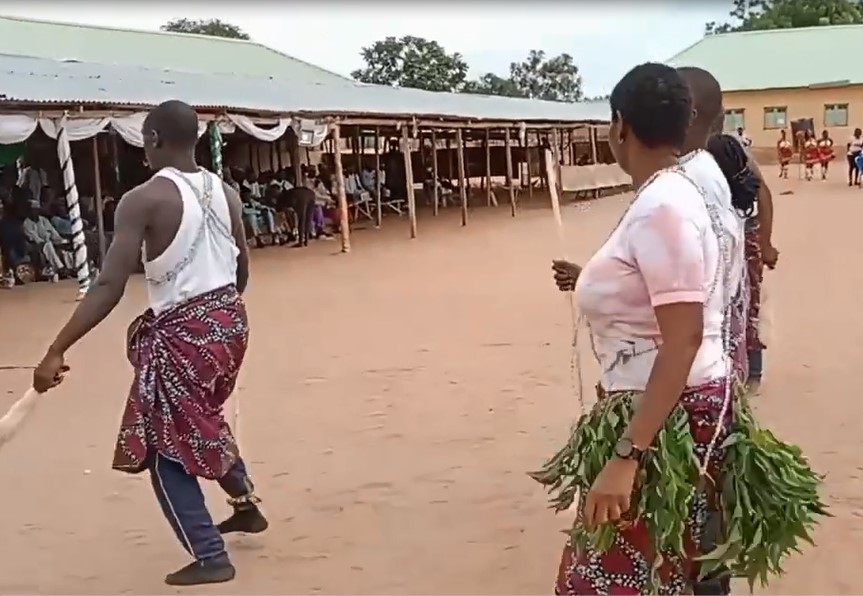
The account is relevant because it tells the identity with leadership and the formation of a community. In many societies, the memory of an influential leader becomes part of the explanation for how different families or clans came to recognise a common identity.
For the Tangale, such accounts should be read alongside the histories of individual settlements and lineages. One origin legend might fail to account for all the developmental phases of a people, particularly in cases of various groups coming together.
Settlement in the Tangale hills and surrounding areas
The Tangale are associated with the hills and plains of southern Gombe State. Historical and linguistic accounts describe settlement around areas including Billiri, Kaltungo and Shongom, with communities developing relationships with neighbouring peoples.
The surrounding landscape was more than a place to live. Hills, valleys, farmland and routes between settlements influenced how people travelled, cultivated land, interacted with neighbours and organised their communities. The wider Tangale–Waja area has a long history of population movement and interaction, rather than a history in which every ethnic group developed entirely in isolation.
As generations passed, communities established local institutions and distinctive cultural identities. Their histories were shaped by both internal developments and contact with surrounding groups.
Colonial rule and modern Nigeria
The history of Tangale communities also intersects with the colonial transformation of northeastern Nigeria. British administration brought new political arrangements, record-keeping systems and forms of authority to the region. The effects of these changes varied across communities and periods.
The wider Tangale–Waja region appears in historical discussions of colonial conquest and administration in the early twentieth century. Researchers have used some colonial rdocuments together with oral interviews to investigate how the area’s communities were described and governed.
After colonial rule, the Tangale continued to participate in the changing political and social life of Nigeria. Education, urbanisation, Christianity, Islam, public service, commerce and modern communication have all become part of contemporary life, though their influence differs among individuals and families.
The result is not the disappearance of Tangale identity, but an ongoing conversation between inherited traditions and changing circumstances.
The Tangale Language
Language is one of the strongest ways a community carries its memories from one generation to another. Through everyday conversations, family names, proverbs, folktales and expressions of respect, people pass on knowledge that may never appear in formal history books.
The Tangale language is a member of the West Chadic branch of the Chadic language family of the Afro-Asiatic language family. The Tangale people speak the Tangale language. Linguistic research has identified several varieties spoken in places such as Billiri, Kaltungo, Shongom and Ture.
Tangale is more than a means of communication. It provides a way to express local experiences, relationships and cultural meanings. A proverb spoken by an elder, for example, may communicate a lesson about patience, responsibility or the consequences of one’s actions in a way that a simple explanation cannot fully reproduce.
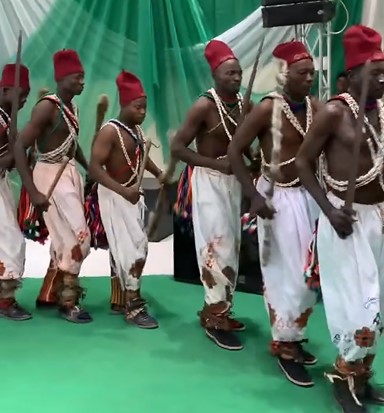
Language also connects generations. Children who learn Tangale from parents, grandparents and other community members gain access to stories, expressions and family histories that may be difficult to understand through translation alone.
But Gombe State is also a place where people often come into contact with other languages. Hausa is widely used for inter-community communication while English is Nigeria’s official language and is very important for education and formal settings. Many Tangale people therefore navigate more than one linguistic environment.
Preserving Tangale language does not mean rejecting other languages. It means ensuring that the language continues to have a place in homes, cultural events, learning materials, storytelling and conversations between young people and older relatives.
Tangale Traditional Culture and Social Life
Traditional culture is often easiest to understand through ordinary life rather than grand ceremonies alone. How people greet one another, raise children, care for relatives, settle disagreements and participate in community activities can reveal a great deal about their values.
Tangale society, like many communities in the region, has historically placed importance on family relationships, kinship, respect for elders and cooperation. These values provide a means of understanding how individuals sustain social ties and convey expectations between generations.
Elders may be consulted because of their experience and knowledge of family history. Their advice can help younger people understand community expectations, marriage relationships and responsibilities towards relatives. But the exact authority of elders varies from family to family, from local institution to local institution.
Family and community responsibilities
Family ties often extend beyond parents and children. Relationships with grandparent, uncles, aunts, cousins, and others from the wider family circle affect how people commemorate special events, help each other out during tough times and feel part of the family.
Community cooperation has also been important in agricultural societies, where people may need to coordinate work, share information and assist neighbours during demanding seasons.
These relationships are not unique to the Tangale, but they form part of the wider social setting in which Tangale cultural identity has developed.
Now, the conventional expectations coexist with modern education, jobs, and city life. Young people may live far from their ancestral homes, yet family gatherings, visits and cultural celebrations can help maintain their connection to the community.
Traditional leadership and community identity
Leadership is another important subject in understanding Tangale history. Traditional authority, family leadership and community institutions have helped organise social life at different points in the region’s history.
The formation of Tangale identity is also seen in the role of leaders in the historical accounts of Tangal and early formation of clans. But we ought not confuse past leadership frameworks with the full spectrum of contemporary political and administrative institutions.
For an accurate account of a particular Tangale traditional title, office or succession practice, it is best to consult the relevant community’s traditional council or a reliable local historical source. Such details may change over time and may not be the same in every Tangale settlement.
Tangale Food and Traditional Occupations
Food tells a story about the land, the seasons and the ways people earn their living. In agricultural communities, the ingredients available for cooking are often closely connected to local farming practices, markets and household resources.
Agriculture has always been a major activity in the rural communities of Gombe State. The surrounding area grows cereals and other food crops suited to the local rainfall and soil conditions. The exact crops grown by a household depend on location, access to land, rainfall and changing economic circumstances.
For the Tangale, farming and the preparation of locally available foods form part of the broader setting of everyday life. Grain-based meals, cooked vegetables, soups and other dishes common in northeastern Nigeria may feature in household diets, although there is no single menu that represents every Tangale family.
Food preparation is also a social activity. Family members may work together to prepare meals for visitors, celebrations, weddings or other gatherings. Such occasions are chances to welcome relatives and strengthen relations.
Farming, trade and changing livelihoods
Agriculture has traditionally supported many families in the region, while trade and other occupations have connected communities to neighbouring towns and markets.
Over time, Tangale people have also entered education, public service, business, professional employment and other modern occupations. Some farm alongside other sources of income while some do not engage in farming at all.
This change is important when discussing culture. The identity of tradition is not contingent upon everyone having the exact same job as their predecessors. A teacher, trader, civil servant or business owner can remain deeply connected to Tangale heritage through language, family relationships and participation in community life.
Tangale Marriage Customs and Family Life
Marriage is an important subject in cultural history because it brings together individuals, families and social expectations. Across many Nigerian communities, marriage has traditionally involved more than the agreement of two people; it may also involve discussions between relatives, family introductions, gifts and celebrations.
The marriage systems of the Tangale are to be studied in their historical and geographical context. Practices have changed over time, and not every family follows the same sequence of ceremonies. Modern religious beliefs, personal preferences, education, urban living and financial circumstances may influence how a couple plans a wedding.
Family involvement and marriage ceremonies
In some traditional settings, family members help introduce prospective partners, discuss the intentions of the couple and organise the practical arrangements surrounding a marriage. Such involvement could be helpful, but it would depend on the processes followed.
The assumption that one form of marriage rites applies to all the Tangale people can be wrong in the absence of proper evidence from these people. More details concerning the ceremony for one particular Tangale marriage can be acquired through oral tradition interviews of elderly people who know about it.
Marriage in contemporary Tangale communities
Tangale couples can now marry according to Christian, Muslim, traditional or any mixture of ceremonies, depending on their religious and social affiliations.
Some couples live in towns or other parts of Nigeria and organise ceremonies that bring relatives together from different locations. Others have greater ties to the traditions of their home societies.
Regardless of all these alterations, marriage can remain a celebration of family ties as well as an introduction to a new family member. The balance between inherited expectations and personal choice differs from one household to another.
Religion and Traditional Beliefs among the Tangale
Religion has influenced family life, moral teaching, celebrations and community relationships among the Tangale. However, the religious identity of the people should not be reduced to a single description.
Christianity has an established presence among Tangale communities while Islam and traditional religious beliefs are also part of the wider religious landscape reported in sources about the people and the region. The proportions and practices vary, and broad group-level descriptions should not be treated as a statement about every individual.
Christianity and Islam
For Christian Tangale families, church activities may be important occasions for worship, teaching, fellowship and family gatherings. Church weddings, Christmas celebrations, Easter and other religious events can form part of the yearly calendar.
The Muslim members of the wider Tangale community practice the Islamic practices of their faith such as prayer and religious festivities. In a multi-ethnic state such as Gombe, interactions between people of different religious backgrounds are part of everyday social life.
Religious diversity also means that practices differ between households. It is therefore important not to assume that all the Tangale people share the same ceremonies or share the same beliefs.
Traditional beliefs and ancestral heritage
Traditional religious practices are part of the historical study of Tangale culture. In many African societies, earlier religious systems included beliefs about spiritual forces, the natural world, ancestors and the responsibilities of the living towards their community.
However, specific claims about Tangale sacred sites, ritual specialists, ancestral ceremonies or traditional deities require reliable evidence from Tangale historical sources. Without such evidence, it is better not to assign particular beliefs to the whole community.
Traditional heritage can also survive in family histories, sayings, place names and customary practices even when people’s religious commitments change. However, the link between past traditions and present-day religion is not always easy to see, since individuals and groups have different interpretations of their past.
Tangale Festivals, Music and Cultural Celebrations
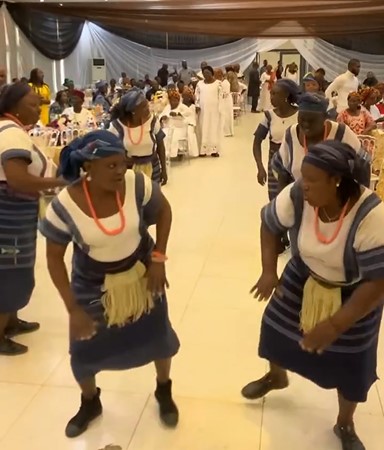
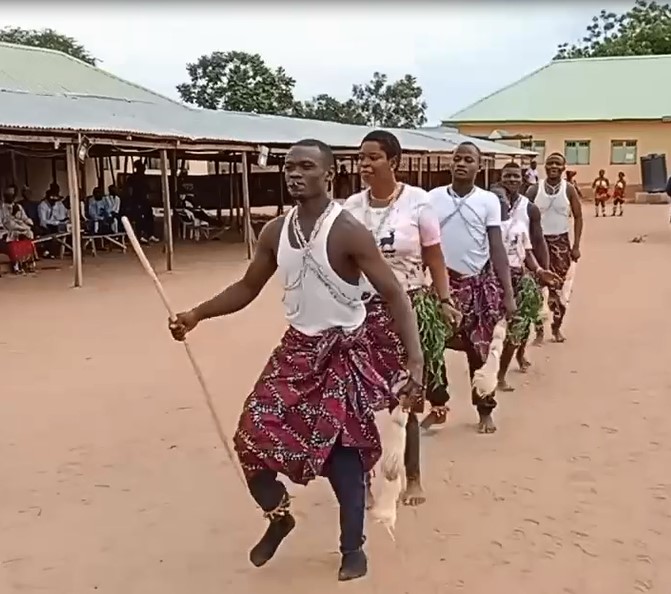
Festivals and community celebrations help people maintain relationships with their history. They unite families, friends, seniors, and youth, giving people a chance to relive old memories and feel a part of a larger group.
Tangale cultural activities must be interpreted in the context of the broader historical background of the southern part of Gombe State, with different communities developing their own festivals and art forms. It is advisable to check with the local cultural authority the specifics of the Tangale festivals such as names, dates and ritual significance before stating them as facts.
Harvest celebrations and community gatherings
The seasons and the success of their agriculture have been of consequence to them. The agricultural aspect of their lives has been crucial to the formation of their lives. Gatherings connected with community life can provide occasions for thanksgiving, hospitality and the renewal of relationships.
But, it would be wrong to say that all Tangale communities celebrate the same harvest festival or perform the same ceremony. Customs can differ between localities, and some older practices may have changed or disappeared.
When documenting a specific celebration, it is useful to ask local elders what it is called, when it takes place, who participates and what it means to the people who observe it.
Music, dance and oral storytelling
Music and storytelling are valuable parts of cultural preservation. Across the communities of Gombe State, oral traditions, songs and performances have helped people communicate experiences, celebrate important occasions and entertain younger generations. Research on the region’s cultural traditions also recognises the importance of folktales and play-songs in passing knowledge between generations.
Within Tangale communities, locally documented songs, stories and performances can help preserve memories of ancestors, community events and social values. These could be based on the circumstances and the performers themselves.
It is a wonderful place for Kunzaar to do future original reporting. A conversation with a Tangale drummer, dancer, storyteller or cultural organiser could provide details that are difficult to obtain from general publications.
Traditional Clothing, Crafts and Material Heritage
Clothing is one of the visible ways people express cultural identity. It can communicate personal taste, religious affiliation, community belonging and the importance of an occasion.
Tangale people, like other Nigerians, wear a variety of clothing styles. People wear different clothes for daily use than for a wedding, a religious event, a festival or a formal meeting. Contemporary fashion also influences how people present themselves.
It is important, however, to distinguish modern clothing worn by Tangale people from garments that can be reliably identified as historically specific Tangale dress. A picture of someone from Gombe State in traditional-looking clothes, by itself, does not establish that the garment is unique to the Tangale.
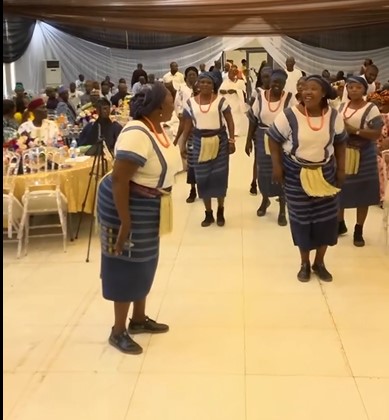
The same care applies to crafts, jewellery, household objects and ceremonial items. These can be valuable sources of cultural knowledge, but their names, uses and origins should be established through interviews, museum records or trustworthy historical documentation.
This mean that anyone who want to add a section on distinctive Tangale people clothing or crafts, images supplied by local community members and explained by knowledgeable sources would make the article more useful and original.
The Tangale People in Modern Nigeria
The Tangale story continues in the present. Their communities are connected to the wider Nigerian economy and society through education, farming, trade, religious institutions, government, professional work and migration.
Billiri and surrounding areas remain important to Tangale identity. At the same time, Tangale people live in other Nigerian cities and may settle abroad for education, work or family reasons. Being distant from one’s ancestral homeland does not always result in a separation from culture.
Education and changing opportunities
Education has created new opportunities for younger Tangale people. Students may leave their home communities to attend secondary schools, colleges or universities, while others develop skills through business, vocational training and employment.
These experiences can change the way people communicate, work and organise family life. Nevertheless, the young Tangale people can also use modern education to record their history, study their language and share their heritage with wider audiences.
Preserving Tangale for future generations
One challenge facing many languages and cultural traditions is the gap that can develop between generations. When children have fewer opportunities to speak their ancestral language or hear traditional stories, valuable knowledge may become harder to recover.
Tangale families and cultural organisations can help address this by encouraging children to learn the language, recording oral histories with elders, documenting traditional songs and preserving photographs of important community events.
Schools, researchers, writers and digital publishers can also contribute. A carefully researched cultural article may introduce readers to a community they have never visited and encourage them to learn more.
This is one reason cultural websites such as Kunzaar are important. They can help make local history available to readers while keeping an archive for posterity to go through.
The Tangale and Their Neighbouring Communities
The Tangale people belong to a culturally heterogeneous area of Nigeria. Gombe State is home to several ethnic groups, including the Waja, Tula, Tera, Bolewa, Fulani, Jara, Dadiya and others. Each has its own historical experiences, language traditions and local identities.
Contact between communities can take many forms. People trade in the same markets, attend schools together, share workplaces and maintain friendships and family relationships across ethnic boundaries.
Historical research on the Tangale–Waja area demonstrates why these relationships matter. The region’s history includes population movement, interaction and the development of distinct identities over time. These processes provide an explanation for how neighboring societies may share common experiences while maintaining their language and culture.
Recognising this diversity makes the history of the Tangale more meaningful. Their identity is not defined only by differences from other groups; it has also developed through centuries of living alongside them.
Why Tangale Culture Deserves to Be Preserved
Cultural preservation is not simply about remembering the past. It is also about providing young people with the knowledge that will enable them to trace the origins of their families and communities.
For the Tangale, preserving heritage can include recording the different versions of their origin stories, teaching children the language, documenting local ceremonies and keeping family histories accessible. It also involves recognizing that traditions change rather than hoping that every younger generation will act exactly like those before them.
There are practical ways to support this work:
– Record elders discussing family histories, migrations and community life, with their permission.
– Collect and explain Tangale proverbs, stories and expressions in the original language and English.
– Photograph cultural objects and celebrations, recording the names and meanings provided by knowledgeable participants.
– To encourage young writers and researchers to document local history through interviews and published scholarship.
– Document the difference among communities rather than treating one narrative as representing all of the Tangale people.
Such steps enable us to keep the information without making the living culture belong to the past.
Conclusion — The Enduring Heritage of the Tangale People
The history of the Tangale people of Gombe State is a story of identity, migration, settlement, language and change. Their home area lies in the south of Gombe and is part of a wider area whose communities have engaged with each other over many generations. The language and the history they share in their minds distinguish their cultural identity.
The people’s oral traditions recall their roots , migration and the importance of the early leaders. Scholars who study history still analyze these sources together with written documents and other regional material. This careful approach allows the traditions to be respected without presenting uncertain details as settled history.
Tangale culture also lives in the present: in conversations between generations, family relationships, religious life, community gatherings, changing occupations and the efforts of people who want their heritage to remain known.
You Can Also Read: Peruvian Culture: Traditional Attire and Festivals
In my thinking about the significance of recording communities like the Tangale, there is one thing that comes out clearly: the history of a people should not simply be recorded in a few paragraphs about their origin. Their story includes the lives of ordinary people, the knowledge of elders and the choices of younger generations who are shaping what comes next.
It will mean that by reading Kunzaar, readers will find it easy to understand how diverse Nigerian cultures can be. Preserving that diversity begins with listening carefully, researching responsibly and allowing communities to tell their own stories in their own words.
About the Author
Writer and Cultural Heritage Contributor, Kunzaar
Habila Ibrahim writes about African history, indigenous communities, cultural traditions and the stories that help preserve people’s heritage. Through Kunzaar, he hopes to make cultural information accessible to readers and to foster greater appreciation of the rich histories of Nigeria and other societies around the world.
Please note this: This biography is a suggested author description based on the cultural focus of your website. You can adapt it to reflect your actual experience, research methods and professional background.
Sources and Research
The following sources provide a starting point for the historical and linguistic information in this article. They are useful for further research, especially if you want to expand the article with more specific information about local customs.
1. Gajere Yakubu Tula — Perspectives on Traditions of Origin of the Peoples of Tangale-Waja
Research on oral traditions, migration and the historical development of communities in the Tangale–Waja region.
2. Ishaku Abba Maigari and Shalom Andrew Kunga — Peopling of Tangale Waja Area: A Reinterpretation of Sources
A historical study discussing oral traditions, archival materials and population movement.
3. Amos Dlibugunaya — An Outline of Tangale Phonology
A linguistic source for the classification of Tangale and its regional varieties.
4. Gombe State Government — State Education Sector Plan
Background on the state’s ethnic diversity, languages, religious communities and social life.
5. Tangale Language — Linguistic overview