
Last Updated on June 12, 2026.
Introduction
Our cultural heritage took us to Namibia to see for ourselves their cultures and tradition, and we come across a tribe called Oshiwambo. The Oshiwambo people, also known collectively as the Ovambo people are the largest ethnic group in Namibia, making up a significant portion of the country’s population. Known for their rich cultural heritage, strong family values, and deep connection to traditional customs, the Oshiwambo people have played a vital role in shaping Namibia’s history and identity. Primarily found in the northern regions of Namibia, they are made up of several closely related communities that share similar languages, traditions, and ways of life.
The history of the Oshiwambo tribe is closely tied to migration, agriculture, cattle keeping, and the establishment of powerful traditional kingdoms that existed long before colonial rule. Over the centuries, they developed unique cultural practices, traditional leadership systems, colorful ceremonies, and social values that have been passed down from one generation to another. Despite the influence of modernization and globalization, many Oshiwambo people continue to preserve their customs, language, music, dances, and traditional beliefs.
In this article, we will explore everything you need to know including the history, culture, traditions, and way of life of the Oshiwambo people, highlighting how they have maintained their cultural identity while adapting to the changing world. Understanding the Oshiwambo tribe provides valuable insight into one of Namibia’s most influential and culturally vibrant communities.
Origin and History of the Oshiwambo Tribe
The Oshiwambo people trace their ancestry to the Bantu migrations from Central and West Africa around the 14th and 15th centuries. They gradually settled in northern Namibia and southern Angola, forming a confederation of sub-tribes commonly referred to as the Ovambo. Notable subgroups include Ndonga, Kwanyama, Kwambi, Mbalantu, and Ngandjera.
Historically, the Ovambo established organized kingdoms with kings or chiefs known as “Oshilongo.” They practiced subsistence farming, animal husbandry, and ironworking. During the colonial period, particularly under German and South African rule, the Oshiwambo resisted foreign domination, contributing greatly to Namibia’s independence movement.
Also Read: Tarok Language: Where Did Tarok In Nigeria Migrate From?
Geographic Location, Population and Countries Where Oshiwambo People Are Mostly Found In:
- Northern Namibia (especially in the regions of Ohangwena, Omusati, Oshana, and Oshikoto)
- Southern Angola, particularly among the Kwanyama subgroup
The Oshiwambo tribe represents one of the largest and most influential ethnic groups in Namibia. With a population exceeding one million, their culture, language, and traditions form a cornerstone of Namibia’s national identity. In this post, we will explores their origin, food, religion, festivals, marriage customs, and more.
Today, many Oshiwambo people also live in urban areas of Namibia such as Windhoek due to migration for employment and education.
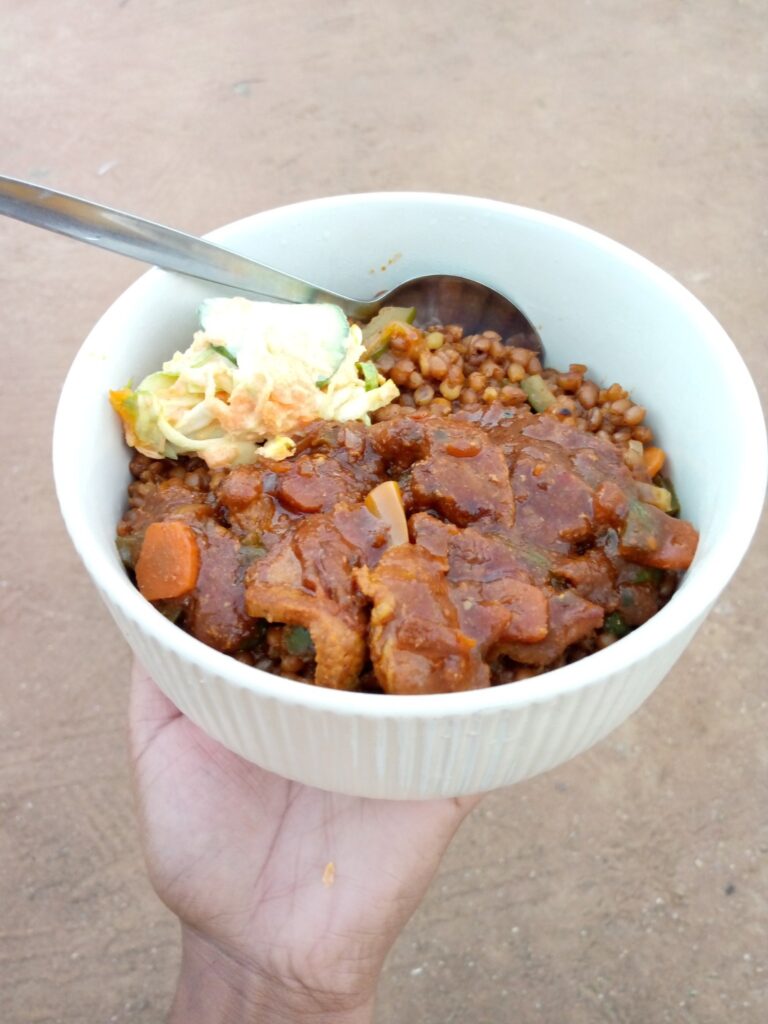
Food and Cuisine of the Oshiwambo
Your food tells of your culture. Like other tribes, Oshiwambo cuisine is rich in local agricultural produce and traditional preparation methods.
Common among the Oshiwambo include:
Oshifima – a thick porridge made from millet or maize flour
Ombidi – a type of wild spinach or leafy green vegetable
Eembe – a type of wild fruit used in making jam or juice
Onyoka – dried meat (often beef or goat)
Omagungu – traditional mopane worms, a seasonal delicacy rich in protein
Oshikundu – a traditional fermented drink made from millet
Food is central to family life and communal gatherings, often prepared and shared with extended family.
Religion and Belief Systems
Before colonization, the Oshiwambo practiced traditional African religion, centered on ancestral worship and belief in a supreme being called Kalunga. Rituals, sacrifices, and ceremonies were integral to their spirituality.
With the arrival of Christian missionaries in the 19th century, particularly the Finnish Evangelical Lutheran Mission, many Oshiwambo people converted to Christianity—especially Lutheranism. Today, the majority of the Oshiwambo people identify as Christian, though traditional beliefs still influence cultural practices.
Festivals and Celebrations
While the Oshiwambo people celebrate national holidays like Namibia’s Independence Day, they also observe traditional festivals:
Omagongo Festival – A gathering of Oshiwambo communities to celebrate the Marula fruit season. It includes music, dance, storytelling, and Marula drink tasting.
Oshituthi Shomagongo – Recognized by UNESCO as Intangible Cultural Heritage, it promotes peace and unity among the various sub-tribes.
Apart from Christian festivity, others are weddings, harvest time, and initiation ceremonies are also occasions of communal celebration filled with singing, drumming, and traditional dance.
Culture and Way of Life
The Oshiwambo culture is rooted in community, respect, and tradition. Key aspects include:
Language: They speak various dialects of Oshiwambo (e.g., Oshikwanyama, Oshindonga), which are mutually intelligible.
Dressing: Women often wear colorful traditional dresses with headscarves, while men may wear modern attire combined with cultural accessories.
Social Structure: The society is matrilineal, meaning lineage and inheritance pass through the mother’s side.
Art and Craft: They are known for basket weaving, pottery, and wooden carvings, often sold in local markets.
Respect for elders, strong family bonds, and communal decision-making are values deeply embedded in their daily life.
You Can Also Read: Understanding Percentages: A Beginner’s Guide
Marriage Customs
Marriage among the Oshiwambo is a well-structured, respected institution. Key features include:
Courtship and Introduction – Families of the bride and groom meet, often initiated by the man’s family.
Bride Price (Omahala) – The groom’s family offers cattle, money, or goods as a token of appreciation to the bride’s family.
Traditional Wedding (Omapwallya) – A cultural ceremony featuring music, dance, food, and exchange of gifts. It may be followed by a church wedding.
Extended Family Role – Marriages are seen as a union between families, not just individuals, hence the strong involvement of extended family.
Marriage symbolizes unity and continuity, reinforcing community and kinship ties.
Conclusion
The Oshiwambo tribe of Namibia stands as a vibrant representation of African heritage, blending traditional beliefs with modern realities. From their flavorful cuisine to colorful festivals and rich customs, they continue to thrive while preserving their identity. As Namibia evolves, so too does the resilience and beauty of the Oshiwambo people.
The Oshiwambo tribe also stands as one of Namibia’s most important and culturally rich communities, with a history deeply rooted in tradition, resilience, and strong social values. From their ancient kingdoms and agricultural lifestyle to their vibrant ceremonies, music, dances, and family-centered customs, the Oshiwambo people have preserved a unique cultural identity that continues to thrive today despite modernization and globalization, it has not stopped them from observing their cultural and traditional rites.
Despite the challenges brought by colonialism, urbanization, and modernization, the Oshiwambo have successfully maintained many of their traditional practices while embracing new opportunities in education, business, and national development. Their language, cultural festivals, traditional leadership structures, and communal way of life remain vital parts of their heritage and continue to be passed on to younger generations continuously.
The story of the Oshiwambo people is a testament to the strength of cultural preservation and adaptation. By understanding their history, culture, traditions, and way of life, we gain a deeper appreciation of Namibia’s diverse heritage and the enduring legacy of one of Africa’s most influential ethnic groups. The Oshiwambo tribe remains a proud symbol of identity, unity, and cultural continuity in modern day Namibia.
Action
How do you stay connected to your cultural identity? You can share your story using #MyCulturalCode and also comment below so as to keep our culture heritage alive! Let built ties through cultures. Also Visit our YouTube Channel: KunzaarChannelsTV through @kunzaarchannelstv to watch the best of cultural heritage.
This is quite interesting but at least drop the history in Oshiwambo
bookmarked!!, I really like your web site!