
Introduction
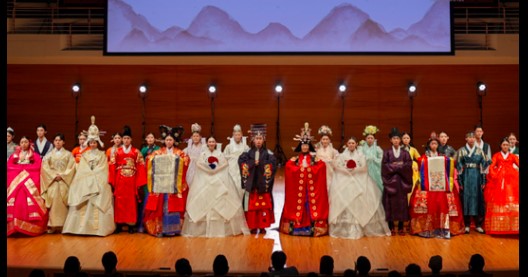
Today’s voyage took us to Korea to see and understand one of the beautiful traditional attires of our time known as the Hanbok. The hanbok of Korea is one of the most beautiful and symbolic traditional attires in the world. Known for its graceful lines, vibrant colors, and deep cultural meaning, hanbok reflects Korea’s long history, values, and identity. Although modern Koreans wear Western-style clothing in daily life, hanbok remains an important cultural treasure. It is proudly worn during festivals, weddings, national celebrations, and special family events.
Also Read: Argungu Fishing and Cultural Festival
Hanbok is more than just clothing. It represents harmony, respect, social status, and the philosophy of balance between humans and nature. In this detailed guide, you will learn about the history, origin, cultural importance, festivals, modern adaptations, and global influence of the Korean hanbok.
What Is Hanbok?
Hanbok is the traditional clothing of Korea. The word literally means “Korean clothing.” In South Korea, it is called hanbok, while in North Korea, it is known as “Joseon-ot.”

Basic Structure of Hanbok
The Hanbok is well-designed differently for men and women. This is how it is based described as shown below:
For Women:
- Jeogori – A short jacket or blouse
- Chima – A long, high-waisted skirt
- Norigae – Decorative tassel accessory
For Men:
- Jeogori – Jacket
- Baji – Loose-fitting trousers
- Durumagi – Overcoat worn for formal occasions
The beauty of hanbok lies in its simple structure combined with flowing lines and vibrant colors.
The History of Hanbok
The history of hanbok dates back over 2,000 years. Early forms appeared during the Three Kingdoms period (57 BCE – 668 CE), which included:
- Goguryeo
- Baekje
- Silla
Wall paintings from Goguryeo tombs show people wearing garments similar to modern hanbok. These early designs were practical for horseback riding and active lifestyles.
Hanbok in the Joseon Dynasty
Hanbok developed into its recognizable modern form during the Joseon Dynasty (1392–1910). Confucian values influenced clothing style, emphasizing modesty and social hierarchy.

- Aristocrats wore silk hanbok.
- Commoners wore cotton or hemp.
- Colors indicated social status.
The Joseon period refined hanbok into the elegant attire we recognize today.
Origin and Cultural Influences
Hanbok originated from the nomadic clothing styles of northern Asia but evolved uniquely in Korea. It was influenced by:
- Climate (cold winters and hot summers)
- Social class system
- Confucian philosophy
- Natural harmony principles
The loose fit allowed air circulation in summer and layering in winter. The design avoided tight fitting shapes, promoting comfort and grace.
Symbolism of Colors in Hanbok
Colors in hanbok are not chosen randomly. They reflect Korea’s traditional philosophy of Obangsaek, the five cardinal colors:
- Blue – East, wood, spring
- Red – South, fire, summer
- Yellow – Center, earth
- White – West, metal, autumn
- Black – North, water, winter
Historically:
- Royal families wore bright colors.
- Brides wore red and green.
- White symbolized purity and was common among ordinary Koreans.
Hanbok and Korean Festivals
Hanbok is commonly worn during traditional Korean festivals.
1. Seollal (Lunar New Year)
Seollal is one of the most important Korean holidays. Families gather, perform ancestral rites, and children bow to elders in a ritual called sebae while wearing hanbok.
2. Chuseok (Harvest Festival)
Chuseok is similar to Thanksgiving. Families honor ancestors and celebrate the harvest. Many Koreans wear hanbok during traditional ceremonies.

3. Traditional Weddings
Korean weddings often feature elaborate hanbok designs. The bride wears a colorful hanbok with embroidered symbols of good fortune, while the groom wears a formal robe.
Hanbok in Modern Korean Culture
In modern Korea, hanbok is not everyday wear. However, it remains culturally important.
Hanbok in K-Dramas and Entertainment
Historical dramas like Jewel in the Palace showcase traditional hanbok styles, increasing global interest.
K-pop groups like BTS have worn modernized hanbok in performances, blending tradition with contemporary fashion.
Modern Hanbok (Fusion Hanbok)
Modern designers have reinvented hanbok to suit daily wear. These designs:
- Use lighter fabrics
- Simplify patterns
- Combine Western tailoring
Fusion hanbok is popular among young Koreans for graduations and photoshoots.
Countries Where Hanbok Is Worn
While hanbok originates in Korea, it is worn in:
- South Korea (widely)
- North Korea (traditional form)
- Korean communities in:
- China
- United States
- Japan
Global Korean diaspora communities wear hanbok during cultural events and festivals.
Materials Used in Hanbok
Traditional hanbok fabrics include:
- Silk (for royalty and upper class)
- Cotton (for daily wear)
- Hemp (summer wear)
Modern hanbok may use synthetic blends for affordability and durability.
Accessories and Hairstyles
Women traditionally wore these attire:
- Norigae (ornamental pendant)
- Binyeo (hairpin)
- Jokduri (bridal crown)
Men wore these attires:
- Gat (traditional hat made of horsehair)
Each accessory symbolized dignity and social status.
Hanbok and Social Status
During the Joseon era, strict dress codes applied:
- Only royalty could wear certain colors.
- Patterns like dragons were exclusive to kings.
- Commoners wore plain white or light shades.
This visual system made it easy to identify someone’s rank instantly.
Hanbok Rental and Tourism
In cities like Seoul, tourists rent hanbok to visit historic sites such as Gyeongbokgung Palace. Visitors wearing hanbok often receive free entry to palaces.
You Can Also Read: The History of Nauruan People
This trend has boosted cultural tourism and revived interest in traditional clothing.
How Hanbok Is Made
Hanbok tailoring requires:
- Careful measurement
- Hand stitching
- Balanced color coordination
- Fabric layering
The curved lines of the jeogori and chima require skilled craftsmanship.
Differences Between Traditional and Modern Hanbok
| Traditional Hanbok | Modern Hanbok |
| Heavy fabrics | Lightweight fabrics |
| Formal occasions only | Semi-formal use |
| Complex embroidery | Minimalist designs |
| Strict color rules | Flexible colors |
Why Hanbok Still Matters Today
Hanbok represents:
- Korean identity
- Respect for ancestors
- National pride
- Artistic beauty
Even in a globalized world, Koreans value hanbok as a cultural treasure.
Challenges Facing Hanbok
- Expensive materials
- Limited daily practicality
- Competition with Western fashion
However, government support and fashion innovation continue to preserve it.
Conclusion
The hanbok of Korea is not just traditional clothing—it is a symbol of heritage, philosophy, and artistic expression. From ancient kingdoms to modern K-pop stages, hanbok continues to evolve while preserving its identity. Whether worn during Seollal, weddings, or cultural tourism in Seoul, hanbok connects Koreans to their history and traditions. As global interest in Korean culture grows, hanbok stands proudly as a beautiful reminder of Korea’s rich past and vibrant present.