
By Habila Ibrahim | Last Updated on July 10, 2026.
Introduction
In the northern Philippines, there’s a people who fish with spears, weave magic into baskets, and still tell stories of panagbibi (ancestral spirits). They’re the Gaddang.
The Gaddang are an Indigenous group in Cagayan Valley, Luzon. And their language name is Gaddang, part of the Austronesian family. Most live along the Cagayan River.
How They Live
I was wondering how do Gaddang people live I discovered that the Gaddang are farmers, fishermen, and traders. Rice is life. There’s this language slang, Mangan ti bagas (harvest festival) is their big celebration.
It feels like Aro Ikeji (harvest festivals) in Igbo land. Same vibe such as food, music, ancestors.
Baskets and Bibles
The Gaddang weave kattut (bamboo baskets) with patterns that tell stories. Spanish missionaries came in the 1600s; some Gaddang are now Catholic.
Gaddang Today
Most still farm, but some work in towns and the Panagbibi (spirit) rituals mix with church prayers. “Dua nga na” (this is our way), they say.
Togetherness in cultural celebration is what we are up to in this blog to showcase different cultural heritage to the world. We do so so to make our visitors aware that we’ve been various cultures, beliefs & traditions here in the planet! And our cultural journey took us to the Philippines.
Though the Philippines is a home to many indigenous ethnic groups, each with its own language, traditions, and cultural identity. Within those groups are the Gaddang people-one of indigenous groups that can be primarily found in the northern part of the country. The people are characterized by various festivals and tradition and are living a nomadic or even agriculture way of life while continuing the oral tradition of Gaddang language.
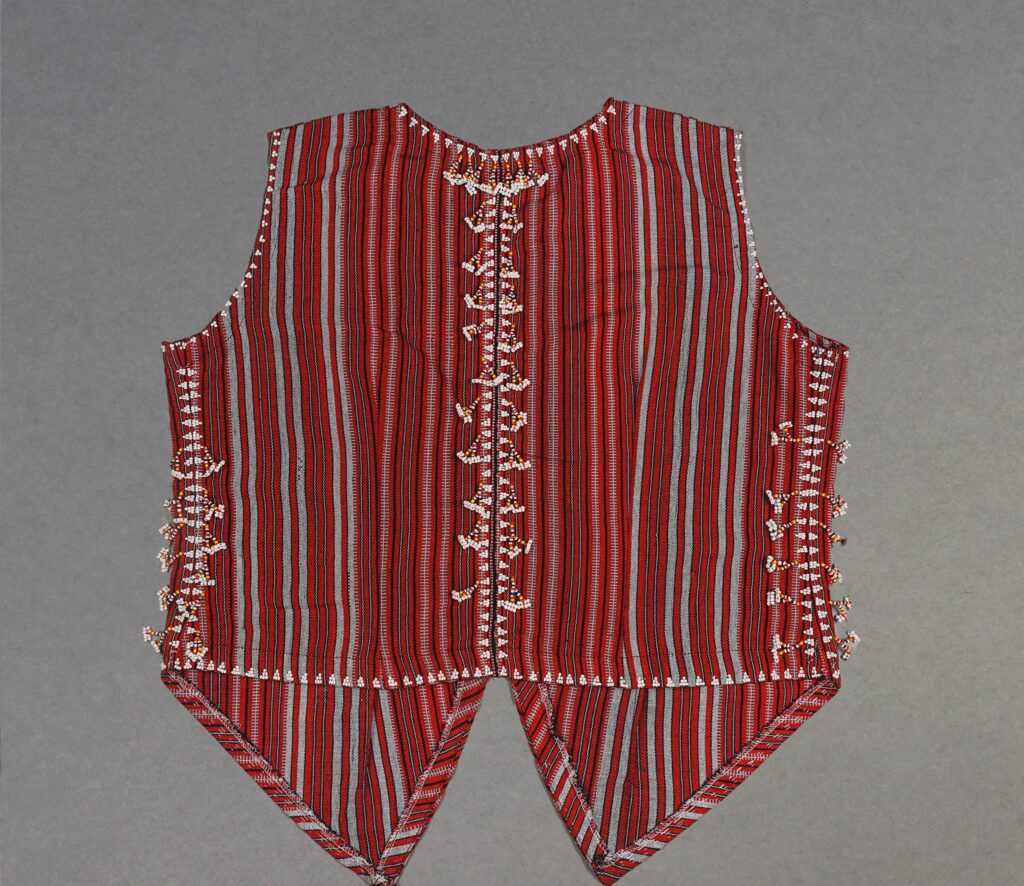
Family bonds are a major component of Gaddang culture and traditions, and the Gaddangs are recognized by the beauty and diversity of their musical culture, dance, crafts, beadworks and farming techniques. Gaddang life and practices throughout the years has always been oriented to its locality, integration and accommodation and to its role within the indigenous culture of Cagayan Valley.
Also Read: Baganda People of Uganda
The purpose of this article is to explores the history, origin, food, religion, festivals, culture, marriage traditions, and modern lifestyle of theGaddang people in detail for you our visitor to know more about this people. Who knows, you are planning to visit the Philippines to see for yourself the rich cultural heritage of the Gaddang people?
So, who are the Gaddang?
The Gaddang people are an indigenous ethnolinguistic group living in the northern parts of the Philippines to a large extent. They are traditionally found in the provinces of Nueva Vizcaya, Isabela, and parts of Cagayan in the Cagayan Valley area of northern Luzon.
Some think that “Gaddang” means “people of the river” or more literally “people living by the river, ” and this effectively reflects the community’s close relationship with the water and fertile farmlands
One of the marks of the Gaddang ethnic group is their language, the Gaddang language; however, many also speak Ilocano, Filipino, and English because of educational background and socio-cultural interactions with h different groups.
Origin and History of the Gaddang People
Early Origins
Like many tribes who have a hard time pinpointing their exact origin because of the lack of written records, the exact origin of the Gaddang people is not fully documented, but historians and anthropologists think they belong to the ancient Austronesian settlers that migrated to the Philippine islands thousands of years ago.
It was believed that, they settled in the fertile valleys and mountainous areas of northern Luzon, where rivers provided water for farming and transportation. The Gaddang people are the original inhabitants of the region and have already developed their own language, customs and governance before foreign colonization. Organized as a tribal, led by an organized tribe headed by elders, having their governments.
Spanish Colonial Period
As soon as the Spaniards arrived in the Philippines in the 16th century and colonized the country, Christian missionaries and colonial officers soon came and traveled into the Gaddang settlements. The Spaniards built the villages of Gaddang into Christianity and established a colonial type of governing, business partnerships.
Some Gaddang communities accepted Christianity and settled in mission towns, while others resisted foreign influence and remained in more remote mountain areas because they don’t want to be influenced bythe foreigner according to them.
The colonizers tried hard but could not stop the Gaddangs to continue their culture until the time now.
American and Modern Period
When Americans arrived, road systems were made and public schooling and modernity came in which brought Gaddang people in direct contact with other tribes and Filipino people. Even with the presence of modern tools and facilities around Gaddang community, most people to this day continue to maintain their family relationships, rituals, dances and customs.
Where do Gaddangs people live?
The Gaddang people are mainly found in northern Luzon in the Philippines.
Main locations- Nueva Vizcaya, Isabela, Cagayan, Some areas in Quirino province and Small villages in the mountains of the northern Luzon.
Countries Where Gaddang People can be Found
Although Gaddang people are native to the Philippines, the migration of some families have scattered them across different countries of the world, some of them are : United States of America, Canada, Australia and the United Kingdom.
Through activities and traditions Gaddang communities that had spread throughout the world had chances to become known to each other and preserve cultural relationship at some levels.
Language of the Gaddang People
The Gaddang language belongs to the Austronesian language family. It is one of the indigenous languages spoken in northern Luzon.
The language have a variety of sound features and a vocabulary that distinguish it from neighbouring ethnic groups.
Today the most people of Gaddang language is a multilingual and speak besides of: Filipino (Tagalog), Iloano and English.
Even with modernization, various cultural organisations, in their own ways, encourage youngsters to keep the Gaddang dialect going from one generation to the next.
Traditional Culture of the Gaddang People
Clothing and Appearance
Traditional Gaddang clothing is colorful and richly decorated. Most notably it is a female affair that is characterized by beadwork, decorations and fine workmanship.
Traditional Female Clothing
These are the dressing that are known among the Gaddang women. These women traditionally wear these sets of traditional dressing as listed below: Colorful woven skirts, Beaded necklaces, Brass ornaments and Decorative headpieces.
Traditional Male Clothing
While men are known traditionally wearing these ones listed below: Simple woven garments, Headbands and Traditional farming attire.
In the old costume design red, yellow, black, and white and other vibrant and rich color are most popularly.
Music and Dance
Music and dance play an important role in Gaddang culture.
Traditional Instruments Used are : Gongs, Bamboo Instruments and Drums.
The most popular among the Dances that can be danced in some important occasions such as: Weddings, Harvest Festival, Traditional Games, Community Event and Religious Ceremony.
A great many dances s were modeled on such earthly activities as agriculture and flirtation or mimic animals.
Traditional Food of the Gaddang People
Many culture have a way of identity through food. Food is an important part of Gaddang identity and hospitality. Their cooking centers on seasonal farm fresh produce grown locally using traditional methods.
Common Foods
Rice
Rice is the staple food of the Gaddang people. It is eaten daily and used during rituals and festivals.
Root and tubers
In addition to the major root crops, others can be grown for various purposes: sweet potatoes, cassava and Yams.
Vegetables
Many other vegetables, such as those listed here, are commonly grown in gardens and provide a number of nutritious and healthy foods.
Fish and River Foods
Because many communities live near rivers, fish is an important protein source for the Gaddang people.
Meats
If it is one of those celebrations and special occasions, you might want to enjoy that pork, chicken, even sometimes the beef.
Famous Traditional Dishes
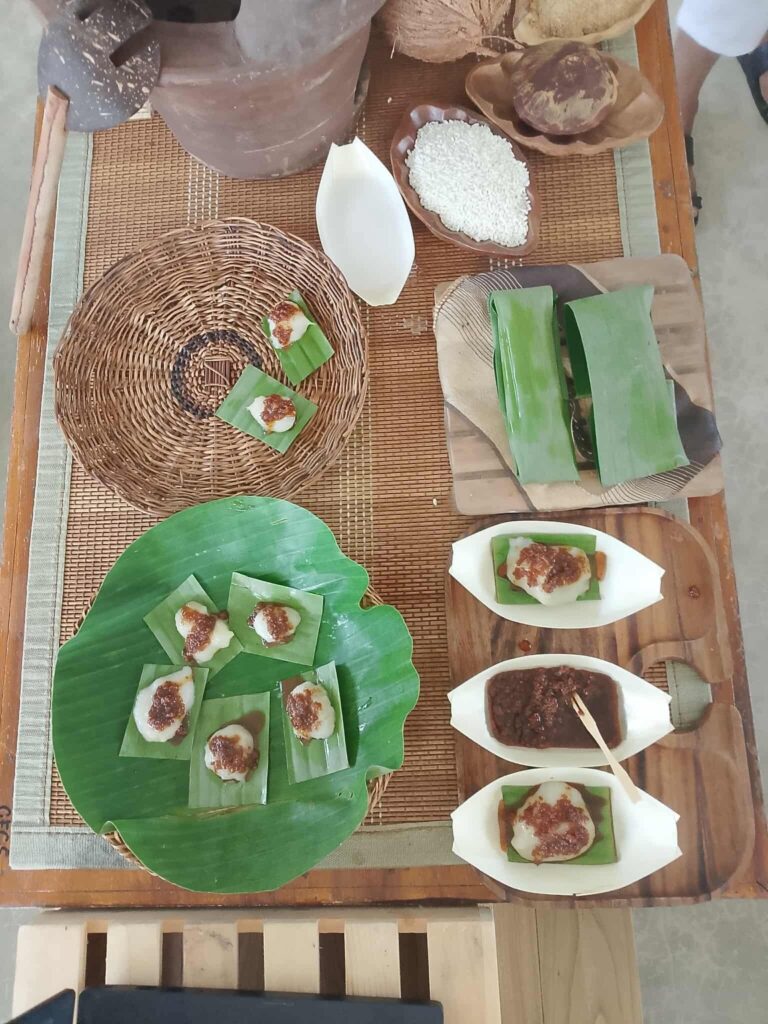
Inabraw
A vegetable dish cooked with local greens and sometimes fish or shrimp.
Pinikpikan
Popular and traditionalchicken dishes found in Northern Philippines especially northern Luzon. This dish may not look appetizing but its taste is so delicious . The flavor depends on how long chicken will be pounded byusing a wood as mallet.
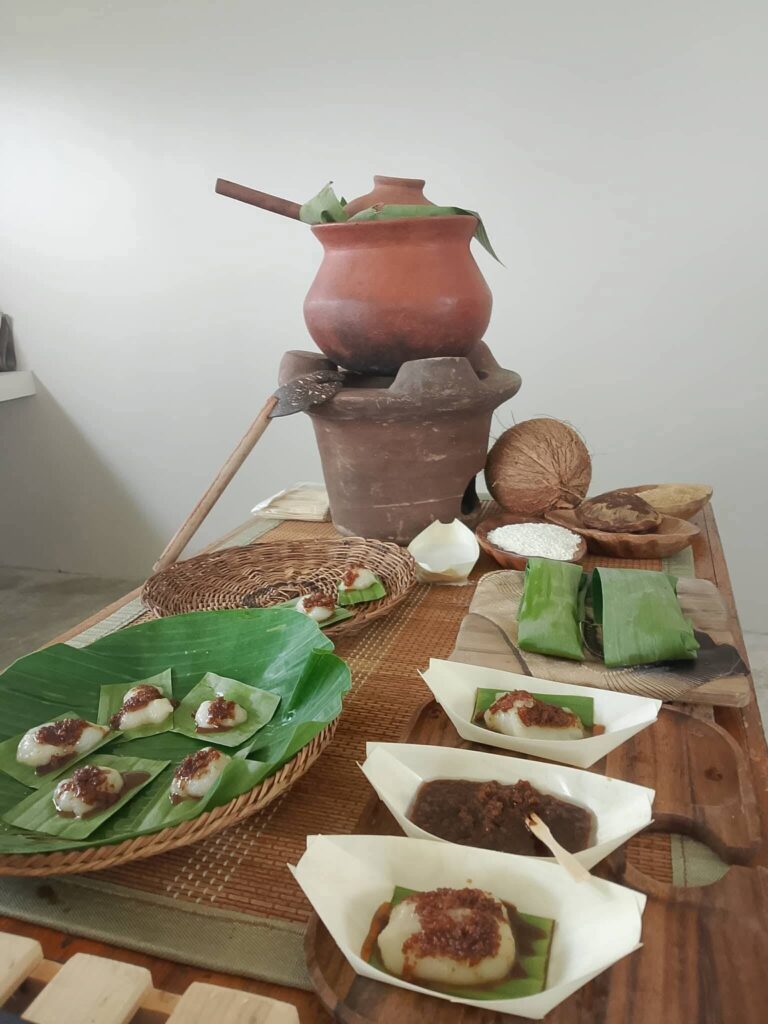
Rice Cakes
A feast made in this part of the world for any occasion or festival is the rice cake, an edible delight made from pure rice.
Religion and Beliefs of the Gaddang People
Among the Gaddang people their own religion has been blend with Christianity while still clinging into Christianity some are still into practice the one without mixing Christianity on their own beliefs.
Traditional Indigenous Beliefs
Christianity came after some cultures were having their way of belief and the Gaddang people are not an exception. In pre-Christianity Gaddang cultures worshiped: Nature deities, Ancestral spirits, Spirits of trees, mountains, forests and rivers.
Their rites were done for the purpose of seeking: Abundant harvests ,Protection, Healing and Direction.
In ceremonial settings important roles were taken up by spiritual leaders or shamans.
Christianity
Today, many Gaddang people are Christians, particularly:Roman, Catholics and Protestants.
By way of Spanish influence Christianity remains dominant to the extent that it is today. Still, some ancient and traditional cultures and practices may still present combined with the Christian traditions.
Gaddang Festivities
Festive activities are one of the most lively elements of Gaddang life and lore. They celebrate harvests, community unity, spirituality, Christian festivals and cultural pride.
Why Festivals Are Important
Festivals:- Protect, support, transmit, Traditional dances, Traditional wear,Music, Indigenous literature, Traditional stories or folklore and Community spirit.
Another big pull for these tours are travelers, and students, alike. Indigenous people are usually there when doing Tours. The Gaddang people also celebrated Christian festivity such as Christmas and Easter.
Key Festivals of the Gaddang People
Ammungan festival The Ammungan Festival is perhaps one of the biggest cultural festivals relating to the Gaddang people; it is celebrated in Nueva Vizcaya.
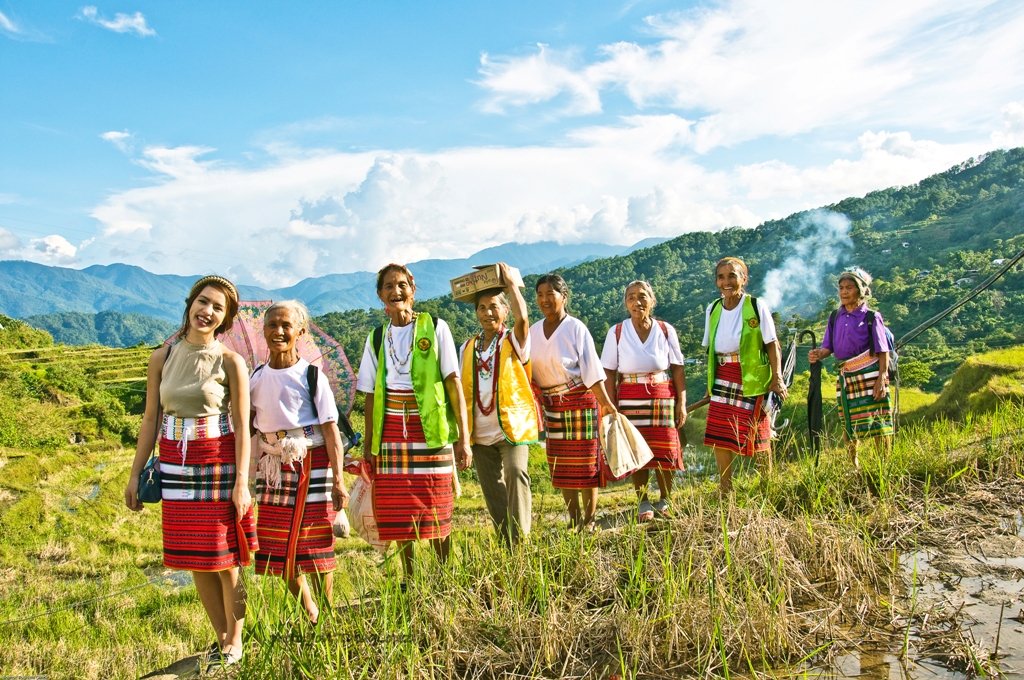
The word “Ammungan” means “gathering” in the local language.
Purpose of the Festival
The main events which take place during the festival are:Unity amongst ethnic groups; The celebration of traditions and ethnic cultures; Success in the harvesting and agricultural fields ; and Co-operation of the local community.
Activities during the Festival
Festival activities include: Street dancing, Cultural parades, Indigenous music , Traditional cooking displays, Agricultural exhibitions, Beauty pageants and Handicraft exhibitions.
Traditional Clothing during the Festival
Participants wear: Beaded garments, Indigenous woven fabrics andColorful accessories.
Importance to Tourism
This festival gives exposure to the residents from different countries that they visit the Philippines and retain their indigenous ways of life, there many people who have to travel across countries for these colourful and amusing festivals to see themselves!
Traditional Marriage among the Gaddang People
mong the Gaddang people, a marriage ceremony holds so much prestige because to them, a marriage ceremony means uniting not only people but their families.
Courtship rituals
In the traditional society courtship always involves respect, family participation, and the man trying to show: Being hard worker, Farming capability, Respect for old people and Having a good personality.
Family helped decide who the couples will date.
The Bride Wealth System and Family Pacts
Traditional marriages sometimes led to gift exchange between the families.
These could include: Livestock, Rice , Clothing and Jewelry.
That sort of discussion just said that both families meant to each other both their respects, and what did their families mean by each other.
Wedding Services
Traditional weddings often included: Feasting, Dancing, Music and Blessings from elders.
These Gaddang wedding ceremonies in most cases include Christian rites and tribal rituals. For Christian weddings, they need the blessing of the spiritual leader and a prayer for the union which is key.
Occupation and Daily Life
Farming
Agricultural is still one of the main work of many of Gaddang community’s occupations.
Major crops include:Rice, Corn, Vegetables and Tobacco.
Fishing
River communities also practice fishing for daily food and trade.
Handicrafts
Some Gaddang artisans produce: Beadwork, Woven fabrics and Traditional ornaments.
This craft is a significant cultural item and one of the sources of people’s income.
Structure and Social Relations
In the Gaddang society, the unit of social organizations is the family.
Elders
Elders are highly respected in many cultures, as they maintain their: Oratory lore, Cultural traditions and histories, and community lore.
Community Cooperation
Traditional communities practice cooperation during: Farming seasons,Festivals, House construction and Ceremonies.
And in this era of globalization this feeling of together is still essential in our cultural lives.
Present Issues to be Confronted by the Gaddangs
Like many indigenous communities, the Gaddang face several modern challenges which we will highlight them for more understanding for us to do something possible to preserve that culture and tradition.
Language Loss
Younger generations increasingly use dominant languages instead of the Gaddang language and that post a danger to its existence.
Migration to cities
It’s a matter of common interest many of youth’s move to the cities with the aim of having good education and job there; although they don’t have right to quit their religion and culture.
Conserving Culture
Today, with more of us living “global lifestyles” the threat of losing many traditional customs is veryreal .
You Can Also Read: African Cultural Beliefs About Marriage and Family
Culture organizations, schools, and government agencies all are endeavoring to keep the Gaddang culture alive through festivals, education and cultural awareness through tours.
The Tourism and Tultural Relevance
The Gaddang is a valuable part to Philippine cultural diversity
Tourists interested in indigenous cultures visit northern Luzon to experience: Traditional dances, Native cuisine, Festivals, Handicrafts and Indigenous music.
The benefits of cultural tourism are numerous, to include revenue generation, supporting local enterprises, the saving of customs and the, saving of, practices that would be, or could, otherwise be in danger of being, or in danger of being lost.
Did you know Interesting Gaddang Facts?
Here are a few interesting facts about the Gaddang: The Gaddang belongs to the indigenous ethnic groups of Northern Luzon; The costumes traditionally use colourful beads; Agriculture has always been the focal point ; Many Gaddang communities still practice traditional music and dance; The Ammungan Festival helps preserve their cultural heritage and Their language belongs to the Austronesian language family.
Conclusion
Today, these and more are still celebrated in colourful festival parades, ancient chants, spiritual rituals, traditional Gaddang folk dances as the Gaddang people continue to live. Their traditional culture is passed from one generation to another in their rich history of agriculture, history and beliefs of the spiritual and the nature.
The imprint of this people also continue to infuse our culture. It continues on today through Gaddang people in festivals, indigenous languages, cuisine and traditional practices. We should keep enlighten us that no language is meant to disappear from this globe because of one thing or the other. Let help in preserving some language which are on the way of extinction.
If anyone wants to know about the indigeounous groups of Southeast Asia, especially, Gaddang, this blog provides interesting information about Gaddang people tradition and rich culture. It shows you the amazing grace, diversity, and fortitude of Gaddang.
Hope this post is helpful? Keep visiting our blog for this and many on our blog. We are enlightening us about culture and tradition and the way forward to keep them alive.
Habila Ibrahim
Habila is a cultural researcher in Abuja, Nigeria. He writes about world cultures because Nigerian readers deserve to see themselves in global stories.
In this article, I used Philippine National Commission records and Gaddang oral histories.