
By Habila Ibrahim | Last Updated on July 10, 2026.
Introduction
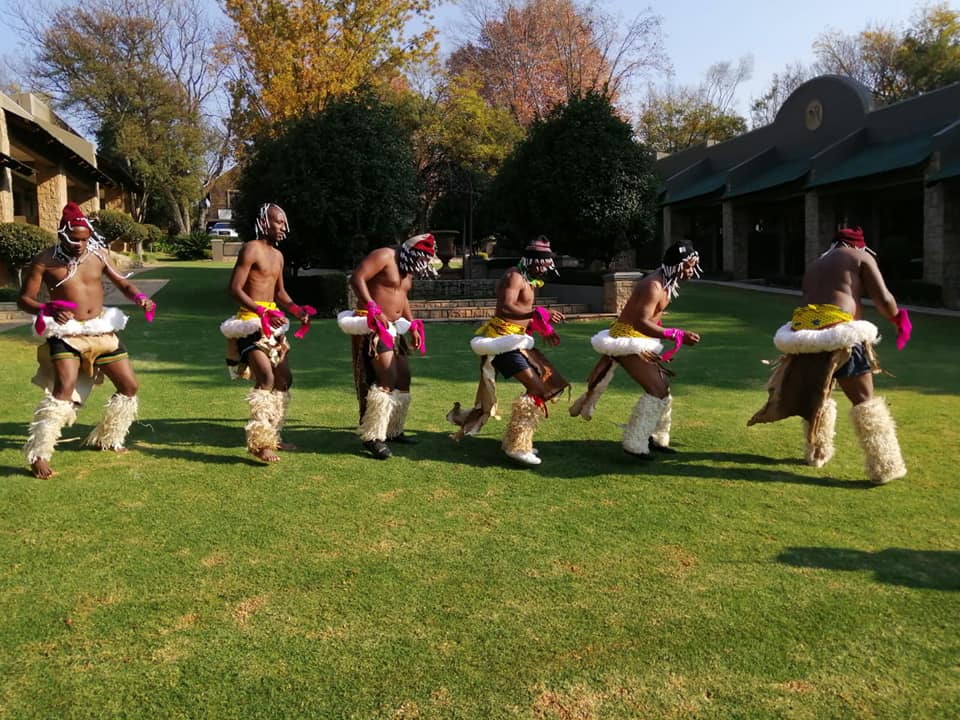
The first time I saw Tsonga dance on the internet I was interested. And anyone who has ever watched a cultural dance of the Tsonga people would understand the reason for the survival of their traditions through the generations. Their story is told in the drumbeats, colorful costumes and joyous celebrations of a people who have kept their heritage alive through centuries of change.
Today the Tsonga, or Shangaan, are mainly found in South Africa, Mozambique, Zimbabwe and parts of Eswatini and they speak Xitsonga, a Bantu language that still links their communities across national borders.
A people of Southern Africa known as the Tsonga their striking and vivid cultural attributes along with traditional dance forms and close community ties allows them to retain adistinct identity after all these centuries.
This article is a broad investigation of Tsonga people in relation to their: History and origin Food and drinks religion and culture festival and celebration People of the Tsonga in in the diaspora Marriage. Read it to the end and know some hidden facts about the Tsonga people.
History of the Tsonga People
Tsonga The Tsonga is comprised of descendants of a number of Bantu speakers who moved to the northwards from Central Africa hundreds of years ago. They traditionally settled along the Limpopo River area stretching across present-day South Africa, Mozambique, Zimbabwe and Eswatini.
Also Read: The Zomi People
One of the African cultures and tradition is that the Tsonga people had complex chiefdoms and kingdoms. It expresses respect for the elderly as well as for a leader on basis of lineage and ancestry. They are tough, especially when it comes to colonial encroachment and regional conflicts . However the Tsonga people have maintained their culture, language and social organization.
Origin of the Tsonga People
Food, for the Tsonga, can be seen in some ways as one of the simplest approaches to get insight into the cultural aspect of Tsonga community. Most traditional dishes incorporate locally grown plants but a close access to rivers and the forests has had some impact on the type of food people consume as well.
The Tsonga language is a Bantu language which is related to Tswa and Ronga. Oral traditions suggest that Tsonga migrated from the region of the Great Lakes in Central Africa and settled in the south of Mozambique and the north-east of South Africa.
Migration, trade and contact with neighbouring ethnic groups such as the Venda and Shona shaped Tsonga society and contributed to their cultural practices, but did not threaten the core Tsonga values and identity. They just had contact, a relationship with other cultures, however they never lose touch with the Aboriginality of what they do.
Tsonga Food and Cuisine
Like any other culture with a special food that is known for. The Tsonga people are not an exception.
All Tsonga cooking relies on whatever grows locally on the land-including rice-fish that are caught in the river and local cattle.
The mainstay foods are: maize – prepared and eaten as a porridge (known locally as xima or sadza), is a daily staple accompanied usually by a sauce with meat and vegetables, with meat; sweet potato and cassava – boiled or roasted; chicken and fish are also consumed mainly around the rivers and on the coasts; traditional snacks such as vhuswa which is a fermented porridge, or roasted peanuts; and stew with either fish, chicken, meat (especially wild game) or only vegetables with beans.
The meal is usually a community affair. The Tsonga have very strong community feeling so it usually follows that everybody has the meal in one large dining room together.
Religion and Beliefs
Before Christianity and other religion come into Africa, African were having their own ancestral belief. Historically Tsonga peoples focused on ancestor veneration and spiritual intermediaries who communicated with the gods. However theTsonga believed in an ultimate God, mostly called Nkulunkulu, to whom they attributed all the good things that God bestowed upon His people (and He gives abundantly!).
At present, Christian worship is now prevalent among many Tsonga peoples, with Zionist churches, Roman Catholics and several Protestantic Churches being most popular. But, nevertheless, their respect for the ancestors and practice of ancestral worship is not part of the daily lives of most Tsonga persons, and they practice ancestral rituals at traditional rites of passage or at a funeral service.
Tsonga Festivals
There are many festivals in Tsonga culture, many of them celebrating the harvest and communal spirit of the people. Here are a few of the more popular ones:
1. Xisevhe festival – These are festivals by the Tsonga people that celebrate unity, harvest and tradition through singing, dancing and traditional attires, filled with joyous tunes and entertainment.
2. Tikoho festival – this harvest or agricultural related fest comes with many different songs and dances. Feast follows this too.
3.Classic coming-of-age rites of passage, used for young people reaching adulthood; featuring dancing, singing and ceremony that emphasizes a youth’s transition to maturity, duties, and responsibilities within their culture.
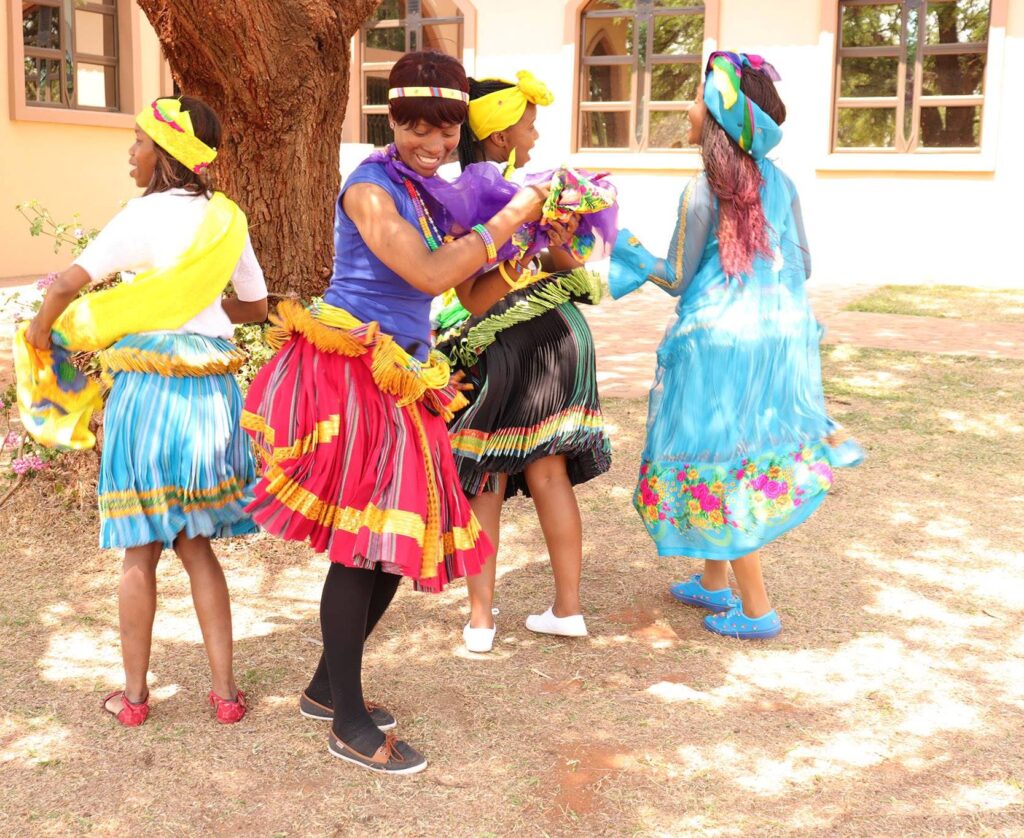
Festival Features
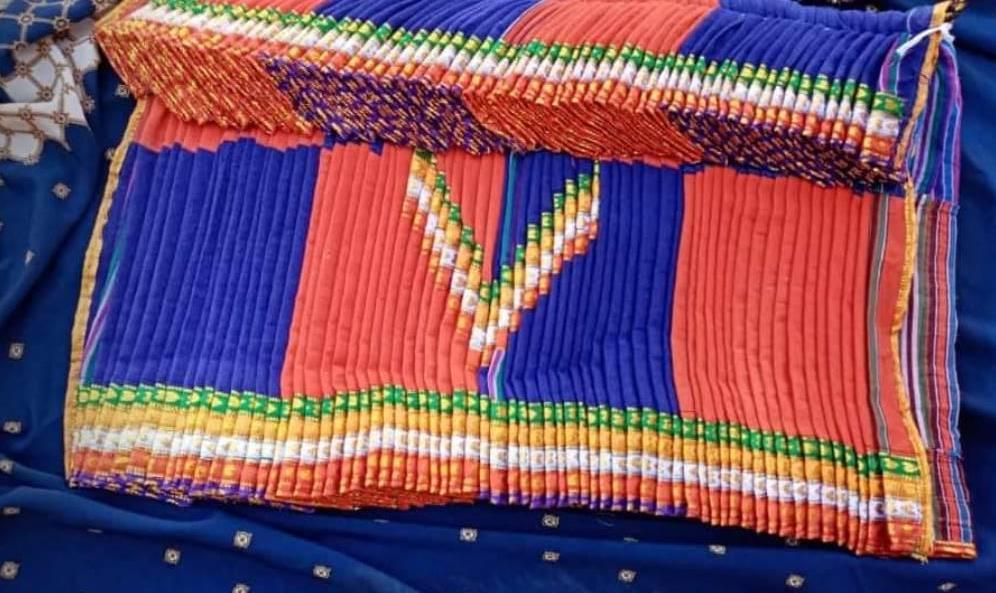
Music And Dance – The core of Tsonga music centres around drums, marimbas and strings. This dance style (their signature) which resembles a skirt is Xibelani, danced by women during festivals. Festival attendees dress vividly in their best clothes and wear beads and flamboyant headgear that tells clan members. In order to pass on our clan’s history, stories, and knowledge; celebrate, and unite, we have festivals.
Culture of the Tsonga People
The Tsonga culture – Community-based, elderly focused, artists at heart and socially in tune. That is the essence of the culture in brief. Here is a breakdown of the Tsonga people’s notable cultural practices and attributes: The Tsonga’s strong inclination towards storytelling, proverbs and oral tradition has been used through centuries to teach their children ‘Oral Traditions’, The’ beadwork, wood carving and pottery by Tsonga people have earned worldwide admiration, Art and craft, the community through dance such as xibelani, drum playing ceremony among other acts, Dance and music For Tsonga society, clan structures and Family bonds hold a great deal importance, while the elders are greatly respected as leaders and decision makers in many Tsonga family homes Social structure.
Where are the Tsonga People Located?
Tsonga people are concentrated primarily in the southern Africa. They’re in:
1. South Africa – In the Limpopo and Mpumalanga provinces.
2. Mozambique – In the south of the country and in the provinces of Gaza and Inhambane.
3. Zimbabwe – North of the boundary between that country and Mozambique.
4.Eswatini (Formerly Swaziland) – Small populations in rural settlements.
Historically migration has led communities to settle in the urban area and this continues today with this diversity added to that of others in these cities.
Marriage and Family Practices
The marriage is the bonding of not only two people but two families for the Tsonga tribe. Even though most of the marriages today are tied down with Christian marriage rites the Tsonga marriages still consist of the lobola as an important aspect.
So it happened, there are cases where choice has become a weighing between religion and tradition. And in that fashion whatever the outcome would have happened be balanced.
You Can Also Read: How Christianity Shaped Modern Culture and Traditions
A unique marriage amongst the Tsonga embraces elements of the modern as well as traditional methods of Tsonga marriage practices in marriage of among other ways:
* Bride Price/Lobola– is a token amount paid by groom to his bride to his wife, family. It may also come in a form of livestock. African believed that, for every marriage to be recognized, there must be a payment for bride price.
*Traditional dances and songs are practiced for formal occasions and villages will receive blessings from their village leaders.
*Family responsibilities include large extend families playing important rolls in decisions as well as raising children.
*Although, traditionally polygamous practices exist, now are rarely practiced and many more families now practice monogamy.
When they get married they do not join two people but also the two families and communities together by the social contract.
Conclusion
The Tsonga culture, for example, works well for an illustration of this sort of community culture which remains vivid and strong, that loves its people as well as remained authentic with his tradition. Tsonga is an exemplary community in terms of their wealthy culture and how true they stay to to their neighborhood in time tested community beliefs. Whether traced to their beginnings in Central Africa, the Tsonga can be found from all over southern Africa with very distinct traditions, festivals and social institutions.
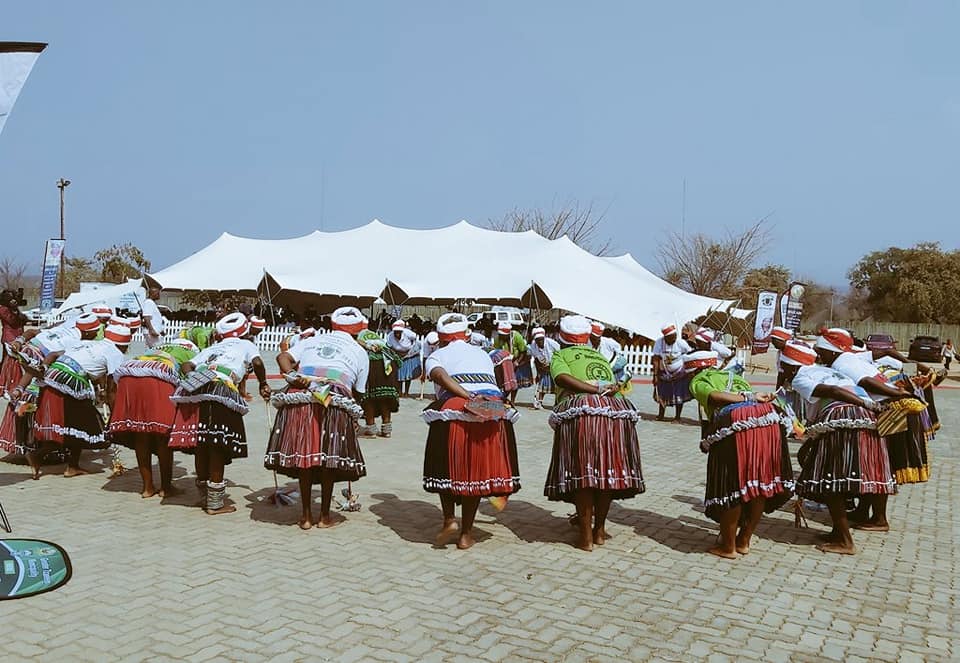
The way they eat, the music they listen to, their dances and their beliefs continues to enchant travelers and anthropologists. In order to fully understand south Africa’s culture you have to comprehend The Tsonga’s culture.
Hope this post is helpful? Keep visiting our blog for this and many more as keep informing you of the existential of some tribes, cultures and traditions and their way of life.
Promoting cultural togetherness is our goal and we will keep posting as many tribes and cultures as we could to inform and entertain YOU our esteem readers.
Habila Ibrahim
Habila is a cultural researcher in Abuja, Nigeria. He writes about world cultures because Nigerian readers deserve to see themselves in global stories.
I used South African History Online and Tsonga oral sources in this post.
Hello There. I discovered your blog the usage of msn. This is a very well written article.
I’ll be sure to bookmark it and come back to read extra of your useful information. Thanks for the post.
I will definitely comeback.