
By Habila Ibrahim, Abuja | Updated on July 15, 2026
Introduction
I grew up in Abuja hearing about a place called, Forbidden City. I only read about the Forbidden Fruit. But I come across the forbidden City watching CGTN News.
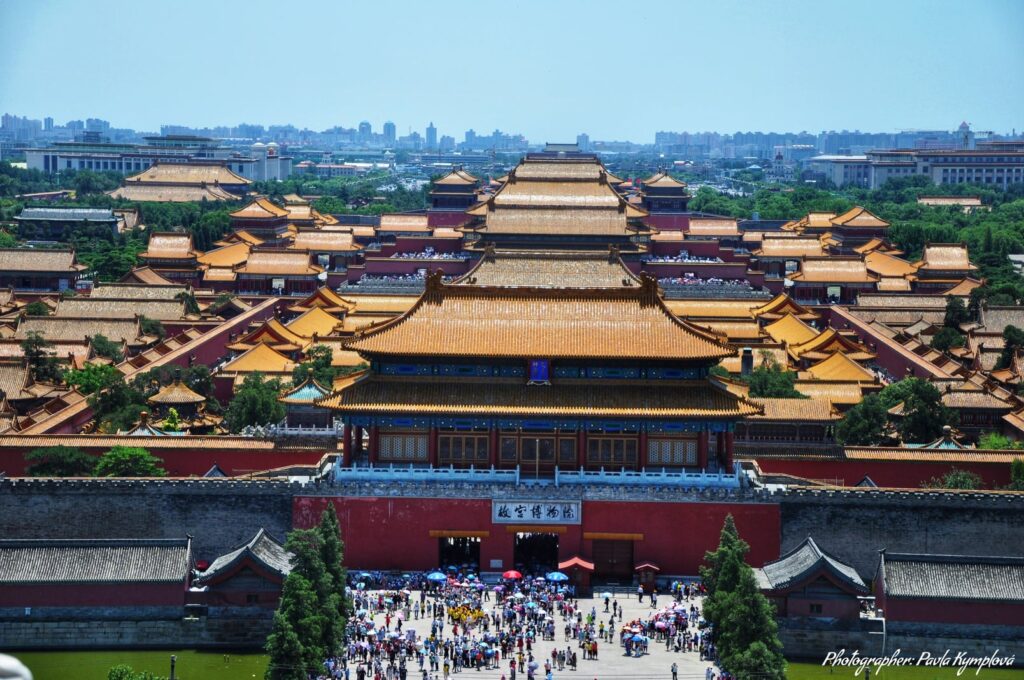
For the Christian faithful, the word “forbidden” is known but we are not referring to the Bible forbidden tree but a forbidden City. Our cultural voyage took us to China to know more about a Forbidden City. Here are some of the world’s most popular tourist attractions, called the Forbidden City. This massive palace complex is in central Beijing and housed Chinese emperors for almost five centuries.
The Forbidden City was built during the Ming dynasty and used later by the rulers of the Qing dynasty as a symbol of absolute imperial power. For hundreds of years the common people were not allowed to enter the grounds of the palace, hence the name “Forbidden City”. Now, you know.
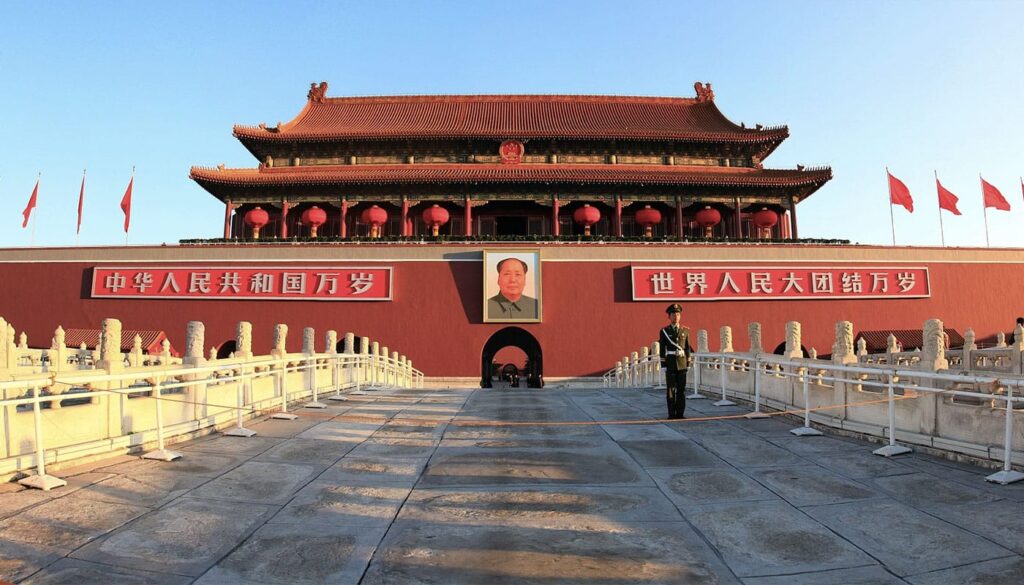
In the present, the palace complex is preserved in the form of the Palace Museum which attracts many millions of tourists each year. Which means, the place is now opened for the Chinese and visitors and it no longer a forbidden place. Can we say, thanks to civilization? The answer is now rest on your table to decide.
Also Read: Argungu Fishing Festival in Kebbi State, Nigeria
In this article you will learn more about the origin, history, architecture, culture, and traditions of the Forbidden City and why the palace was called “forbidden”.
The Origin of the Forbidden City
It was built under the rule of the Yongle Emperor in the beginning of 15th century.
Building is said to have started in 1406 and 22 years passed until it has reached it’s current massive proportions and Yongle Emperor declared the Forbidden City as his home. 22 years may sound like a long time but for an area of more than 720,000 sq m with over 70 palace complexes (9,000 rooms) is understandable.
Since the palace has been completed, the Yongle Emperor then moved the capital of China from Nanjing to Beijing and ordered the creation of a grand palace that would reflect the power and heavenly authority of the emperor.
More than a million craftsmen, artists and labourers worked in the construction of the palace. All kinds of precious materials such as scarce wood, marble and gold were shipped in from all over China.
And so there was a great, palatial city, the likes of which had never before been built on Earth.
Why Is It Called the Forbidden City?
The name Forbidden City derives from the fact that during the empire it was strictly forbidden to anyone, unless the Emperor’s order gave him free access to the forbidden.
Traditionally the Chinese emperor is known as the Son of Heaven and it means he is ruling under the authority of God, hence he resides in heavily guarded palace. For this reason, he and his living quarters were heavily guarded.
There were only few people allowed into the palace grounds and these are calibers of people listed below; Family members of the imperial family, High-ranking officials, Servants and palace employees and Imperial Guards.
Common people could not be entered into without permission. Heavy penalty might be suffered by them who unlawfully enter.
The Chinese name for the palace is Zijin Cheng, which means “Purple Forbidden City.” The word “purple” refers to the Polaris, which ancient Chinese astronomers thought was the center of the universe and home of the heavenly emperor. The Chinese emperor named the palace after this celestial concept so that he would be symbolically at the center of the earthly world.
When Did the Name “Forbidden City” First Appear?
The popular term Forbidden City was used in the later imperial era particularly in the Qing dynasty.
But in official documents throughout history the palace complex was called Zijin Cheng (Purple Forbidden City). The western travellers and scholars translated the name into English as the Forbidden City, emphasizing the palace’s inaccessibility.
It was never a palace thereafter. After the fall of the Qing dynasty in 1912, the palace was closed to visitors and fell out of use as a royal dwelling. In 1925 it became the Palace Museum, but the historical name, “Forbidden City” was used all over the world.
Location and Layout of the Forbidden City
Center of Beijing (about 180acres/ 72ha) The Forbidden City is located in the geographic center of Beijing.
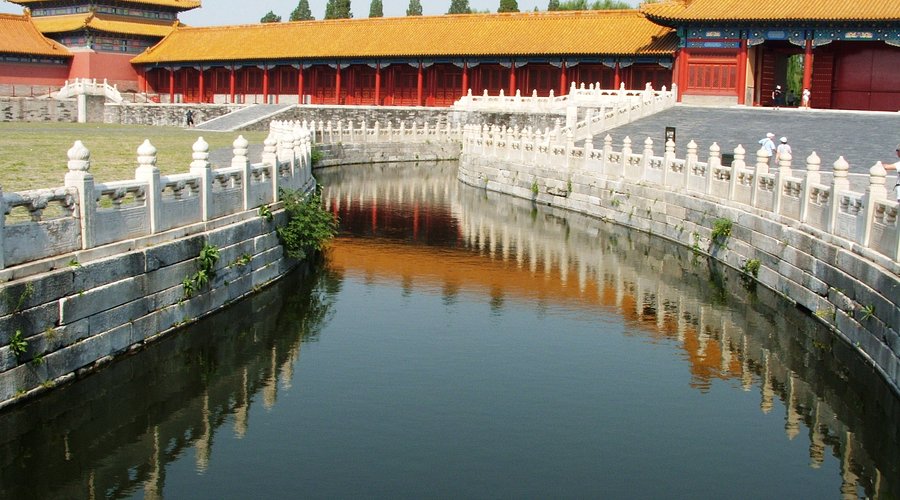
It is surrounded by: A 10-meter-high defensive wall and a wide moat measuring about 52 meters across.
Over 980 rooms and 980+ buildings are in the complex, and this makes it the biggest preserved palace in the world.
The overall design concept of this Chinese ancient city also is based on the Chinese ancient thoughts of Feng Shui and Confucianism. Here is how it was built in sections. The palace is divided into two major sections:
Outer Court
Used for ceremonial and official state affairs.
Inner court
The private residence of the emperor and the imperial family.
Architecture and Design
Forbidden City’s architecture is based on the traditional Chinese palace architecture.
Some of the main features in terms of architecture is the palaces are:
1. Symmetry & Balance
This building, which lies on a central north south axis implies balance and order.
2. Yellow Roof Tiles
Yellow Roof Tiles On the roof there are yellowglazed tiles that denote the emperor.
3.Red walls
The palace buildings are enclosed by red walls, as red is a symbol of happiness, prosperity and good fortune in Chinese culture.
4.Platforms of Marble
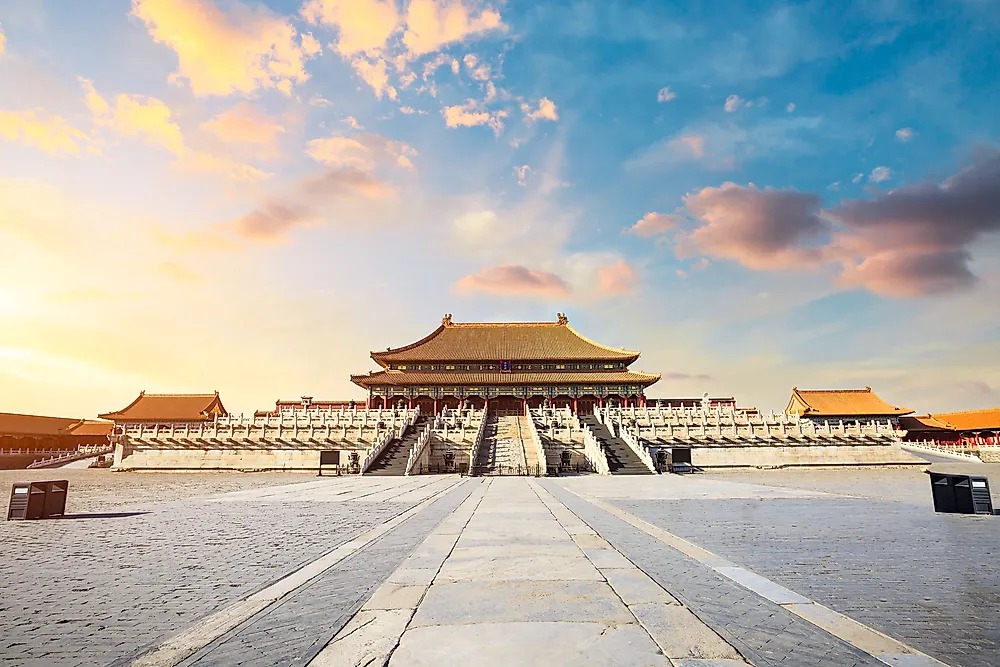
Important halls are on wide marble terraces, emphasizing the high rank of the emperor.
Some of the most famous halls are: Hall of the Supreme Harmony, Hall of Central Harmony and Hall of Preservation of Harmony These grand halls were used for imperial ceremonies such as coronations, weddings, and important state rituals. That’s where it has been designed for such. You will believe that the palace was carefully built to accommodate so many things.
Emperors Who Lived in the Forbidden City
China was ruled by a total of 24 emperors and they ruled within the Forbidden City. This calculation started after the palace completed and started use by the emperors.
This was inclusive of: The 14 emperors of the Ming dynasty and 10 emperors of the Qing dynasty.
Notable emperors were: Kangxi Emperor, Qianlong Emperor and Puyi. China’s last emperor, Puyi, abdicated in 1912 as the Qing dynasty fell.
Culture and Daily Life Inside the Forbidden City
The Forbidden City was conducted with the rigorous traditional rules.
The emperor lived with: Empresses, Concubines, Princes & princesses, Court officials and Eunuchs.
Thousands of servants, in and around the palace helped to keep day-to-day life running.
The routines of a government day may included the follow: Government meetings, Religious service, State dining,Musical performances and Ceremonial events.
Inside the palace all organized from high to the top to bottom to match the rank.
Festivals held in the Forbidden City
Although it was mainly used as a political building, many traditional Chinese festivals were still observed within the forbidden city.
Chinese New Year
The most important celebration in imperial China was Chinese New Year.
Rituals were performed by the emperor to ask for good harvest and long and prosperous lives.
The palace would be decorated with: Red lanterns, Silk banners and Golden ornaments.
Lantern Festival
Lovely Lanterns also made for a great lantern exhibition at the Lantern Festival.
Mid-autumn Festival
This is the time when the imperial family celebrates Mid-Autumn festival, eats mooncakes, and holds ceremonies to salute to the full moon.
Most of the celebration was not for public consumption; it was held within the confines of the palace walls and was a strictly private affair.
Art and Treasures of the Forbidden City
The Forbidden City houses one of the largest collections of Chinese art and historical treasures in the world.
The Palace Museum contains: Ancient paintings, Imperial calligraphy, Ceramics and porcelain, Jade carvings, Bronze artifacts and Historical documents.
Quite a number of artifacts in this museum were collected by emperors from around the country, artworks purchased from across borders, during their lives of conquest.
They have a lot to offer us by way of understanding Chinese history, artisanal techniques, and the culture of their imperial rulers.
The Forbidden City as a UNESCO World Heritage Site
In our world today, this Forbidden City is among the best historical destination worldwide.
Millions of visitors every year come to see the palace complex in Beijing. By reading this post, you will be planning to visit a place that was once a restricted place and now it has become a tourist destination.
You Can Also Read: Baganda People of Uganda: History, Culture and Traditions
Visitors will be able to : Tour imperial halls, explore imperial gardens, witness ancient collections and discover the history of Chinese emperors.
This site is often used as the backdrop to feature films, historical docs, and research on old times.
Here’s Some Facts about Forbidden City that You May Find Intriguing!
There is a myriad of interesting facts you may or may not know about the Forbidden City; Let’s examine a few: There are about 9,000+ rooms inside The Forbidden Palace. Since dragons represent power they can be spotted on every imaginable surface in palace decor thousands of times. It was locked to outside people for almost 500 years!
It was designed as it were to have a space for just shy of 10,000 rooms.
The legacy of the Forbidden City
It served as both the political centre of power and culture of the Chinese Empire and so more than the old imperial palace it symbolized.
And this complex contains a great amount of Chinese history as much as that includes strong Chinese emperor and secret life of royal family palace. The palace remains a reminder of China’s imperial past and continues to inspire historians, architects and travelers from around the world.
Conclusion
Still among the most remarkable historical and cultural landmarks in the world The palace, constructed during the early 15th century during the reign of the Yongle Emperor, became the central seat of political power and ritual for almost 500 years of China’s Ming and Qing empires.
The name “Forbidden City” actually signifies the exclusivity that prevailed around this palace in earlier times, where it was possible only for the Emperor, his family members and a selected number of officials to have access inside it. It simply only represents The sheer power bestowed upon the Emperor as he was generally accepted to govern by heaven’s divine right.
The building symbolizes power, and is a tribute to Chinese heritage, which is reflected from the complex cultures, vast tradition and artistry of the Chinese. Magnificent halls, richly carved ornaments, rare treasures, and sophisticated plan design of this imperial palace reveal a greatdeal about Chinese thought, tradition and the Chinese royal lifestyle through long centuries of history.
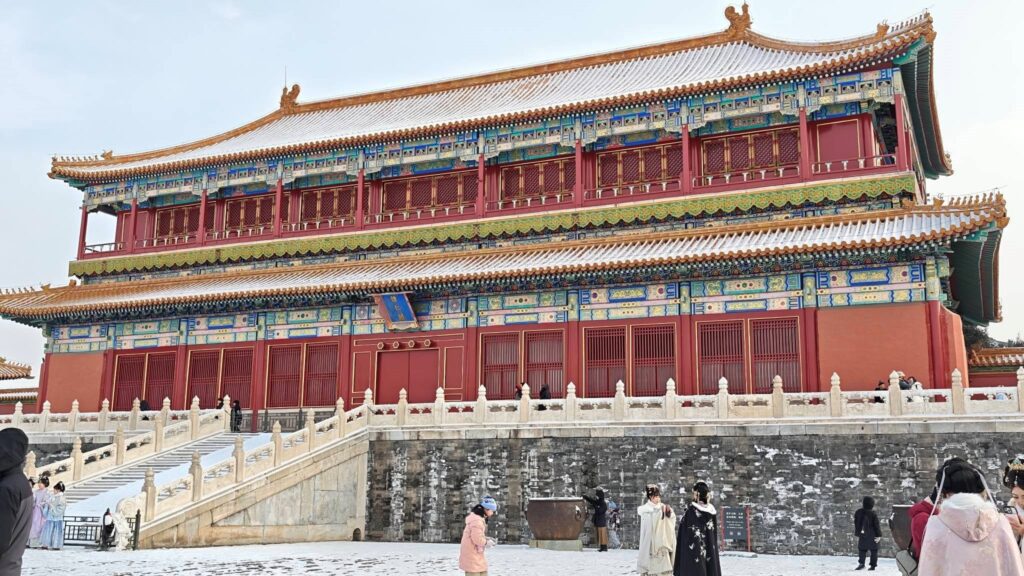
Now it lives on as Beijing’s Palace Museum, and the Forbidden City pulls in millions of people who want to walk straight into China’s imperial memory.
It is a UNESCO World Heritage Site for a good reason. It is historically heavy. It is a former Roman City.
But the Forbidden City is not just “a bunch of palaces.” It’s a living archive of Chinese civilization, still whispering (and sometimes shouting) about emperors, rituals, authority, and the cultural instincts that steered China’s story for centuries.
Hope this article is helpful? Now that you know that you read about the Forbidden City which has become a tourist centre, are you planning to go and see for yourself?
Keep visiting our blog for this and many other things related to culture, tradition and tutorial for us to know and understand other things we were having second thought of their existence like the Forbidden City.
Habila Ibrahim
Habila is a cultural researcher in Abuja, Nigeria. He writes about world heritage so Nigerian readers can see global stories.
I used UNESCO, China Daily, and the records from the Ming Dynasty.”