
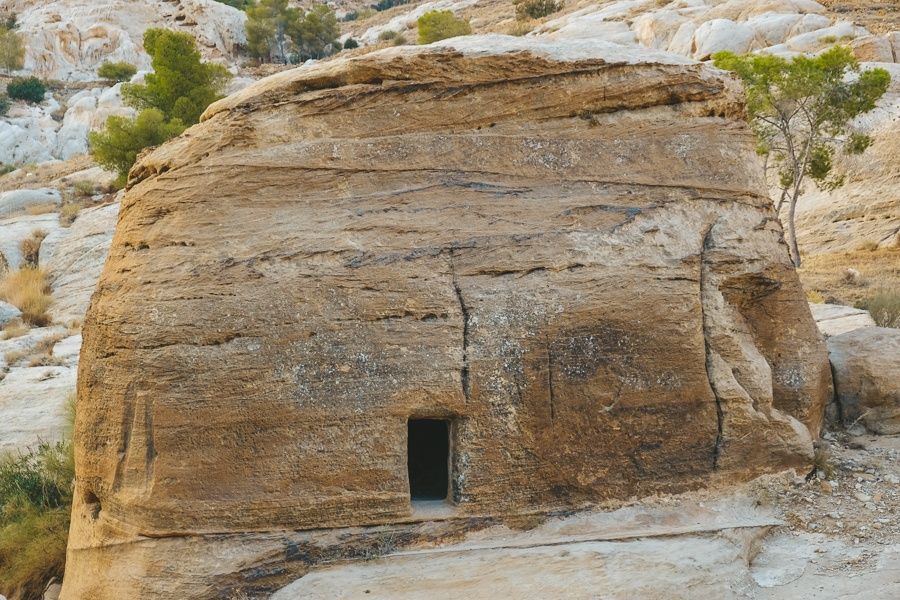
Introduction to Petra
Petra is an ancient archaeological city located in southern Jordan near the town of Wadi Musa. The city lies within a narrow valley surrounded by dramatic sandstone mountains.
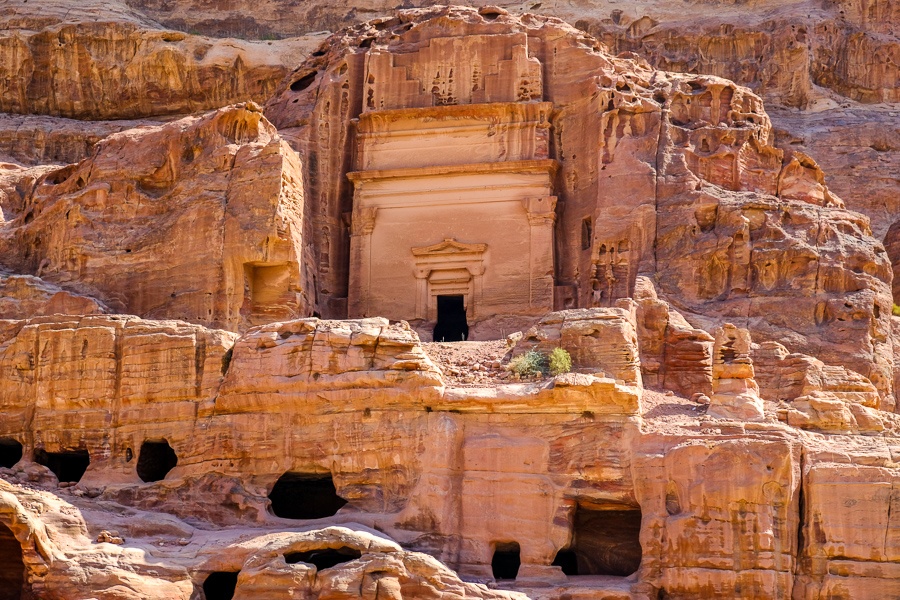
Historical places are part of our cultural heritage and our voyage took us to another history place called Petra. Petra is one of the most fascinating archaeological sites on Earth. Often called the “Rose City” because of the pink-colored sandstone cliffs surrounding it, Petra is a city literally carved into rock. It was once the thriving capital of the Nabataean Kingdom and a major trading center in the ancient world. Today, it stands as one of the New Seven Wonders of the World and a UNESCO World Heritage Site. Which has been celebrated many years ago.
Also Read: The Fang People
Hidden among rugged desert mountains in southern Jordan, Petra combines history, architecture, culture, and mystery. The city attracts millions of visitors every year who want to witness its breathtaking monuments carved into cliffs thousands of years ago. This guide explores everything you need to know about Petra, including its origin, history, name, culture, festivals, architecture, and significance.
Petra is famous for three remarkable features:
- Rock-cut architecture carved directly into cliffs
- Advanced water management systems in a desert environment
- A rich cultural history connected to ancient trade routes
Archaeologists believe the area around Petra has been inhabited since 7000 BC, but it rose to prominence when the Nabataeans, an Arab trading civilization, established their capital there around the 4th century BC.
At its peak, Petra was a prosperous city with an estimated population of 20,000 to 30,000 people, making it one of the most important commercial hubs in the ancient Middle East.
Why Is Petra Called Petra?
Many people ask why the city is called Petra.
The name Petra comes from the Greek word “petra,” meaning “rock.”
This name perfectly describes the city because nearly every building, temple, and tomb in Petra was carved directly from solid rock cliffs rather than built with separate stones.
Earlier Names of Petra
Before it became known as Petra, the city had different names:
- Raqmu – The original Nabataean name for the city.
- Sela – A biblical name meaning “rock.”
The Greek name “Petra” likely became popular during the period when Greek and Roman culture influenced the region.
Is Petra the “Forbidden City”?
Petra is not traditionally called the “Forbidden City.”
The term “Forbidden City” actually refers to the imperial palace complex in Forbidden City.
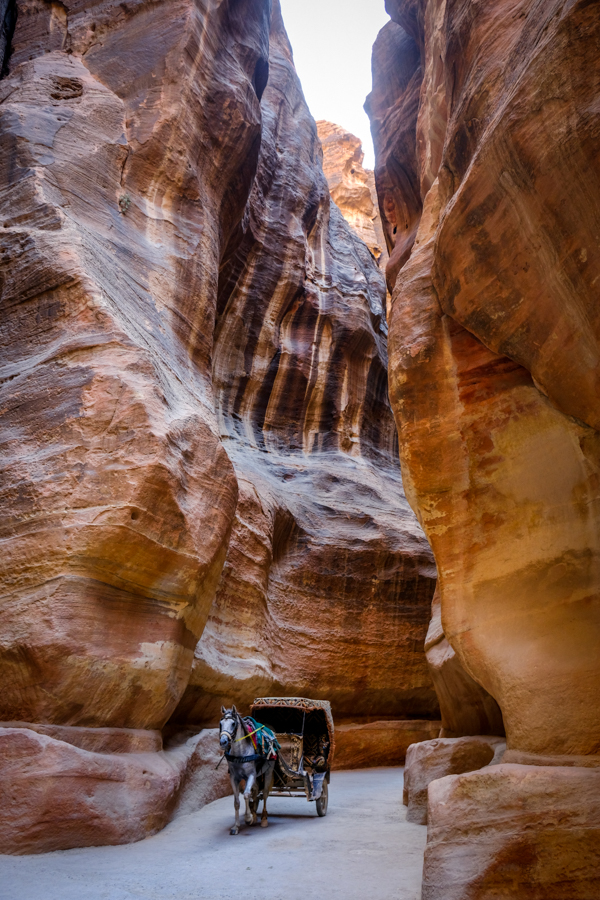
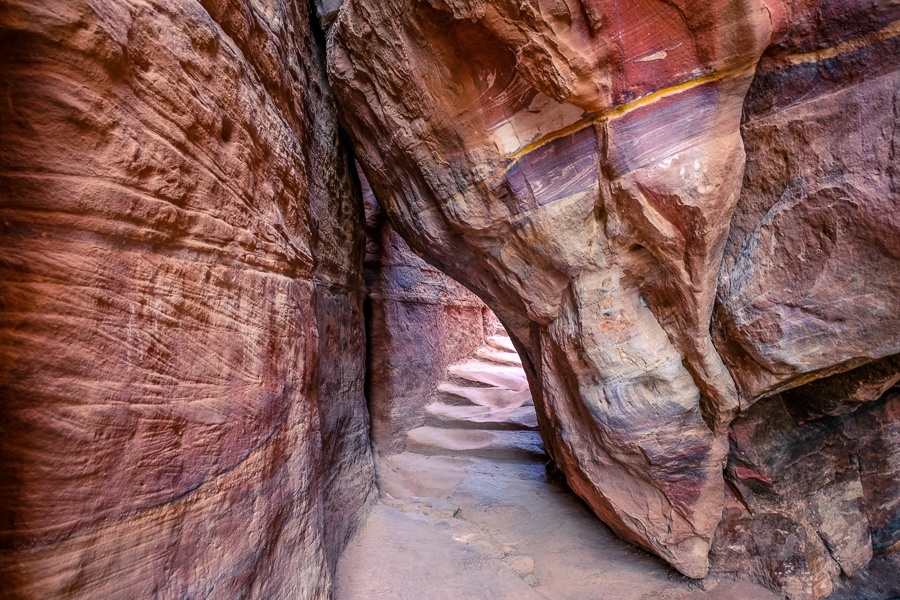
However, Petra was historically difficult for outsiders to access. The city lies deep within mountains and can only be reached through a narrow canyon called the Siq, which stretches about 1.2 kilometers.
Because of this natural protection, Petra remained hidden for centuries and was largely unknown to Western explorers until 1812, when Swiss traveler Johann Ludwig Burckhardt rediscovered it.
This secrecy sometimes causes people to describe Petra as a “lost” or “hidden” city rather than a forbidden one.
The Origin and Founding of Petra
The origins of Petra date back thousands of years.
Archaeological evidence shows that early human communities lived in the region during the Stone Age. Later, around 1200 BC, the area was occupied by the Edomites.
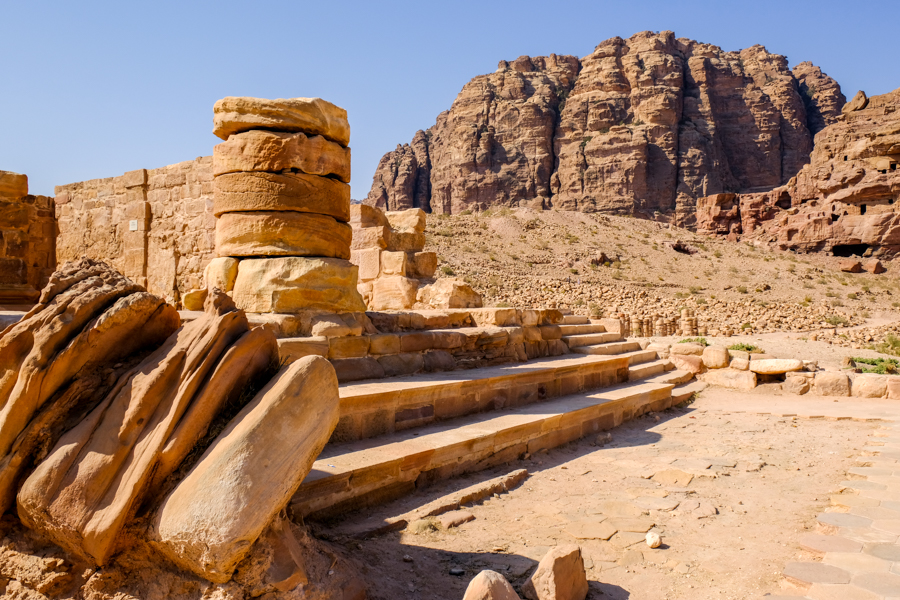
However, Petra truly flourished when the Nabataeans settled there.
The Nabataeans
The Nabataeans were nomadic Arab traders who controlled important caravan routes that carried goods across the desert.
They traded valuable items such as:
- Frankincense
- Myrrh
- Spices
- Silk
- Precious metals
Petra’s location allowed them to control trade between:
- Arabia
- Egypt
- Greece
- India
- Syria
Because of this strategic location, Petra became one of the wealthiest cities in the ancient world.
The Architecture of Petra
Petra’s architecture is one of the most remarkable achievements in ancient engineering.
Instead of building structures with bricks or stones, the Nabataeans carved entire buildings directly into cliffs.
The Treasury (Al-Khazneh)
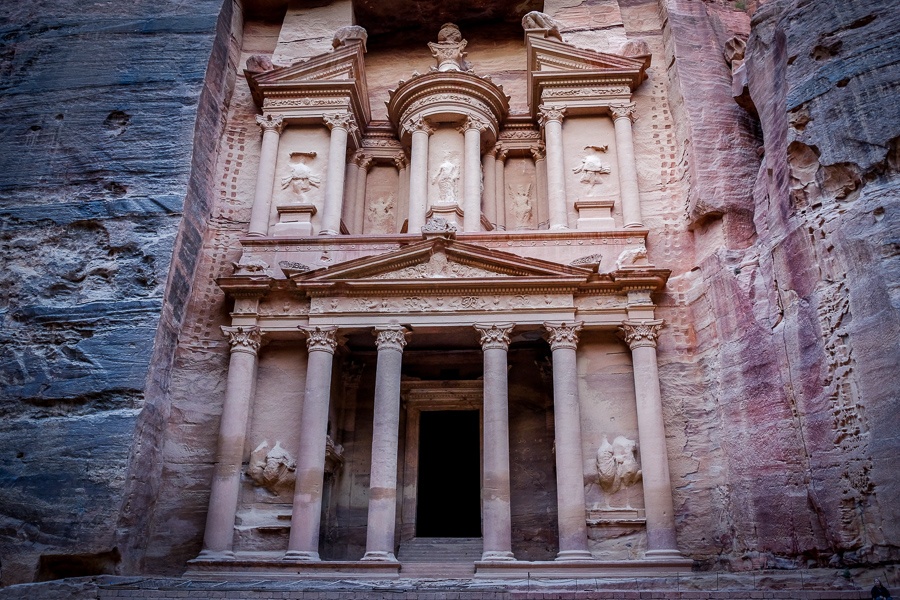
The most famous monument in Petra is the Treasury, also known as Al-Khazneh.
This massive façade stands about 40 meters tall and features elaborate carvings influenced by Greek and Roman architecture.
Many historians believe it was a royal tomb, possibly built during the reign of Nabataean king Aretas IV.
The Monastery (Ad-Deir)
Another spectacular structure is Ad-Deir, also called the Monastery.
It is even larger than the Treasury and sits high in the mountains above Petra.
Visitors must climb more than 800 steps to reach it.
Petra Theatre
Petra also contains a large theatre carved directly into rock.
The Petra Theatre could hold around 8,500 spectators, showing that Petra once hosted large gatherings and events.
Water Engineering in the Desert
One of the greatest achievements of the Nabataeans was their advanced water management system.
Despite being located in a desert environment, Petra had:
- Dams
- Cisterns
- Aqueducts
- Water channels carved into rock
- Ceramic pipes
These systems captured rainwater and transported it throughout the city, supporting agriculture and daily life.
This engineering allowed Petra to flourish in a region where water was scarce.
The Decline and Abandonment of Petra
Petra’s decline began after it was conquered by the Roman Empire in 106 AD.
Although the city remained active for some time, several factors led to its downfall:
1. Changing Trade Routes
Sea trade gradually replaced caravan routes, reducing Petra’s economic importance.
2. Earthquakes
Major earthquakes in 363 AD and later periods damaged many buildings and water systems.
3. Political Changes
As regional power shifted, Petra lost its status as a major commercial center.
By the early Islamic period, most residents had left the city.
Rediscovery of Petra
For centuries Petra was largely forgotten by the outside world.
In 1812, Swiss explorer Johann Ludwig Burckhardt traveled through the region disguised as an Arab trader.
He persuaded local guides to take him to the ruins, which he identified as the ancient city of Petra.
His discovery introduced Petra to the Western world and sparked archaeological exploration.
Cultural Significance of Petra
Petra represents an extraordinary blend of cultures.
Its architecture and artifacts show influences from:
- Arab Nabataean traditions
- Greek art and design
- Roman engineering
- Egyptian symbolism
This mixture reflects Petra’s role as a crossroads of international trade and culture.
In 1985, Petra was officially designated a UNESCO World Heritage Site because of its historical and cultural value.
Later, in 2007, Petra was selected as one of the New Seven Wonders of the World.
Festivals and Cultural Events in Petra
Today, Petra hosts several cultural festivals that celebrate Jordanian heritage and attract visitors from around the world.
Petra by Night
One of the most popular experiences is Petra by Night.
During this event:
- The Siq and Treasury are illuminated by thousands of candles
- Traditional Bedouin music is performed
- Visitors enjoy storytelling and local tea
This magical experience allows people to see Petra in a completely different atmosphere.
Petra Festival
The Petra Festival is a cultural event featuring:
- Music performances
- Traditional dance
- Art exhibitions
- Cultural workshops
The festival promotes Jordanian culture while celebrating Petra’s ancient history.
Petra and Modern Tourism
Today Petra is the most visited tourist attraction in Jordan.
You Can Also Read: The Misery of Lake Nyos
Visitors explore the city through the narrow canyon known as the Siq, which opens dramatically to reveal the Treasury.
Other highlights include:
- The Royal Tombs
- The Great Temple
- The Monastery
- The High Place of Sacrifice
Petra attracts more than one million visitors each year, making tourism an important part of Jordan’s economy.
Why Petra Is One of the Greatest Wonders of the World
Petra remains one of the most extraordinary archaeological sites ever discovered.
Its uniqueness comes from several factors:
- Entire city carved from rock
- Advanced water engineering in the desert
- Strategic location on ancient trade routes
- Remarkable preservation of monuments
The beauty of Petra’s pink sandstone cliffs also gives it an unforgettable appearance, especially at sunrise and sunset.
Conclusion
As we come conclusion, we want to leave you with little facts about Petra. Petra is far more than an ancient ruin. It is a powerful symbol of human creativity, resilience, and cultural exchange.
Founded by the Nabataeans over 2,000 years ago, Petra grew into a thriving desert metropolis that connected civilizations across the ancient world. Its stunning rock-carved monuments, advanced water systems, and rich cultural heritage make it one of the most remarkable archaeological sites in history.
Although the city declined and was eventually abandoned, its rediscovery in 1812 revealed a breathtaking lost world hidden in the desert mountains of Jordan. Today Petra continues to inspire millions of visitors and historians, standing as a timeless reminder of the ingenuity of ancient civilizations.