

Introduction
Festival is one of the identities of a tribe or language. Is during festivals that they display their cultural dance, music, etc. and our cultural voyage took us to China to witness one of the festivals observed there.
Every winter season, the city of Harbin in China transforms into a frozen fairy-tale—that’s thanks to the iconic Harbin Ice and Snow Festival. This spectacular event draws visitors from around the world to witness this enormous ice palaces, glowing lanterns inside ice blocks, snow sculptures the size of buildings, and lively winter activities.
Also Read: Ten (10) Things To Know About Sayawa (Zaar) People
In this post we’ll explore the festival’s origins, history, key venues, culture, food, religion (where relevant), international dimension, even marriage and weddings related to it—and everything else you need to know about it. Whether you’re planning a visit or simply curious, this is your full guide to the Harbin Ice and Snow Festival in China.
History & Origin
The festival we know today has roots in a much older local tradition.
- As early as 1963, Harbin began hosting ice lantern exhibitions in parks such as Zhaolin Park. These featured carved ice blocks, snow sculptures, lights and water.
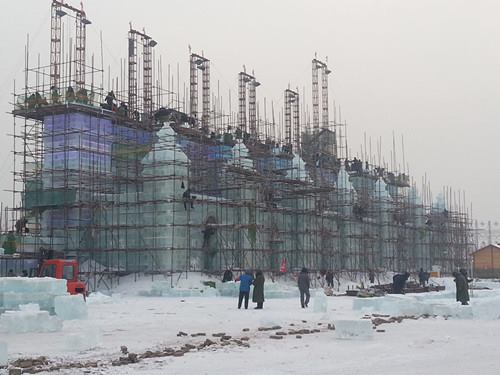
- The modern form of the festival began way back on January 5, 1985, when the city declared the event an annual one: the first official “Ice Festival” opened in Harbin.
- In 2001, the festival merged with the regional ski festival and was renamed the Harbin International Ice and Snow Sculpture Festival (often shortened).
- Over the decades the scale has grown hugely. For example, in its 35th edition (circa 2019) the festival included a park of over 600,000 m², using 110,000 + cubic metres of ice and 120,000 + cubic metres of snow during the festival.
Why Harbin? The city is located in China’s northeastern province of Heilongjiang, close to Siberia, and endures very cold winters with abundant ice and snow. That makes it ideal for ice-art.
Festival Timing, Venues & What to See
Timing
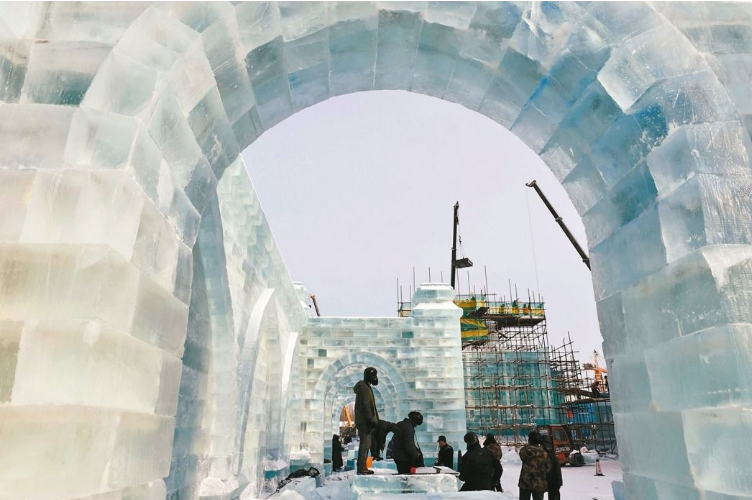
Although the official opening is often in early January (January 5), the festival preparations begin much earlier (November/December) and some venues open in December. The festival typically runs through January and February, depending on weather in Harbin, China; by late February/early March many sculptures begin to melt due to heat wave.
Major Venues
There are three standout sites in Harbin for the festival.
- Zhaolin Park: This is the original ice-lantern exhibition park. At night, ice blocks are carved into lanterns, sculptures, and structures and illuminated with lights.
- Sun Island (太陽島) (Taiyang Dao): On the opposite bank of the river, primarily for large snow sculptures (daytime viewing).
- Ice and Snow World: The massive illuminated nightly park made of thick ice blocks from the river, with full-size ice buildings, slides, art installations.
What to See During Harbin Festival
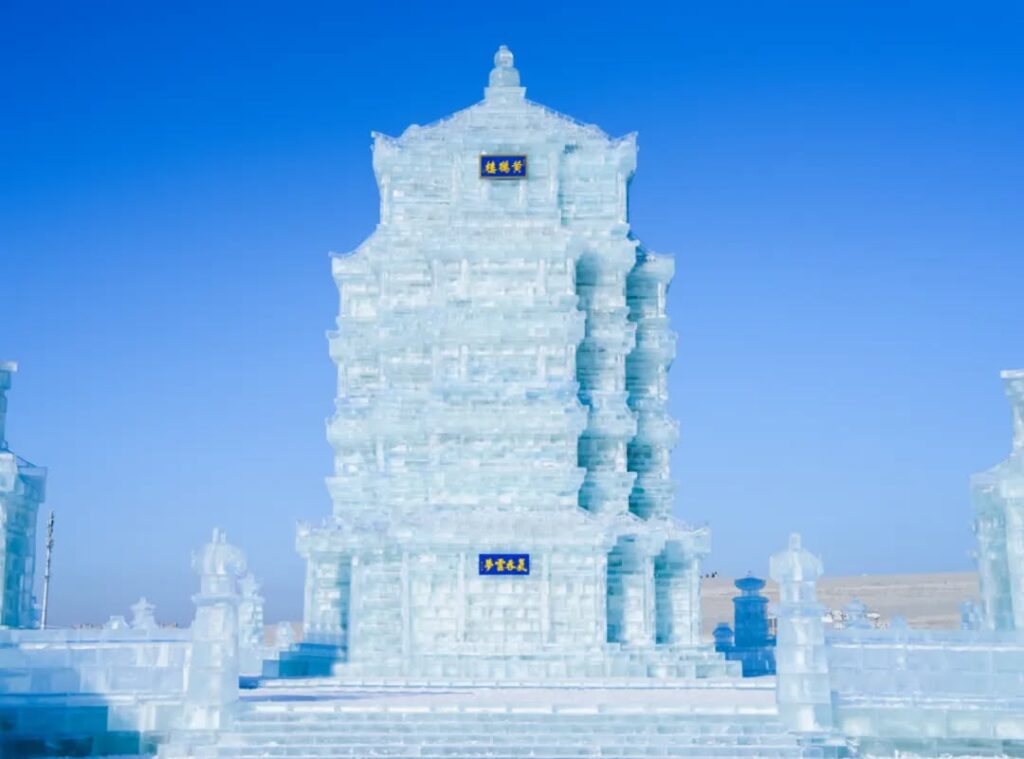
- Huge ice buildings, replicas of world landmarks, castles, pagodas built using blocks of ice cut from the Songhua River.
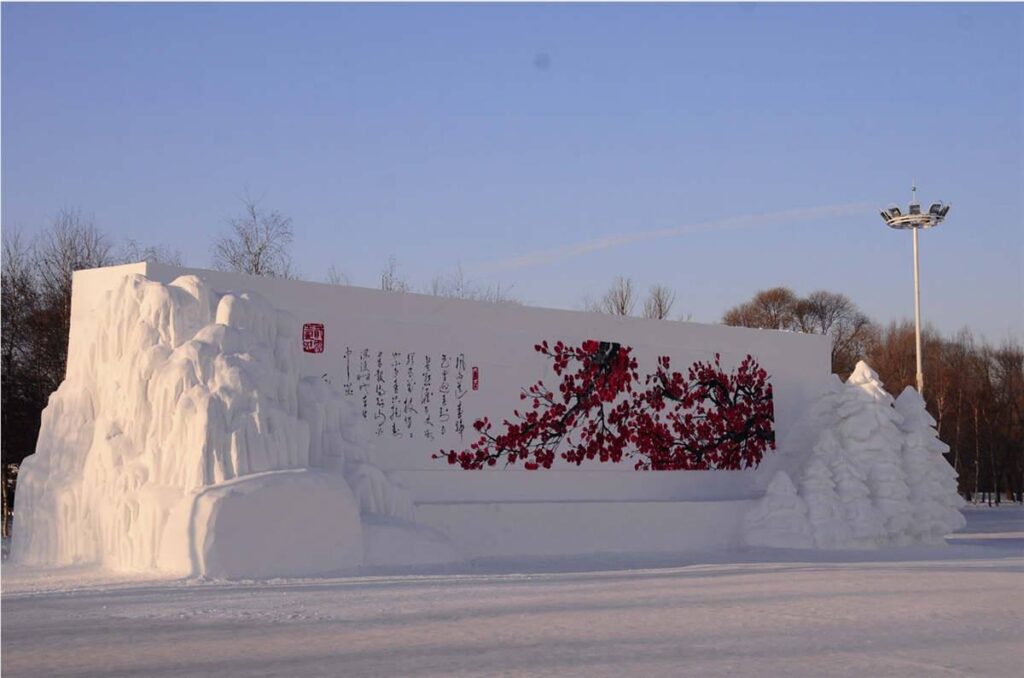
- Snow-sculpture exhibitions that include detailed large-scale works.
- Ice lanterns: sculpted ice illuminated with colourful lights.
- Winter sports & experiences: skating, sledding, alpine skiing nearby, even winter river walking or skating.
- Night time is especially magical: the illuminated ice structures glow in LEDs, creating a surreal atmosphere.
Practical Tips
- Because it’s so cold (temperatures can drop to –20 °C or lower), visitors must bundle up. One of the regular visitors advises and comment thus:
“It gets incredibly cold, with temperatures often dropping to -20°C or lower. You’ll need to layer up significantly.”
- For best photo-opportunity, go in the evening when lights are on. One user said:
“Not really worth going to before dark … it looks much less impressive without the lights on.”
Culture & Local Life
The Harbin Ice and Snow Festival is not simply a tourist spectacle—it’s embedded in the local culture of the people. Some of the things to know about the festival are:
- Harbin is nicknamed the “Ice City” because of its long, cold winters and the way the city embraces ice and snow art.
- The festival reflects a fusion of Chinese, Russian and Northeastern Chinese (Dongbei) cultural influences: Harbin historically had significant Russian presence, which adds architectural, culinary, and cultural layers.
- Public participation: Locals and tourists alike engage in outdoor winter fun: sliding down ice slides, viewing ice sculptures, enjoying lantern parks. It’s a communal winter celebration.
- Beyond just viewing, the festival also includes trade fairs, art exhibitions, and winter-sport events.
Food & Cuisine
One of the joys of visiting Harbin during the festival is sampling its unique local cuisine—especially comfort food to counter the cold! During the festival, the weather is cold and you need some food that can aligned with.
Some of the local dishes and snacks for you to try are:
- Guō bāo ròu (锅包肉): Crispy sweet-and-sour pork, a signature dish in Harbin.
- Bingtanghulu (冰糖葫芦): Sugar-coated fruit skewers (often hawthorn berries) – crunchy, sweet and popular on the street.
- Harbin sausages (哈尔滨香肠 / 红肠): Smoked or grilled sausages reflecting Russian influence.
- Erduoyan Zhengmi Tang (二豆眼糯米汤): A kind of sweet glutinous rice soup dessert.
- Borscht (borš) – Beetroot soup with sour cream: a hang-over from Russian cuisine influences.
- Street food in frozen temperatures: Grilled lamb kebabs, dumplings, even ice-cream on “Ice Cream Street” (yes, people eat ice-cream in -20 °C!).
Religion & Spirituality
While the festival itself is secular (focused on winter art, tourism and culture), you’ll encounter religious/spiritual traces linked to Harbin’s multi-cultural past:
- Harbin hosts the St. Sophia Cathedral, a large Russian Orthodox church built in 1907, representing the Orthodox Christian heritage in the city.
- As you explore, you’ll find Christian churches, Buddhist temples, and mosques—reflecting the diverse religious heritage of Northeast China including Russian, Chinese and minority communities.
- The ice-lantern festival in Zhaolin Park has roots in folk-tradition (ice lanterns) rather than formal religion. The lanterns originally had festive and ritual significance in winter for local residents.
So while the Ice and Snow Festival does not centre around religious ritual, being aware of the local faith-landscape adds depth to your visit. You might combine your visit with a stroll to St. Sophia’s or a temple to contrast “spiritual light” with the “glowing ice light”.
International Reach: Countries & Tourist Exchange
The Harbin Ice and Snow Festival is truly international in scope:
- Artists and sculptors from many countries come to Harbin each winter to participate in competitions and exhibitions.
- The festival is referenced alongside other major ice/winter festivals globally: the Sapporo Snow Festival in Japan, the Quebec Winter Carnival in Canada, and Norway’s ski festivals.
- Overseas visitors from Asia, Europe, North America, and other regions attend; hotels, services and tours in Harbin are increasingly international-friendly. For example, one report noted the festival had over 180,000 visitors during one week alone.
- Some ice-lantern exhibitions from Harbin have even travelled abroad, showing the art form in other countries.
This global dimension means the festival offers cross-cultural exchange—not just Chinese winter culture but an international winter-art community.
Marriage & Weddings at the Festival
An interesting aspect: the festival and winter-setting provide a dramatic backdrop for weddings and marriage photos. Some key notes:
- According to sources, “wedding ceremonies on ice” are now part of the festival’s programmes—couples choose to have wedding-photo shoots or even formal ceremonies in the ice parks.
- The bright, illuminated ice “palaces” make ideal photography settings for bridal couples who want a unique winter theme.
- If you are a photographer, wedding planner or couple considering this: plan early (book venue/time-slot), ensure warm gear (for bride/groom and party), check agreement with the festival venue on permissions.
- For visitors: If you spot a wedding session while visiting, this adds to the atmosphere—it’s not just tourists; the local community sometimes participates.
Thus, marriage-related activity is a special angle for content or visits: “ice-palace wedding”, “winter wedding photo Harbin”, etc.
Culture & Travel Tips: What You Need to Know
Here are some practical tips and cultural insights for a smoother experience.
When to go:
- For peak experience: January or early February (best full-scale sculptures + illumination). Late January tends to have more snow and very dramatic cold.
- If you go earlier (December) you’ll catch the build-up, but some venues may not yet be fully open.
- Late February / early March: still possible, but risk of melting sculptures or closures.
What to wear & gear:
- Dress for extreme cold: base layers, thermal mid-layers, waterproof/windproof outer layers, hat, scarf/face mask, gloves, warm boots. Some travelers warn of the temperature of during the Harbin that reaches as low as “-30°C” conditions.
- You are to go with extra batteries for camera/phone (cold drains batteries faster).
- Crampons or good grip footwear help if surfaces are icy.
- Bring warm drink breaks: many indoor food places or heated shelters exist inside the festival grounds.
Accommodation & transport:
- Stay in Harbin city centre to be close to venues, or near Sun Island if you prefer more scenic snow-park setting.
- Public transport is available; many buses route to Sun Island, Zhaolin Park.
- Book winter hotel early; festival season is high-demand for domestic and international visitors.
Language & culture tips:
- While English signage is improving, learning some basic Mandarin phrases helps.
- Respect local culture: Harbin’s winter culture is proud and rooted; for example, when viewing sculptures or ice art, avoid touching fragile pieces unless designated.
- Many vendors and exhibitions may use payment systems common in China – ensure you have mobile pay options or carry enough cash/cards.
Safety & health:
- In extreme cold, limit exposure—especially for children or older travelers. Warm up frequently.
- Ice surfaces can be slippery; watch your step.
- Check weather and venue status; sometimes very warm days shorten access to certain icy exhibits.
Photography & best times:
- Evening/night is best for lights in Ice & Snow World and Zhaolin Park.
- Daytime for Sun Island’s snow sculptures when outdoor natural light brings out details.
- Arrive early if you want fewer crowds or to beat lines for ice slides and exhibits.
Culture & Unique Features to Highlight
Several unique features make the Harbin Ice and Snow Festival stand out:
- The sheer scale of ice art: blocks cut from the Songhua River; one source says over 180,000 m³ of ice were used in some years.
- The cross-cultural architecture of ice: ice castles, pagodas, world landmarks recreated in ice and snow.
- The context of the city: Harbin’s Russian-influenced architecture, Siberian cold, river-front setting add atmosphere.
- The integration of winter sports and fun: rides, ice-slides, skiing nearby.
- The experiential aspect: it’s not just looking, but interacting (sleds, tunnels in ice, night lights, street food in freezing air).
- Seasonal impermanence: the sculptures exist only while the cold stays — it creates a sense of ephemeral wonder.
Religion, Marriage & Festivals in Local Culture – Special Angle
While the primary focus is on ice and snow art, looking at religion and marriage yields interesting cultural angles:
- Harbin’s religious landscape: The St. Sophia Cathedral (Orthodox Christian), local Buddhist temples and mosques reflect the diverse religious past and present of the city. Visitors can combine festival viewing with a cultural/religious visit.
- Weddings & marriage at the festival: as mentioned above, couples use the festival environment for photo-shoots or ceremonies. The idea of “marriage in an ice palace” is a unique hook for travel or lifestyle writing.
- Festivals and communal culture: The Ice Festival itself acts as a seasonal festival for Harbiners—Winter celebrations, lighting up ice lanterns, gathering in the cold. The concept of light in darkness (ice + illumination) has symbolic depth (good to weave into blog post: e.g., “light against the cold”, “celebration of winter”).
- You might explore how local Han Chinese traditions (New Year, lanterns) blend with winter-festival art in Harbin. For example, many Chinese visit during the Chinese New Year period.
- If your audience is Christian or international, you might draw parallels: winter festivals in the West, ice as metaphor (purity, stillness), etc. That could link to your author perspective (you are writing Christian-themed content) by drawing metaphorical links—though ensure clarity and relevance.
Countries & Visitors – Thinking Globally
Because the Harbin Ice and Snow Festival is globally recognised:
You Can Also Read: Understanding Fractions Made Easy
- Visitors come from many countries — Asia (Japan, Korea, Thailand, Singapore), Europe, North America.
- Sculptors from 12+ different countries have competed in Harbin.
- Comparisons are frequent: It is among “the four largest ice and snow festivals in the world”, alongside Japan’s Sapporo Snow Festival, Canada’s Quebec Winter Carnival, and Norway’s Holmenkollen.
- For your blog reach: mention how travelers from Nigeria (your location) or Africa might plan this trip (visa, flights, what to expect contrast-wise). This will help SEO for “Harbin Ice and Snow Festival for African travelers” or “Harbin travel from Nigeria”.
- Language, visa info, flight connectivity: while not deeply covered above, your blog could build value by summarizing how international travelers (including Africans) can get to Harbin, what airlines, visa requirements etc.
Why It Matters & What Makes It Unique
- The Harbin Ice and Snow Festival is not just a tourist event—it has significance for art, culture, tourism, and winter-economy in China’s north.
- It transforms a harsh winter environment into celebration and beauty: ice and snow that might otherwise be burdens become canvasses for human creativity.
- It showcases human ingenuity (workers cutting blocks, sculptors shaping huge structures) and collaboration (international artists).
- It gives visitors an “other-worldly” experience: walking among glowing ice castles in a sub-zero city—memorable and unique.
- For content creators and bloggers: it offers many rich angles—winter art, travel adventure, cultural mixing (Chinese/Russian), food culture under cold, wedding photography, even metaphors (light in ice, transforming cold into warmth).
Practical “All You Need to Know” In Summary
Here’s a helpful bullet-list you can embed in your blog for readers who want quick take-aways:
- When: Early January is start; December for early builds; festival runs through January/February (into late Feb) depending on weather.
- Where: Harbin city, Heilongjiang province, China; major venues: Zhaolin Park, Sun Island, Ice and Snow World.
- What to see: Ice palaces, snow sculptures, ice lanterns, winter sports, night light shows.
- How cold: Expect very cold – 20 °C to -30 °C (or lower) common; dress accordingly.
- What to wear: Thermal base, mid-layer, waterproof down jacket, hat, gloves, scarf, warm boots, maybe crampons.
- Food to try: Guō bāo ròu, bingtanghulu, Harbin sausage, borscht, street food, warm interiors.
- Unique experiences: Ice slide, walking through illuminated ice buildings, wedding photo-shoots, international sculpture competition, Russian-influenced architecture.
- For international travelers: Book early, check flights/visa, think about language/transport, warm-gear rental maybe.
- Cultural note: Harbin combines Chinese winter festival culture with Russian/Northeast Chinese flavour; religious/historical architecture gives added visit value.
- Photography tip: Night for lights; day for snow details; plan for battery loss in cold; pick vantage points early to avoid crowds.
Conclusion
The Harbin Ice and Snow Festival is a spectacular winter event—a blend of art, culture, adventure, food and global travel. From the glistening ice palaces to the huge snow sculptures, from the warm local cuisine to the sub-zero chill outside, it offers a truly unique experience. Whether you’re drawn by the idea of walking through illuminated ice tunnels, capturing wedding-style photos, or simply embracing winter in a place where ice becomes art—you’ll find plenty to delight.
Hope this post is helpful? Keep visiting our website as we keep taking you around the world of culture.