
By Habila Ibrahim, Abuja | Last Updated on September 24, 2026.
Introduction
When people talk about the ethnic groups of Bauchi State, the Sayawa people are one of the communities that deserve to be known beyond their name. The people commonly referred to as Sayawa call themselves Zaar and their language is called Vik Zaar. Their traditional homeland is concentrated in the area around Bogoro and Tafawa Balewa Local Government Areas of Bauchi State, but Zaar communities are also found in parts of neighboring Plateau State.
I have always found the story of the Zaar people interesting because their identity is not built around one thing alone. It is found in their language, family life, farming traditions, festivals, food, religious history, traditional institutions and the way people continue to maintain connections with their ancestral communities even when they live far away.
One of the most striking aspects of learning about Zaar culture is the emphasis placed upon community. Their history contains stories of migration, settlement, interaction with neighbouring communities and efforts to preserve their identity through changing times. Their traditional way of life was closely connected to the land, farming and the organisation of local communities.
Today, the Sayawa are part of the wider social and cultural life of Bauchi State and Nigeria. Education, public service, business, agriculture, skilled trades and other professions have become part of the lives of many Zaar people. On the other hand cultural functions and festivals keep being places where individuals are able to recollect their origins.
In this article, I want to look at ten things you should know about the Sayawa (Zaar) people. Instead of exaggerating descriptions, the focus is on highlighting some cultural aspects and occupations along with history and religion background that contributed to identity of people who live in zaar region.
Some of these things are easier to understand when you look beyond the modern towns and remember the older communities around Bogoro and Tafawa Balewa. That is where much of the story begins.
The tribe are known for their peaceful coexistence with other tribes. A typical Sayawa person doesn’t look for anything rather than peace and where to farm so that they can be able to feed their families. They value human life and respect it with dignity. If someone does good to you, without mixing words deserve good in return. That’s Sayawa for you.
Here are some of the distinct attribute, sectors, field and profession the Zaar people are known for all over the world, probably you don’t know.
1. Culture
Zaar people unlike many minorities with different faith under the caliphate have remained resolute by conserving their culture and tradition through dressing, language, food, names, type of buildings etc. A typical Zaar person loves its culture and that end them respect. Zaar people are still respecting their culture in living with other people, marriages and festivals that are yearly observed all over the world which a typical Zaar sons and daughters don’t want to miss. That’s Lhm Zaar and is celebrated every first Saturday of November. You need to take a voyage to Lhm Zaar (Sayawa Month) to see for yourself.
2. Resistance To Invasion
I think this should come first, but I chose to make it second because without Culture, language, tradition, settlement etc, the people are defeated already regardless of strides in other fields.
The Zaar people have stopped invasion of their lands by foreign and domestic machineries through doggedness in defense of their heritage by every means necessary.
Also Read: The Sayawa During The Pre-Colonial Era
The stopped their invaders through diplomatic approach; they don’t invades and they don’t want invaders. They are cooperative even in the defence of their ancestral land. To that effects, they are peace loving people, and they welcome and accommodate strangers without thinking otherwise.
3. Education
Knowing quite sure Zaar (Sayawa) people are one of the most resented tribes within and outside the Pearl of tourism, the people resorted to education as a defense mechanism through massive school enrollment to protect their heritage and be self-reliable. Zaar (Sayawa) person don’ mind to travel a long distance to acquire education without minding the risk. That’s why in every sector of the state, they are found in substantive numbers due to competence, hard work, productivity and resilience.
4. Agriculture
The Zaar land is an agrarian land and the people are predominantly farmers.
The know them as “any fertile soil, you will find Zaar person there.”
They engage in peasant and equally subsistence farming in a moderate and improved numerical strength day by day to attain food security in the land, a feat we can boast of as beggars are not found within the shores of our land.
Typical Zaar persons are known to be found in a fertile land, that it, wherever you see Zaar person settled in a place that land must be a fertile land where they can farm because they loved farming as a result of hard-work not to be given food but for them to give out food.
5. Commerce, Trade Industrialization And Investment
This is one area that they were or still poor at compared to the aforementioned sectors that they’ve excelled above some of their contemporaries, but the narrative is changing since the beginning of the new millennium as Zaar sons and daughters are emerging as entrepreneurs, employers of direct and indirect labour within and outside the state.
6. Artisanship And Craftsmanship
So many years ago, the Zaar people are into different skills acquisition sectors, becoming masters of their own, from tailoring, mason, shoemaking, welding, carpentry, automobile and electronic repairs, etc. Zaar person is ready and willing to learn skill as far as it is legal and right.
They are also craftsmen from time immemorial because they produce their farming tools, and other equipment locally by themselves.
7. Politics And Service To The Nation
The Zaar people have remained resolute in organised politics since before the amalgamation of the protectorates by the British, to colonial era, to pre-independent and post-Colonial era.
They’re found in all sectors of the economy from military to civilian era within and outside the state from all tiers and arms of government.
They’ve become a force to reckon with at local, national, and international level with unprecedented spread.
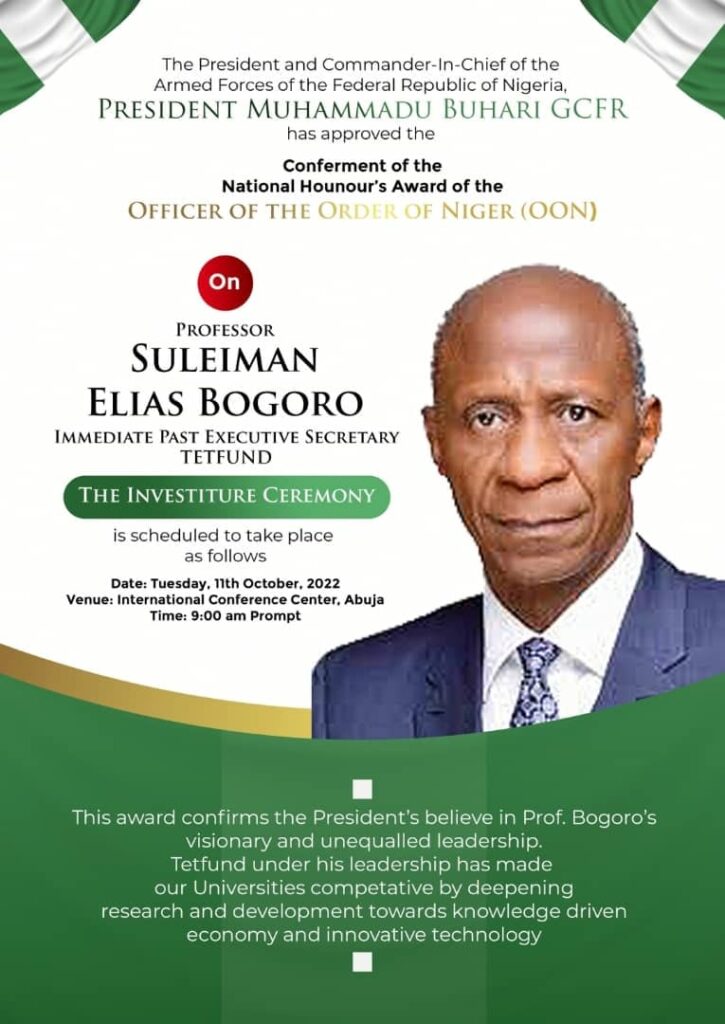
Their sons and daughters are known academician from basic to tertiary education, heading state and federal departments and agencies, noticeable amongst them is the Executive Secretary Tetfund, the erudite scholar Prof. Suleiman Bogoro (Jenndhm Zaar Abuja), one time chairperson Nigerian law reforms commission, Barr. Kefas Magaji, former Nigerian Ambassador to Burkina Faso, H. E. David Gambar Bala, serving and retired military, paramilitary amongst others.
In 2015, a Zaar son representing Bogoro, Dass and Tafawa Balewa federal constituency, Rt. Hon. Yakubu Dogara was elected speaker house of representative, becoming the first Northern minority Christian to be elected as number 4 citizen of Africa’s largest economy and most populous black nation on Earth, a position he held with competence, justice, equity and fairness till June 2019.
Others are Hon. Musa Nakwada (Nakwada Gida Gida), member representing Bogoro Constituency, the Executive Chairman, Bogoro Local Government Area, Hon. Iliya Habila (JP).
Also women in politics, we have Hon. Rifkatu Zanna as the first female to represent Bogoro in the state house of assembly, and other sons and daughters.
8. Religion
If you believe in your supernatural being, believe with all your heart and soul that’s what Zaar person is known for. The Zaar people are very religious people with faith and study revealed that over 90% of them identifying with Christianity as Religion, the remaining percentage are traditional African religion practitioners if there’s any, while few embraced Islam and non-belief system.
Cohabitating hand in hand with each other in peace and harmony including other tribes, religion and cultures thereby enhancing tolerance and peaceful coexistence.
9. Festivals
The Zaar nation has many festivals but most popular amongst them is the Lhb Zaar, a festival to celebrate harvest which is celebrated in every first Saturday of November, every year for years now. And the Wak Tari festival is for the raining season preparation which is celebrated before the beginning of the rainy season.
Though, with the coming of Christianity, many people also travel for Christmas celebration to celebrate with their love ones. Which also make the month of December a busy and season of celebration in Zaar land beginning with Weddings, get-together, and family meeting and so on.
Today Lhm Zaar has become a big national and international festival as it attracts Zaar people from across states and the diaspora to celebrate the cultural heritage. You need to attain and see how the festival is being celebrated. It might interest you to know that, after the national Lhm, Sayawas in everywhere they found themselves will chose a day just to celebrate their Lhm Zaar. Among them is Lhm Zaar Ibadan, Lhm Zaar Lagos, Lhm Zaar Abuja etc.
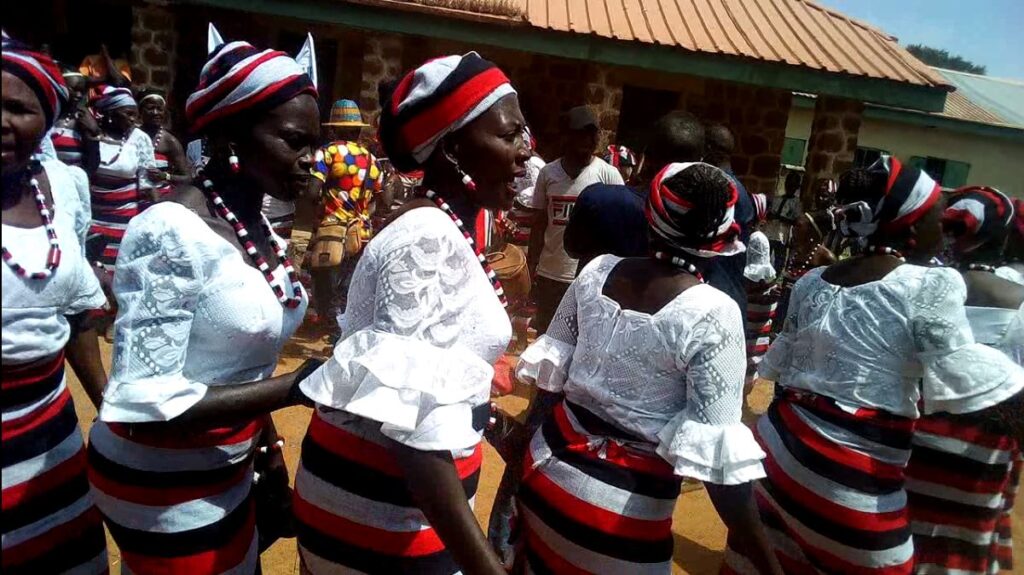
During the Lhm Zaar celebration, Tafawa Balewa town or Pusji which is normally called among Sayawas is painted with Sayawa attire colours, they are black, red, white colours on that day with music, dances, cuisines to add to the glamourous and colourful celebration with each clan dancing to entertain the crowd, much to their delight.
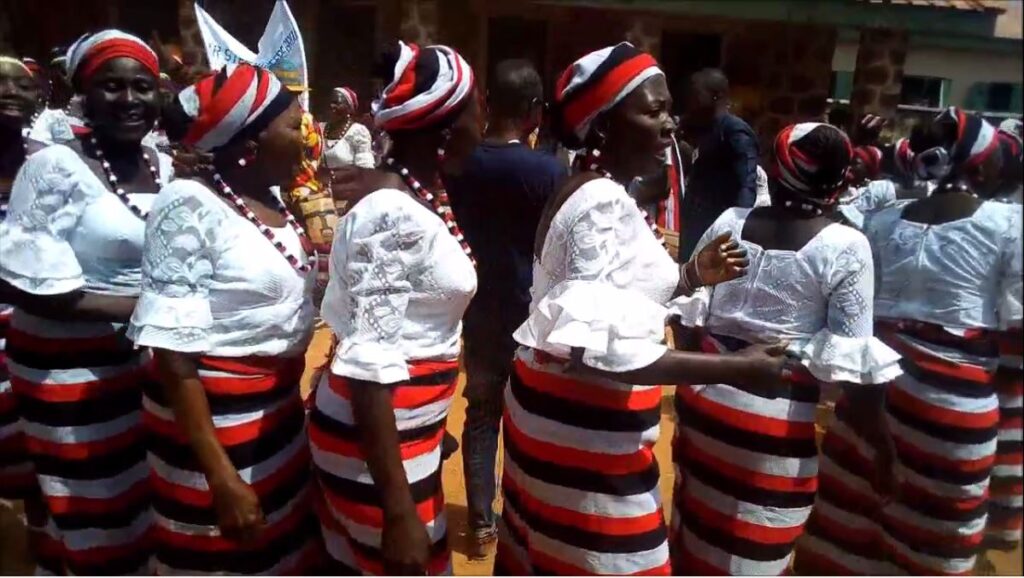
Lhm Zaar is not only celebrated by the Sayawas along, among neighboring states come to build their relationship with Sayawa and joining them to celebrate their festival. Some of the tribes are Taroh, Ngas, Jarawa, Birom, Bajju, Jaba, etc.
10. Beauty
Zaar sons and daughters are naturally cute to the point people say” if you want a beautiful wife, go to Zaar land.” It might sound somehow to you, but you need to visit that place and see for yourself and testifies. Seen is mostly believing, why can’t you see for yourself?
You Can Also Read: Biography of Gungzaar Elect, Air Commodore Ishaku Komo Rtd
They are beautiful, accommodating and happy people who strive daily to make earnings for themselves and pass the legacy of their ancestors from generations to generations.
Conclusion
Getting to know about sayawa, or zaar people is essentially an invitation to explore a small aspect of Nigeria’s cultural story. Their history cannot be separated from the land around Bogoro and Tafawa Balewa, their language, their communities, their relationship with neighbouring peoples and the traditions passed from one generation to another.
What I find particularly important is that Zaar identity has continued to develop with time. Farming and traditional occupations remain part of the story, but education, public service, business, skilled professions and life in Nigerian cities have also changed the way many Zaar people live. Yet, moving into modern life does not necessarily mean forgetting one’s roots.
This is why festivals and culture events are still significant in today’s society since they form a venue where people can gather and recall their past while acquainting new generations with cultural practices. The continued recognition of Sayawa culture within Bauchi State’s wider cultural landscape is also a reminder of the diversity of the region. Bauchi State lists Sayawa among its major ethnic groups and recognises traditional Sayawa cultural expressions among the state’s cultural practices.
There is also an important lesson in the story of the Zaar people: culture is not something that belongs only to the past. Language can survive, festivals can be renewed, stories can be retold and communities can continue to adapt without completely losing their identity.
So for me, writing about the Sayawa people is more than just listing ten facts. It is a way of recording part of the cultural history of Nigeria and making that story available to people who may never have visited Zaar land. There is still much more to learn about their history, traditions, language, food, festivals and communities, and those stories are worth documenting carefully.
The Sayawa story is still being written today. The best approach to ensuring its survival would be through remembering the past as well as allowing those that hold it to tell their story in their own words.
There are many things Zaar (Sayawa) people are known for but for the basic, mention few of them. Culture and tradition is what define people and their heritage and origin. Promote your culture by visiting any of our contact channels on the Contact Us page. Hope you know and learned more about Zaar people who are popularly known as Sayawa, the peace loving people.
About the Author
Habila Ibrahim is a Nigerian cultural writer and the author behind Kunzaar, a platform focused on African cultures, peoples, traditions, history and heritage.
Through his writing, Habila Ibrahim chronicles the culture-based stories which have been at times neglected in conversations about African history. His interest is particularly focused on recording the traditions, identities, histories and everyday experiences of different African communities in a simple and accessible way.
This article on the Sayawa (Zaar) people was written as part of that effort: to document important aspects of Zaar identity and make the information available to readers interested in Nigerian culture and history.
Sources and Research
This article was prepared from a combination of cultural research, historical materials and information relating to the Sayawa (Zaar) people of Bauchi State.
The research draws on available historical and cultural accounts concerning Zaar settlement, language, traditional institutions, occupations, religion and festivals. More emphasis was placed on materials that talked about the Sayawa people of Bogoro and Tafawa Balewa and how they interacted with neighboring communities.
The article also shows the interest of the author in studying Nigerian cultures from a local perspective. Some cultural facts are based on community information that is generally known among Zaar communities, whereas historical facts are given with reference to relevant publications.
Because some aspects of African ethnic history are preserved through oral tradition, different accounts may sometimes give different explanations of migration, origins or historical events. In cases where differences exist, it is important that they be seen as a part of ongoing discourse regarding the history of the community and not as absolute truths.
Main research references
- Bauchi State Government — information on the ethnic groups and cultural heritage of Bauchi State.
- Saleh Dauda, Messengers of Redemption and Salvation: Christian Missions in Zaar (Sayawa) Land and Beyond — historical material concerning the Zaar area, traditions of origin and pre-colonial setting.
- Historical and linguistic materials concerning the Zaar/Sayawa language, migration traditions and settlement history.
- Community-based cultural knowledge and observations used by the author in documenting Sayawa heritage.
ZAAR(SAYAWA) PEOPLE ARE THE MOST EDUCATED IN NIGERIA,THEY ARE PEOPLE WHO LOVE LIVING IN PEACE AND HARMONY WITH OTHER PEOPLE,AND DISCIPLINE.THEY ARE ALSO BLESSED BOTH WITH INTELLECTUALLY,SPIRITUALLY, MORALLY,ECONOMICALLY AND ACADEMICALLY.
Proudly zaar sayawa girl
I think Zaar people are closely linked with Jarawa people