
Introduction
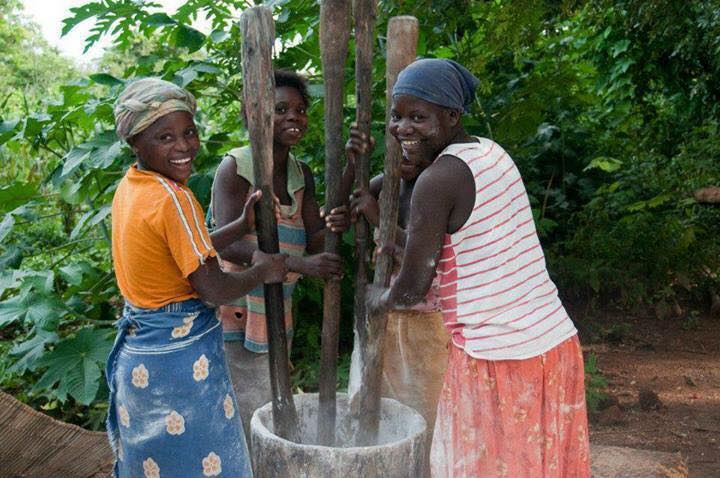
Our post took us to Zimbabwe and we stormed with a tribe called Shona. The Shona tribe in Zimbabwe is one of the most prominent ethnic groups in Southern Africa, with a deep-rooted history, vibrant culture, and distinctive traditions. Known for their contribution to stone sculpture, music, and ancient kingdoms like Great Zimbabwe, the Shona people have maintained a rich heritage that continues to thrive today.
History of the Shona Tribe
The Shona people have inhabited parts of Zimbabwe for over a thousand years. Their ancestors are credited with building the Great Zimbabwe ruins—a medieval city that served as a political and trading hub between the 11th and 15th centuries. The Shona established several influential kingdoms, including the Mutapa and Rozvi Empires, which controlled trade routes and engaged in commerce with Arab and Portuguese traders.
Origin and Ethnic Identity
The Shona are a Bantu-speaking group believed to have migrated from Central Africa around 1000 AD. They form the majority ethnic group in Zimbabwe, comprising about 70% of the population. The term “Shona” is a collective name for several related clans and subgroups, including the Zezuru, Karanga, Manyika, Korekore, and Ndau, who share linguistic and cultural similarities.
Traditional Food
Shona cuisine reflects their agrarian lifestyle and local resources. Common staples include:
- Sadza – A thick maize porridge eaten with vegetables or meat.
- Muriwo – Leafy greens often cooked with tomatoes and onions.
- Nyama – Beef or goat meat served with sadza.
- Maputi – Roasted maize snacks.
- Madora (mopane worms) – A delicacy rich in protein, especially popular in rural areas.
Traditional beverages include maheu (fermented maize drink) and chibuku (traditional beer).
Religion and Spiritual Beliefs
Traditionally, the Shona believe in Mwari (God), who is the supreme creator. They communicate with Mwari through ancestral spirits known as vadzimu. These ancestors are honored through rituals, ceremonies, and spirit mediums called svikiro.
Also Read: Mastering Word Problems
Today, many Shona people practice Christianity, often blending it with traditional beliefs in a syncretic form. Churches such as the Apostolic Faith and Zionist movements have strong followings among the Shona.
Festivals and Celebrations
The Shona people celebrate various cultural and religious events. Some of the most notable include:
- Bira Ceremony – A spiritual event where ancestral spirits are invoked through music, dance, and ritual.
- Harvest Festivals – Mark the end of the farming season and involve communal feasts, singing, and dancing.
- Traditional Weddings (Muchato) – Colorful events that include music, family gatherings, and symbolic gifts.
Traditional instruments like the mbira (thumb piano), drums, and hosho (rattles) play a central role in these celebrations.
Cultural Practices and Values
Shona culture places a high value on:
- Respect for elders
- Collective family units
- Oral traditions and storytelling
- Music and sculpture – Especially soapstone carving, a world-renowned art form.
Shona art and music are not just aesthetic but spiritual, often used in religious rituals and community bonding.
Countries Where the Shona Are Found
While the Shona people are predominantly in Zimbabwe, smaller communities are also found in:
You Can Also Read: History and Traditions of Igbo Tribe
- Mozambique
- Zambia
- South Africa
- Botswana
These migrations are often due to labor opportunities, colonization, and economic movements.
Marriage Traditions
Marriage among the Shona is a multi-step process with significant cultural importance. The key stages include:
- Kuroora (Lobola/Bride Price) – The groom’s family offers gifts or money to the bride’s family as a token of appreciation.
- Roora Negotiations – Elders from both families discuss and agree on marriage terms.
- Traditional Wedding (Muchato) – A celebration involving both families, traditional dress, food, and music.
Marriage is not just a union of two individuals but a bond between families and lineages.
Conclusion
The Shona tribe in Zimbabwe stands as a symbol of cultural richness, historical depth, and resilient identity in Southern Africa. From the grandeur of Great Zimbabwe to their enduring customs and beliefs, the Shona continue to shape the cultural fabric of the region. Understanding their way of life offers valuable insight into African heritage and community-centered living.
