
Introduction
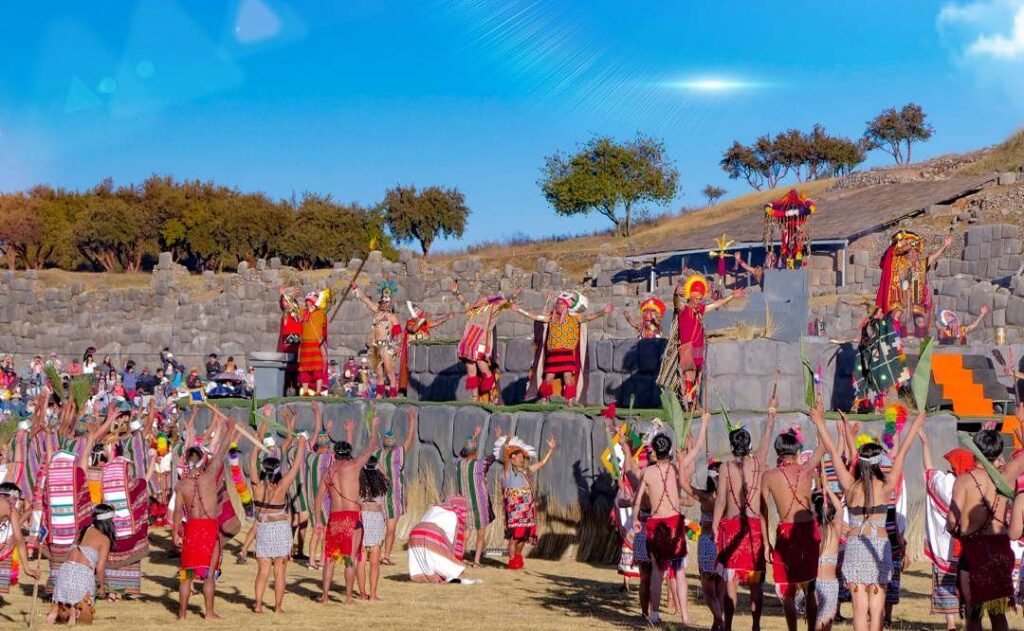
Peru is a land of breathtaking landscapes, ancient civilizations, and a vibrant culture that continues to thrive in the modern age. From the majestic Andes mountains to the Amazon rainforest and the historic ruins of Machu Picchu, Peru offers more than just stunning scenery—it is a country where tradition and heritage remain alive. One of the most remarkable aspects of Peruvian culture is the expression of identity through traditional attire and the celebration of festivals. These cultural elements reflect the deep connection Peruvians have with their history, spirituality, and community. Peruvian traditional attire is very interesting to see them wearing it especially during an event or any cultural festival.

A Glimpse into Peruvian Culture
Peruvian culture is a fusion of indigenous traditions and Spanish colonial influence, blended with African and Asian contributions brought through migration. This unique mix is evident in its music, dance, food, clothing, and celebrations. Today, Peruvians honor their ancestors by preserving customs while embracing modern life, making Peru one of the most culturally diverse countries in South America.
Traditional Attire in Peru
Traditional clothing in Peru varies by region, climate, and indigenous heritage. These garments are not just fashion but a way of expressing identity, social status, and history. Among the cultural attire include:
1. Women’s Traditional Attire
Polleras (Skirts): Colorful layered skirts, often handwoven with intricate embroidery.

Monteras (Hats): Each region has its own unique style of hat. In Cusco, women wear flat-brimmed hats decorated with bright ribbons.
Also Read: The Nauruan People History, Life & Culture Heritage
Shawls (Llicllas): Worn over the shoulders to carry children or goods, often made of alpaca or llama wool.
Jewelry: Silver ornaments and beads that symbolize wealth and tradition.
2. Men’s Traditional Attire
Ponchos: Perhaps the most iconic garment, ponchos are woven in bold patterns and colors representing different Andean communities.
Chullos: Knitted wool hats with ear flaps, often decorated with tassels.
Sandals (Ojotas): Made from recycled tires or leather, traditionally used in rural areas.
Each piece of clothing is more than fabric—it tells a story about heritage, geography, and cultural pride.
Festivals of Peru
Peru is renowned for its vibrant festivals, which blend indigenous spirituality with Catholic traditions introduced during the colonial era. These celebrations feature music, dance, costumes, and rituals that bring communities together.
1. Inti Raymi (Festival of the Sun)
When: June 24th (Winter Solstice in the Southern Hemisphere)
Where: Cusco, the historic Inca capital

Highlights: A reenactment of the Inca sun ceremony, colorful costumes, traditional dances, and offerings to the Sun God, Inti.
2. Carnival of Cajamarca
When: February or March (before Lent)
Where: Cajamarca, northern Peru
Highlights: Water fights, parades, costumes, and music, making it one of the liveliest carnivals in South America.
3. Virgen de la Candelaria Festival
When: February
Where: Puno, on the shores of Lake Titicaca

Highlights: Declared a UNESCO Intangible Cultural Heritage, this festival honors the Virgin of Candelaria with over 40,000 dancers and musicians in stunning attire.
4. Qoyllur Rit’i (Star Snow Festival)
When: May or June (before Corpus Christi)
You Can Also Read: Beginner’s Guide to Learning a New Language Online
Where: Ausangate Mountain near Cusco
Highlights: Pilgrims in colorful costumes dance and celebrate amid the snowcapped Andes, blending indigenous and Christian traditions.
The Cultural Significance
Both traditional attire and festivals serve as living symbols of Peruvian heritage. They preserve indigenous identity, strengthen community bonds, and pass traditions from one generation to the next. For visitors, they provide a unique opportunity to witness the authentic spirit of Peru, far beyond the tourist landmarks.

Conclusion
Peru’s rich cultural tapestry is best understood through its traditional clothing and festivals, where every color, rhythm, and dance step carries history. Whether it is the vibrant skirts of the Andes, the intricate ponchos, or the dazzling celebrations in Cusco and Puno, these cultural expressions embody the heart of Peru. For travelers seeking more than just sightseeing, diving into Peruvian traditions offers an unforgettable journey into a land where the past and present coexist in harmony.