
Introduction
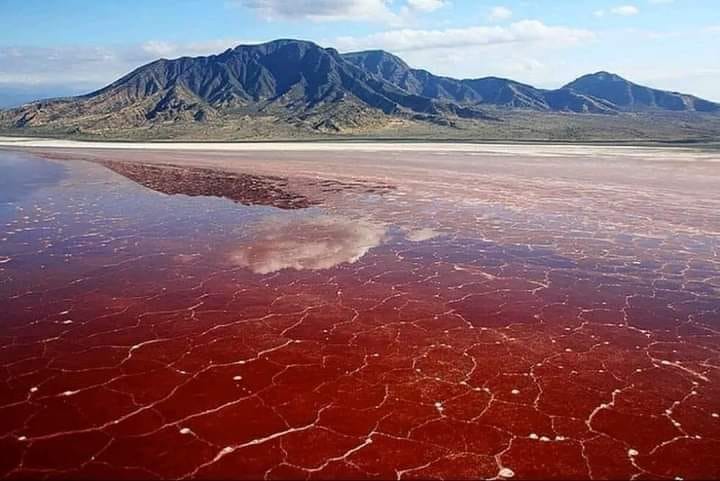
In our cultural and tutorial journey, we landed on a historical lake in Tanzania to educate our readers on some natural occurrences that existed in some parts of the world. Lake Natron is one of the most mysterious and visually striking lakes in the world. Located in northern Tanzania, near the border with Kenya, this shallow salt lake has fascinated scientists, travelers, photographers, and storytellers for decades. This Lake is often described as “deadly,” “haunting,” or “unnatural,” Lake Natron is famous for its blood-red waters and its ability to preserve animals in an eerie, stone-like state.
Also Read: The Misery of Lake Nyos: When a Lake Became a Grave
We are there to discovered the truth about the Lake Natron which has been perceived to be a deadly lake. Our mission is to bring you other things you need to know about the lake and to know whether in reality it killed animals or is a perceived belief about the Lake which has been in existence for many years ago.

But beyond the frightening headlines and viral images lies a deeper story—one rooted in geology, culture, ecology, and natural balance. Lake Natron is not merely a place of death; it is also a place of life, particularly for one of the world’s most iconic birds: the lesser flamingo. That’s the nature of the Super Natural Being, God. Some things are created for a particular purpose and in a particular place.
As you continue reading this post, we are heading to an in-depth guide, you will discover a lot more such as the history, origin, untold truths, cultural significance, and important facts you need to know about Lake Natron.
Where Is Lake Natron Located?
Lake Natron is situated in northern Tanzania, within the Great Rift Valley of East Africa. It lies south of the Kenyan border and northeast of the Ngorongoro Conservation Area.
Key Location Facts:
- Country: Tanzania
- Region: Arusha Region
- Nearby landmarks: Ol Doinyo Lengai volcano, Ngorongoro Highlands
- Type: Shallow alkaline (soda) lake
Its remote location and harsh environment make it difficult to access, which has helped preserve its unique natural state. So, when trying to visit Lake Natron, we need to be prepared before you embark on the journey.
The Origin of Lake Natron
The origin of Lake Natron is closely tied to the East African Rift System, one of the most geologically active regions on Earth.
Geological Formation
Lake Natron formed as a result of these unfolded events such as:
- Tectonic plate movements that created the Great Rift Valley
- Volcanic activity, particularly from Ol Doinyo Lengai, an active volcano nearby
- Accumulation of mineral-rich hot springs and volcanic ash
Unlike freshwater lakes, Lake Natron has no outlet. Water enters mainly through rainfall and small rivers, but it only leaves through evaporation. Over time, this process caused minerals—especially sodium carbonate and sodium bicarbonate—to build up to extreme levels.
Why the Name “Natron”?
The lake is named after natron, a naturally occurring mixture of sodium carbonate and sodium bicarbonate. Natron was historically used by ancient Egyptians for:
- Mummification
- Cleaning and preservation
- Religious rituals
This same mineral composition is responsible for Lake Natron’s extreme alkalinity.
History of Lake Natron
Historically, Lake Natron has been known to local communities long before it gained international attention.
Indigenous Knowledge
For centuries, the Maasai people, who inhabit parts of northern Tanzania and southern Kenya, have understood the dangers and importance of Lake Natron. They avoided direct contact with the lake’s waters but respected it as a powerful natural feature.
Read About: The Maasai People
Global Awareness
Lake Natron gained global attention in the 20th and 21st centuries due to:
- Scientific studies on alkaline ecosystems
- Shocking photographs of calcified animals
- Conservation discussions surrounding flamingo breeding grounds
British photographer Nick Brandt brought worldwide attention to the lake through haunting images of animals preserved by its waters, sparking widespread fascination and fear.
Why Is Lake Natron So Dangerous?
Lake Natron is considered one of the most extreme aquatic environments on Earth.
Extreme Alkalinity
- pH levels can reach 10.5, nearly as caustic as ammonia
- Comparable to industrial cleaning chemicals
High Temperatures
- Water temperatures can reach up to 60°C (140°F)
- Shallow depth increases evaporation and heat concentration
Chemical Composition
The lake contains:
- Sodium carbonate
- Sodium bicarbonate
- Other alkaline salts
These chemicals can:
- Burn skin and eyes
- Destroy organic tissue
- Calcify animals upon prolonged exposure
The Untold Truth About Lake Natron
While Lake Natron is often described as a “killer lake,” the full truth is more nuanced.
It Does Not Actively Kill Animals
Contrary to popular belief:
- Lake Natron does not intentionally “turn animals into stone”
- Most animals die due to accidental exposure
- Birds may mistake the reflective surface for fresh water
After death, the lake’s mineral content preserves their bodies through calcification, giving them a stone-like appearance.
A Place of Life, Not Just Death
Despite its deadly reputation, Lake Natron is:
- One of the most important breeding sites for lesser flamingos in the world
- Home to specialized microorganisms such as haloarchaea, which give the lake its red color
Without Lake Natron, the global population of lesser flamingos would drastically decline. So, this one of the reasons of the existence of the Lake Natron.
Why Does Lake Natron Turn Red?
The lake’s red and pink hues come from:
- Salt-loving microorganisms
- Algae that thrive in high salinity
These organisms produce red pigments as a protective mechanism against intense sunlight. The color of the lake can change depending on:
- Water levels
- Season
- Microbial activity
During dry seasons, the red coloration becomes more intense.
Cultural Significance of Lake Natron
The Maasai People and Lake Natron
The Maasai people live around Lake Natron and maintain a deep cultural connection to the land. People settled on the lake for farming and fishing. And Lake Natron is not an exception to living around though it has some challenges surrounding the lake.
Cultural Beliefs:
- The lake is seen as a powerful natural force
- It is approached with caution and respect
- Surrounding lands are used for grazing livestock
Rather than exploiting the lake, local communities coexist with it, adapting their lifestyle to the harsh environment of it. Every Lake has its own specific purpose for its existence. It might not be dangerous to any creature. Despite the harsh condition of the lake, it has its own specific purpose and one of it is to harbour flamingos. since flamingos can live in Lake Natron, it is not a lake that can kill animals to our own findings.

Flamingos and Lake Natron
Lake Natron is vital for the survival of lesser flamingos.
Why Flamingos Thrive Here
- They feed on algae that grow in alkaline water
- Few predators can survive the harsh conditions
- Isolated nesting islands provide protection
Over 75% of the world’s lesser flamingos depend on Lake Natron for breeding. Something that is deadly for another species of animals has now become a home to flamingos. That’s nature at work.
Environmental Importance of Lake Natron
Lake Natron plays a critical role in:
- Biodiversity conservation
- Maintaining ecological balance
- Supporting specialized life forms
Any disruption—such as industrial development or water diversion—could have devastating effects on wildlife.
Tourism and Accessibility
Lake Natron is not a typical tourist destination, but it attracts:
- Adventure travelers
- Photographers
- Nature researchers
Things to Know Before Visiting:
- The area is remote with limited infrastructure
- Protective footwear is essential
- Guided tours are strongly recommended
Tourism remains minimal to protect the fragile ecosystem.
Myths and Misconceptions About Lake Natron
Myth 1: Everything That Touches the Lake Dies Instantly
Truth: Death usually occurs due to prolonged exposure, not instant contact.
You Can Also Read: The Kalash Tribe: History, Culture, Religion, Food, and Festivals
Myth 2: The Lake Is Cursed
Truth: The lake’s effects are purely chemical and geological.
Myth 3: No Life Exists in Lake Natron
Truth: Microorganisms and flamingos thrive here.
What You Need to Know About Lake Natron (Quick Facts)
- Type: Alkaline soda lake
- pH Level: Up to 10.5
- Temperature: Up to 60°C
- Famous for: Calcified animals, flamingos, red waters
- Main threat: Environmental disruption
Conclusion
Lake Natron stands as one of nature’s most misunderstood wonders. While its alkaline waters can preserve death in haunting forms, they also sustain life in remarkable ways. From its volcanic origins and cultural importance to its vital role in flamingo conservation, Lake Natron is a powerful reminder that nature does not operate on human comfort—it operates on balance. Understanding Lake Natron requires looking beyond fear and viral images to see the complex relationship between geology, life, and survival. It is not merely a deadly lake—it is a symbol of nature’s raw, unfiltered power.