
Introduction
The Yoruba tribe is one of the largest and most culturally influential ethnic groups in West Africa. With a vibrant cultural legacy, deeply spiritual belief systems, world-renowned festivals, and sophisticated political structures, the Yoruba people have shaped the continent’s history for many decades ago.
This article will explore everything you need to know about the Yoruba tribe—beginning from their ancient origins to their food, marriage traditions, festivals, and where they are found today. If you’re interested in African history, culture, or tourism, this guide will give you an in-depth understanding of the Yoruba world. Then follow us as we dive into the Yoruba nation.
1. Origin of the Yoruba Tribe
Yoruba are found in many countries of West Africa but they believed that they are coming from the same root. Relax while we explore the origin of Yoruba to you.
Mythical Origin: Oduduwa and Ile-Ife
The Yoruba trace their spiritual and ancestral origin to Oduduwa, a legendary patriarch believed to have descended from the heavens. This traced of the origin is based on oral tradition as described below:
- Oduduwa came to earth in Ile-Ife, which is regarded as the cradle of humanity by the Yoruba.
- Ile-Ife became the first Yoruba kingdom and is still considered a sacred city up till today.
Historical Origin
While the above was based on mythical origin, below is based on historical theory.
Historians offer a complementary view, suggesting:
- The Yoruba may have evolved from earlier Nok or Ife civilizations.
- They developed as a powerful urban society between the 11th and 14th centuries.
- Ancient Yoruba cities like Oyo, Ife, and Ijebu became centers of art, trade, and governance.
Expansion of the Yoruba Kingdoms
Through trade, warfare, and diplomacy, the Yoruba expanded across West Africa.
The Oyo Empire which started from 15th–19th century became one of Africa’s most powerful precolonial states because of its widest territory was known for:
- A sophisticated cavalry system
- Strong political institutions
- Far-reaching trade networks
Oyo (Now a state) in Nigeria with its capital in Ibadan have one of the biggest precolonial states. That’s why, Ibadan is the largest city in Africa.
2. History of the Yoruba Tribe
Early Civilization
The Yoruba are known for developing advanced, centralized societies before many European states. Their history includes:
- Terracotta and bronze artwork, especially the famous Ile-Ife bronze heads
- Complex architecture, including palace courtyards and shrines
- Highly structured political systems, with the Ooni and Alaafin serving as sacred rulers
Colonial Era and Resistance
Yoruba were mostly at the coast of the country, that make the colonial masters to gain accessed into their areas easily through the waters.
Also Read: Zaar (Sayawa) Chiefdom Actualized As Brig. Gen Yake Became Gung Zaar 1
When European powers arrived in Yoruba territory:
- The Yoruba region was not conquered easily.
- Several Yoruba towns signed treaties or resisted colonial rule.
- Missionaries introduced Western education, which the Yoruba embraced early on. That’s what captured their attention.
- Missionaries also brought health awareness but introducing clinics in some of the Yoruba’s community.
Modern Era
Due to the early presence of colonial and missionaries in Yoruba empire and what they introduced to them and they embraced it, such as education, health, etc, today, Yoruba people are:
- Found in leadership across Nigeria and beyond
- Influential in arts, literature, Nollywood films, and music
- Key contributors to African philosophy, especially through Ifa spirituality
3. Where the Yoruba Tribe Is Found
Since Yorubas are found mostly in West Africa, we will highlight the countries they are found.
The Yoruba are primarily located in:
Nigeria (Oyo, Ogun, Lagos, Osun, Ondo, Ekiti).
This is the homeland of the Yoruba, especially in the Southwestern states in Nigeria. Other states Yoruba are found are: Kwara, Kogi, Edo.
Due to migration and historical expansion, Yoruba populations are also found in countries such as:
- Benin Republic (notably the Nago people)
- Togo
- Ghana (particularly among the Anago)
- Ivory Coast
- The African Diaspora
Because of the transatlantic slave trade, Yoruba culture has spread to:
- Brazil
- Cuba
- Trinidad and Tobago
- Haiti
- United States
Yoruba religion influenced Afro-Brazilian and Afro-Caribbean religions such as:
Candomblé
Santería
Vodun
4. Yoruba Religious Beliefs
Traditional Religion
Traditional Yoruba religion is known for its deep spiritual structures such as:
The Supreme God: Olodumare
Divine intermediaries: Orishas (gods or deities)
A sacred divination system: Ifa, practiced by priests known as Babalawo
Popular Orishas include:
Sango – god of thunder
Ogun – god of iron and war
Obatala – creator deity
Osun – goddess of love and fertility
Yemoja – mother of the waters
Modern Religion
Today, Yoruba people practice these types of religion:
- Christianity
- Islam
- Traditional Yoruba spirituality
Many Yoruba families harmoniously blend the three.
5. Yoruba Culture
Yoruba culture is one of the richest in Africa. It covers arts, music, dressing, lifestyle, and social organization.
Language
The Yoruba language is tonal, melodic, and expressive. It has:
- Over 20 recognized dialects
- A large body of literature
- Worldwide academic influence
Art and Craft
Yoruba art is globally renowned for:
- Wood carvings
- Bronze sculpture
- Beadwork
- Textiles such as Aso-Oke
- Costumes for festivals and masquerades
Music and Dance
Yoruba music features drums, songs, and chants. Important musical styles include:
- Talking drums (Ilu Gangan)
- Bata drums
- Apala
- Fuji
Afrobeats, heavily influenced by Yoruba rhythms and language
Social Structure
Yoruba society is organized around:
- Extended families (Agbo Ile)
- Chiefdom systems (Obas and Chiefs)
- Age grades
- Guilds (e.g., blacksmiths, hunters, drummers)
- Respect for elders is a cornerstone of Yoruba culture.
6. Food of the Yoruba Tribe
Yoruba cuisine is colorful, spicy, and diverse. Common dishes include:
Staple Foods
- Amala – made from yam flour
- Iyan (Pounded yam)
- Eba (Garri)
- Fufu
- Soups and Stews
Yoruba soups are rich and flavorful, including:
- Gbegiri (beans soup)
- Ewedu (jute leaves soup)
- Efo riro (vegetable soup)
- Ogbono soup
- Pepper soup
These are often combined to create famous pairings like Amala + Gbegiri + Ewedu.
Snacks and Street Foods
- Moin-Moin (bean cake)
- Akara (bean fritters)
- Puff-puff
- Drinks
- Palm wine
7. Yoruba Festivals
Festivals are central to Yoruba cultural identity. They reflect religion, history, and community life. And they like Aso-ebi (grouped colourful attire) which you see them appearing in such during occasion, wedding, cultural celebration and so on.
1. Eyo Festival (Lagos)
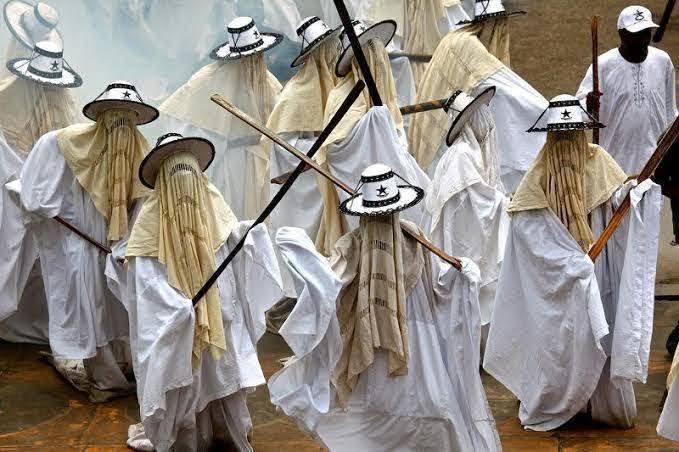
The Eyo Festival, also known as the Adamu Orisha Play, is a Nigerian festival unique to the people of Lagos state. The 24 days festival features a major parade with participants dressed in white flowing robes that cover their entire body, top hats and sticks; and masquerades referred to as “Eyo” as well as costumed dancers. The festival sweeps through the entire city with focus on the Lagos Island and attracts a large number of tourists from around the world.
A vibrant masquerade procession featuring white-clad Eyo dancers.
It celebrates:
- Ancestors
- Heroes
- Cultural renewal
2. Osun-Osogbo Festival (Osun State)
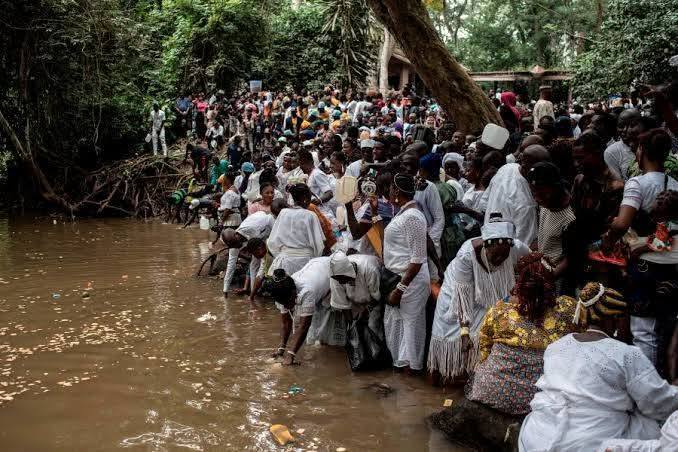
The Osun-Osogbo festival is celebrated in the month of August at the grove. Yearly, the festival attracts thousands of Osun worshippers, spectators and tourists from all walks of life. For the people of Osogbo Land, August is a month of celebration, traditional cleansing of the city and cultural reunion of the people with their ancestors and founders of the Osogbo Kingdom. The Osun-Osogbo Festival is a two-week-long programme. It starts with the traditional cleansing of the town called ‘Iwopopo’, which is followed in three days by the lighting of the 500-year-old sixteen-point lamp called ‘Ina Olojumerindinlogun’.
This festival is a UNESCO heritage festival honoring Osun, the goddess of fertility.
Features include:
- Sacred rituals
- Processions
- Traditional dances
3. New Yam Festival
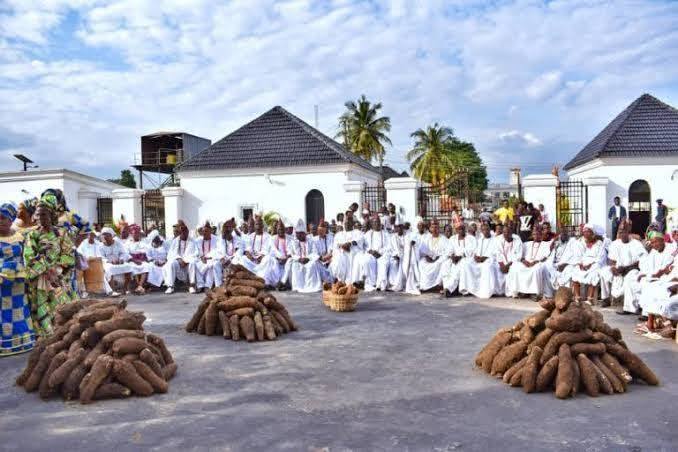
The New Yam Festival is a cornerstone of cultural and traditional life in Okunland, the Yoruba-speaking region of Kogi State in Nigeria.
This annual event marks the harvest of the new yam, a staple food that symbolizes prosperity and the renewal of life.
It is a time of great cultural significance, bringing communities together for thanksgiving, feasting, and a rich display of Yoruba heritage.
At its core, the festival is an expression of gratitude to God and the ancestral spirits for a bountiful harvest.
It is traditionally held before the new yams can be consumed by the general public, signifying a sacred respect for the crop and the divine forces that ensure its growth.
The timing of the festival varies slightly across different communities within Okunland but generally falls around June and July.
A prominent example of this celebration is the “Ogidi Day” festival in Ogidi, Ijumu Local Government Area, which is a major new yam festival that has gained national and international recognition.
Celebrated across Yoruba towns to thank the gods for harvest.
4. Egungun Festival
The Egungun festival is a vibrant Yoruba cultural tradition celebrated annually, a masquerade festival that honors ancestral spirits through masked dances, drumming, and elaborate costumes, strengthening community bonds and celebrating life alongside remembrance of the deceased.
The celebration of ancestors through:
- Masquerades
- Drumming
- Colorful costumes
5. Ogun Festival
The Ogun Festival is a significant cultural event in Ondo Town, Nigeria, celebrated annually to honor Ogun, the Yoruba god of iron, metallurgy and war.
6. Olojo Festival
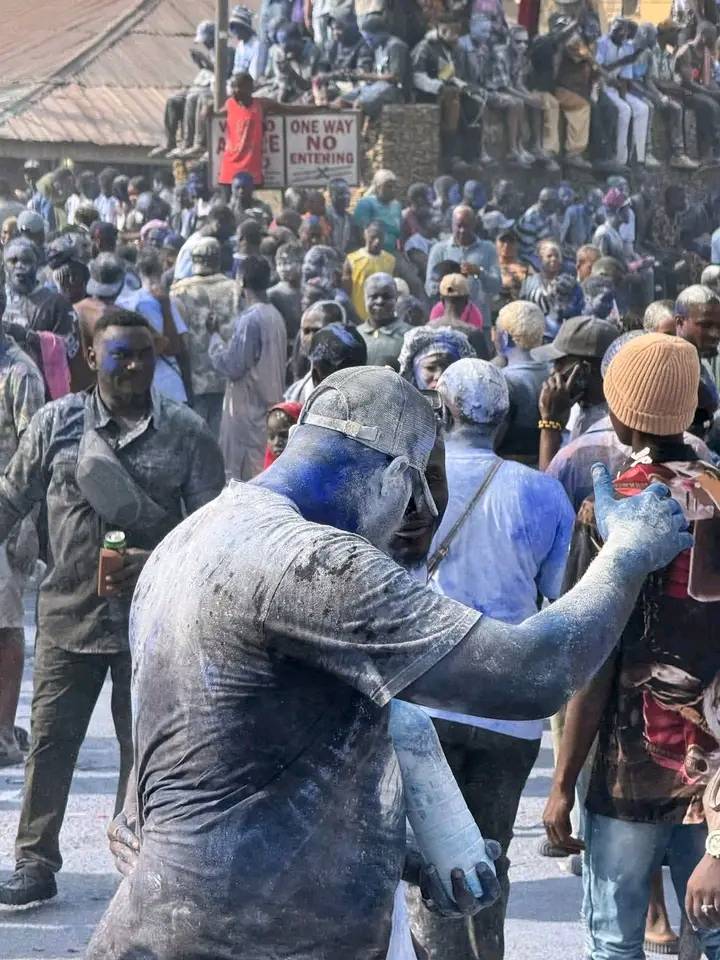
Held in Ile-Ife, celebrating the first dawn of creation and honoring Ogun.
Olojo Festival is an annual festival in Ile-Ife town in Osun State. The festival is a celebration of Ogun the god of Iron. Olojo festival day which can be literally translated as the “Owner of the day”, signifies the day of the year that the Olodumare (creator of the universe) has specially blessed. The Ooni, the king of Ile-Ife appears in public on this day with the Are Crown after several days of being in seclusion. On this day, the Ooni will visit different shrines to offer prayers for the peace in Yoruba lands.
7. Sango Festival
Sango Festival is an annual festival in Nigeria held among the Yoruba people in honour of Sango, a thunder and fire deity who was a warrior and the third king of the Oyo Empire after succeeding Ajaka his elder brother. Renamed in 2013 to World Sango Festival by the government of Oyo State, the festival is usually held in August at the palace of the Alaafin of Oyo.
Honors Sango, the god of thunder, with energetic dance and drumming.
These festivals attract visitors from within and around the world and serve as cultural tourism hubs in Nigeria.
8. Ojude Oba
Ojude Oba is a popular Yoruba annual festival in Ijebu Ode, Ogun State, Nigeria. The festival always holds on the third day after Eid al-Kabir. Ojude Oba Festival is a festival that showcases history, legends, conquest, and diversity. During the festival, a majority of indigenes of jebu Ode travel from far and near to pay homage to their king.
9. The Igogo Festival
The Igogo Festival is a Yoruba festival which takes place every year in Owo, Ondo State, Nigeria. The festival is held in honour of Queen Orosen, a goddess and a mythical wife of ancient Oluwo of Iwo, Olowo Rerengejen. The festival takes place every year in the month of September and lasts for seventeen days. During the festival celebration, the king of Owo and the high chiefs all dress like women wearing beaded gowns, coral beads, head gears and caps with their hair plaited. The Igogo Festival is also a time for the celebration of new yams.
10. Oro Festival
Oro Festival is a festival celebrated in almost all Yoruba settlements and towns in Nigeria. The festival is an annual one with only male descendants of the paternal natives of the town where the festival is taking place. During the Oro festival, non-natives and females stay indoors because it is believed that it is a taboo for a woman or anyone who is not allowed to participate in the festival to see the Oro.
11. Ijakadi Festival in Offa, Kwara State
Ijakadi is a Yoruba word meaning “wrestling”. It’s particularly associated with a cultural festival in Offa, Nigeria, where the Olofa (traditional ruler) engages in a symbolic mock wrestling bout with a chief. This event, known as “Ijakadi looro Offa” (wrestling is an Offa custom), demonstrates the town’s historical connection to wrestling and its emphasis on equity, justice, and fairness.

8. Yoruba Marriage Practices
Stages of Yoruba Marriage
1. Introduction Ceremony (Mo mi i mo e)
Families meet formally to discuss marriage intentions.
2. Engagement Ceremony (Eru Iyawo)
This colorful ceremony includes:
- Presentation of bride-price items
- Prayers and blessings
- Cultural dances
- Traditional attire (Aso-Oke)
It is often considered the main wedding ceremony in Yoruba culture.
3. Church, Muslim or Court Wedding
Many couples hold modern weddings after the traditional rites. This is where clergy will pray and bless their wedding for those who are Christian. While those who are Muslim do it according to Islamic rites which is done by Imam.
Marriage Customs
The groom prostrates (dobale) before the bride’s family as a sign of respect.
The bride is often veiled and unveiled as part of the ceremony.
Elders bless the couple with prayers and symbolic gifts.
Music, food, and colorful dressing fill the day.
9. Dressing and Fashion in Yoruba Culture
Yoruba people are known for vibrant fashion styles, including:
You Can Also Read: How to Solve Quadratic Equations Using Factorization Method
- Aso-Oke – handwoven fabric used for special occasions
- Agbada – flowing male attire
- Iro and Buba – women’s wrap skirt and blouse
- Gele – elaborate head tie
- Fila – men’s cap
Every outfit carries cultural meaning and reflects social status, age, and occasion.
10. The Role of the Yoruba in Modern Africa
As people who were exposed to early Western education, today, the Yoruba tribe significantly influences these areas of life:
- Politics
- Literature (e.g., Wole Soyinka, the first African Nobel Laureate)
- Music (Afrobeats, Juju, Fuji)
- Nollywood film industry
- Religion (Christianity, Islam, and traditional beliefs)
- Fashion and textile design
- Academic research in anthropology and linguistics
Their cultural heritage will continue to spread globally from Nigeria, West Africa to other parts of the world as we are seeing now.
Conclusion
The Yoruba tribe stands as one of the most culturally rich and historically significant ethnic groups in Africa. From their legendary origins in Ile-Ife to their global influence through art, religion, food, and festivals, the Yoruba continue to shape cultures across continents and the world. Their sophisticated marriage traditions, vibrant celebrations, and strong moral values make them a fascinating people worthy of study and admiration. To this end, whether you are researching West African history, planning cultural tourism, or simply wishing to understand Nigeria’s ethnic diversity, the Yoruba tribe offers a wealth of knowledge and inspiration.