
Introduction
Our voyage for cultural heritage has taking us to Brazil.
The Rio Carnival Brazil is one of the world’s most spectacular festivals: a dazzling combination of music, dance, costume, street parties and culture. In this blog post, we’ll dive into everything you need to know — from its origins and religious roots to the food, the culture, how it’s celebrated, how marriages and relationships play a role, and where else in the world you’ll find similar celebrations.
1. History & Origin
Below, we have listed some of the history and origin of festival especially from Brazil which other countries of the world are celebrating their history and origin. With the coming of social media, the world have become a global village. Viewing different cultures around the world with just Internet connect.
1.1 Pre-festive roots
The word carnival comes from the Latin carnem levare (“to remove meat”), referencing the Christian period of Lent (a time of abstinence) during which festival-goers would feast before the fast. Cultures have a way of attracting many people to a country. Many countries have been generating income to the country.
Read About: Acholi People Cultures
In Europe, carnival-type celebrations date back to ancient Greek and Roman festivities, later adapted by the Catholic Church as a final burst of feasting and merriment before Lent. Today, many countries are celebrating different festival that attract many tourists for see themselves.
1.2 Arrival in Brazil & Rio de Janeiro
For example, in Brazil, the Portuguese colonisers brought the tradition of Entrudo (a raucous street festival where people threw water, flour, and food) to places such as the islands of Açores and Madeira, and then to the mainland.
From history, we discovered that the first Carnival-style celebrations in Rio de Janeiro are recorded as early as 1723, when Portuguese immigrants held an Entrudo style street party.
1.3 Evolution into Organised Parades & Samba
This is how its started, during the 19th century, what had been chaotic street games evolved into masquerade balls for the elite and structured street parades for the people.
In Rio, Afro-Brazilian culture — especially rhythms and dances from enslaved and freed Black Brazilians — infused the festival. The formation of “cordões,” “ranchos,” and later the samba schools became central. During which, the first official samba-school competition in Rio took place in 1929.
1.4 Modern era
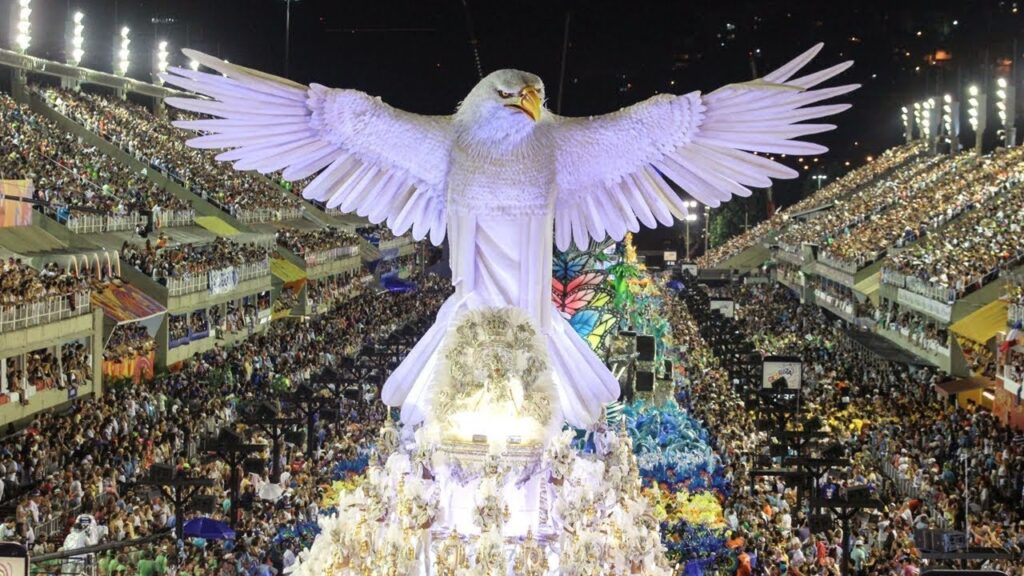
The iconic parade venue, the Sambadrome Marquês de Sapucaí (designed by architect Oscar Niemeyer and inaugurated in 1984) gives the samba schools a dedicated arena.
Today, the Rio Carnival Brazil is regarded by the Guinness Book of Record as the largest carnival in the world.
2. The Festival: What Happens & When
2.1 Timing & structure
The Rio carnival typically occurs in late February or early March, immediately before the beginning of Lent (40 days prayers and fasting Christian period before Easter).
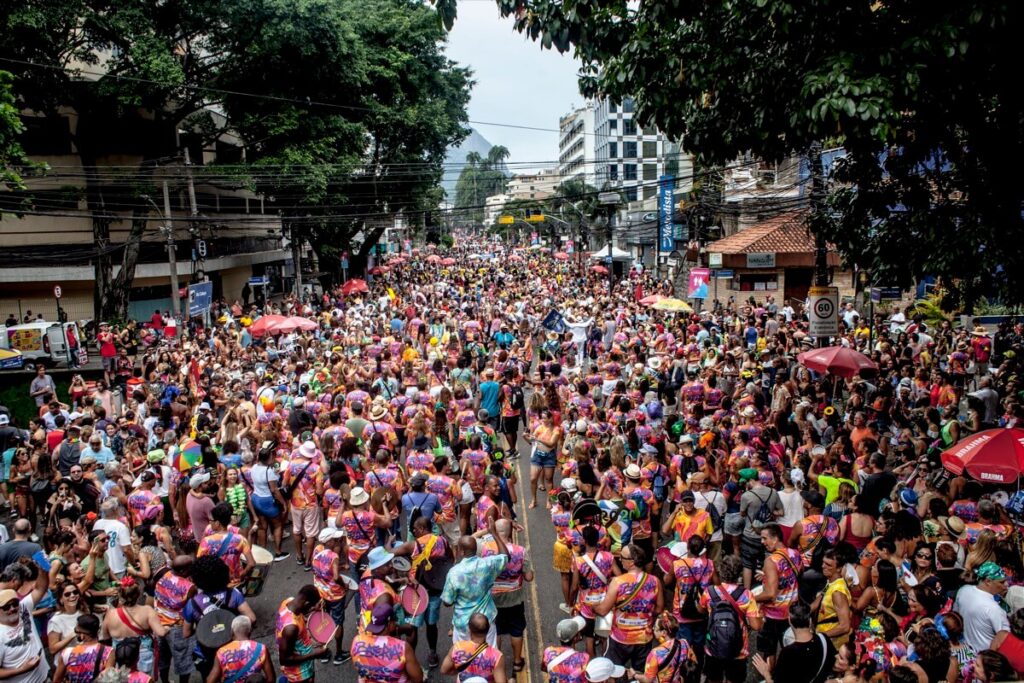
Some of the structure of the festival includes:
Street parties (“blocos”) that roam through neighborhoods day and night.
The major samba-school parades at the Sambadrome, where schools compete on themes, floats, costumes and choreography.
2.2 Street parties (Blocos)
Street parties in Rio are spontaneous and organized. Each bloco has its own theme, costumes, music, route and thousands of participants.
They often begin early in the morning and may continue until in the night.
2.3 Samba school parades
The main spectacle of the carnival is the parade of samba schools: each school prepares months in advance, selects a theme (or enredo), builds floats, designs costumes, rehearses dance and rhythm.
Judging criteria include costume, floats, history, theme coherence, musical performance, and harmony.
2.4 Cultural significance & tourism
The carnival week transforms Rio into a global stage. The event not only celebrates culture but also drives tourism, commerce, and media attention. And also attract many tourists to Brazil just to witness this carnival.
3. Culture & Music
3.1 Musical roots
The heartbeat of the Rio Carnival Brazil is the rhythm of samba, born from Afro-Brazilian music and West African traditions.
Before samba domination in Brazil, there were other musical genres involved like marchinha, frevo, afoxé, and various street ensembles.
3.2 Costumes, floats and symbolism
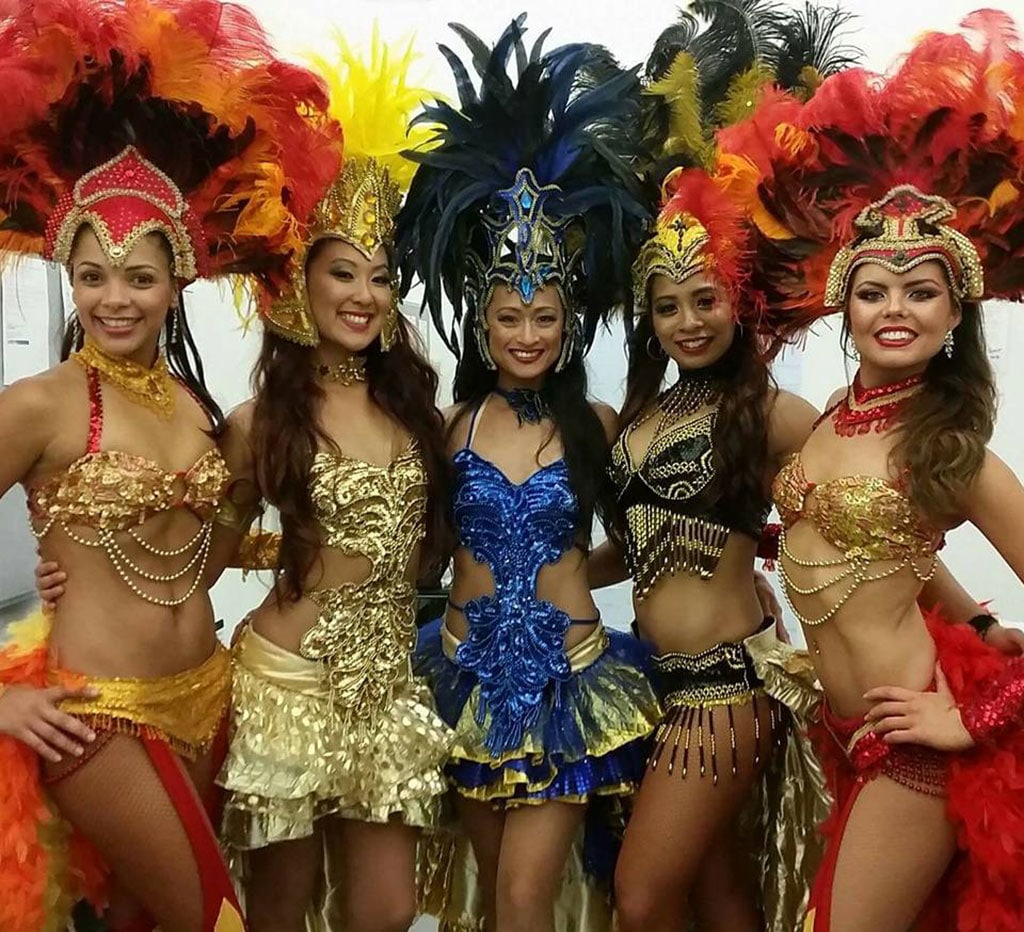
Costumes are flamboyant, creative and often carry social, historical or political themes. The parade floats are huge, intricate and often tell a story.
For example: Samba schools use their floats and costumes to critique or highlight a historic narrative, cultural identity or social issue.
3.3 Social & community dimension
Many samba schools are based in historically marginalized neighbourhoods (favelas) and serve as community centres, training grounds, cultural hubs and employment-opportunities for local residents.
Carnival in Rio is more than entertainment — it is a platform for cultural expression, identity and unity across race and class.
4. Religion, Spirituality & Meaning
4.1 Christian roots
As noted, Carnival precedes Lent, the 40-day period of Christian penance. This religious linkage gives the festival its timing and original purpose: a “last fling” before the fasting/abstinence period.
4.2 African and indigenous spiritual contributions
The Afro-Brazilian religions such as Candomblé and African heritage deeply influence Carnival. Samba, rhythms, costumes and street party traditions often have roots in these spiritual traditions.
Some foods and rituals during Carnival also reflect this blending of spiritual tradition and festivity (see next section).
4.3 Social rôle of festivity
Carnival serves as a form of social release, a catharsis, where normal rules of class, hierarchy and behaviour are loosened. Historian sources note it functioned as a “release valve” in society.
You Can Also Read: Beginner’s Guide to Drawing with Procreate on iPad
Thus, Rio Carnival Brazil is both religious in origin and socially symbolic in practice which has been there for years.
5. Food & Street Cuisine
Food plays a major role in the Rio Carnival Brazil experience — from street snacks to hearty meals.
5.1 Popular street foods
During Carnival, you’ll encounter vendors everywhere selling quick, delicious, portable food. Some of the popular items are:
Pão de Queijo (Brazilian cheese bread) — a street snack made with cassava flour and cheese.
Coxinha — dough filled with shredded chicken, bread-crumbed and deep-fried.
Brigadeiro — rich chocolate-condensed-milk sweets, often enjoyed during celebrations.
Skewers (meat on a stick), pastel (fried pastry) and other Brazilian street delicacies.
5.2 Traditional festival meals
Feijoada — considered Brazil’s national comfort food (black-bean stew with pork/sausage) and enjoyed especially around Carnival.
Seasonal specialties might appear depending on region and time.
5.3 Tips for enjoying food safely
While street food is part of the fun, if you’re travelling (e.g., from Nigeria to Brazil) consider hygiene, water quality and vendor legitimacy. Choose crowded stalls, check freshness, and don’t neglect hydration (Rio is hot!).
6. Culture & Global Influence: Where Else?
6.1 Brazil-wide celebrations
While the Rio Carnival Brazil is the flagship festival, similar festivities occur across Brazil — such as in Salvador and Recife (each with their own local dance, rhythm and flavour).
The term “bloco” (street/block party) is used widely throughout Brazil for local carnival groups.
6.2 Global carnival culture
Carnival celebrations now exist in many countries with Portuguese or Spanish heritage (and beyond) — e.g., in the Caribbean, Latin America and even Europe. While the Rio version is distinct in its samba and scale, the broader tradition spans continents.
6.3 Cultural export & tourism
With millions of participants and global media coverage, Rio’s carnival has shaped perceptions of Brazilian culture worldwide — of samba, costume design, dance and street spectacle.
7. Marriage, Relationships & Social Life During Carnival
7.1 Symbolism of pairing & movement
In the samba school parades you’ll often see the mestre-sala and porta-bandeira — the key couple who carry the flag of the samba school and perform in intimate, choreographed dance. Their partnership symbolises trust, coordination and communal identity.
This reflects how Carnival both entertains and enacts social bonds.
7.2 Relationships in festive context
Carnival week is also a prime moment for social interaction, from flirty street parties to more serious relationship milestones (people propose, marry, or celebrate together). The festive atmosphere often leads to renewed sense of community, connection and sometimes romance.
If you were writing a deeper cultural or religious reflection (given your interest in Christian themes), you might explore how such jubilant celebrations contrast with Lent’s time of reflection and how this mirrors seasons in life and faith.
7.3 Marriage and cultural meaning
In Brazil, community and family are central. Carnival’s collective celebration can reinforce family bonds, widen social networks and sometimes lead to significant life decisions (including marriage). The intense shared experience can deepen relationships.
For a blog aimed at readers from other cultures (like Nigeria), you could draw analogue to local festivals where communal joy leads into commitments and social renewal.
8. What to Know Before You Go (or How to Experience It from Afar)
8.1 Travel & practical tips
Book early. Because Rio Carnival Brazil draws huge crowds, flights and accommodation fill up.
Choose your participation: street blocos are free and spontaneous; samba-school grandstand tickets cost more.
Consider budgeting for costumes, transportation, food, extra nights.
Safety & health: large crowds = pickpockets, risk of drink/spiked food (see alerts).
Stay hydrated, use sunscreen, rest when needed.
Respect local customs: be aware of difference between paying grandstand seats and walking into free street parties.
8.2 If you’re writing from another country
Some people in Africa or other countries of the world might like to visit this carnival. We have a little tip for you. Emphasise the cross-cultural links: African roots in samba, the pilgrimage nature of carnival, parallels between communal festivity in that country and Brazil.
Provide tips for African travellers: visa info, when to fly, what to expect in Rio neighbourhoods.
Use multimedia (photos/videos) to capture costumes, floats, street food to enhance engagement.
8.3 How to enjoy from home
If you can’t travel to Brazil, you can still experience the Rio Carnival Brazil virtually:
This carnival has many documentaries. You can watch live or recorded samba-school parades via YouTube or any social media platforms. The world has gone digital with many cultures and festival are flying around on the Internet.
Read More: About Rio Carnival
Explore local Brazilian cultural events or Carnival-style parties in your city.
Taste the food: try Brazilian recipes such as feijoada, pão de queijo, coxinha.
Use the story of Carnival in your blog to reflect on themes of freedom, transformation and community—perhaps even link to your biblical-theme writing (e.g., celebrating fruit of the Spirit in a festival of freedom).
9. Culture, Identity & Lessons
Beyond the spectacle, the Rio Carnival Brazil is rich with meaning:
Cultural fusion: European traditions + African rhythms + indigenous practices = unique identity.
Community empowerment: From the favelas to global stage, samba schools give voice to underrepresented communities.
Joy & release: The festival offers a time for collective freedom, expression and renewal.
Heritage & continuity: What began as Entrudo water fights has evolved into world-class performance while retaining roots.
Faith & festivity: The link to Lent and Christian rhythm is underlying, showing how religious calendar adapts into cultural festival.
Conclusion
The Rio Carnival Brazil is more than just a party — it is a living cultural mosaic: history, religion, food, music, community, spectacle. Whether you’re planning to attend, writing about it, or simply seeking to understand why it captivates millions, this guide offers the full panorama. From the first flour-and-water street games of the 18-century Entrudo to today’s glittering floats and street food vendors selling pão de queijo under the samba beats — it is a journey of joy, identity and global connection.