
Introduction
Our voyage takes us to Nepal and through the region of Himalayas.
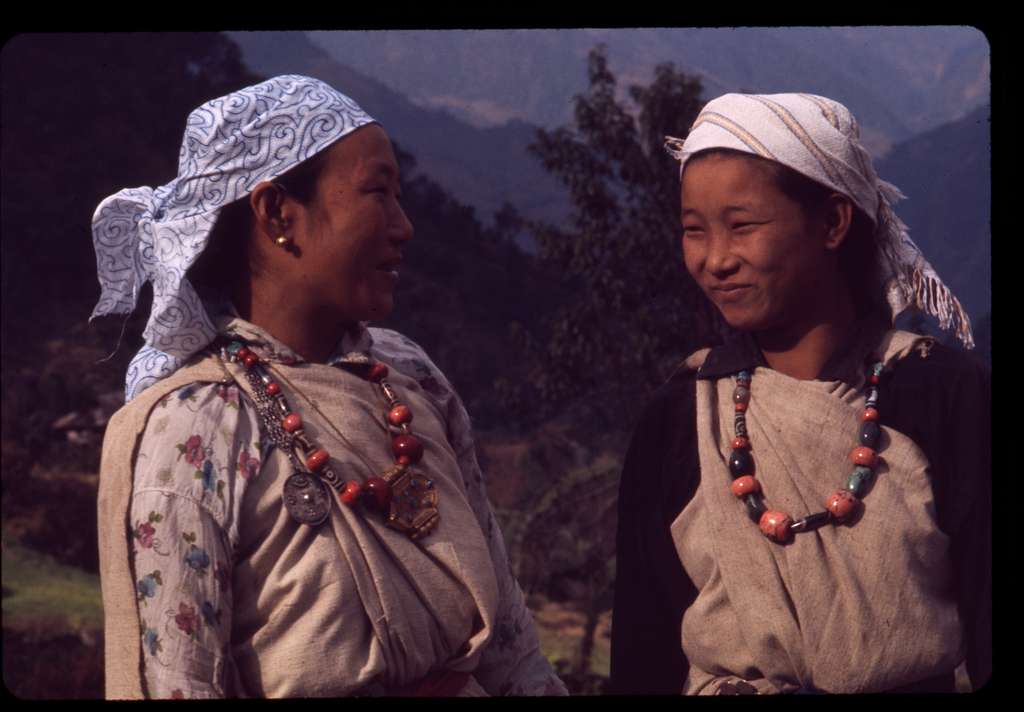
The Lepcha people are one of the most fascinating indigenous tribes of the Eastern Himalayas. Known for their deep spiritual connection to nature, rich folklore, unique language, and vibrant festivals, the Lepchas have preserved their identity for many centuries, year-in-year-out. They are considered one of the earliest inhabitants of Sikkim and parts of Nepal, Bhutan, and India’s Darjeeling region.
In this article, you will learn everything you need to know about the Lepcha people—their history, origin, food, religion, festivals, marriage customs, cultural practices, and where they live today. Let’s continue as listed below.
History of the Lepcha People
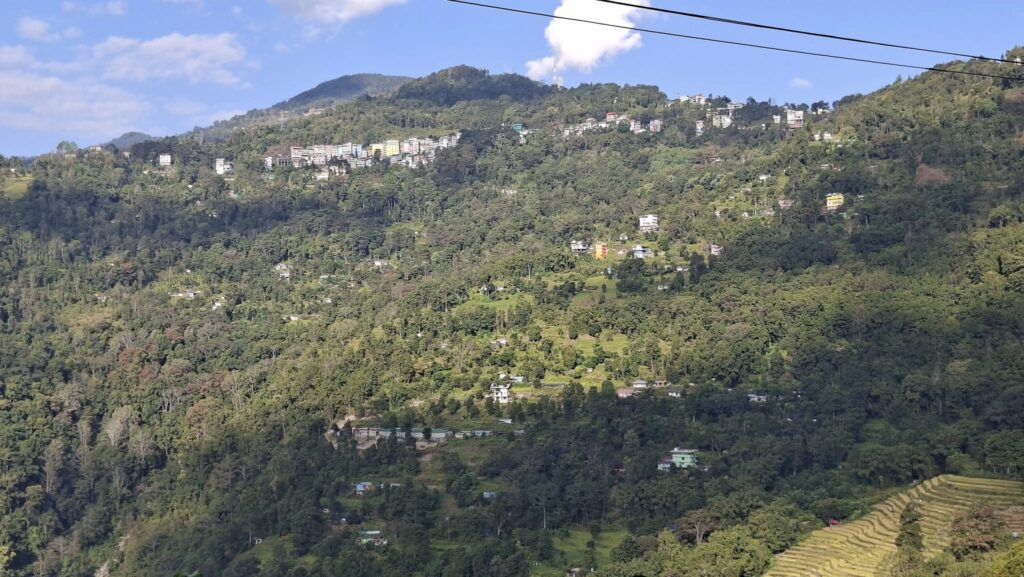
The history of the Lepcha people is one rooted in mystery, spirituality, and nature. Traditionally, the Lepchas consider themselves the original settlers of Sikkim. They believe they were created in the valleys of Mount Kanchenjunga, their most sacred mountain. According to them, that’s their dwelling place.
Early Settlement
Archaeological and anthropological evidence suggests:
- They lived in Sikkim and Darjeeling long before Tibetan, Nepali, or Bhutanese migration.
- Their livelihood was built around hunting, gathering, and shifting agriculture.
- They lived in harmony with forests, rivers, and wildlife.
Influence of Neighboring Kingdoms
Over time, the Lepchas came under the cultural influence of:
- Tibetan Buddhists who migrated into Sikkim
- Bhutanese rulers
- The Sikkimese monarchy, especially after the establishment of the Namgyal dynasty in the 17th century
- British colonial administration in Darjeeling
Also Read: The Forgotten Languages
Despite these influences, the Lepchas preserved a large portion of their traditional beliefs and practices. They are people that hold on to their cultural beliefs despite colonial presence in their region.
Origin of the Lepcha People
The origin story of the Lepchas is somehow deeply spiritual.
Mythological Origin
According to Lepcha mythology:
- They descend from the union of the first man (Fudongthing) and the first woman (Nazong-Nyu).
- They were created by Itbu Debu Rum, the supreme god.
- Their homeland is called Mayel Lyang, meaning “Hidden Paradise.”
Linguistic Origin
The Lepcha language belongs to the Tibeto-Burman family and is one of the oldest languages of the eastern Himalayas. The Lepchas have their own script called:
- Róng script or Lepcha script, believed to be created in the 17th or 18th century.
Genetic and Anthropological Identity
Many scholars consider the Lepchas:
- Among the oldest Mongoloid groups in the Indian subcontinent.
- A tribe with roots possibly connecting them to ancient communities from Tibet, Burma, or Southeast Asia.
Where did the Lepcha People Mostly Found

Today, the Lepcha population is mainly found in:
1. India
- Sikkim (their primary homeland)
- Darjeeling hills, West Bengal
- Kalimpong district, West Bengal
2. Nepal
- Eastern Nepal, especially Ilam and Taplejung districts
3. Bhutan
- Samtse and Chukha regions
Even though they are now minorities in these areas, they maintain strong cultural identity and social networks.
Culture of the Lepcha People
The culture of the Lepcha people is a beautiful blend of nature worship, oral traditions, dance, music, folk stories, and linguistic heritage. You need to visit their regions and see it yourself.
1. Language and Literature
The Lepcha language, also known as Róng, is central to their identity. Their literature includes:
- Folk tales
- Legends of mountains and rivers
- Songs of nature
- Traditional scripts used for religious texts
2. Occupation
Traditionally, Lepchas were:
- Hunters
- Fishermen
- Gatherers of wild fruits
- Farmers practicing jhum (shifting agriculture)
Today, many are involved in:
- Agriculture (cardamom farming, vegetables)
- Tourism
- Education and government work
3. Clothing
Traditional Lepcha dress for men and women includes:
For Men
- Thokro-Dum: A knee-length cotton dress tied with a belt.
- Yenthatse: A traditional shirt.
For Women
- Dumdyam: A long ankle-length dress wrapped around the body.
- Taga: A loose blouse.
Clothes are often made of woven cotton with colorful patterns.
4. Music and Dance
Music plays a central role in Lepcha life. Their instruments include:
- Tungbuk (bamboo flute)
- Pung (drum)
- Flute crafted from reeds
- Okhal (string instrument)
Their dances often imitate:
- Birds
- Water movement
- Hunting gestures
- Traditional storytelling
Religion of the Lepcha People
The religion of the Lepcha people is a combination of many religions. Though they have not abandoned their indigenous religious beliefs. Lepcha religion includes:
1. Indigenous Religion (Munism or Bon-Mun)
This is the original belief system of the Lepchas. And the beliefs is centered on some these and to includes:
- Nature worship
- Belief in ancestral spirits
- Worship of mountains, rivers, forests, and lakes
- Shamanistic practices led by Mun (female priest) and Bongthing (male priest)
2. Buddhism
Many Lepchas converted to Mahayana Buddhism, especially due to Tibetan influence. Buddhist monasteries play an important social role today.
3. Christianity
Some Lepchas became Christians through missionary work that came during the 19th and 20th centuries.
Despite religious diversity, many Lepchas continue practicing traditional rituals alongside their adopted faith. Also, some of the Lepcha practice Islam.

Food of the Lepcha People
Lepcha cuisine is simple, organic, and deeply connected to forest resources.
Here Are Some Common Lepcha Foods
- Tongba: Fermented millet drink.
- Kinema: Fermented soybean dish.
- Pork curry, often cooked with herbs.
- Smoked fish from Himalayan streams.
- Buckwheat bread and millet bread.
- Niguru: A popular fern-based vegetable.
- Gundruk: Fermented leafy greens.
- Churpi: Hardened yak cheese.
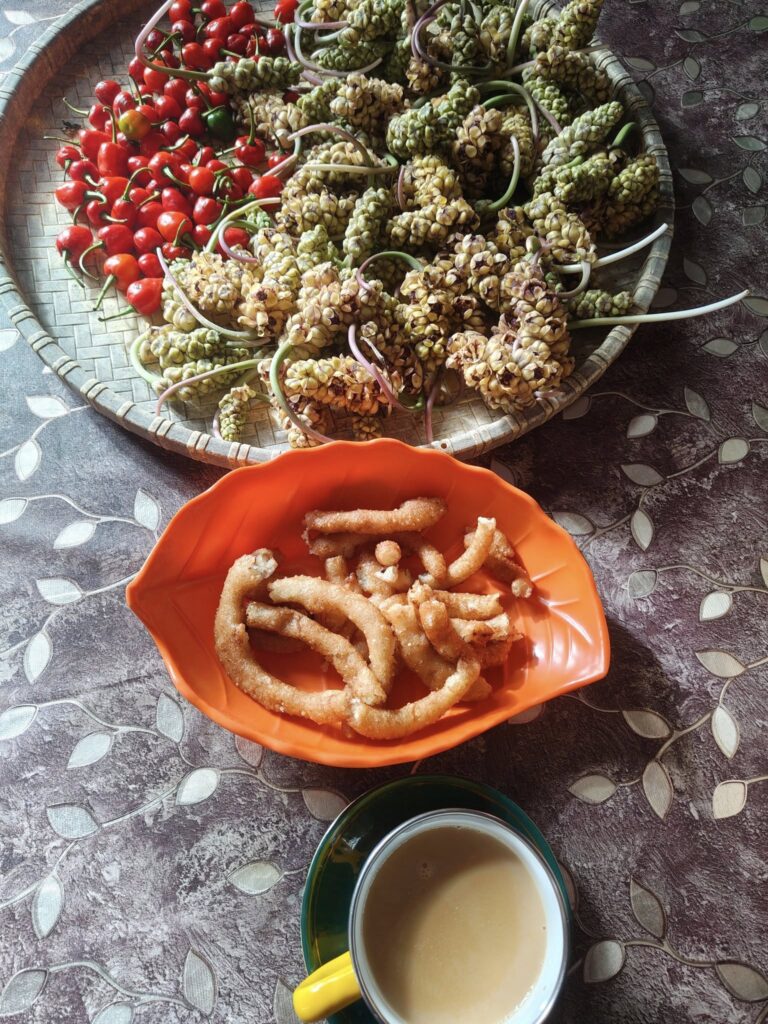
Drinks
- Chi (millet beer)
- Tumba (warm fermented millet drink)
Festivals of the Lepcha People
Lepcha festivals are packed with music, dancing, storytelling, and prayers for nature. The festivals are also important cultural markers where younger generations learn tribal values.
Here are the major Lepcha festivals:
1. Tendong Lho Rum Faat
This is the most important Lepcha festival.
Meaning
- “Tendong” is a sacred hill in Namchi, Sikkim.
- The festival celebrates the hill for protecting Lepchas from a great flood in ancient times.
Lepcha Celebrations Include:
- Traditional dances
- Cultural processions
- Storytelling about the flood
- Prayers for nature protection
- Offerings to gods and ancestral spirits
This festival highlights the tribe’s deep respect for mountains and nature.
2. Chu Rum Faat
This festival is specially dedicated to water by the Lepchas.
Purpose
- A prayer for the preservation of rivers and lakes.
- To thank the deities for clean water.
Activities
- Ritual bathing
- Prayers along riversides
- Nature chants
- Community feasts
3. Namsoong Festival
This is Lepcha’s New Year celebration.
When it is celebrated
- In December and January
Activities
- Special dances and songs
- Feasting and community gatherings
- Ritual cleansing of homes
- Worship to drive away evil spirits
4. Sappok Rum Faat
This festival celebrates Sappok Rum, the creator god.
This type of celebration feature in Lepcha includes:
- Storytelling about creation
- Ritual dances
- Offerings to ancestral gods
5. Zo-Mal Lok
This festival is celebrated in honoring agriculture and harvest and the feature Includes:
- Harvest dances
- Thanking the earth for crops
- Community meals
- Blessing rituals for future farming
Marriage Traditions of the Lepcha People
Like most of the cultures around the world, marriage is one of the most important social ceremonies among the Lepchas.
1. Arranged Marriage
This type of marriage is traditionally arranged by:
- Parents
- Elders
- Matchmakers
2. Bride Price
The groom gives symbolic gifts to the bride’s family, such as:
- Millet beer
- Meat
- Beads
- Ornaments
3. Rituals
Lepcha weddings include:
You Can Also Read: How to Create and Sell Online Courses on Teachable or Udemy
- Exchange of gifts
- Blessings from priests
- Ritual drinking of millet beer
- Traditional dances
- Community feasting
4. Monogamous Relationships
Lepchas generally practice monogamy, and divorce is rare amongst them.
Modern Challenges Facing the Lepcha People
Despite their rich culture, the Lepchas face challenges such as:
- Loss of language among youth
- Environmental threats to their forests
- Influence of modernization
- Economic hardships
- Migration out of traditional areas
Many organizations and cultural groups are working to preserve Lepcha traditions through education and documentation. That’s why we found it pertinent to promote this tribe and culture to avoid been extinct in the future due to globalization or otherwise.
Conclusion
The Lepcha people are one of the most ancient and culturally rich communities of the Eastern Himalayas. Their history, food, rituals, festivals, marriage practices, and spiritual beliefs all reflect a deep reverence for nature and ancestral heritage. Whenever you visited Nepal or any country Lepchas are found, try to visit the region of the Lepchas and see rich cultures there. Understanding their culture helps preserve their identity and reminds us of the importance of protecting indigenous traditions around the world.