
Introduction: Who Are the Harari People?
In our cultural heritage journey, we landed in Ethiopian and come across a tribe called Harari.
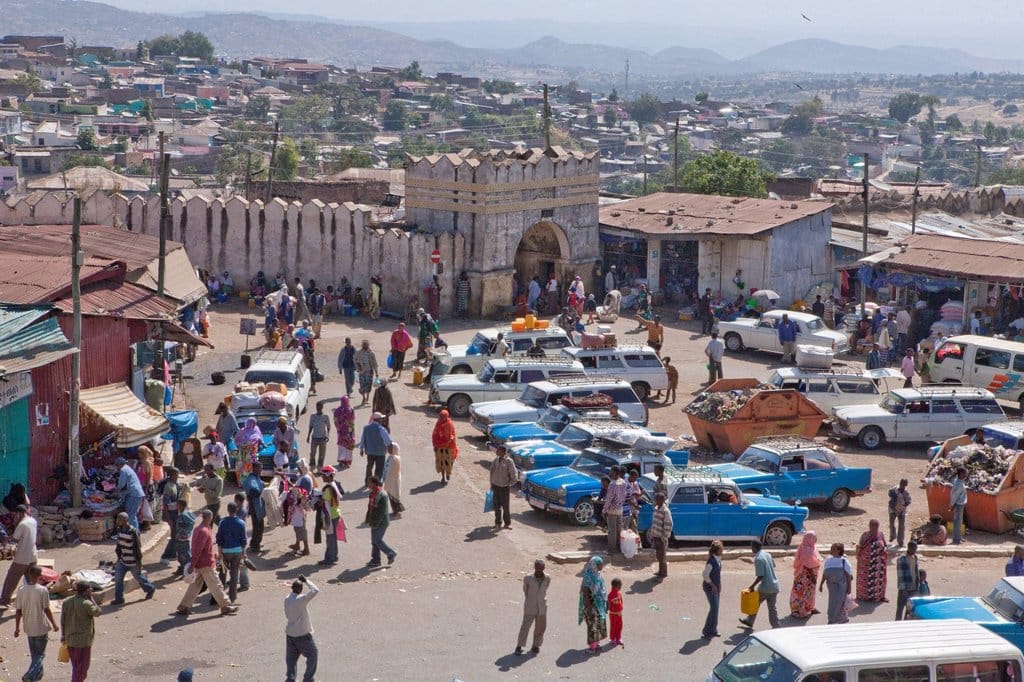
The Harari people, also known as Geyusu or Adere, are one of the most unique and ancient cultural groups in Ethiopia. They are primarily found in the historic, walled city of Harar, a UNESCO World Heritage Site known as the “City of Saints”. With a rich blend of Islamic heritage, ancient architecture, colorful cultural expressions, and strong community values, the Harari people stand out as one of Africa’s most intriguing ethnic groups.
Also Read: The Oromo People
This article explores the Harari’s origin, history, culture, food, religion, festivals, marriage traditions, and global distribution, giving you everything you need to know either for educational, cultural, or travel purposes.
History of the Harari People
The history of the Harari people is deeply tied to the ancient city of Harar, one of the world’s oldest Islamic centers. Historical records show that Harar was already a flourishing civilization by the 10th century, and by the 16th century, it had grown into a respected Islamic emirate in Ethiopia.
1. Early Islamic Civilizations
Harar served as a major hub for Islamic scholars, traders, and spiritual leaders from Arabia, Yemen, and the Persian Gulf. This historical connection explains why Harari culture is strongly Islamic in both practice and identity.
2. The Emirate of Harar
The Harari established the Emirate of Harar, with its own rulers, administrative structures, and defense systems. The famous Harar Jugol wall, built in the 16th century by Amir Nur ibn Mujahid, protected the city from external invasions and still stands today with five iconic gates.
3. Role in Trade
Harar was once called the “Gateway to the Horn of Africa”, serving as a major trade link between:
- Ethiopia
- Somalia
- Arabia
- The Red Sea region
Merchants traded spices, coffee, textiles, jewelry, and livestock. Harari people became highly skilled in commerce, a trait still seen today.
4. Cultural Preservation
Despite invasions and modernization, the Harari retained their ancient language, customs, and architectural style. The walled city preserved their identity, making them one of the most culturally distinct groups in Africa.
Origin of the Harari People
Various historical traditions explain the origin of the Harari people to different countries such as:
1. Arab-Yemeni Connection
Many historians believe the Harari people descended partly from early Arab-Yemeni settlers, due to:
- Architectural resemblance
- Early Islamic manuscripts
- Similar naming structures
- Early migration records
2. Cushitic and Ethiopian Roots
Genetic and linguistic studies show that the Harari people are also connected to other Cushitic groups, especially Somali and Oromo peoples. This makes them a blend of local and Arabian ancestry.
3. Indigenous to Harar
Harari oral tradition states that they are the original inhabitants of Harar, long before Islamic expansion. Their language, Harari (Gey Sinan), is one of the oldest Ethiopian Semitic languages. Meaning, that’s their dwelling place and is the place where their ancestors’ dwell from.
Culture of the Harari People
Harari culture is colorful, symbolic, and deeply community-oriented.
1. Clothing
Harari women wear brightly colored dresses with layered skirts, often including:
- Red
- Yellow
- Green
- Purple
The patterns symbolize joy, fertility, and prosperity.
While men traditionally wear long white robes and turbans, showing Islamic influence. That’s because of their connection with Islamization since majority of them practiced Islam while other percentages practiced Christianity.
2. House Architecture
Harari houses are world-famous for their interior decorations:
- Colorful baskets hung on walls
- Wooden platforms (called nädäbas) for seating
- Special rooms assigned based on gender and social function
- Beautifully painted interiors
Each house is designed to represent the identity of the family living there.
3. Language
The Harari language, Gey Sinan, is a Semitic language related to Amharic and Arabic. It is unique because it borrows vocabulary from Arabic, Oromo, Somali, and ancient Ethiopian languages.
Food of the Harari People
Harari people are known for different types of foods because of many varieties, spices, and cultural importance to them.
1. Famous Harari Foods
- Harari porridge (Genfo) – served during ceremonies
- Ashura – a sweet dish made during Islamic festivals
- Harari Bread (Mufa) – soft, spiced bread served with tea
- Shiro – ground chickpeas or beans cooked with spices
- Doro Wat – spicy chicken stew
- Coffee – Harar coffee is globally known for its distinct, fruity flavor
2. Coffee in Harari Culture
Harar is one of Ethiopia’s main coffee regions. Coffee ceremonies among the Harari include:
- Burning incense
- Serving in three rounds
- Sharing stories and blessings
Coffee drinking is not merely social—it is spiritual and traditional.
Religion of the Harari People
The Harari are almost entirely Muslim, with Islam influencing all aspects of life, from festivals to architecture. Though we still have Christianity among them which are in small number compare to those practicing Islam who are described as the majority religion among the Harari people.
1. Islamic Scholarship
Harar was once considered the fourth holy city of Islam due to its:
- Over 80 mosques
- 100+ Islamic shrines
- Spiritual schools
Harari scholars contributed to Islamic literature, law, and religious education.
2. Religious Practices
Harari people observe these religious practices according to the religion they practiced such as:
- Daily prayers while Christian do pray also
- Friday mosque gatherings while those practicing Christianity goes to Church on Sunday
- Quranic and Western studies for children
- Islamic and Christian moral teachings
Festivals of the Harari People
Harari festivals are lively, vibrant, and filled with cultural symbolism. They combine Islamic and Christianity traditions with Harari identity.
Major Harari Festivals
1. Ashura
Celebrated on the 10th day of Muharram, Ashura in Harar includes:
- Preparing special porridge
- Visiting shrines
- Praying for peace and blessings
Unlike other Islamic communities, Hararis celebrate Ashura as a joyful event.
2. Eid al-Fitr (End of Ramadan)
This is one of the most important celebrations, involving:
- Morning prayers
- Feasting
- Giving alms to the poor
- Wearing new clothes
- Family gatherings
3. Eid al-Adha (Festival of Sacrifice)
Includes:
- Animal sacrifice
- Meat sharing with neighbors
- Communal prayers
- Religious lectures
4. Mawlid (Birth of Prophet Muhammad)
This festival stands out as one of Harar’s grandest traditions. It includes:
- Reciting Islamic poetry
- Sufi chants
- Candle processions
- Decorative lights
- Sharing sweets and food
5. Christianity (Christmas and Easter)
Hararis practicing Christians celebrated Christmas and Easter. These are the festivals observed by Christians some thousand years ago. Wherever Christians are in an area, they observed these celebrations to mark the Birth (Christmas) and Resurrection (Easter) of Jesus Christ. Easter celebrated begins with 40 days fasting and it is mostly observed by Catholic and Anglican faithful.
6. Cultural Weddings
While not primarily a “festival,” Harari weddings feel like one. They last several days and include cultural songs, colorful clothing, and large gatherings.
What You Need to Know About the Festivals
- Harari festivals are mostly Islamic in origin.
- They include food sharing, mosque activities, and community gatherings.
- Harar streets are often decorated with flowers, incense, and fabrics.
- Women prepare unique festival dishes.
- Children receive gifts, new clothes, and blessings.
These festivals strengthen unity and cultural pride.
Marriage Traditions of the Harari People
Harari marriage is one of the richest cultural practices in Ethiopia.
1. Courtship and Proposal
Traditionally, marriages are arranged by families. Today, couples sometimes choose each other, but parental approval remains essential.
2. Bride Price and Gifts
The groom’s family presents:
- Jewelry
- Clothes
- Perfumes
- Money
This symbolizes respect and responsibility.
3. Wedding Ceremony
Harari weddings include:
- Quran recitation
- Nikah (Islamic marriage contract)
- Traditional songs
- Women’s ululation
- Large feasts
The bride wears beautifully patterned clothes and heavy jewelry. The groom typically dresses in white.
4. Post-Wedding Celebrations
These include:
You Can Also Read: How to Solve Quadratic Equations Using Factorization Method
- House blessings
- Family visits
- Sharing food with neighbors
Marriage is considered both a religious duty and a cultural celebration.
Where Are the Harari People Found?
The Harari people are primarily located in:
1. Ethiopia
- City of Harar (main population)
- Dire Dawa
- Addis Ababa
2. Beyond Ethiopia
Due to migration, Harari communities also exist in:
- Somalia
- Djibouti
- Yemen
- Saudi Arabia
- United States
- Canada
- Australia
- Europe (Sweden, UK, Netherlands)
However, Harar remains the spiritual and cultural homeland of the Harari people.
Conclusion
The Harari people represent an extraordinary blend of ancient history, strong Islamic and Christian heritage, and vibrant cultural traditions. From their colorful homes to their famed festivals and food, they remain one of Ethiopia’s most preserved and celebrated ethnic groups.
Understanding the Harari people provides insight into the deep cultural richness of the Horn of Africa and the timeless traditions that have shaped Harar for centuries and still counting.